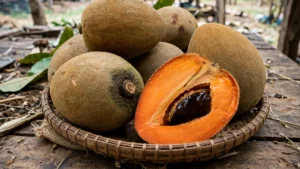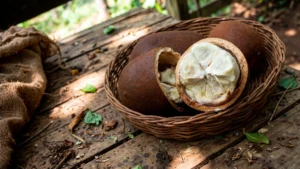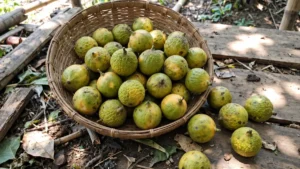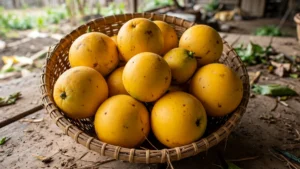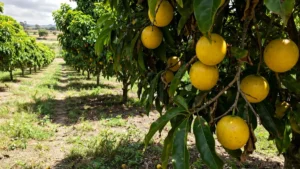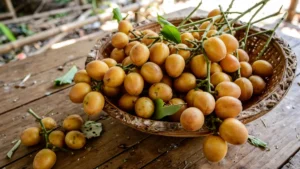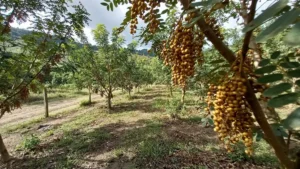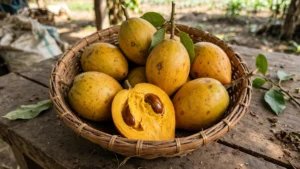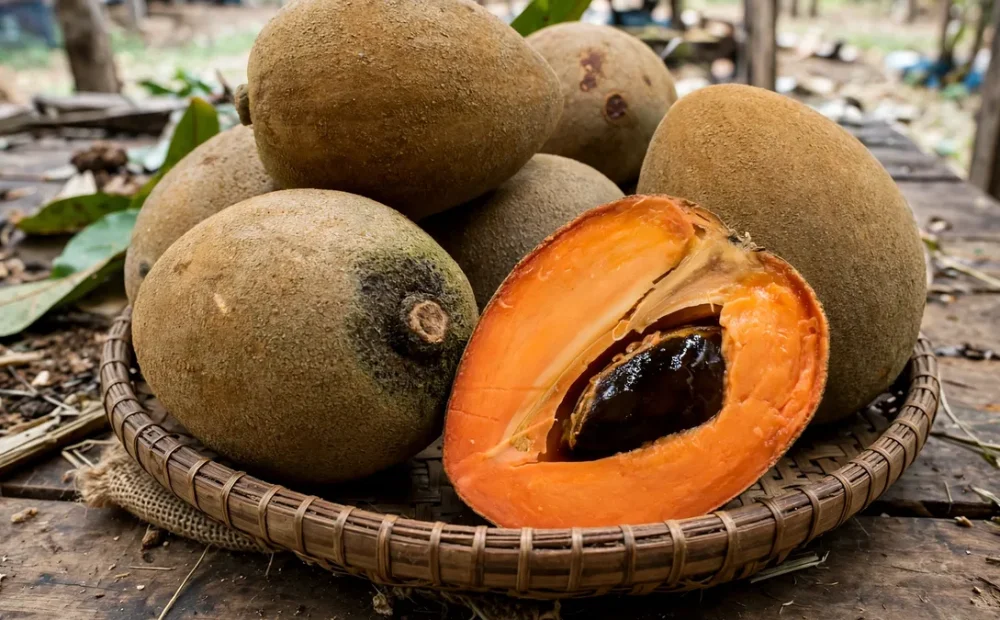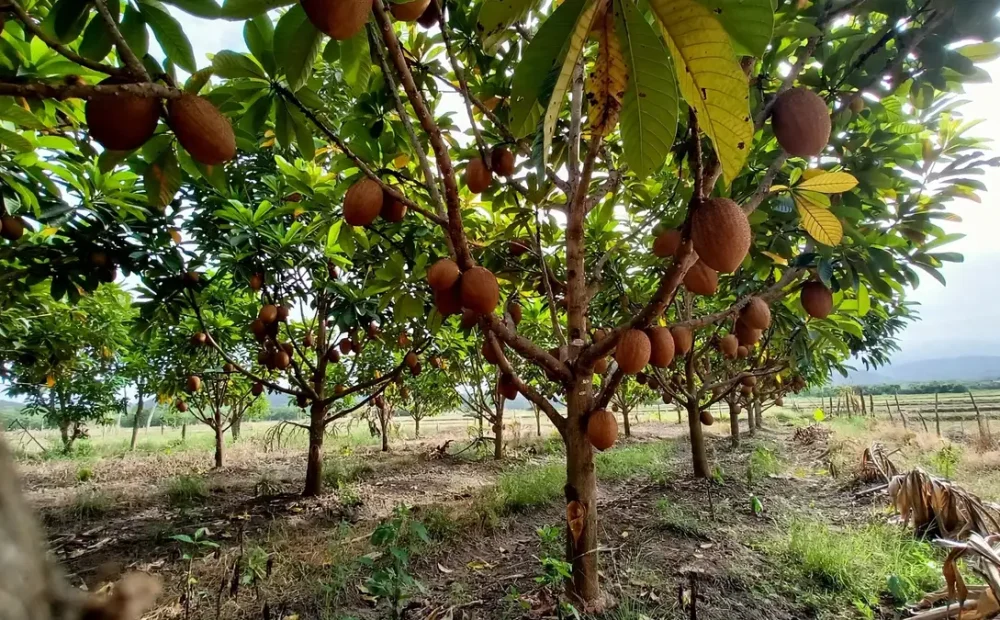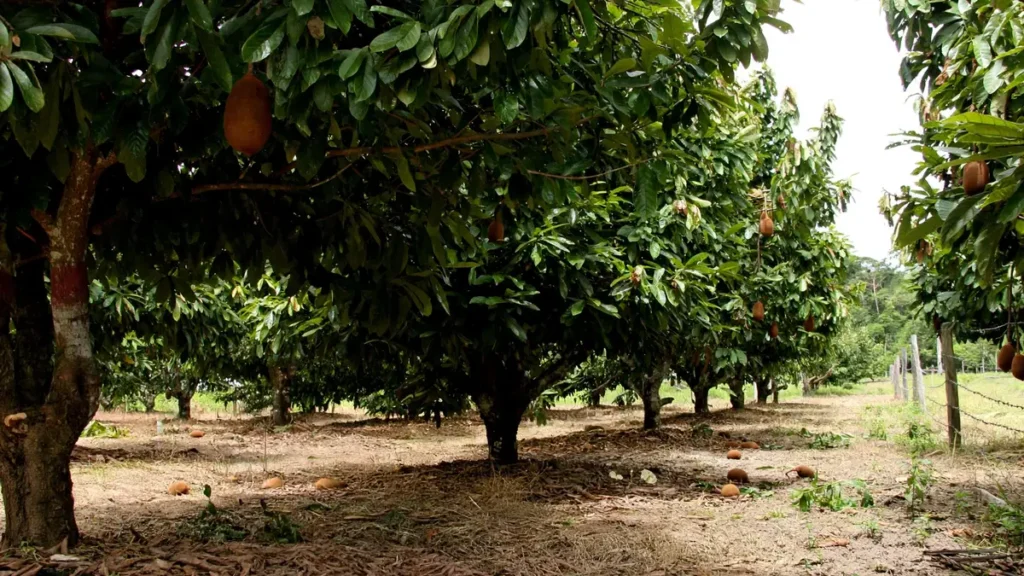
Cupuacu is not a fruit most travellers have tasted, and that is exactly why a farm stay built around it feels different from any other tropical escape. Theobroma grandiflorum grows in the Amazon as a large, brown, rough-skinned fruit, and inside is a pale, creamy pulp that tastes sour and floral at once, somewhere between pineapple, pear and a little banana. It is a close relative of cacao, and its seeds are pressed into cupuacu butter, the rich, soft fat that turns up in moisturisers and lip balms around the world.
A cupuacu farm retreat puts you at the source of all that. You sleep in a small lodge among the trees, walk the rows at dawn while the fruit is still cool, taste the pulp minutes after it is cut open, and watch the seeds being dried, roasted and pressed. Some stays are simple family farms with a handful of rooms and meals cooked over wood fire. Others are polished eco-lodges with river boats, hammocks on wide verandas, and a small spa using the farm’s own butter.
Below are nine stays worth considering in 2027, chosen for the quality of the farm itself, the honesty of the food and the butter-making, and the way guests are looked after once they leave the orchard. Each one is described by what it does well, what to watch for, and who it suits best, so you can pick a retreat that matches how you actually like to travel.
Key takeaways
- Cupuacu is a large Amazon fruit with creamy, sour pulp and seeds pressed into cupuacu butter; it is a cacao relative, not a citrus or a melon.
- The harvest runs roughly from December to April, and the best farm stays build their picking, tasting and butter-making around those months.
- Farm stays range from simple family lodges to polished eco-resorts, and the price usually reflects the boat, the meals and the guiding, not just the room.
- Ask before you book whether the butter-making is a real working process or a short demonstration, because the two feel very different.
- Cupuacu pulp itself contains no gluten, but farm kitchens cook shared meals, so ask ahead about wheat in sauces, breads and desserts if you need gluten-free food.
What a cupuacu farm retreat actually is
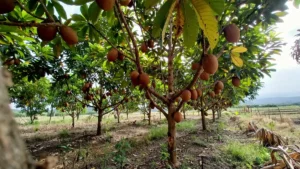
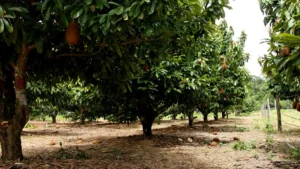
A cupuacu farm retreat is a working Amazon farm that also hosts guests. The orchard is the centre of the stay, not a decoration. Cupuacu trees grow tall, often shaded by larger canopy trees, and the fruit hangs heavy and brown, falling when it is ripe. Farmers gather it from the ground each morning, cut it open, and scoop out the pulp. On a good stay, you are part of that morning routine, not watching it from a distance.
The day usually follows the fruit. Mornings are for picking and tasting, late mornings for the butter-making, and afternoons for the river, the forest trails, or a rest in a hammock. Meals are cooked from what the farm and its neighbours grow: river fish, manioc, tropical fruit, and cupuacu in everything from juice to ice cream to a rich sauce over grilled fish. Evenings are quiet. There is little nightlife in the Amazon interior, and that is part of the point.
What separates a real retreat from a farm that simply rents rooms is the guiding. A good host explains why cupuacu needs shade, how the pulp is separated from the seeds, and why the butter is pressed cold. A weak stay shows you the trees from a path and leaves you to entertain yourself. When you compare stays, ask who walks with you in the orchard.
How we picked these stays, and what to ask first
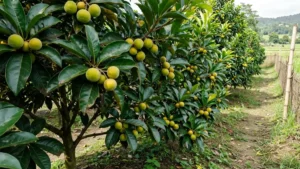
We looked for farms where cupuacu is a real crop, not a single tree planted for photographs, and where guests can take part in the harvest rather than only looking at it. We also favoured stays that cook with their own fruit, press their own butter, and employ local guides who know the forest beyond the orchard. A stay that imports its cupuacu pulp from a market is not a cupuacu farm retreat, however pretty its rooms are.
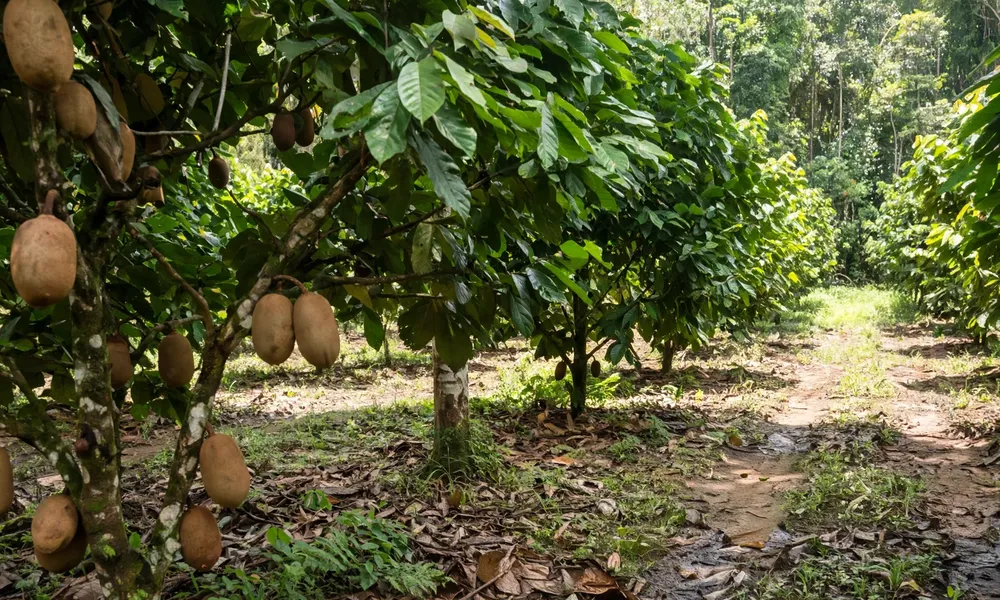
Before you book, ask three questions. First, how many cupuacu trees does the farm actually grow, and can you walk the orchard with a guide? Second, does the butter-making happen on the farm, and can guests join it? Third, what is included in the price — boat transfers, meals, guiding, and tastings — and what is charged separately? A stay that answers plainly is usually a stay that delivers. If you want a broader sense of how these farm retreats compare, our guide to jackfruit farm retreats shows the same format applied to a very different tropical fruit.
Timing matters as much as the stay itself. Cupuacu ripens in the wet season, roughly December to April, when the rivers are high and the forest is at its greenest. Outside those months you can still visit and see the butter-making, but you will miss the morning gathering and the freshest tasting.
The 9 best luxury cupuacu farm retreats of 2027
Cupuacu Canopy Lodge Outside Belém
What we like: A short boat ride from Belém, a mature orchard of several hundred cupuacu trees, and a kitchen that cooks with the fruit at every meal. What to consider: Rooms are simple and the lodge fills fast in February, so book early. Best For: First-time Amazon visitors who want a real farm without a long journey. Style: Rustic lodge with wide verandas and hammocks. Price Range: $190–$260 per night, meals and guiding included. Standout Feature: The morning gathering walk, followed by a tasting of fresh pulp, juice and ice cream.
Riverside Cupuacu House Near Manaus
What we like: A handsome riverside house with a deep orchard, a proper cold-press butter workshop, and sunset boat trips on a blackwater river. What to consider: Mosquitoes are keen after rain, and the house has only six rooms. Best For: Couples who want a quiet, polished stay with real farm work. Style: Elegant river house with a long deck and a small library. Price Range: $240–$320 per night, meals and boat trips included. Standout Feature: The butter workshop, where guests press their own small jar to take home.
Orchard Rooms at Santarém
What we like: A family-run farm near the meeting of the Tapajós and Amazon rivers, with generous rooms and a long table for shared meals. What to consider: The road from Santarém is rough in the wet season, so allow extra time. Best For: Families and small groups who like shared tables and slow days. Style: Farmhouse rooms around a shaded courtyard. Price Range: $150–$210 per night, meals and orchard walks included. Standout Feature: The shared evening meal, where the family cooks cupuacu into sauces, desserts and drinks.
Forest Edge Cupuacu Stay in Acre
What we like: A remote, deeply forested stay where cupuacu grows under a tall canopy, with forest trails, birdwatching and a small spa using farm butter. What to consider: It is a long journey from Rio Branco, and phone signal is patchy. Best For: Travellers who want forest first and farm second. Style: Raised wooden cabins at the forest edge. Price Range: $210–$290 per night, meals and trails included. Standout Feature: The canopy trail at dawn, when the forest wakes and the cupuacu is gathered below.
Cupuacu and Cacao Farm in Rondônia
What we like: A farm that grows cupuacu beside cacao, so guests can compare the two cousins from tree to butter to chocolate. What to consider: Rooms are comfortable rather than luxurious, and the farm is busy at harvest. Best For: Food lovers who want to understand cupuacu through its cacao family. Style: Working farm with comfortable guest rooms and a tasting barn. Price Range: $170–$230 per night, meals and tastings included. Standout Feature: The side-by-side tasting of cupuacu pulp, cupuacu butter and farm chocolate.
Island Orchard Retreat in Amapá
What we like: A river-island orchard reached only by boat, with stilted rooms, canoe trips through flooded forest, and cupuacu picked steps from the door. What to consider: Boats run on a fixed schedule, so arrival and departure times are not flexible. Best For: Travellers who want to feel properly away from everything. Style: Stilted island rooms with river views. Price Range: $200–$280 per night, meals and boat transfers included. Standout Feature: Canoeing through flooded forest at first light, with cupuacu trees rising from the water.
Hillside Cupuacu Farm in Maranhão
What we like: A hillside farm with sweeping views, a small pool, and a kitchen that pairs cupuacu with the state’s seafood and manioc dishes. What to consider: The orchard is smaller than the Amazon farms, and the stay suits two nights rather than a week. Best For: A short, comfortable farm break combined with the coast. Style: Hillside farmhouse with a pool and a long terrace. Price Range: $160–$220 per night, breakfast and orchard walks included. Standout Feature: The terrace at dusk, with cupuacu caipirinhas and a view across the valley.
Cupuacu Grove Lodge Near Palmas
What we like: A well-run lodge on the edge of the Cerrado, where cupuacu grows beside native fruit trees, with waterfalls nearby and a strong guiding team. What to consider: The cupuacu season here is shorter, so check harvest dates before booking. Best For: Travellers who want waterfalls and savanna as well as orchard. Style: Modern lodge with a pool and a shaded dining pavilion. Price Range: $180–$250 per night, meals and guiding included. Standout Feature: The waterfall walk, ending with a picnic of cupuacu juice and fresh fruit.
Cacao Coast Cupuacu Estate in Bahia
What we like: A grand old cacao estate in southern Bahia where cupuacu grows under shade trees, with elegant rooms, a pool, and a farm shop full of butter and chocolate. What to consider: It is the priciest stay here, and the estate is large enough to feel less intimate. Best For: Travellers who want history, comfort and a proper estate experience. Style: Restored estate house with gardens and a pool. Price Range: $280–$380 per night, meals and estate tours included. Standout Feature: The estate tour, from the shaded orchard to the drying terraces and the farm shop.
Which cupuacu region fits your trip
If this is your first Amazon trip, start near Belém or Manaus. Both have mature orchards, easy boat access, and lodges that know how to look after first-time visitors, so you spend your time in the orchard rather than on the road.
If you want forest and quiet, Acre and Amapá are the deeper choices. They take longer to reach and the stays are smaller, but the orchards feel wilder and the forest around them is extraordinary. Santarém and Rondônia sit in the middle: real farms, warm families, and food that makes the trip. For a shorter break, Maranhão and Bahia work well, and Palmas suits travellers who want waterfalls and savanna alongside the orchard. Our guide to durian farm retreats covers a fruit with a very different harvest rhythm.
Whichever region you choose, book inside the harvest, roughly December to April, if the picking and fresh tasting matter to you. Outside those months, the farms are still open and the butter-making still runs, but the morning gathering is the part you will miss, and it is the part most guests remember best.
The caveats that matter
Cupuacu is safe to eat for most people, and the pulp is eaten widely across Brazil, but a farm stay in the Amazon is not a city hotel. The wet season brings rain, mud and mosquitoes, and the rivers that make the trips beautiful also make schedules flexible. Boats can be delayed and roads can flood, so a farm that promises an exact itinerary is promising something it cannot control.
| Detail | What is known |
|---|---|
| Botanical name | Theobroma grandiflorum, a cacao relative in the mallow family |
| Harvest season | Roughly December to April, in the Amazon wet season |
| What to eat | Fresh pulp, juice, ice cream, sauces; seeds pressed into butter |
| Who should take care | Anyone with a cacao or tree-nut sensitivity should ask before tasting butter |
| Gluten | Cupuacu pulp has no gluten; ask the kitchen about wheat in shared meals |
| Getting there | Most stays need a boat or a rough road; allow a full travel day |
| When to book | Two to three months ahead for harvest-season weekends |
| What it does not offer | Nightlife, air-conditioned malls, or fixed schedules in the wet season |
If you have a food allergy, a medical condition, or you are pregnant, tell the farm before you book, not when you arrive. Farm kitchens cook in small batches and can usually adapt, but only if they know in advance. Bring insect repellent, a light rain jacket, and shoes you do not mind getting muddy. And if you are buying butter to take home, check your airline’s rules for liquids and creams before you pack it.
Checklist: booking a cupuacu farm stay honestly
Use these checks before you pay, and again a week before you travel.
- Check the orchard: ask how many cupuacu trees the farm grows and whether guests walk it with a guide.
- Check the season: book December to April if you want the morning gathering and the freshest tasting.
- Check what is included: boat transfers, meals, guiding and tastings, and what costs extra.
- Check the butter-making: confirm it happens on the farm and guests can join, not just watch a short demonstration.
- Check the food: tell the kitchen about allergies and gluten-free needs before you book, not on arrival.
- Check the journey: allow a full day for travel, and keep your first night flexible in case boats or roads are delayed.
Frequently asked questions
When is the best time to visit a cupuacu farm?
December to April, during the harvest, when the fruit is gathered fresh each morning and the tasting is at its best. The rivers are high, the forest is green, and the farms are at their busiest. Outside those months you can still visit, but the fresh picking is what you will miss.
What does cupuacu taste like?
The pulp is creamy, sour and floral, often described as a mix of pineapple, pear and banana, with a texture a little like soft custard. It is used in juice, ice cream, sauces and desserts, and the flavour is strongest when the fruit is eaten within hours of being cut open.
Is cupuacu related to chocolate?
Yes. Cupuacu is Theobroma grandiflorum, a close relative of cacao, Theobroma cacao. The seeds of both are fermented, dried and pressed, and cupuacu butter is used in cosmetics in much the same way cocoa butter is. The pulp, though, is what cupuacu is prized for, and cacao pulp is rarely eaten.
Can I buy cupuacu butter at the farm?
Most of these farms sell butter pressed on site, and some sell creams, soaps and chocolate too. Buy from the farm shop rather than a market stall, because the farm’s butter is fresh and you can see how it was made. Check airline rules for liquids and creams before you pack it in hand luggage.
Do cupuacu farms suit children?
Yes, especially the family-run stays near Santarém and Belém, where children can join the gathering, taste the fruit and ride in the boats. The forest walks are long and the heat is real, so plan short outings, bring water, and choose a stay with a pool or a river for cooling off. If you are weighing other tropical farm trips, our marang farm retreats guide covers another fruit that children tend to love.
How many nights should I stay at a cupuacu farm?
Three nights is a good length: one day for the orchard and butter-making, one day for the river or forest, and one day to slow down. Two nights works for the shorter stays in Maranhão and Bahia. A full week suits the remote farms in Acre and Amapá, where the journey itself takes a day each way.
The bottom line
The best cupuacu farm retreat in 2027 is not the most expensive or the most remote. It is the one where the orchard is real, the butter is pressed on the farm, and the hosts walk with you in the morning rather than pointing at the trees from a path. Belém and Manaus are the easiest first choices, Acre and Amapá the deepest, and Bahia the most comfortable. Pick the region that fits how you travel, then book inside the harvest.
Go for the fruit, stay for the farm. Taste the pulp fresh, watch the seeds become butter, eat well, and leave time for the river.