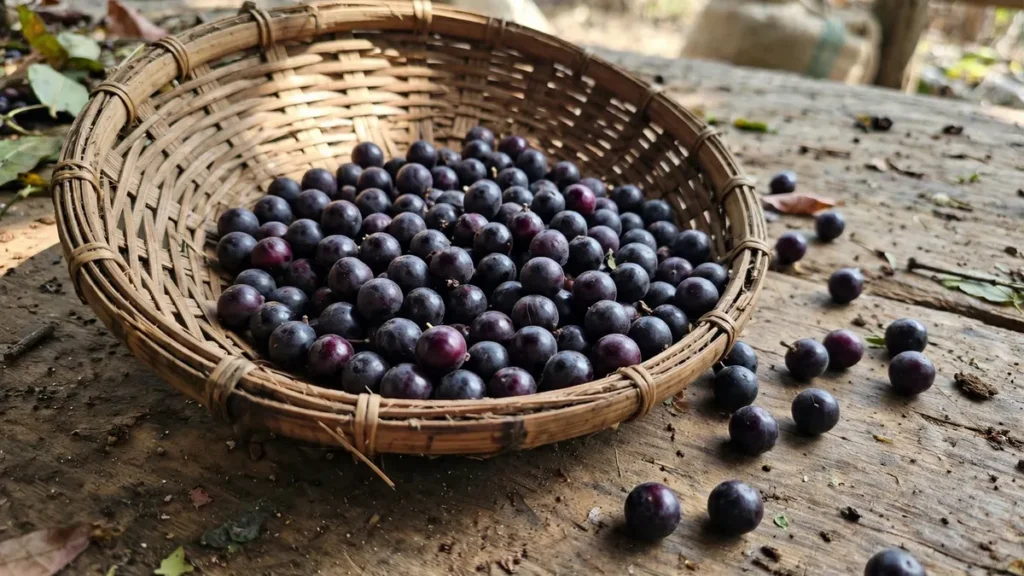
A bacaba farm escape is not a holiday you can plan from a brochure. The berries ripen when the rain says so, the rivers decide which farms you can reach, and the juice is made the morning you drink it. That is the whole appeal, and it is also why the planning matters. A traveller who books the right weeks, the right boat and the right cabin gets a slow, generous trip. A traveller who books blind gets a long drive to a grove that finished pressing last week.
The work is mostly in the first few messages with the farm. You need the harvest weeks in writing, a clear picture of how you get there, a room among the palms, and a kitchen that knows about your food before you arrive. Everything else, the market walk, the pressing, the wine at sunset, follows from those four things being settled early.
This guide walks through the nine steps that make the trip work, from choosing your river route to watching the press run on your last morning. It is written for a first visit, and it assumes you have never seen a bacaba palm, never tasted the juice, and never travelled by river boat in the Amazon.
Key takeaways
- Plan around the rain: bacaba ripens roughly from January to June, and the rivers run high enough for easy boat travel in those months.
- Pick your river route before your dates, because water levels decide which farms you can reach and how long the boat takes.
- Ask the farm for its harvest weeks in writing, and do not pay in full until you have them.
- Stay among the palms, not in town, so the dawn climb and the morning pressing are a short walk, not a drive.
- Flag wheat and gluten when you first write to the farm, because breakfast often includes wheat bread next to the cassava flour, and the kitchen needs a week to plan around it.
What a bacaba farm escape actually involves
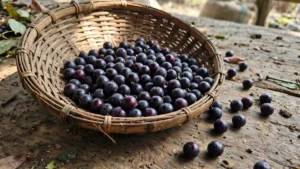
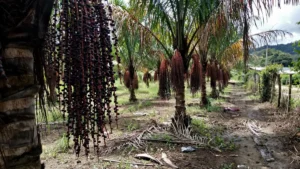
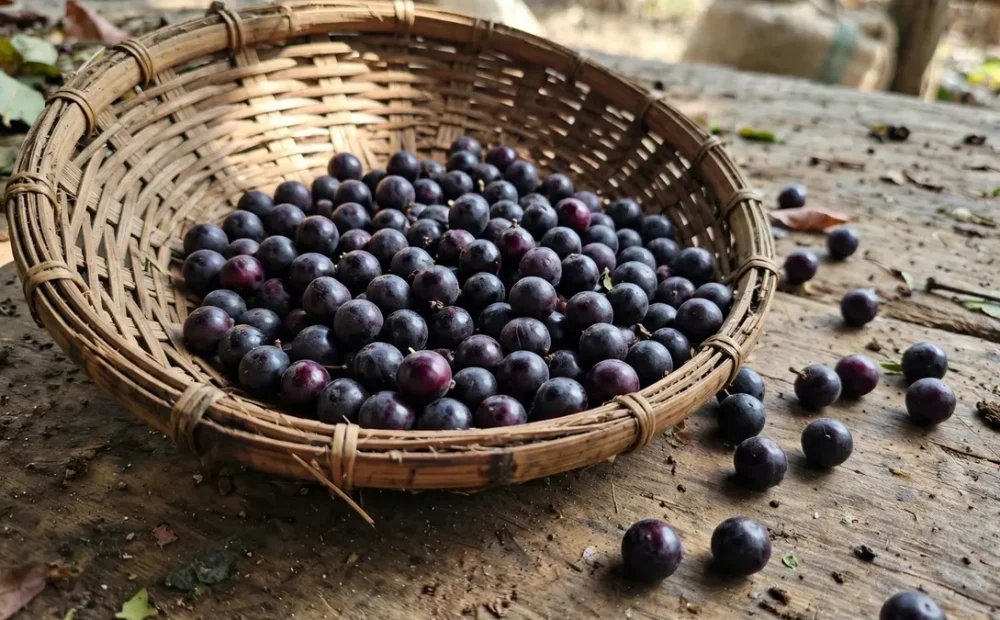
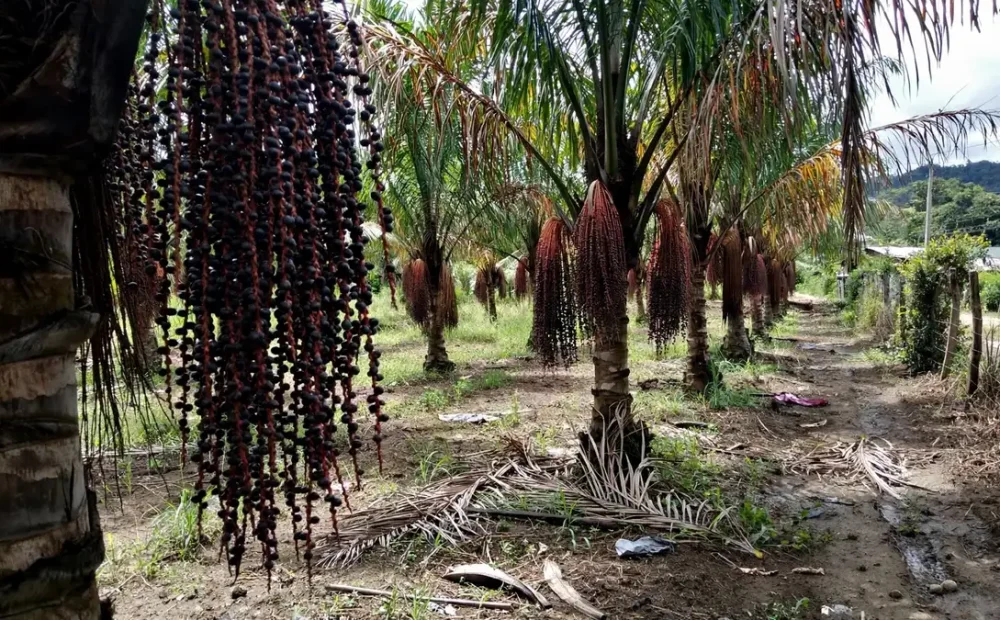
At its simplest, the escape is three things: a grove, a press and a table. The grove is a stand of tall bacaba palms, the press is where the berries are washed, soaked and worked into juice, and the table is where the farm kitchen serves that juice with fish, cassava and fruit from the garden. Days are built around the harvest, which starts at first light, and the rest of the day is river, rest and food.
The travel is part of the trip. Most farms are reached by boat, some by a small plane and a drive, and a few by road from a town. The boat is usually the best way in, because it follows the river the farm depends on, and it gives you the landscape the berries come from. If you have never travelled by river in the Amazon, the scale of it is the first surprise: the water is wide, the forest runs to the horizon, and the farm appears as a clearing with palms behind it.
The pace is slower than a city break and fuller than a beach stay. Mornings are busy, with the climb, the washing and the pressing, and afternoons are quiet, with the river, the hammock and the kitchen. Evenings are for the wine and for talking with the people who work the grove. Travellers who have planned an acai farm escape will find the shape familiar, a working crop, a morning harvest and a kitchen that knows it, but bacaba runs on its own calendar, and the river matters more here, so the planning below is written for this fruit, not borrowed from another.
How to plan the escape and what to look for
Start with the farm, not the flight. A good bacaba farm answers four questions quickly: which weeks do the clusters ripen, how do guests reach the grove, where do guests sleep, and what does the kitchen serve. If a farm is slow to answer, or the answers are vague, keep looking. The farms on this trip are small, and the good ones are used to travellers who ask direct questions.
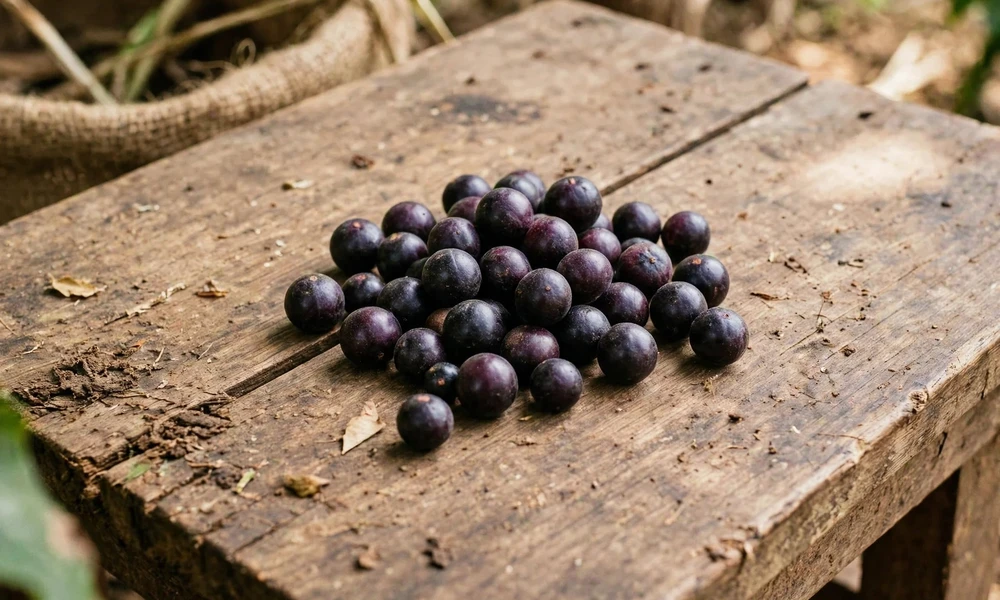
Look for a farm that presses on site every morning in season, that has a cook who works with the pulp, and that keeps guests in cabins among the palms. The cabin matters more than it sounds: the climb starts at first light, and a guest sleeping in town will miss it, while a guest sleeping among the palms only has to walk out of the door. A farm that puts guests in town is selling a tour, not a stay.
Finally, look at the money in the open. The price should state what is included, what the boat costs, and what happens if the river changes the plan. A farm that is clear about refunds and changed dates is a farm that has dealt with the river before. One that promises fixed dates in the rainy season, whatever the water does, has not.
The 9 steps to plan your bacaba farm escape
1. Let the river choose your route before you fix your dates
Water levels decide which farms you can reach and how long the boat takes, so the route comes first. Pick the river, Belém and the delta, the Rio Negro around Manaus, the Tapajós near Santarém, or the Madeira near Porto Velho, then ask the farms on that river which weeks they are pressing. A date chosen before the route is a date the river can undo.
2. Get the harvest weeks in writing before you pay anything
Bacaba ripens roughly from January to June, but the exact weeks move with the rain, and every grove has its own calendar. Ask the farm to name its weeks in a message you can keep, and do not pay in full until you have them. A farm that will not put its dates in writing is a farm to skip.
3. Learn the climb rules while your feet are on the ground
The palms are tall, the clusters are heavy, and the climb belongs to trained staff with ropes. Ask the farm, before you travel, what guests are allowed to do and where they stand to watch. The answer should be short and clear: guests watch from the ground, help with the washing, and taste the juice. Anything looser is a warning sign.
4. Sleep among the palms, not in a room in town
The harvest starts at first light, and the pressing is done before lunch. A cabin among the palms puts you at the grove when the work happens, while a room in town puts you on a road. Book the cabin, check that it has a net and a fan, and ask which cabin sits closest to the pressing shed if you want to be near the action.
5. Send the wheat note before you talk about dates
Farm breakfasts often include wheat bread alongside cassava flour, tapioca and fruit, and a kitchen that learns about wheat a week ahead can set aside a plate that works for you. Put the note in your first message, before you settle dates or prices, so the farm can plan properly. The same note should cover any other food you cannot eat, because the kitchen cooks one table for everyone.
6. Go to the market with the cook on your first morning
The market is where the farm buys what it does not grow, and it is the fastest way to learn the food of the place. Go with the cook, ask what is in season, and taste what is offered. The walk also tells you how the farm eats, which tells you more about the stay than any list of rooms.
7. Taste the juice, the wine and the dried pulp in one stay
Bacaba is three drinks and a snack, not one. The fresh juice is thick and nutty, the wine is light and cloudy, and the dried pulp is chewy and sweet. A farm that makes all three will let you taste them side by side, and a single stay is the only way to compare them, because none of them travels well. Ask the farm which of the three it does best, and plan your tasting around that answer.
8. Save the souvenir buying for the morning you leave
Dried bacaba, bottled juice and the farm’s own farinha are worth taking home, but they keep better if you buy them late. Shop on your last morning, after you have tasted everything and know what you like, and ask the farm to pack it for the boat. Anything bought on the first day spends the trip getting warm in your cabin.
9. Watch the pressing from start to finish and write the method down
The pressing is the heart of the trip, and it is over in an hour. Stand beside the press from the washing to the last pour, ask the cook what changes when the berries are riper or less ripe, and write the method down while it is fresh. The note is the best souvenir you will take home, because it is the only one that lets you understand the juice you drank.
Matching the trip to you
First-timers should keep it short and close. Two or three nights near Belém or Manaus is enough to learn the berry, watch the climb, taste the juice and the wine, and decide whether you want a longer stay next time. Both cities have regular flights, both have farms used to first-timers, and both let you leave early if the heat or the river is more than you expected.
Travellers who already know the Amazon can go further. Rio Branco and Boa Vista need a flight and a drive, and they repay the effort with quiet, forest and open country, while Santarém and Porto Velho suit travellers who want the river as much as the harvest. If you have planned a guarana farm escape before, the shape will feel familiar, but the calendar is different, so do not copy your old dates across: bacaba ripens on its own schedule, and the river sets the pace.
Families should ask about the children before booking. Most farms welcome older children who can walk the grove and sit through the pressing, and a few have shallow river spots for swimming, but the climb is for trained staff only, and the wine is for adults. A farm that answers the children question clearly, with ages and rules, is a farm that has hosted families before. It also helps to ask about meal times, because farm kitchens serve early and children who are used to a later breakfast may need a snack kept back from the evening before, and a good farm will do that without being asked twice.
The caveats that matter
The biggest risk on a bacaba trip is not the fruit, it is the river. Water levels shift through the harvest months, boat times change, and a farm that promises a fixed schedule in January is promising something it cannot control. Build a spare day into the trip, keep your onward flight flexible if you can, and treat a changed boat time as part of the journey rather than a failure of the plan.
| Detail | What is known |
|---|---|
| Best months | January to June, in the rainy months, when the clusters ripen |
| First step | Pick the river route, then ask farms on that river for their harvest weeks |
| Payment | Do not pay in full until the farm has put its harvest weeks in writing |
| Where to sleep | A cabin among the palms, with a net and a fan, close to the pressing shed |
| Food | Send the wheat note in your first message, before dates are settled |
| Climbing | Guests watch from the ground; trained staff with ropes do the climb |
| What to pack | Light clothes, rain gear, insect repellent, a hat and a notebook for the pressing |
| What to bring home | Dried bacaba and farinha, bought on the last morning and packed for the boat |
Health is the other thing to settle before you travel. The pulp is rich in oil, so start with a small glass and see how you feel, and skip the wine if you avoid alcohol. Heat and insects are part of the trip, so pack repellent, a hat and light clothes, and check with your clinician if you take regular medicine or you are pregnant. A farm that knows about your health before you arrive can look after you properly, and one that learns about it on the first morning cannot.
Checklist: planning your bacaba farm escape honestly
Use these checks as you plan, and run through them again the week before you travel.
- Route first: pick the river, then ask the farms on it for their harvest weeks in writing.
- Room among the palms: a cabin with a net and a fan, close to the pressing shed.
- Wheat note sent: tell the farm in your first message, before dates are settled.
- Climb rules clear: guests watch from the ground, trained staff do the climbing.
- Money clear: what is included, what the boat costs, and what happens if the river changes the plan.
- Bag ready: light clothes, rain gear, insect repellent, a hat and a notebook for the pressing method.
Frequently asked questions
How long should a bacaba escape last?
Two or three nights is enough for a first visit: one morning for the market and the climb, one for the pressing and the tasting, and one spare day in case the river changes the boat. A longer stay suits travellers who want the forest walks and the river days as well as the harvest.
Do I book my own boat to the farm?
Usually the farm arranges the boat, and you arrange the flight to the nearest city. Ask the farm to confirm the boat time, the meeting point and the cost in the same message as the harvest weeks, so the whole journey is settled before you pay.
Can children come on the harvest walk?
Older children usually can, on the farm’s own rules, and most farms welcome them for the washing, the pressing and the tasting. The climb itself is for trained staff only. Ask the farm for its age limits and its rules before you book, rather than assuming.
What goes in the bag for a bacaba farm?
Light clothes, rain gear, insect repellent, a hat for the midday sun, and a notebook for the pressing method. A small torch helps for the early mornings, and a dry bag keeps your phone and papers safe on the boat.
What sets bacaba apart from acai?
Bacaba grows on Oenocarpus bacaba, a taller palm with a single straight trunk, while acai grows on Euterpe oleracea. Its pulp holds more oil, so farms press it into juice and wine instead of serving it in bowls. The tucumã farm escape is a closer cousin to this trip, because tucumã is also cooked and pressed rather than eaten raw, and its planning runs on the same river logic.
Can I buy bacaba products to take home?
Yes, but buy them on your last morning. Dried bacaba and farinha travel well, while bottled juice is heavy and short-lived, so ask the farm to pack what you buy for the boat. A small bag of dried bacaba is the best souvenir, because it keeps, and it tastes of the grove.
The bottom line
A bacaba farm escape works when the river, the harvest and the kitchen are all settled before you travel. Pick your route first, get the harvest weeks in writing, sleep among the palms, and send the wheat note in your first message. The rest of the trip, the market, the pressing, the wine at sunset, follows from those four things being done early.
Book for the rainy months, build in a spare day for the river, and watch the pressing from start to finish. Bacaba is a slow fruit from a tall palm, and the travellers who enjoy it most are the ones who let the farm set the pace.