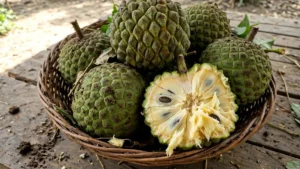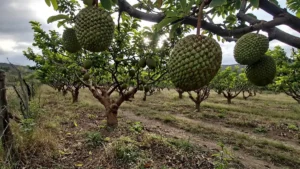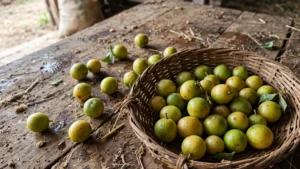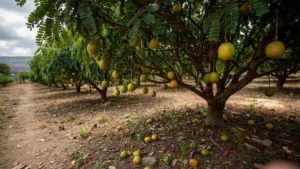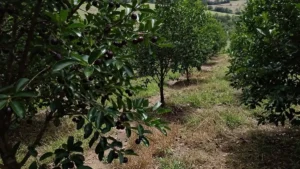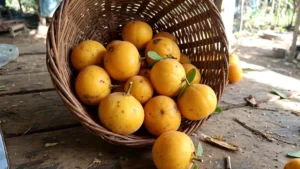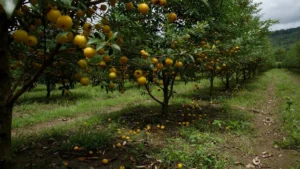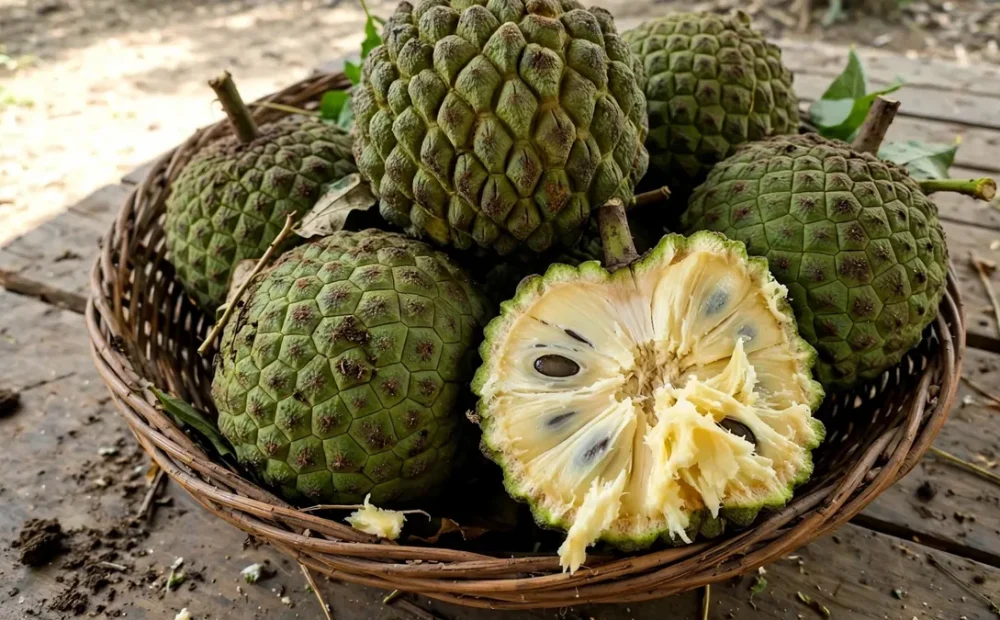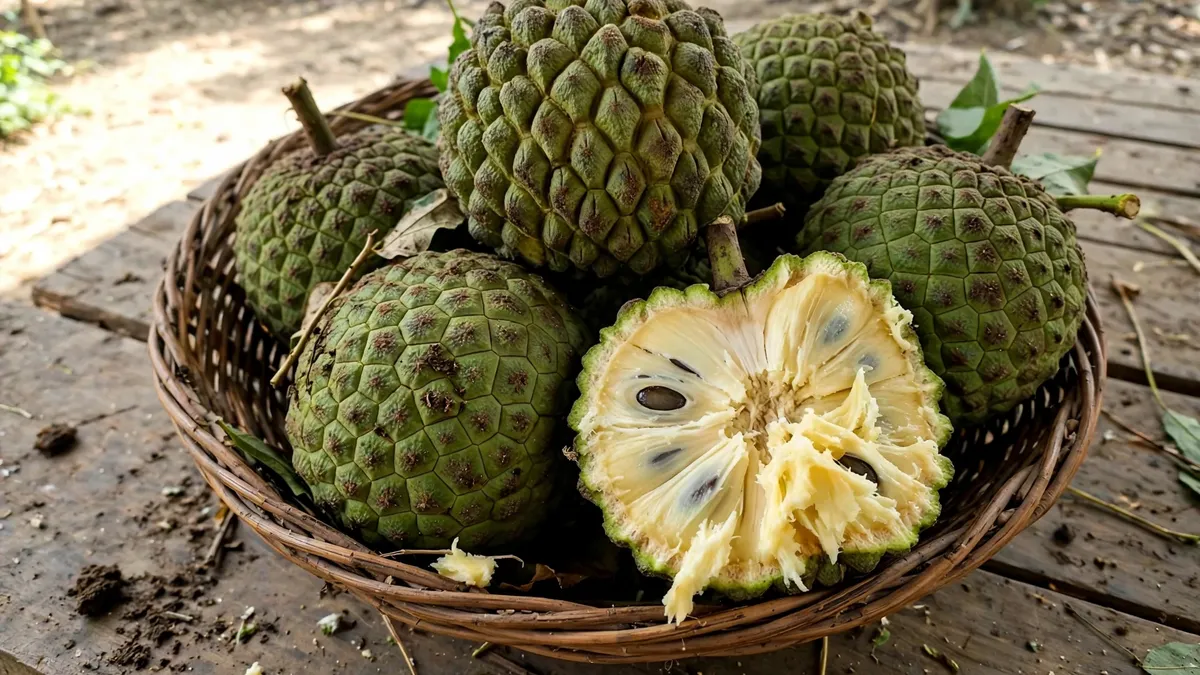

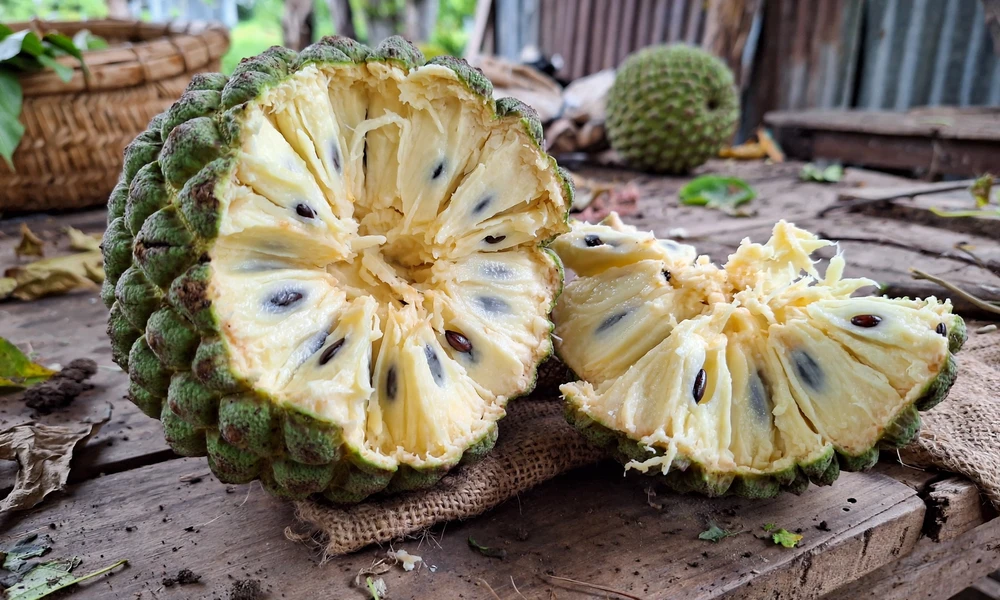
An araticum farm escape is a slow trip into the Brazilian cerrado, built around a fruit most people outside the region have never tasted. Araticum, Annona crassiflora, grows on low, twisted trees across the central savanna, and its fruit is large, green and scaly, with soft, creamy flesh that smells faintly of pineapple and vanilla. The farms that grow it now welcome guests for harvest walks, cooking afternoons and long, unhurried meals, treating the fruit as the reason for the trip rather than a decoration on it.
Planning matters more here than for an ordinary holiday. The fruit ripens in a short window, roughly December to March, and outside it the farms have jam in the pantry but little fresh fruit on the trees. The roads are often unpaved, the farms often far from town, and the kitchen needs to know about wheat or gluten before you arrive, not after the bread is baked.
This guide walks through the planning in nine steps, from choosing the region to settling the bill, and answers the questions that come up most often. It is written for a first visit, and it assumes you want the fruit, the farm and the cerrado, in that order.
Key takeaways
- Book inside the fruiting season, roughly December to March; confirm the harvest window in writing before you pay.
- Choose the farm by its orchard and its kitchen, not its rooms, because the fruit and the cooking make the trip.
- Plan the journey as part of the holiday: check the distance, the road surface, and whether you need a high-clearance car or a transfer.
- Araticum is a cerrado custard apple, distinct from soursop and cherimoya, with a rounder, more floral flavour.
- Only the flesh is eaten, never the seeds, and tell the farm about wheat or gluten before you book.
What an araticum farm escape actually involves
A farm escape is a stay on a working property where the day follows the farm rather than a hotel schedule. Mornings start early, before the cerrado heat builds, and are usually spent in the orchard. The host walks the rows with you, shows you how to judge ripeness by colour, smell and the give of the skin, and lets you pick the fruit yourself. A ripe araticum is heavy, slightly yellow at the edges, and soft under a gentle press.
After the harvest comes the kitchen. The flesh is eaten fresh with a spoon, and also blended into juice, folded into ice cream and mousse, baked into cakes, and cooked down into jam. The seeds are large, dark and hard, and are set aside rather than eaten. A good farm shows you how to separate the flesh cleanly, and serves the fruit in several forms across your stay.
The rest of the day is the cerrado itself. The land is wide and open, with red earth, low trees, and skies that turn dramatic in the late afternoon. Some farms have a river or a pool for swimming, some have walking trails, and most have a veranda where the evening is spent eating and talking. The pace is slow, the signal often patchy, and that is part of the point. The sharper, more acidic side of the family is covered in our guide to planning a soursop farm escape, a useful contrast, since soursop grows in humid country and tastes nothing like the soft, floral araticum of the dry cerrado.
How to plan it well and what to look for
Start with the season, not the farm. The fruiting window is short, and a beautiful farm outside it is still a beautiful farm without the fruit. Write to the farm and ask which weeks it expects ripe araticum, and ask for the answer in writing. A farm that gives a clear window knows its orchard.
Look next at the kitchen and the host. The kitchen should cook with the fruit in several forms, and the host should answer messages promptly and clearly before you arrive. Ask whether meals are included, whether the kitchen can prepare wheat-free food, and whether there are extra charges for classes, walks or transfers. A farm that answers all of that in one message has done this before, and that is the kind of farm you want.
Finally, look at the journey honestly. Many araticum farms are an hour or more from the nearest town, and the last stretch is often unpaved. Check the distance from the airport, ask about the road, and decide whether you need a high-clearance car or the farm can collect you. A transfer arranged in advance is usually cheaper and calmer than a rental car on an unfamiliar road.
How to plan your araticum farm escape in 9 steps
Fix the fruiting window before you fix the dates
What to do: Write to the farm and ask which weeks it expects ripe araticum, then choose your dates inside that window. What to avoid: Booking flights first and hoping the fruit is ready. Best for: Travellers who want the harvest, not just the holiday. Time needed: A single message, usually answered in a day. Standout tip: Ask for the window in writing, so you have it if the season shifts.
The season is the whole trip. A farm can be perfect in every other way and still disappoint if the trees are bare, so make the fruit the first decision and the dates the second.
Pick a region that matches the journey you want
What to do: Choose Brasília or Goiânia for a short trip, and Cuiabá, Araguaína or Barreiras for a deeper one. What to avoid: Picking the farthest farm for a two-night stay. Best for: Anyone balancing travel time against time on the farm. Time needed: An evening of reading and one map check. Standout tip: Count the journey in hours, not kilometres, because cerrado roads are slow.
The region shapes the trip more than the farm does. A short drive means more time in the orchard; a long drive means a bigger harvest and a quieter farm. Decide which you want before you fall in love with a particular property.
Write to the farm with your food needs first
What to do: Tell the farm about wheat or gluten in your first message, and ask how the kitchen handles it. What to avoid: Mentioning it at the table on the first evening. Best for: Anyone who eats wheat-free, and anyone travelling with children. Time needed: Five minutes, in the first message. Standout tip: Ask specifically about breakfast breads and tasting plates, which is where gluten usually appears.
Farm kitchens are generous but small, and they cook what they planned to cook. A host who knows in advance will prepare wheat-free breads, cakes and tasting plates without fuss. A host told at the table will do their best, but the meal will be thinner for it.
Sort the road and the transfer before you land
What to do: Ask the farm about the road surface, the distance from the nearest town, and whether it offers a transfer. What to avoid: Assuming a normal rental car will cope with an unpaved track after rain. Best for: Travellers arriving by plane and driving themselves. Time needed: One message and a look at the map. Standout tip: A farm transfer is usually cheaper than a rental upgrade, and the driver knows the road.
The last stretch of road is where farm trips go wrong. It is unpaved, dusty in the dry season and muddy after rain, and easy to underestimate. Ask, listen, and take the transfer if the farm offers one.
Pack for red earth, sun and early mornings
What to do: Pack closed shoes for the orchard, sun protection, a hat, and clothes you can get dusty. What to avoid: White trainers, open sandals in the orchard, and clothes you will not wear. Best for: Anyone who has never walked a cerrado farm. Time needed: Thirty minutes the evening before you travel. Standout tip: Bring a bag for jars of jam and sweets from the farm shop.
The cerrado is beautiful and dusty, and the orchard is not a place for delicate shoes. Closed shoes protect your feet from thorns and insects, and a hat makes the morning walk far more pleasant.
Learn the fruit before the harvest walk
What to do: Ask the host to show you a ripe araticum cut open, and to explain how ripeness is judged. What to avoid: Picking fruit by size alone, or eating a seed. Best for: First-time visitors and families with children. Time needed: Ten minutes before the walk. Standout tip: Smell the fruit; a ripe araticum gives off a sweet, pineapple-like scent.
A few minutes of learning before the walk makes the whole harvest better. You will pick fruit that is actually ripe, know the flesh from the seed, and taste the difference between trees.
Join the kitchen, not just the orchard
What to do: Book a cooking afternoon, and learn how the farm turns the fruit into ice cream, cake or jam. What to avoid: Treating the kitchen as a restaurant. Best for: Food lovers and anyone who wants to cook the fruit at home. Time needed: An afternoon, booked in advance. Standout tip: Ask for the jam recipe in writing, because it is the easiest one to repeat at home.
The orchard is the beginning of the trip, and the kitchen is the middle of it. Cooking with the fruit teaches you more than tasting alone, and the recipes you take home last longest.
Leave a day with nothing planned
What to do: Keep one day free for the river, the veranda, or a second walk in the orchard. What to avoid: Filling every hour and leaving no time to rest. Best for: Anyone who arrives tired from the journey. Time needed: None, it is the absence of a plan. Standout tip: The best farm days are often the unplanned ones, when the host suggests something on the spot.
A farm escape is not a tour, and it does not need a schedule. The midday heat, the quiet afternoon and the long evening are part of the experience, and they disappear if every hour is booked.
Clear the bill before your last morning
What to do: Ask for the bill the evening before departure, check it against what was agreed, and pay then. What to avoid: Leaving it to the morning, when the car is waiting. Best for: Travellers leaving before breakfast. Time needed: Ten minutes, over dinner. Standout tip: Bring cash, because many farms are far from card machines and cash points.
Farm accounting is usually done by hand, and it is better done slowly than quickly. An evening check gives you time to ask about anything unclear, and the morning is then for saying goodbye rather than arithmetic.
When to go and what the season changes
December to March is the fruiting season, and it is the time to go if the fruit is the reason for the trip. The cerrado is warm and green, the trees are heavy, and the farms run harvest walks and tastings as a matter of course.
April to August is the dry season, and a different trip. The fruit is gone, but the roads are easier, the skies are clear, and the farms are quieter. The kitchen will have jam and sweets from the harvest. It is a good time for a cerrado holiday, but it is not a fruit trip.
September to November is the in-between season, when the trees are flowering and the next harvest is still months away. The farms are at their quietest, and the prices often at their lowest. If you want the land without the crowds, this is the time, but do not expect fresh araticum. The cool highland country where cherimoya grows has a different rhythm, and our guide to planning a cherimoya farm escape explains that fruit’s season.
The caveats that matter
The main caveat is the season, and the second is the seed. Araticum ripens quickly once picked, and a basket left in the sun will be overripe by the afternoon. Eat what you pick, share what you cannot finish, and do not carry unripe fruit home expecting it to ripen on a shelf. The seeds are large, dark and hard, and they are not eaten, so keep them from small children and set them aside when you eat.
| Detail | What is known |
|---|---|
| Fruiting season | Roughly December to March, when harvest walks run |
| Confirm before paying | Ask the farm for the harvest window in writing |
| Roads | Often unpaved at the end; ask about transfers |
| Meals | Usually included; tell the farm about wheat or gluten first |
| Seeds | Large, dark and hard; not for eating, only the flesh is served |
| What to pack | Closed shoes, sun protection, a hat, dusty clothes, cash |
| Signal and payment | Often patchy; bring cash, as card machines are rare |
| What it does not do | It is not a medicine, and it does not replace a varied diet |
Health is the other caveat worth a line. Araticum is a rich fruit, and a large portion can sit heavily, so eat a modest amount the first time and see how you feel. If you are pregnant, breastfeeding, or managing a medical condition, check with your clinician before eating a new fruit in quantity.
Checklist: before you book
Use these checks before you pay, and again the week before you travel.
- Confirm the fruiting window in writing, and choose dates inside it.
- Tell the farm about wheat or gluten in your first message, and ask how the kitchen handles it.
- Check what is included: meals, harvest walks, transfers, and extra charges for classes or guided walks.
- Ask about the road: distance from the nearest town, surface, and whether a transfer is available.
- Pack closed shoes, sun protection, a hat, dusty clothes, and cash for the farm shop.
- Plan one free day, and settle the bill the evening before you leave.
Frequently asked questions
How far ahead should I book an araticum farm escape?
Book six to eight weeks ahead for the fruiting season, and earlier for a particular farm or a weekend. December to March is short, and the best farms fill quickly.
Can I visit an araticum farm with children?
Yes, and most farms welcome families. Tell the farm in advance, so the kitchen can serve the flesh already separated from the seeds, and supervise younger children while they eat, because the seeds are large and hard.
What does araticum taste like?
It tastes creamy and sweet, with a floral, pineapple-like smell and a flavour between custard apple and vanilla. The flesh is soft and pale, eaten with a spoon. It is richer than most fruit, so a modest portion is usually enough.
Is araticum the same as soursop or cherimoya?
No. All three are Annona fruits, but they are different species. Soursop is spiky and sharply sour and grows in the humid tropics. Cherimoya is smooth-skinned and custardy and grows in cooler highlands. Araticum is large, green and scaly, with a rounder, more floral flavour, and it grows in the dry cerrado of central Brazil.
Do I need a car to reach an araticum farm?
Often yes, or a farm transfer. Many farms are an hour or more from the nearest town, and the last stretch is usually unpaved. Ask the farm about the road before you book, and take the transfer if it is offered. A guava farm escape is easier to reach by bus if you are travelling without a car, since guava farms sit closer to towns and main roads.
What happens if the fruit is not ready when I arrive?
Ask the farm before you pay, and ask for the harvest window in writing. If the season shifts and the fruit is late, a good farm will tell you and offer to move your dates. If you arrive and the trees are bare, the farm should still feed you well, but it is not the trip you booked, so raise it with the host honestly.
The bottom line
An araticum farm escape is a simple trip, and it works when the planning is simple too. Book inside the fruiting season, confirm the harvest in writing, tell the farm about wheat or gluten first, and sort the road before you land.
Choose the region that matches the journey you want, leave a day unplanned, and eat the flesh with a spoon while the fruit is still cool from the morning.