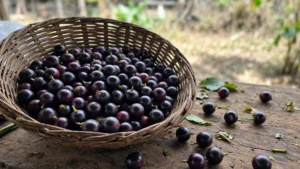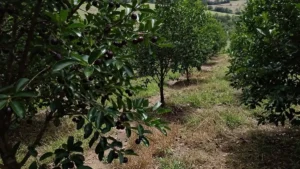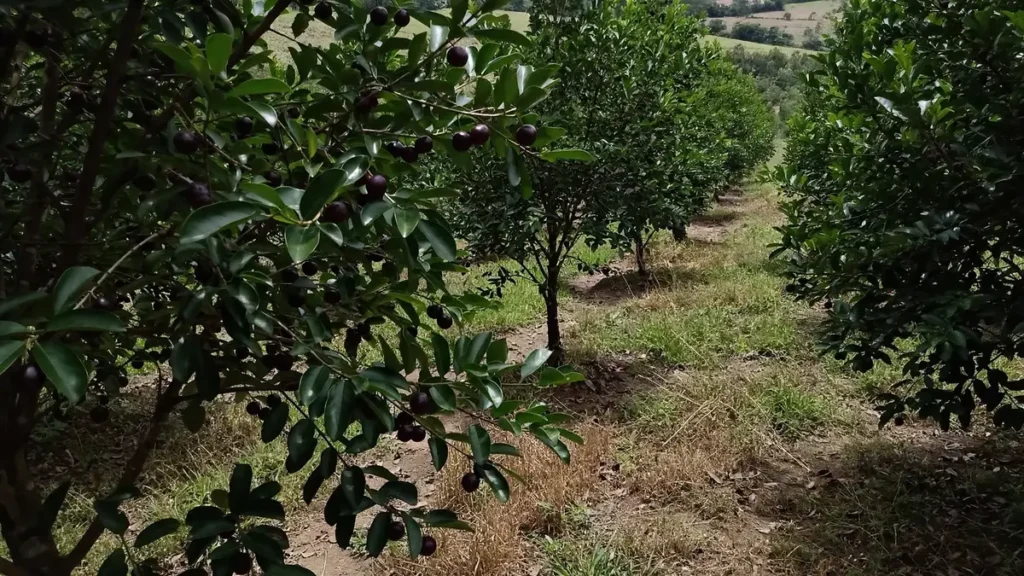
Grumixama is not a fruit most travellers have heard of, and that is exactly why a farm stay built around it feels different. The cherry is small, dark purple, almost black when it is fully ripe, and it grows on slow trees in the Atlantic Forest of southern Brazil. It tastes sweet and sharp at once, closer to a wild cherry than to anything in a supermarket punnet, and it bruises so easily that the best way to eat it is under the tree that grew it.
A grumixama farm retreat is built around that short window. The fruit ripens in a rush, usually over a few weeks, and the farms on this list open their gates for picking walks, long lunches, and nights in farmhouses that sit a short walk from the orchards. Each one is a working farm first, with rooms, meals, and a host who knows the rows.
Below are nine retreats worth considering in 2027, from a hillside farm outside São Paulo to a coastal orchard near Ubatuba. Below, each entry sets out the farm’s strengths, its weak points, and the kind of traveller it suits.
Key takeaways
- Grumixama (Eugenia brasiliensis) is a small dark purple Brazilian cherry, sweet-tart, best eaten fresh within hours.
- The harvest window is short, often just a few weeks, so dates matter more than the room.
- Farm stays here are working farms with simple, comfortable rooms, not luxury resorts; the luxury is the setting, the food, and the quiet.
- Prices below are per person per night for a stay that includes meals, unless the entry says otherwise, and they move with the season.
- Tell the farm about wheat and gluten before you book, because farmhouse kitchens bake their own bread, and get the exact harvest dates in writing before you pay.
What a grumixama farm retreat actually covers
A stay usually runs two to four nights. Mornings start early, with a picking walk while the fruit is cool, then breakfast on the veranda with the morning’s pickings beside bread, cheese, and coffee. Lunch comes from the farm kitchen, often cooked over wood, and afternoons are left open. Evenings are quiet, with a simple dinner and an early night.
The fruit itself sets the pace. Grumixama ripens unevenly, branch by branch, so a good host walks the rows each morning and marks what is ready. You pick what you eat, and the rest goes into jams, juices, and the caipirinhas that appear at sunset. A pitanga farm runs at a different rhythm, with a longer season; our guide to pitanga farm retreats explains how the stays compare.
Rooms are part of the farm, not a separate hotel. Expect a comfortable bed, a fan or a cool breeze, and a window that opens onto trees. There is no spa menu or concierge desk. What you get instead is a host who eats with you, a kitchen that cooks what the farm grew, and days where the loudest sound is fruit dropping onto dry leaves.
How we chose these retreats and what to look for
We looked for working orchards with mature grumixama trees, stays that include meals, and hosts who answer messages themselves. A farm made the list when it could name its harvest weeks and when past guests talked about the food and the walks rather than the Wi-Fi. We left out farms that could not say when their fruit would be ripe.

Before you book, ask three things in writing: the expected harvest dates, what meals are included, and how you get there from the nearest town. If the harvest dates are vague, treat that as a warning: a stay booked two weeks early means green fruit and a disappointed table.
The 9 best grumixama farm retreats of 2027
São Paulo: picking above the morning fog
Ninety minutes from the city, this hillside farm keeps its oldest grumixama trees on a slope that catches the morning fog. The house is a whitewashed farmhouse with six rooms and a kitchen that bakes before dawn. Picking starts at seven, when the fruit is still cool, and ends at a table with coffee, cheese, and the morning’s harvest.
What we like: The fog keeps the fruit cool until mid-morning, the kitchen is genuinely good, and the host walks the rows with you. What to consider: The road up is steep and unpaved, so arrive before dark, and the rooms have fans rather than air conditioning.
Best for: Couples escaping the city for a long weekend. Style: Hillside farmhouse. Price range: $95–$140 per person per night. Standout feature: Dawn picking on fog-cooled slopes.
Rio de Janeiro: an orchard tucked behind the green hills
Behind the coastal hills, this farm grows grumixama alongside bananas and old coffee plants, in soil that stays damp long after the rain stops. The house sits in a hollow, so afternoons are shaded and evenings come early. Days here are slow: a picking walk, a long lunch, and a swim in the spring-fed pool.
What we like: The shade ripens the fruit slowly and sweetly, the pool is clean and cold, and the kitchen cooks with what the garden gives. What to consider: The hollow holds mosquitoes after rain, so bring repellent, and signal fades in the valley.
Best for: Travellers who want shade, water, and slow days. Style: Valley farmhouse with a spring pool. Price range: $120–$175 per person per night. Standout feature: A spring-fed pool beside the orchard.
Curitiba: cool-climate rows on the plateau
On the plateau south of Curitiba, the nights are cool enough that grumixama ripens a little later than on the coast, which stretches the season for anyone flexible on dates. The farm is a tidy, working place with straight rows and a wood-fired oven. The fruit here is darker and sharper than the coastal crop.
What we like: The later season suits travellers who miss the coastal harvest, the oven bread is excellent, and the rows are easy walking for older guests. What to consider: Nights can be chilly, so pack a layer; the farm is forty minutes from the city.
Best for: Food lovers and travellers with flexible dates. Style: Plateau farmhouse with a wood oven. Price range: $110–$160 per person per night. Standout feature: A later harvest on cool plateau nights.
Florianópolis: island orchards a short walk from the sand
On the island, this small farm keeps its grumixama rows a ten-minute walk from a quiet beach, so a day can hold both a picking walk and a swim. The house is low and white, with a shaded yard and hammocks between the trees. The fruit ripens early in the sea air, and the kitchen serves it with fish caught the same morning.
What we like: The beach-and-orchard combination is hard to beat, the seafood lunches are fresh, and the hammocks are exactly where you want them. What to consider: The farm has only four rooms, so it books out fast, and the beach path is sandy and uneven.
Best for: Couples and solo travellers who want fruit and sea in one day. Style: Low white island farmhouse. Price range: $150–$210 per person per night. Standout feature: Orchard rows ten minutes from the beach.
Porto Alegre: a farmhouse orchard on the southern plains
South of Porto Alegre, the land flattens out and the grumixama trees grow in long, straight rows that catch the wind off the plains. The farmhouse is large and old, with a dining table that seats fourteen. Guests eat together, the host pours wine from a nearby vineyard, and the picking walk turns into a conversation that lasts all morning.
What we like: The communal table welcomes solo travellers, the wind keeps afternoons fresh, and the wine at dinner is a thoughtful touch. What to consider: The wind can be strong, and the shared table means less privacy.
Best for: Solo travellers and groups who enjoy shared meals. Style: Large old farmhouse on open plains. Price range: $130–$185 per person per night. Standout feature: Communal dinners with local wine.
Belo Horizonte: hillside trees above the old mining towns
In the hills around Belo Horizonte, this farm grows grumixama on terraces cut into a steep slope, with views down to the old mining towns below. The climb between the rows is a proper walk, and the reward is fruit that ripens in the afternoon sun. The house is stone-built and cool inside, with a kitchen known in the valley for its cheese and jams.
What we like: The terrace views are superb, the cheese and jam breakfasts are worth the climb, and the stone house stays cool. What to consider: The terraces are steep, so this is not a stay for unsteady feet, and the drive up is winding.
Best for: Walkers and travellers who like a view with their breakfast. Style: Stone hillside house on terraces. Price range: $140–$200 per person per night. Standout feature: Terrace orchards above the valley towns.
Santos: a coastal orchard between the port and the hills
Between the port of Santos and the green hills behind it, this farm keeps a compact orchard that feels worlds away from the docks. The trees are old and tall, the fruit hangs in heavy clusters, and lunch is served in a shaded courtyard under a mango tree. It is the easiest farm on this list to reach, with a train and a short taxi ride.
What we like: The easiest arrival of any farm here, tall old trees with heavy crops, and a courtyard lunch that feels private. What to consider: The port hum is faintly audible on still nights, and the compact orchard means a short picking walk.
Best for: First-time farm-stay guests and short breaks. Style: Courtyard farmhouse near the coast. Price range: $125–$180 per person per night. Standout feature: Old tall trees a short ride from the train.
Paraty: grumixama trees inside a colonial-era estate
Outside Paraty, a colonial-era estate keeps grumixama among its oldest plantings, in gardens laid out when the house was built. The rooms are in the old estate buildings, with thick walls and shutters that close against the afternoon heat. Mornings are for picking in the walled garden; afternoons for the town’s cobbled streets and the bay.
What we like: The estate setting is genuinely historic, the walled garden is beautiful at dawn, and Paraty is a short drive away. What to consider: The estate is popular, so weekends book months ahead, and the old rooms can be dark.
Best for: History lovers and travellers pairing a farm stay with a colonial town. Style: Colonial estate with a walled garden. Price range: $180–$260 per person per night. Standout feature: A walled garden on a colonial estate.
Ubatuba: rainforest rows a short drive from the beach
Near Ubatuba, where the rainforest meets the sea, this farm grows grumixama in rows cleared between old forest trees, so the orchard feels half-wild. The fruit here is the darkest on this list, almost black, and the flavour is the sharpest. The house is a simple wooden building on stilts, with a deck over the rows and the forest beyond.
What we like: The darkest, sharpest fruit on this list, a half-wild orchard, and a deck made for slow evenings. What to consider: The rainforest brings sudden downpours, the wooden house is basic, and the road can flood.
Best for: Adventurous travellers who like rainforest air. Style: Wooden stilt house at the forest edge. Price range: $160–$230 per person per night. Standout feature: Half-wild rows at the rainforest edge.
Grumixama, the Atlantic Forest, and why the fruit stays rare
Grumixama, Eugenia brasiliensis, is a slow tree. It takes years to fruit well, it ripens unevenly, and its thin skin means the cherry bruises if it is handled roughly or packed tightly. That is why you will not find it in supermarkets outside Brazil: the fruit belongs to the place it grows.
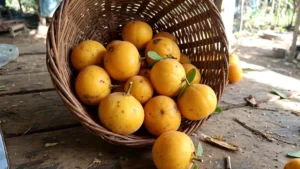
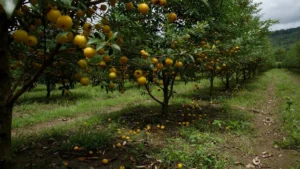
Pitanga is ribbed and bright red or orange, with a sharper, almost resinous bite. Grumixama is smooth, dark purple to near-black, and rounder in flavour. Jabuticaba grows straight from the trunk in black clusters, while grumixama hangs from the branches like an ordinary cherry. Our guide to jabuticaba farm retreats shows how different that harvest feels, even though both fruits come from the same forest.
The Atlantic Forest itself is the reason these farms matter. The forest has been cut into fragments over centuries, and the old fruit varieties survive largely on small farms like these. A stay here is a small vote for keeping the trees standing and the varieties alive.
The caveats that matter
The season is short, the fruit is fragile, and the farms are small. Most problems come from booking the wrong week or arriving without a plan for getting around.
| Detail | What is known |
|---|---|
| Best season | A few weeks, usually late spring into summer; confirm the dates in writing |
| Fruit shelf life | Hours, not days; eat it the day it is picked |
| Who should ask first | Anyone with a cherry or stone-fruit allergy; tell the farm before you arrive |
| Gluten | Farmhouse kitchens bake bread daily; tell them about wheat before you book |
| Getting there | Most farms need a car or a pre-booked transfer; public transport is thin |
| Weather | Rainforest coast means sudden rain; pack a light waterproof layer |
| What it does not do | A farm stay is not a resort; rooms are simple and evenings are quiet |
| Booking | Small farms, few rooms; book early in the harvest window and confirm the deposit terms |
Checklist: booking a grumixama farm escape honestly
Use these checks before you book, and again before you travel.
- Check the harvest dates in writing: ask which weeks the farm expects ripe fruit, and what happens if the season shifts.
- Check what meals are included: breakfast, lunch, and dinner are usually covered, but drinks and transfers often are not.
- Check the journey: confirm the drive time from the nearest town, and whether the farm can arrange a transfer.
- Check the room: ask for a photo of the actual room, not the farmhouse, and confirm whether it has a fan or air conditioning.
- Check the kitchen: tell the farm about wheat, gluten, and any allergy before you book, not after you arrive.
- Check the deposit: small farms have strict cancellation terms in harvest season, so read them before you pay.
Frequently asked questions
When is grumixama season?
Usually a few weeks in late spring into summer, shifting with rain and altitude. Coastal farms ripen first, plateau farms later. Ask the farm for its expected weeks in writing.
How is grumixama different from pitanga?
They are cousins in the same family, but pitanga is ribbed and bright red or orange, with a sharper bite, while grumixama is smooth, dark purple to near-black, and rounder in flavour. Pitanga also keeps longer on the tree, so its season is more forgiving.
Can I eat grumixama straight from the tree?
Yes, it is the best way to eat it. Wash it first if the farm asks you to, eat it the day it is picked, and spit out the seed. The fruit bruises easily, so pick gently.
Is a grumixama farm stay suitable for children?
Usually yes, if they enjoy being outdoors. The picking walks are gentle, the farms are safe, and children tend to love eating fruit straight from the branch. Check ages with the farm, though, because some terraces and steep rows are not suitable for small children.
What should I pack for a farm stay on the coast?
Light clothes you can get muddy, a waterproof layer for sudden rain, closed shoes for the orchard rows, sun protection, and insect repellent. A small day bag beats a large suitcase, because farm rooms are simple and storage is limited.
Do I need a car to reach these farms?
For most of them, yes, or a transfer arranged in advance. Public transport reaches the nearest towns, but the last stretch is a country road with no bus. Goldenberry farms face the same last-mile problem, as our guide to goldenberry farm retreats notes, so plan the transfer before you book the flights.
The bottom line
The best grumixama farm retreat in 2027 is not the grandest house or the closest to a city. It is the farm whose harvest weeks match your dates, whose kitchen cooks what the land gives, and whose host walks the rows with you. Pick the region that suits your travel style, confirm the season in writing, and book early: the farms are small and the fruit waits for no one.
Go for the fruit, stay for the quiet, and eat the cherries the day they are picked.