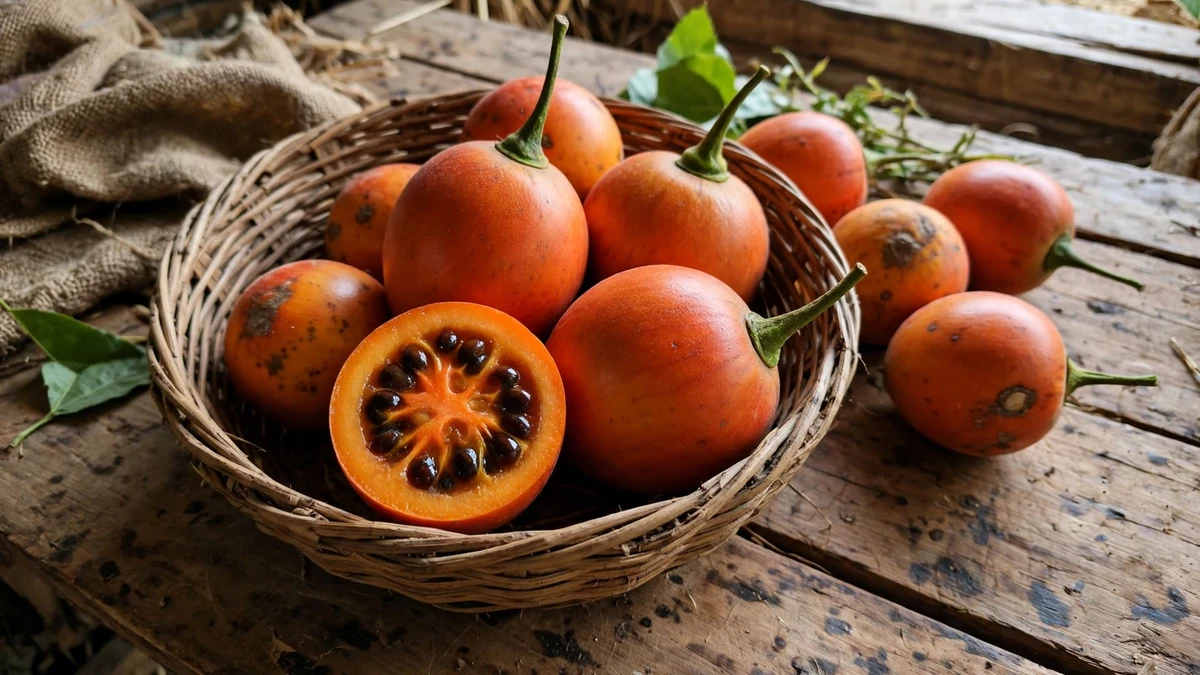

A cocona farm escape is not a holiday you can improvise. The fruit grows along rivers that rise and fall with the rain, the farms sit a boat ride from town, and the cooking needs to be booked, not hoped for. Plan it well and you will spend your days picking orange-red fruit, learning to cook it into sauces, and eating on a wooden deck while the river slides past. Plan it badly and you will arrive to find the harvest finished or the boat gone.
The planning itself is simple, once you know the order. Choose the river basin first, then the farm, then the boat, and only then the flights. Confirm the fruiting window in writing before you pay anything. Send the wheat and gluten note before you mention dates. Everything else follows from those first decisions.
This guide walks through the nine steps that make a cocona escape work, in order, with the mistakes to avoid at each stage.
Key takeaways
- Choose the river basin first, then the farm, then the boat, and only then the flights.
- Confirm the fruiting window in writing before you pay a deposit, because the season moves by basin.
- Book the boat transfer with the room, and keep a buffer day at each end for low water or rain.
- Send the wheat and gluten note in your first message, before you discuss dates or prices.
- Cocona is tart and acidic, so taste a small amount first if you have reflux, and never eat unripe fruit, which is pale and hard.
What a cocona farm escape actually is
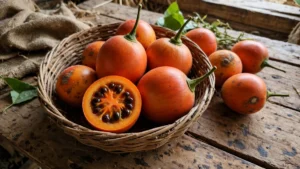
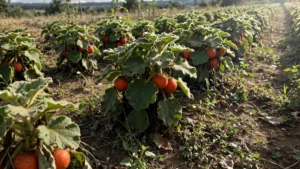
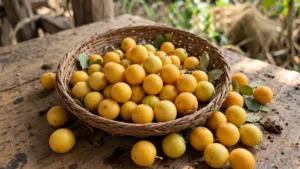
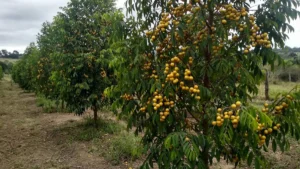
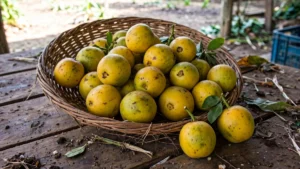
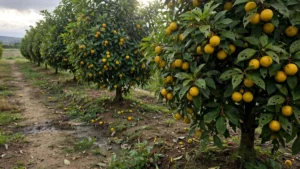
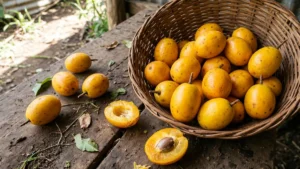
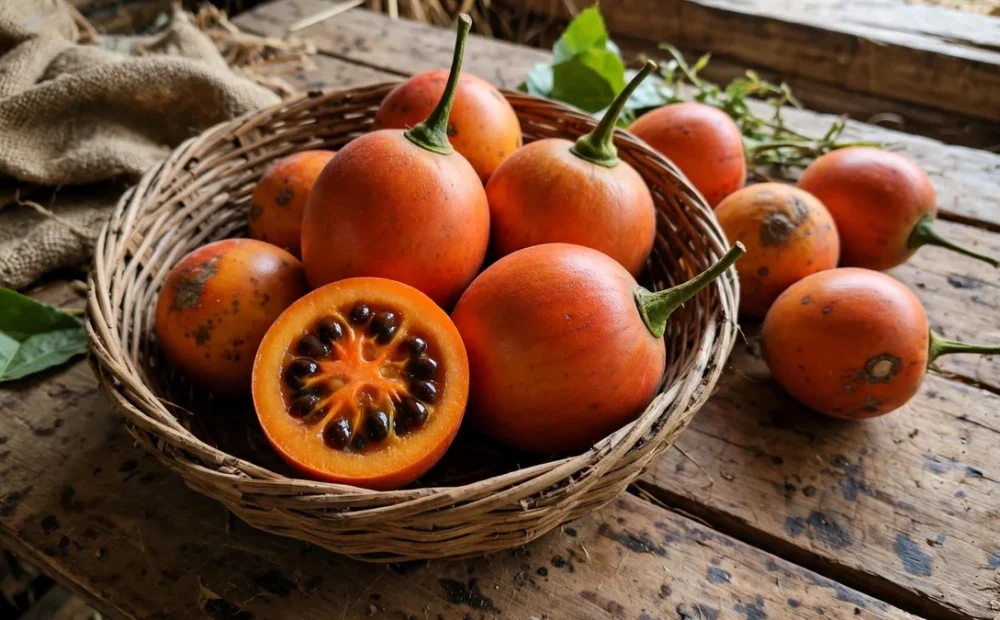
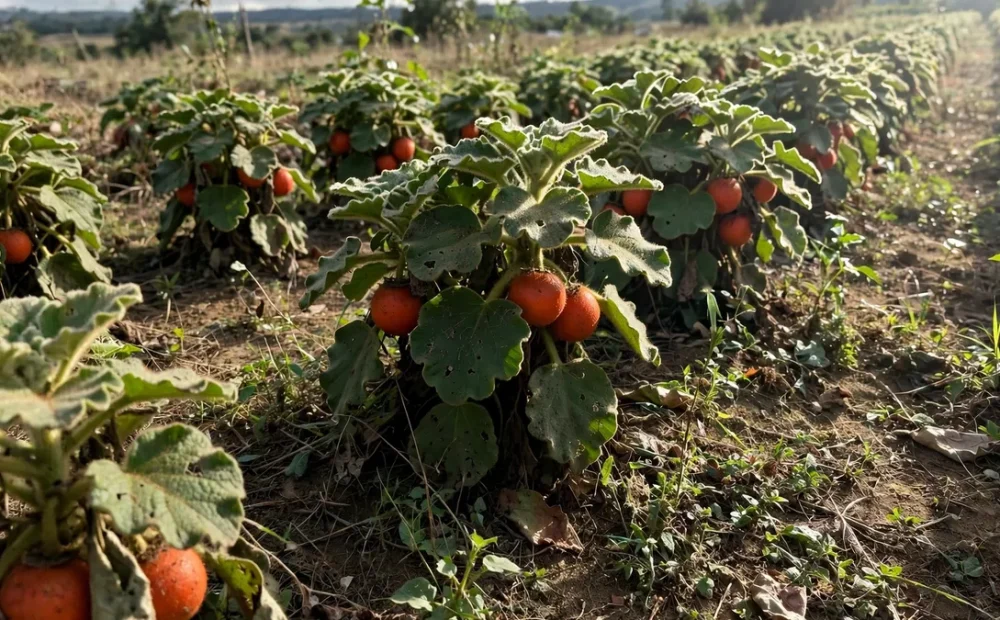
A cocona farm escape is a stay on a working Amazon farm where the fruit is grown, picked and cooked on the same land. Solanum sessiliflorum is a low shrub with large soft leaves, and its round orange-red fruit hangs within easy reach, so guests can join the harvest without climbing. The farm will usually have a sauce kitchen, a juice press, plots you can walk before breakfast, and river access for morning boat trips.
The cooking is what separates a cocona escape from a generic rainforest lodge. The fruit is too tart to eat raw in any quantity, so the farm cooks it: blended into a bright sauce with chilli and onion, stirred into fish soup, or pressed into a chilled juice. A good escape lets you stand in the kitchen, not just taste the result at dinner. If the farm only serves cocona at the table and never shows you how it got there, you are at a lodge, not a farm escape.
Most escapes run three to seven nights. Three nights is enough to learn the fruit and cook two sauces. Five to seven nights lets you see the harvest across several days, visit a market, and take a slow day with no boat.
How to plan the trip, and what to check first
Start with the season, not the farm. Cocona fruiting moves with the river basin, so farms near Iquitos and Manaus can be weeks apart in their harvest. Ask each farm for its fruiting months for your exact dates, in writing, before you compare prices. A cheap stay outside the fruiting window is a rainforest holiday with no cocona in it.
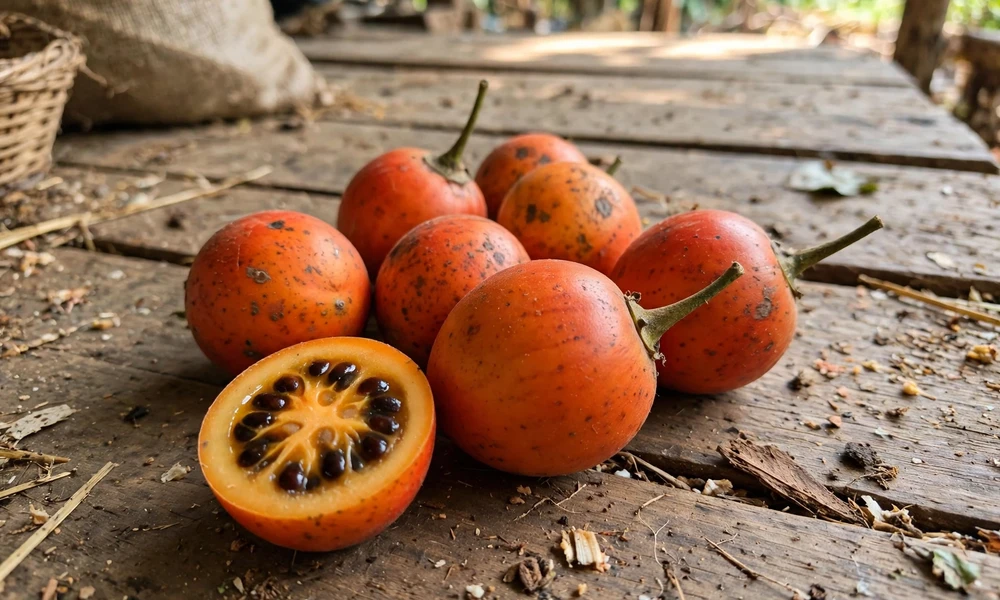
Next, check what the farm actually does with the fruit. Ask whether guests join the harvest, whether the sauce sessions are hands-on, and how many sauces you will cook. A farm that answers in detail cooks every day. A farm that answers vaguely cooks when guests ask, which usually means rarely. Our guide to planning a naranjilla farm escape uses the same check, because naranjilla is cocona’s closest relative.
Finally, check the practical frame: how you reach the farm, what the price covers, and how the farm handles food allergies. The boat transfer should be priced in advance with a named meeting point. Meals, walks, cooking sessions and the return boat should be listed as included or priced separately, with no surprises at the dock. And the wheat note goes in your first message, not your last, because a small kitchen needs time to plan.
The 9 steps to planning a cocona farm escape
Decide the basin, and the farm follows
What to do: Compare the basins: Iquitos and Leticia for easy river access, Tarapoto and Moyobamba for hillside farms, Manaus and Belém for big-river scale. What to avoid: Choosing a farm for its photos, without checking which river it sits on. Best for: Every traveller; the basin shapes the whole trip. Time needed: An evening of reading and one message to each farm. Standout tip: Ask each farm what is ripening on your dates, not just whether cocona is in season.
The basin decides your weather, transport, food and pace: Iquitos means boats and river mornings, Tarapoto means steep tracks and serious cooks, Belém means old markets and river-mouth flavours.
Confirm when the fruit ripens, in writing
What to do: Ask for the fruiting months, then for your exact dates, and keep both answers in writing. What to avoid: Trusting a general Amazon season from a guidebook. Best for: Anyone travelling more than a month ahead. Time needed: Two messages and a day of waiting. Standout tip: If the fruit is only “usually” ready on your dates, ask what happens if it is not.
Cocona does not fruit on a calendar. Rainfall shifts the season by weeks, and one valley can be a month ahead of the next. A farm that gives exact months and a late-harvest plan knows its own land; a farm that shrugs will serve bought-in fruit.
Book your boat while rooms are still free
What to do: Confirm the boat transfer, meeting point, time and price with the room booking. What to avoid: Booking flights and a room, then finding the only boat left that day at dawn. Best for: Travellers on tight schedules, and late arrivals. Time needed: One message, and an hour to match flights to boats. Standout tip: Ask for the boat operator’s name and number, not just “the farm will arrange it”.
The boat is the trip, and the part most likely to go wrong, because river schedules bend with water levels and weather. Book early for the morning departure, shaded seats and a driver who knows the farm.
Put the wheat note first, dates second
What to do: Put wheat, gluten and any allergy in the first line of your first message, and ask what will be served instead. What to avoid: Mentioning it at the table on your first night. Best for: Anyone with a wheat allergy, coeliac disease or strong gluten sensitivity. Time needed: Five minutes to write, a day for the reply. Standout tip: Ask for the answer in writing, and save it with your booking.
Cocona sauces are often served with bread, fried dough or thickeners, and a small farm kitchen cannot improvise a safe alternative at the table. A farm that hears early can plan a separate starch and a clean pan; a farm that hears late can only apologise.
Choose clothes you can get muddy
What to do: Pack light rain gear, closed shoes for mud, a dry bag for your phone, and clothes you do not mind staining. What to avoid: White clothes, open sandals, and a suitcase you cannot carry onto a boat. Best for: Everyone; the river does not care how you dressed for the airport. Time needed: An hour of packing the night before you fly. Standout tip: Pack a small cloth bag for markets, and spare dry socks in your day bag.
The Amazon is wet in ways that surprise first-timers. Rain arrives fast, paths turn to mud in minutes, and river spray finds every open bag. Closed shoes keep you upright, a dry bag keeps your phone alive, and a soft bag beats a wheeled suitcase on every boat and muddy path.
Cook the sauce first, then taste what you made
What to do: Book the sauce workshop for your first full day, so you understand the fruit before eating it daily. What to avoid: Leaving the cooking session to the last day. Best for: Food lovers, and anyone who wants to cook cocona at home. Time needed: Two hours for the workshop, plus an hour to write the recipe. Standout tip: Ask the cook to show ripeness first, then the sauce.
The sauce is the skill you take home. The workshop teaches you how ripe the fruit should be, how much chilli it needs, and how long it keeps. Do it on day one and every meal after it makes more sense.
Join the dawn harvest walk
What to do: Join the morning harvest walk, carry a basket, and pick fruit yourself. What to avoid: Sleeping through the harvest and seeing cocona only on a plate. Best for: Early risers, photographers, and anyone who wants to understand ripeness. Time needed: Ninety minutes, before breakfast. Standout tip: Taste one fruit at the picking basket, so the tartness is fresh when you cook.
Dawn is when the farm is at its best. The air is cool, the light is soft, and the fruit is firm from the night. Walking the plots shows you how the shrub grows and how farmers choose fruit, and gives you the morning’s best photographs.
Save one day for doing nothing
What to do: Leave one full day mid-stay with no boat and no timetable. What to avoid: Filling every day with trips until it feels like a tour. Best for: Stays of five nights or more, and families. Time needed: A full day, planned as nothing. Standout tip: Use it for the farm shop, a long lunch and a hammock afternoon.
A cocona escape is a farm stay, not a cruise, and the best memories usually come from the day nothing was scheduled. The free day is when you cook without a clock, talk to the farmers and actually rest.
Settle the bill the evening before departure
What to do: Settle the bill the evening before departure, check every charge, and keep the receipt. What to avoid: Leaving payment to the dock, with no signal, no card machine and a boat waiting. Best for: Everyone; river docks are the worst place to sort out money. Time needed: Twenty minutes, the night before. Standout tip: Carry cash for tips and markets, and ask which currency the market prefers.
Money is the one thing that can spoil an otherwise perfect last morning. The boat will not wait while you argue about a charge, the dock has no ATM, and the card machine needs a signal the river does not always provide.
When to go, and how long to stay
The best time to go is the middle of your farm’s fruiting window, not the start and not the end. Early in the season the fruit is still coming in and the farm may have only a few ripe shrubs. Late in the season the fruit is plentiful but soft, and the sauces turn sweeter and less sharp. The middle gives you the most fruit and the widest choice of sauces.
Stay length matters as much as timing. Three nights is the minimum: one day to arrive and settle, one full day to harvest and cook, one day to visit a market or take a river trip. Five nights is the sweet spot, adding a free day and a second sauce workshop. Seven nights suits slow travellers and families, who can settle into the farm rhythm. A pepino farm escape runs on the same shape, and the two trips pair well back to back for a longer Amazon food journey.
Book at least six weeks ahead for the popular basins, and eight weeks ahead if you need a specific room, a private sauce session, or a boat at a particular time. The farms are small, the good rooms go first, and the boats hold few passengers. Last-minute bookings can work in the low season, but you will take whatever room, boat and sauce session is left.
The caveats that matter
Cocona rewards planning, and it punishes improvisation. The fruit is tart and acidic, the rivers are unpredictable, and the farms are small enough that a missed message can change your whole trip. The table sets out the points that catch people out.
| Detail | What is known |
|---|---|
| Best booking window | Six to eight weeks ahead |
| Minimum stay | Three nights: arrive, harvest and cook, market trip |
| Fruiting check | Confirm the harvest window in writing before paying |
| Boat transfer | Book it with the room; confirm the meeting point and price in advance |
| Wheat and gluten | Tell the farm in your first message |
| Acid and reflux | Taste a small amount first, and skip it if your stomach objects |
| Cash | Carry cash for tips and markets; docks often have no signal and no ATM |
| What not to do | Do not eat unripe fruit, and do not leave payment to the dock |
If you have a wheat allergy, a stomach condition, or you take daily medication, tell the farm in writing before you book and ask for a written reply. A farm that answers clearly will look after you; a farm that does not answer is one to avoid.
Checklist: planning a cocona farm escape honestly
Use these checks in order, before you pay.
- Check the basin: choose the basin that matches your energy, then shortlist farms inside it.
- Check the fruiting window: confirm cocona is fruiting on your dates, in writing, before you pay.
- Check the boat: confirm the transfer, meeting point and price in the same message as the room.
- Check the food: send the wheat and gluten note in your first message and save the farm’s written answer.
- Check the kitchen: ask whether the sauce sessions are hands-on, and book the first for day one.
- Check the money: settle the bill the night before departure, and carry cash for tips and markets.
Frequently asked questions
How far ahead should I book a cocona farm escape?
Six weeks ahead for the popular basins, eight for a specific room, a private sauce session or a particular boat time. The farms are small and the boats hold few passengers, so the good combinations go early.
What should I pack for a cocona farm?
Light rain gear, closed shoes that handle mud, a dry bag for your phone, and clothes you do not mind staining. Add a small cloth bag for market purchases and spare dry socks in your day bag. Leave the wheeled suitcase at home; a soft bag is far more useful on a boat.
Do I need to speak Spanish or Portuguese?
It helps, but it is not essential here, where guides speak English. A few phrases still go a long way: the farmers appreciate the effort, and the market growers will show you more if you can greet them in their own language.
Can children join a cocona farm escape?
Yes, and children usually love it: picking fruit, pressing juice and cooking sauces are all hands-on. Keep the boat trips short, plan a free day in the middle, and tell the farm the children’s ages when you book, so the walks and kitchen sessions are pitched right. A guide to planning a tamarillo farm escape covers the same family questions, since the two trips share the same river routines.
What if the river is too low for the boat?
Ask for the farm’s low-water plan before you book. Usually a longer walk from a different landing, a smaller boat, or an extra night without a surcharge. Keep a buffer day at each end, and do not book a same-day flight home after a river transfer.
How much cash should I carry?
Enough for tips, markets and a day of small spending, in the local currency. The farm bill can usually be paid by card the night before departure, but the dock has no ATM, the market growers prefer cash, and the boat driver will not have change for a large note.
The bottom line
A cocona farm escape works when the planning is done in the right order: basin first, then farm, then boat, then flights, with the fruiting window confirmed in writing and the wheat note sent before anything else. Get those steps right and the rest takes care of itself.
Book early, keep a buffer day at each end, cook on your first full day, and keep one day free of boats. Do that, and you will come home with a sauce recipe and a flavour you will recognise for the rest of your life.