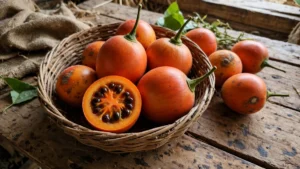
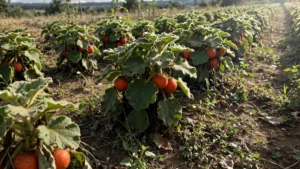
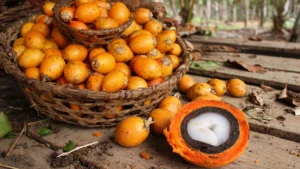
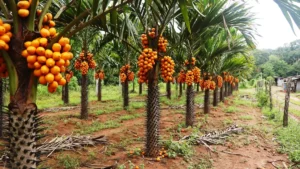
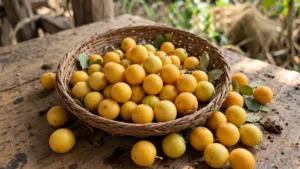
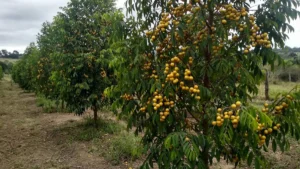
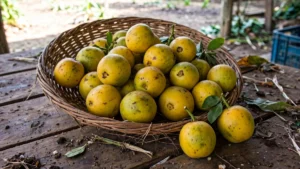
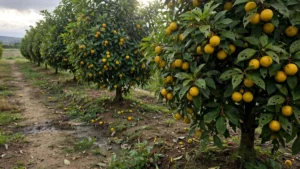
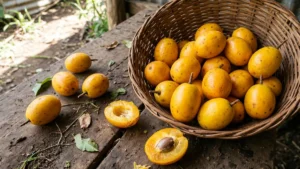
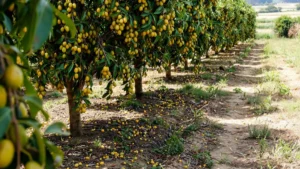
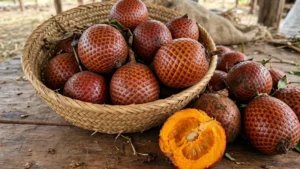
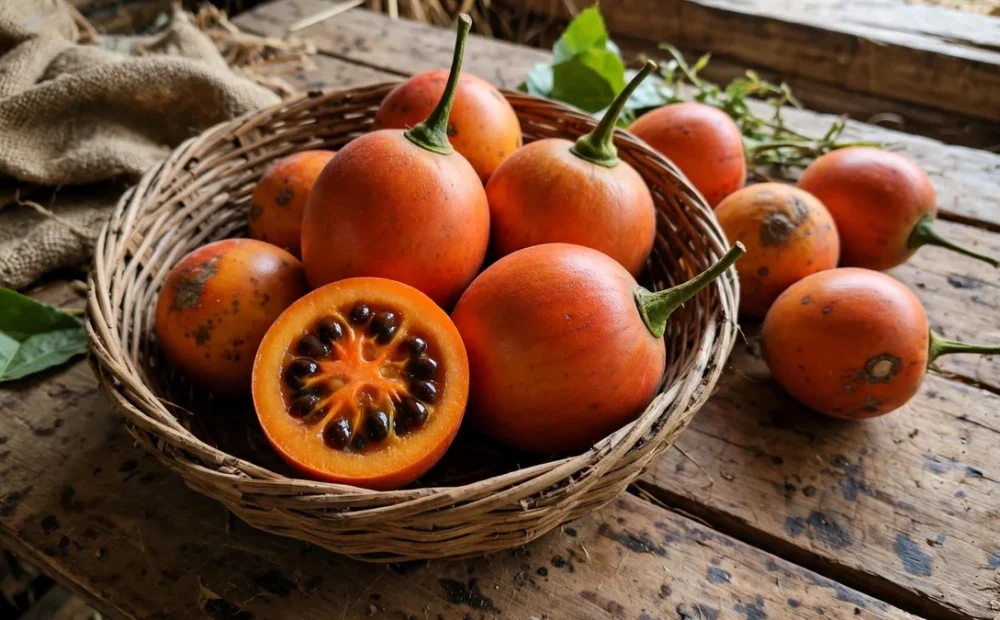
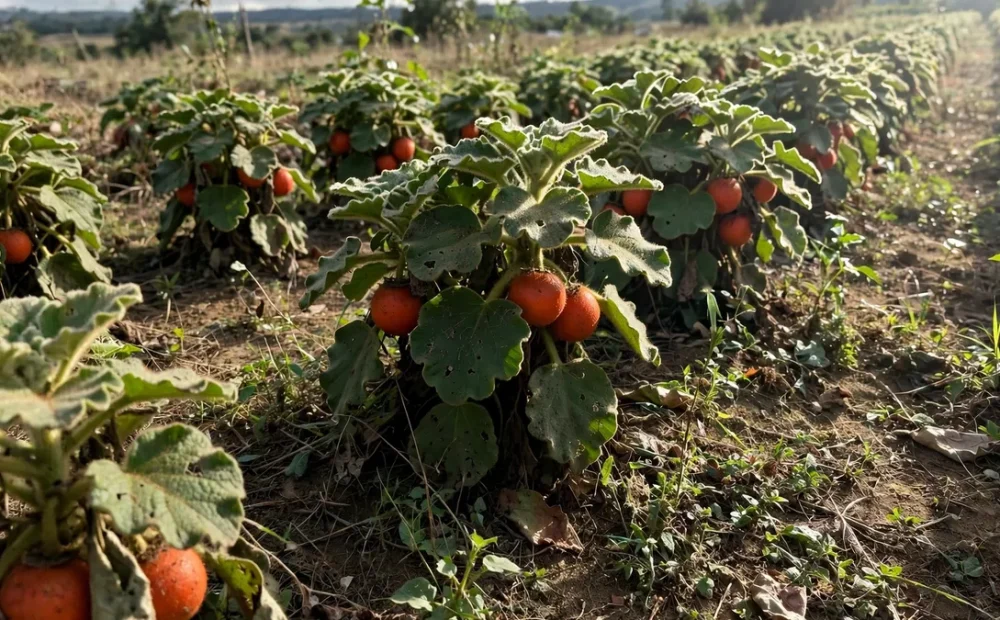
Cocona is the Amazon fruit almost nobody outside the river basins has tasted, which is exactly why a farm retreat built around it feels different from any other tropical stay. Solanum sessiliflorum grows as a low, broad-leafed shrub in Peru, Colombia and Brazil, and its fruit ripens to a round orange-red ball with a sharp, tart flavour that wakes up sauces and chilled juices. You find it in a riverside kitchen, cut open on a wooden board, going into a pot before lunch.
That kitchen is the point of the trip. Cocona is too sour to eat the way you would eat a mango, so a good retreat is not a bed near a grove. It is a working farm where someone shows you which fruits are ready, how to tell ripeness by colour and give, and what happens when the pulp meets heat, salt and chilli. The best stays pair that cooking with river mornings and forest walks, at a pace that lets you learn the fruit instead of just photographing it.
Below are nine luxury cocona farm retreats worth considering in 2027, from river lodges near Iquitos to sauce kitchens above Tarapoto, each described by what it does well and who it suits best.
Key takeaways
- Cocona is a round orange-red Amazon fruit with a sharp, tart flavour, cooked into sauces and juice rather than eaten raw.
- The fruiting season moves with the river basin, so confirm the harvest window for your destination before you pay a deposit.
- Choose a retreat with a working sauce kitchen and plots you can walk through, not just a lodge that serves the fruit at dinner.
- River travel is part of the journey, so allow buffer days for low water, heavy rain and slow boats.
- Cocona is acidic and very tart, so taste a small amount first if you have reflux or a sensitive stomach, and tell the farm about wheat and gluten in your first message.
What cocona is and why the cooking matters
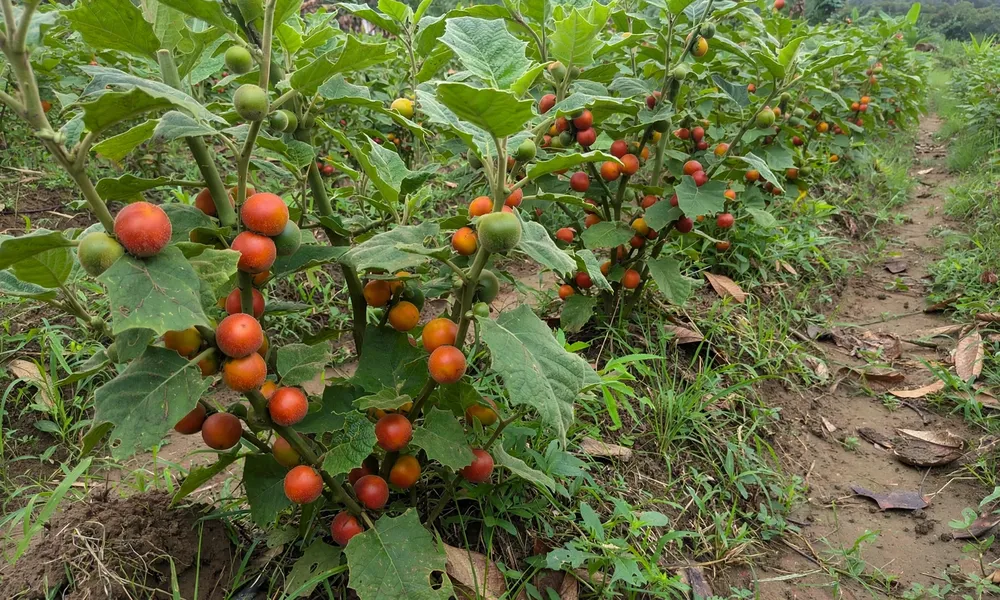
Cocona belongs to the nightshade family, and it is a close relative of naranjilla, though the two fruits are not the same. Naranjilla is rounder, greener when unripe and covered in fine hairs, while cocona ripens smooth and orange-red, with a firmer skin and a sharper sourness. The shrub is generous and a little unruly, with large soft leaves and fruit that hangs low enough to pick without a ladder.
In Amazon kitchens the fruit is treated as an ingredient, not a snack. The pulp is blended into a bright sauce with chilli and onion, stirred into fish soups, or pressed and sweetened into a chilled juice. Ripe fruit gives slightly when pressed; unripe fruit is pale, hard and far too sour.
That is why the cooking matters more than the room. A luxury cocona retreat earns its price with a kitchen you can stand in, a cook who explains each step, and plots you can walk before breakfast. The lodges below were chosen for that working-farm character first: a beautiful room with no cocona on the table is just a hotel in the forest.
How we chose these retreats and what to look for
We looked for farms that actually grow cocona, not lodges that buy it in: plots within walking distance, a harvest you can join, and a kitchen that cooks the fruit most days. We also looked for small guest numbers, honest pricing, and staff who can explain the fruit plainly, including what it is not — a sweet dessert fruit, and not the same as its relative, naranjilla.
Look next at how you get there and what the stay includes. Most cocona farms sit a boat ride from the nearest town, and the transfer is often the best part of the trip, but it should be priced in advance, not discovered at the dock. Ask whether meals, walks, the sauce session and the return boat are included, and what happens if the river is low. A good farm has an answer: a longer walk, a different landing, or an extra night without a surcharge.
Finally, look at the food beyond cocona. A farm that grows its own herbs, plantain and chillies feeds you far better than one that ships everything in, and it will be the farm most able to cook around a wheat or gluten problem, if you tell them in your first message. Kitchens that hear about dietary needs early can plan around them; kitchens that hear about them at the table cannot.
The 9 best luxury cocona farm retreats of 2027
Iquitos, Peru: river lodges with a sauce kitchen
What we like: Boats leave before sunrise, the plots sit near the rooms, and the sauce session runs every afternoon with fruit picked that morning. What to consider: Iquitos is reached by plane or a long river journey, and rain can delay the return boat. Best for: First-time Amazon travellers who want the full river experience. Style: Riverside lodge with open-air dining. Price range: From $340 a night, meals and guided walks included. Standout feature: A sauce kitchen where guests cook their own batch.
Iquitos makes a strong first cocona trip: mornings on the water, afternoons in the kitchen, fruit ripening within sight of your room.
Pucallpa, Peru: small farms on the Ucayali
What we like: Family-run farms, small guest numbers, and juice pressed from fruit picked the same hour. What to consider: The road from town is rough after rain, and English is less common here. Best for: Travellers who prefer a quiet farm to a busy lodge. Style: Family farmhouse with garden rooms. Price range: $260 to $390 a night, with meals and farm walks included. Standout feature: A dawn juice pressing where guests taste the pulp at every stage.
Pucallpa suits people who want to slow down. The farms are small, the day follows the harvest, and you will likely eat with the family and learn more in one afternoon than a week of reading.
Tarapoto, Peru: hillside plots and serious cooks
What we like: Cooks who treat cocona as a serious ingredient, hillside plots with a view, and sauces that change with the season. What to consider: The farms sit up steep tracks, so the walk to the plots is steep. Best for: Cooks who want to make the sauce themselves. Style: Hillside farm stay with a teaching kitchen. Price range: $310–$470 a night, cooking sessions included. Standout feature: A two-hour sauce workshop ending with a tasting of four cocona sauces.
Tarapoto is where cocona becomes a craft. The cooks talk about ripeness the way bakers talk about flour, and the workshop shows the difference between sauce from fruit picked yesterday and an hour ago.
Moyobamba, Peru: orchid country and quiet mornings
What we like: Cool mornings, orchid gardens beside the cocona rows, and a calm farm rhythm. What to consider: The town is small and the stays are simple, with fewer luxury extras. Best for: Couples who want a gentle, romantic farm stay. Style: Garden farmhouse with orchid walks. Price range: Between $240 and $360 per night, breakfast and walks included. Standout feature: Breakfast served in the orchid garden with fresh cocona juice.
Moyobamba is the softest landing here: cooler air, slow mornings, and cocona plots beside orchid beds that make the walk itself worth the trip.
Tingo María, Peru: rainforest edge and waterfall walks
What we like: Waterfall walks in the morning, cocona cooking in the afternoon, and rainforest that feels close without feeling wild. What to consider: Rain is frequent, paths get muddy, and the drive from the nearest city is long. Best for: Active travellers who want walks as well as food. Style: Rainforest-edge lodge with guided trails. Price range: $280–$410 a night, walks and meals included. Standout feature: A waterfall trail that ends at a farm lunch built around cocona sauce.
Tingo María pairs the fruit with movement: walk in the morning, cook in the afternoon, and lunch tastes better because you earned it. Groups stay small, so the trails never feel crowded.
Leticia, Colombia: three borders and river markets
What we like: A market town where three countries meet, river trips at dawn, and cocona sold by growers who know every variety. What to consider: Leticia is remote and flights are limited, so allow a spare day for delays. Best for: Curious travellers who love markets and river culture. Style: Town-edge farm lodge with market visits. Price range: From $300 a night, market tour and meals included. Standout feature: A guided dawn market visit where you buy cocona directly from the growers.
Leticia adds a layer no other stop has: the market. You meet the growers, hear how they choose fruit, and carry your purchase back to the farm kitchen.
Manaus, Brazil: deep Amazon scale and river kitchens
What we like: Big-river scale, serious river kitchens, and cocona served in more ways than anywhere else here. What to consider: Manaus is hot and humid, and the best farms are a long boat ride away. Best for: Travellers who want the grandest version of the Amazon. Style: River lodge with a large open kitchen. Price range: $350–$520 a night, boat transfers and meals included. Standout feature: A river-kitchen dinner where cocona appears in five different dishes.
Manaus does everything at Amazon scale, including the food. The river is wide, the forest is deep, and the kitchens cook cocona into sauces, soups, drinks and desserts every day.
Belém, Brazil: river mouth flavours and old markets
What we like: Old markets, river-mouth cooking traditions, and cocona dishes you will not find upriver. What to consider: The city is busy and the farm stays sit outside town, so plan transfers carefully. Best for: Food travellers who want the coastal end of the Amazon story. Style: Farm stay near the river mouth with market days. Price range: $270 to $400 a night, with breakfast and one market trip included. Standout feature: A market-day cooking class built around cocona and river fish.
Belém shows the other end of the river, where Amazon cooking meets the Atlantic. The markets are old and loud, the cooks are generous, and the cocona dishes taste different from the ones upriver.
Yurimaguas, Peru: slow river days and honest farms
What we like: Slow days, honest prices, and farms where guests are treated like visitors. What to consider: Yurimaguas is far from the main tourist routes, and the lodges are simple. Best for: Slow travellers who want to stay a week and settle in. Style: Simple riverside farm with long stays. Price range: $220–$330 a night, meals and farm walks included. Standout feature: A week-long stay option with a different cocona dish every day.
Yurimaguas is the quietest stop here, and that is its charm. You pick fruit, you cook, you eat, you watch the river, and by the third day you understand why the farmers never left.
Which cocona retreat fits your trip
First-time visitors should start with Iquitos or Leticia. Both have reliable transport, guides used to first-timers, and farms close enough to town that a delayed boat is an inconvenience rather than a crisis.
Food-focused travellers should look at Tarapoto, Manaus and Belém. Tarapoto is the best place to learn the sauces, Manaus serves the widest range of cocona dishes, and Belém shows how the fruit changes at the river mouth. A pepino farm stay makes a good second trip, since pepino is mild and sweet and balances cocona’s sharpness.
Slow travellers and couples should consider Moyobamba and Yurimaguas, where gentle days reward a longer booking. Active travellers will be happiest in Tingo María and Pucallpa, where walking and river time are built into every day. Book the farm that matches your energy, not the one with the glossiest photos.
The caveats that matter
Cocona is a wonderful fruit to cook with, and a fruit that demands respect. It is tart, acidic and strong, and a retreat that pretends otherwise is not being honest with you. The table below sets out the practical points to check before you book.
| Detail | What is known |
|---|---|
| Best season | Fruiting moves by river basin; confirm the harvest window for your farm before paying |
| How to tell ripeness | Deep orange-red colour, skin that gives slightly when pressed, a faint sharp smell |
| Eating it raw | Possible in small amounts, but most farms cook it into sauces and juice |
| Acid and sensitive stomachs | Taste a small amount first; people with reflux should go slowly |
| River travel | Boats can be delayed by low water or heavy rain; allow a buffer day |
| Wheat and gluten | Tell the farm in your first message; sauces are often served with bread or fried dough |
| What the price covers | Ask whether meals, walks, cooking sessions and boat transfers are included |
| What it does not do | It is not a sweet dessert fruit, and it is not the same fruit as naranjilla |
If you take stomach-acid medication, or you have a wheat allergy rather than a preference, say so in writing before you book and ask what will be served instead. A good farm answers clearly.
Checklist: booking a cocona farm retreat honestly
Use these checks before you pay a deposit, and again a week before you travel.
- Check the harvest window: confirm cocona is fruiting at your farm on your dates.
- Check the kitchen: ask whether guests cook in the sauce sessions or only watch.
- Check the transfers: confirm the boat price, the meeting point and the low-water plan in writing.
- Check the food plan: send the wheat and gluten note in your first message, and ask what is served instead.
- Check the group size: ask how many guests share the farm, the walks and the kitchen.
- Check the packing list: light rain gear, closed shoes for muddy paths, and a small bag for market fruit.
Frequently asked questions
What does cocona taste like?
Sharp, tart and bright, between a green tomato and a passion fruit. It is rarely eaten on its own because the sourness is strong, but cooked into a sauce with chilli, onion and a little salt, it becomes fresh and lively, and very good with fish and chicken.
Can you eat cocona raw?
You can, in small amounts, if it is fully ripe. Most people find it too sour to enjoy raw, and the farms on this list cook it instead. A small taste at the picking basket is the best way to understand it before you cook.
When is cocona in season?
It depends on the river basin. Some farms fruit for much of the year, others have a clear peak, and the timing shifts with rainfall. Ask your farm for its fruiting months before you book, and do not rely on a general Amazon season.
How do I reach a cocona farm?
By plane to a river city, then by boat. Iquitos, Leticia, Manaus and Belém are reached by air, and the farm transfer is normally a boat of one to four hours. Confirm the price and meeting point in writing, and keep a buffer day for delays.
Is cocona the same as naranjilla?
No. They are relatives in the same genus, Solanum, but they are different fruits. Naranjilla is rounder, greener when unripe and covered in fine hairs, while cocona ripens smooth and orange-red with a sharper sourness. A farm that grows both will show you the difference, and our tamarillo farm retreats guide covers another tart tree fruit often confused with both.
Is cocona safe if I have a wheat allergy?
The fruit itself contains no wheat, but the sauces are often served with bread or fried dough, and farm kitchens are small. Tell the farm about the allergy in your first message, ask what will be served instead, and get the answer in writing before you pay.
The bottom line
The best luxury cocona farm retreat in 2027 is not the one with the grandest lodge. It is the one with a working sauce kitchen, plots you can walk, and a cook who lets you taste the fruit at every stage, from the picking basket to the finished sauce. Iquitos and Leticia are the easiest first trips, Tarapoto is the best place to learn the cooking, and Yurimaguas rewards anyone willing to slow down for a week.
Pick the farm that matches how you travel, confirm the harvest window and the boat transfers in writing, send the wheat note early, and leave a buffer day at each end. Do that, and cocona stops being a fruit you have never heard of and becomes a flavour you look for on every Amazon menu.