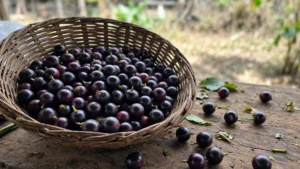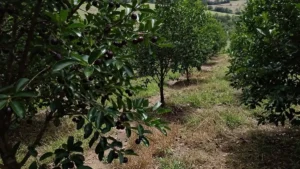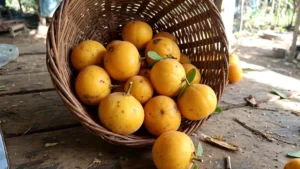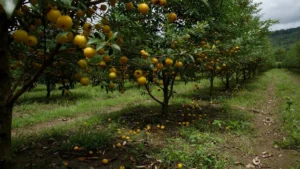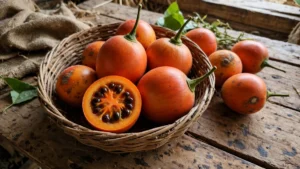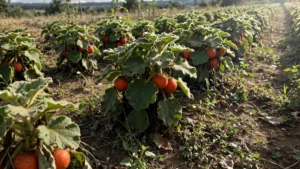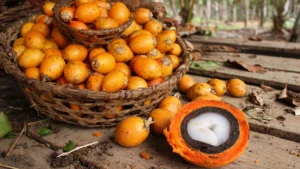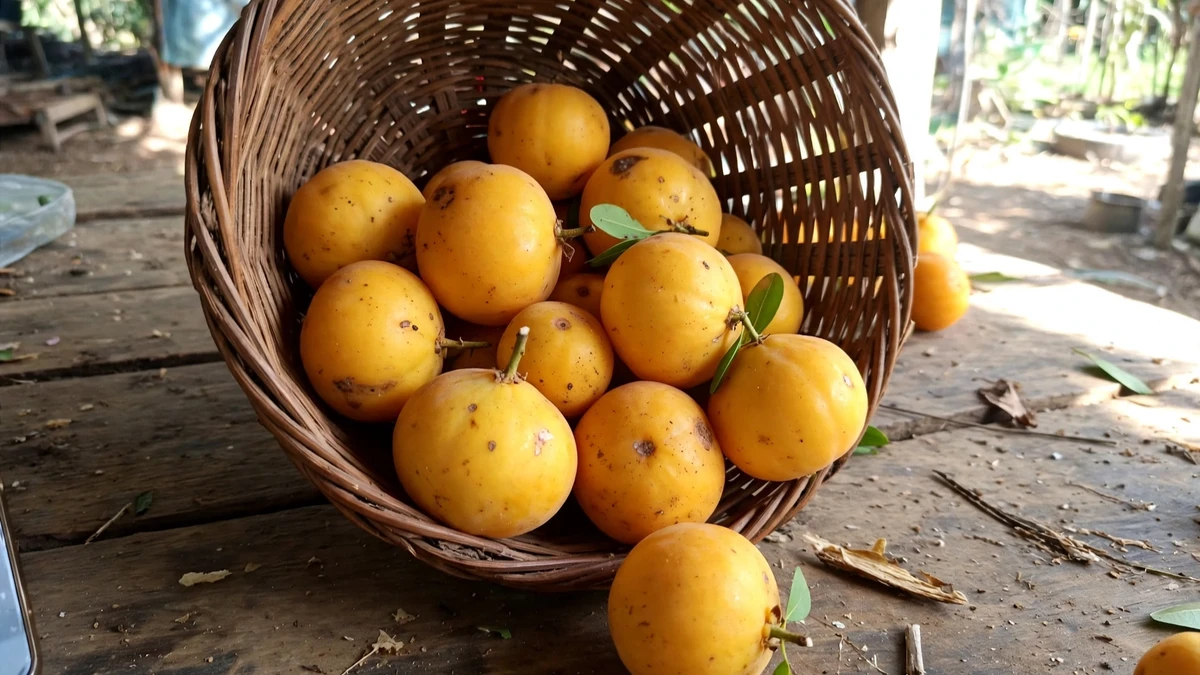
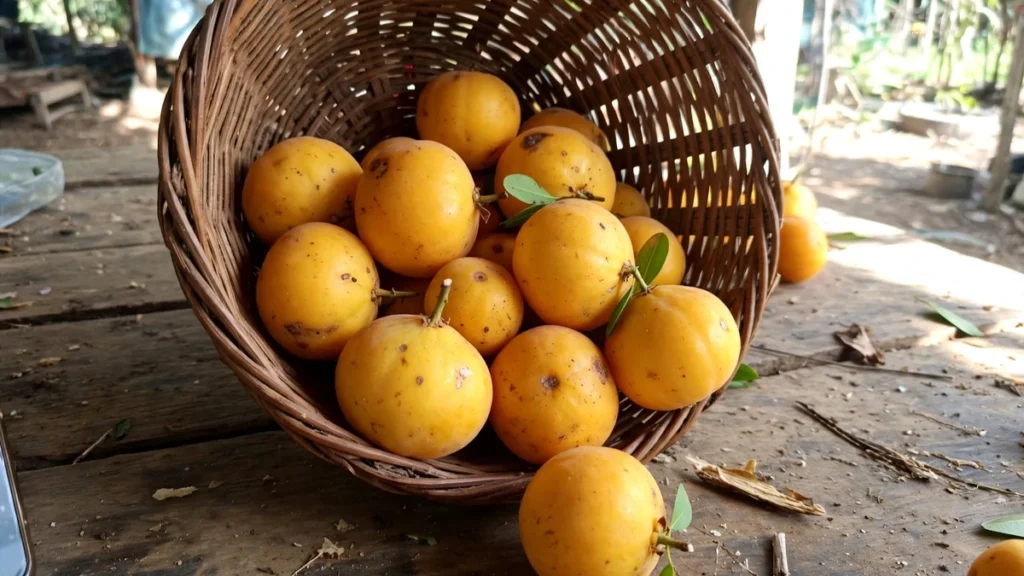
Planning an uvaia farm escape is a small job, but it is worth doing properly, because the fruit ripens for a short window and the best farms have only a few rooms. Uvaia is a small yellow fruit from southern Brazil, so tart that it is pressed into juice, cooked into jelly, or churned into ice cream rather than eaten raw. The farms that grow it are small and family-run, in the hills and valleys of Paraná, Santa Catarina and Rio Grande do Sul, and a good stay is built around the harvest: a morning walk through the rows, a kitchen that works with what was picked, and a table where everyone eats together.
The trip suits travellers who like slow days and real food. You will find an orchard, a farmhouse, a host who knows the fruit, and a day shaped by the weather and the harvest. That is the charm, and it is also why the planning matters: the dates, the road, the room and the meals all need checking before you pay.
This guide walks through the nine steps, from choosing the region to settling the bill the night before you leave. Follow them in order, get the answers in writing, and the trip will be as simple as the fruit is sharp.
Key takeaways
- Uvaia ripens in the warm months, roughly December to March, and the harvest window is short, so the dates matter more than the price.
- Choose the region first, then the farm, and ask about the season, the room, the meals and the road before you pay.
- Most farms are small and family-run, with shared meals and an orchard walk included, but a car or a transfer is often extra.
- Book early, and get the harvest dates, the price, and the cancellation terms in writing.
- Uvaia is very tart, so taste a little before a lot, and tell the farm about wheat or gluten before you book, so the kitchen can plan your meals safely.
What an uvaia farm escape involves
An uvaia farm escape is a stay on a working orchard where the fruit shapes the day. You wake early, walk the rows while the fruit is still cool, and pick a basket with the host. The morning harvest goes to the kitchen, where it becomes juice for breakfast, jelly for lunch, or ice cream for the evening. The rest of the day is yours: a walk in the hills, a book on the veranda, a drive to a nearby town, or a second visit to the orchard as the light changes.
The rooms are farmhouse rooms, simple and comfortable, with a view of the trees and a bathroom with hot water. The meals are shared, cooked by the host family, and built around what the land gives that week. You will eat well, and you will eat what is in season. If you want a menu you can choose from, or a restaurant you can book, a city hotel will suit you better. Here the menu is the harvest.
The trip is best in the warm months, when the fruit is ripe and the days are long. Southern Brazil can still be cool in the morning, even in summer, so the early walk needs a warm layer, and the midday sun needs a hat. The farms are rural, the roads are country roads, and the nearest town can be an hour away. That distance is part of the quiet, and it is also why the planning in this guide matters.
How to plan it, and what to check first
Start with the season, not the farm. Ask when the fruit ripens in the year you are travelling, and pick dates inside the peak, not at its edges. A farm can be full of fruit one week and finished the next, and a stay booked a week too late is a stay with no harvest. Once you have the dates, choose the region: Curitiba and Londrina for an easy first trip, Maringá and Blumenau for food, Florianópolis and Joinville for the coast, Porto Alegre and Caxias do Sul for a longer stay, Ponta Grossa for open country.
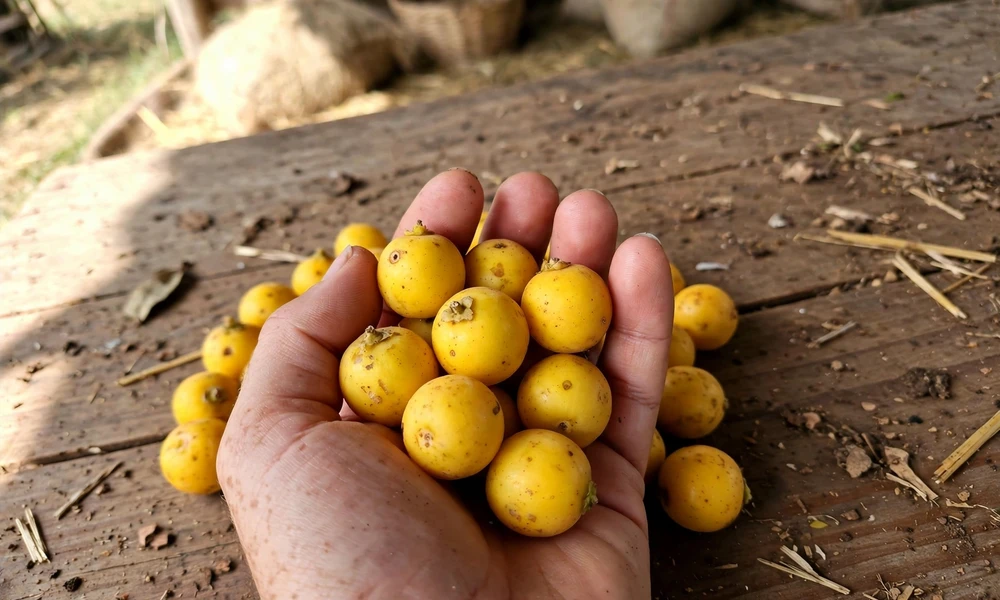
Then check the farm itself, before you pay. Ask what the price covers, room, meals, orchard walks, and any cooking sessions, and ask whether a car or a transfer is included. Ask for a photo of the actual room, and ask about hot water and heating. A farm that answers plainly, in writing, is usually a farm that runs well. If you have planned a muruci farm escape before, our guide on how to plan a muruci farm escape in 2027 follows the same order of questions, and it works just as well here.
The 9 steps to plan an uvaia farm escape
Choose the region before you choose the farm
What to do: Pick the part of southern Brazil that suits your trip, then look for farms inside it, rather than falling for a single photograph.
What to avoid: Booking a farm in a region that does not suit you, then discovering the coast, the city or the hills are hours away. Best for: Every traveller, because the region sets the whole trip. Time needed: An evening of reading, before you contact any farm. Standout tip: Match the region to the reason you travel, food, coast, quiet, or a long slow stay.
Confirm the ripening dates in writing
What to do: Ask the farm for the ripening dates in the year you are travelling, and get the answer in writing before you pay.
What to avoid: Trusting a general season, or a date from a previous year, because the harvest moves with the weather. Best for: Anyone travelling for the harvest itself. Time needed: A single message, with a reply in a day or so. Standout tip: Book inside the peak, not at its edges, because the window is short.
The fruit ripens in the warm months, roughly December to March, but a farm can finish quickly. A written date protects you, and it tells you the farm takes the harvest seriously.
Sort the journey while rooms are still free
What to do: Plan how you will reach the farm, and book the car or the transfer at the same time as the room.
What to avoid: Arriving at the nearest town and finding no car, no bus, and a farm an hour away on a country road. Best for: Travellers who do not drive, and anyone arriving by air. Time needed: An hour of planning, once the farm is chosen. Standout tip: Ask the farm about the road, and whether a transfer is available and what it costs.
Tell the kitchen about wheat before you talk dates
What to do: Tell the farm about wheat, gluten, or any allergy in your first message, before you discuss dates or prices.
What to avoid: Mentioning a dietary need on arrival, when the kitchen has already planned the meals. Best for: Anyone with a wheat or gluten concern, and anyone with an allergy. Time needed: One sentence in your first message. Standout tip: Ask what the meals include, and what the kitchen can change for you.
A small farm kitchen can cook around wheat and gluten, but only if it knows in advance. Put the note first, and the meals will be planned with you in mind.
Pack for a cold morning and a warm midday
What to do: Pack a warm layer for the early walk, a hat for the midday sun, and shoes you can get muddy.
What to avoid: Packing only summer clothes, then shivering through the morning walk, or wearing good shoes into a wet orchard. Best for: Anyone walking the rows at first light. Time needed: Ten minutes at home, before you pack. Standout tip: A light jacket and sturdy shoes are worth more than a second outfit.
Join the harvest, then taste what you picked
What to do: Walk the rows with the host in the morning, pick a basket yourself, and taste the fruit in the kitchen that same day.
What to avoid: Skipping the harvest and only tasting the finished juice, because the walk is the best part of the stay. Best for: First-time visitors, and anyone who likes to learn by doing. Time needed: A morning, from sunrise to the midday meal. Standout tip: Taste one raw fruit first, so the juice and the jelly make sense.
The harvest is gentle work, and it is the part most guests remember. Pick in the morning, taste at lunch, and you will understand the fruit in a way no photograph can teach.
Keep one day for the valley around the farm
What to do: Leave a day free for the valley, the town, or the coast near the farm, instead of filling every hour with the orchard.
What to avoid: Planning every day around the fruit, then feeling you missed the place itself. Best for: Stays of three nights or more. Time needed: A day, with no plan beyond a walk and a meal. Standout tip: Ask the host where they go on their day off, and go there.
Save an evening for the farm table
What to do: Keep one evening free for a long dinner at the farm table, with the host family and the other guests.
What to avoid: Eating out every night, and missing the meal that the farm does best. Best for: Anyone who travels for food and company. Time needed: An evening, from sunset to the last coffee. Standout tip: Ask what the host is cooking that night, and let the kitchen decide.
Settle the bill the evening before you leave
What to do: Ask for the bill the evening before departure, check it line by line, and settle it then, so the morning is calm.
What to avoid: Leaving the bill to the morning of departure, when the car is waiting and the host is busy. Best for: Every traveller, because a calm departure is worth an evening of care. Time needed: Twenty minutes, the evening before you go. Standout tip: Check the extras, cooking sessions, transfers, and wine, before you pay.
Picking the right season and region
The warm months, roughly December to March, are the season for uvaia, and the fruit is at its best in the middle of that window. Book inside the peak, and ask the farm for the dates in the year you are travelling, because the harvest moves with the weather. A stay booked a week too early is a stay with green fruit, and a stay booked a week too late is a stay with no harvest at all.
Choose the region to match the trip you want: Curitiba and Londrina for an easy first trip, Maringá and Blumenau for food, Florianópolis and Joinville for the coast, Porto Alegre and Caxias do Sul for a longer stay, and Ponta Grossa for open country. A mangaba farm escape follows a similar seasonal logic, and our guide on how to plan a mangaba farm escape in 2027 is a useful comparison if you are choosing between the two fruits.
The caveats that matter
Uvaia is very tart, and the harvest is short, so taste a little raw fruit before you eat a lot, and let the juice, jelly and ice cream do the work. Children usually love the juice and the ice cream. Anyone with a sensitive stomach should go gently, and anyone with wheat or gluten concerns should tell the farm before booking, so the kitchen can plan safely.
| Detail | What is known |
|---|---|
| Best season | Warm months, roughly December to March, with the peak in the middle of that window |
| How long to stay | Three to five nights, so you get the harvest, a free day, and a farm-table evening |
| How to get there | Often by car, as many farms are an hour from the nearest town on a country road |
| What the price covers | Usually the room, meals and the orchard walk; cooking sessions and transfers are often extra |
| What to pack | A warm layer for the morning walk, a hat for midday, and shoes you can get muddy |
| Who should taste with care | Children, and anyone with a sensitive stomach, because the fruit is very sharp |
| Gluten and wheat | Tell the farm in your first message, so the kitchen can plan your meals safely |
| What it is not | It is not muruci, though both are small yellow fruits; the species and the flavour are different |
Check the cancellation terms before you pay, and ask what happens if the harvest is early or late. Get the answer in writing. A farm that answers plainly is usually a farm that runs well, and a written answer protects you if the season shifts.
Checklist: before you book an uvaia farm escape
Use these checks before you pay, and again a week before you travel.
- Check the ripening dates: ask the farm for the dates in the year you are travelling, in writing.
- Check what the price covers: room, meals, orchard walks, cooking sessions, and transfers, in writing.
- Check the journey: ask how far the farm is from the nearest town, and whether a car or a transfer is included.
- Check the room: ask for a photo of the actual room, and ask about hot water and heating.
- Check the kitchen: tell the farm about wheat, gluten, or any allergy in your first message.
- Check the cancellation terms: ask what happens if the harvest is early or late, and get the answer in writing.
Frequently asked questions
How far ahead should I book an uvaia farm escape?
As early as you can, and at least two to three months ahead in the warm season. The farms are small, with only a few rooms, and the harvest window is short, so the best stays book out early. If you are travelling in the peak, book as soon as the farm confirms its dates.
Can I visit an uvaia farm outside the harvest season?
You can, but the trip is different. The farm, the food and the valley are still there, but there is no harvest to join and no fresh fruit in the kitchen. If the fruit is the reason you travel, book inside the warm months, roughly December to March.
What should I pack for an uvaia farm stay?
A warm layer for the morning walk, a hat for the midday sun, and shoes you can get muddy. The mornings can be cool even in summer, the orchard can be wet after rain, and the days are spent outdoors, so comfort matters more than style.
Is uvaia safe for children?
Yes, in the usual forms. The juice, jelly and ice cream are popular with children, and the orchard walk is easy. The raw fruit is very tart, so let children taste a little first, and keep the juice and ice cream as the main event.
Do I need to speak Portuguese at an uvaia farm?
It helps, but it is not essential. Many hosts speak a little English, and a few words of Portuguese go a long way. Learn the basics, hello, thank you, and the words for the fruit and the food, and the stay will be warmer for it.
How much will an uvaia farm escape cost?
Most stays run from $55 to $165 a night, with meals usually included. Add a car or a transfer, and a little extra for cooking sessions or wine pairings, which are often priced separately. A pitanga farm escape sits in a similar range, and our guide on how to plan a pitanga farm escape in 2027 shows the same kind of pricing for a comparable small-fruit harvest.
The bottom line
An uvaia farm escape is a simple trip, done well: choose the region, confirm the ripening dates in writing, sort the journey, tell the farm about wheat or gluten first, and pack for a cold morning and a warm midday. Join the harvest, taste what you picked, keep a day for the valley, save an evening for the farm table, and settle the bill the night before you leave.
Book inside the harvest window, get the answers in writing, and travel in the warm months, roughly December to March. The fruit is sharp, the farms are small, and the rooms are few, but a well-planned stay gives you an orchard, a kitchen, and a table full of people who know the fruit by name. That is the trip in full, and it is worth every bit of the care you put into it.