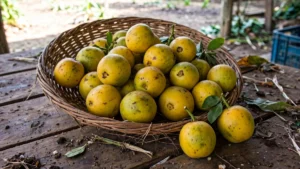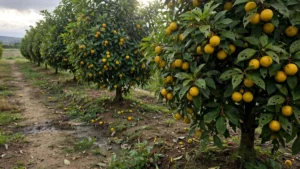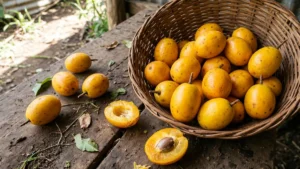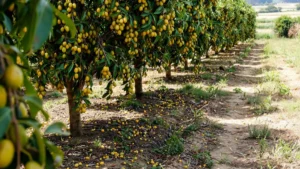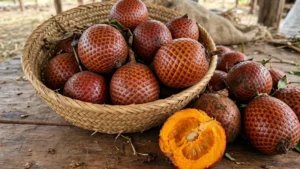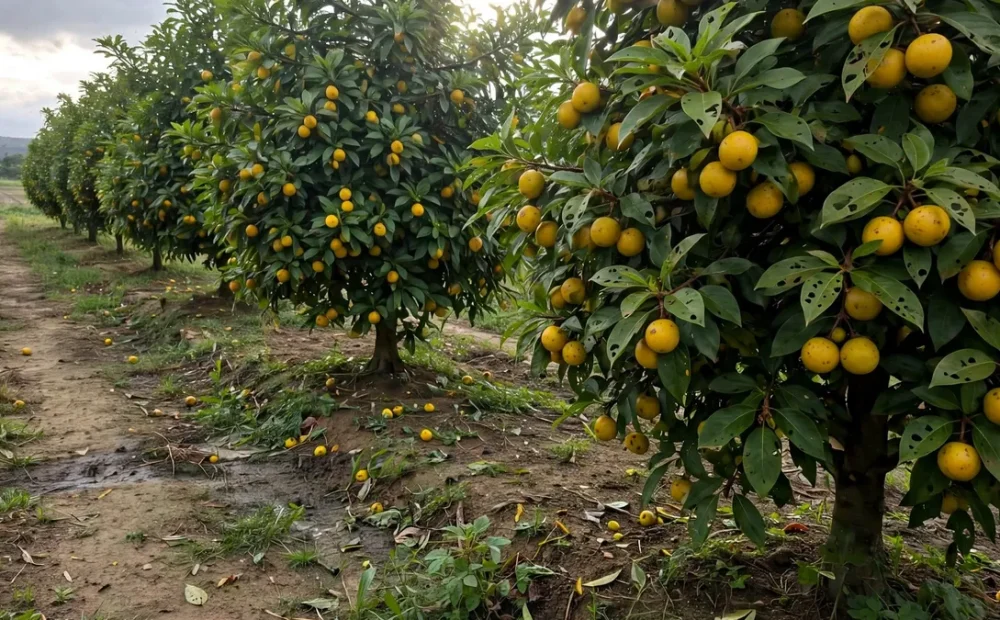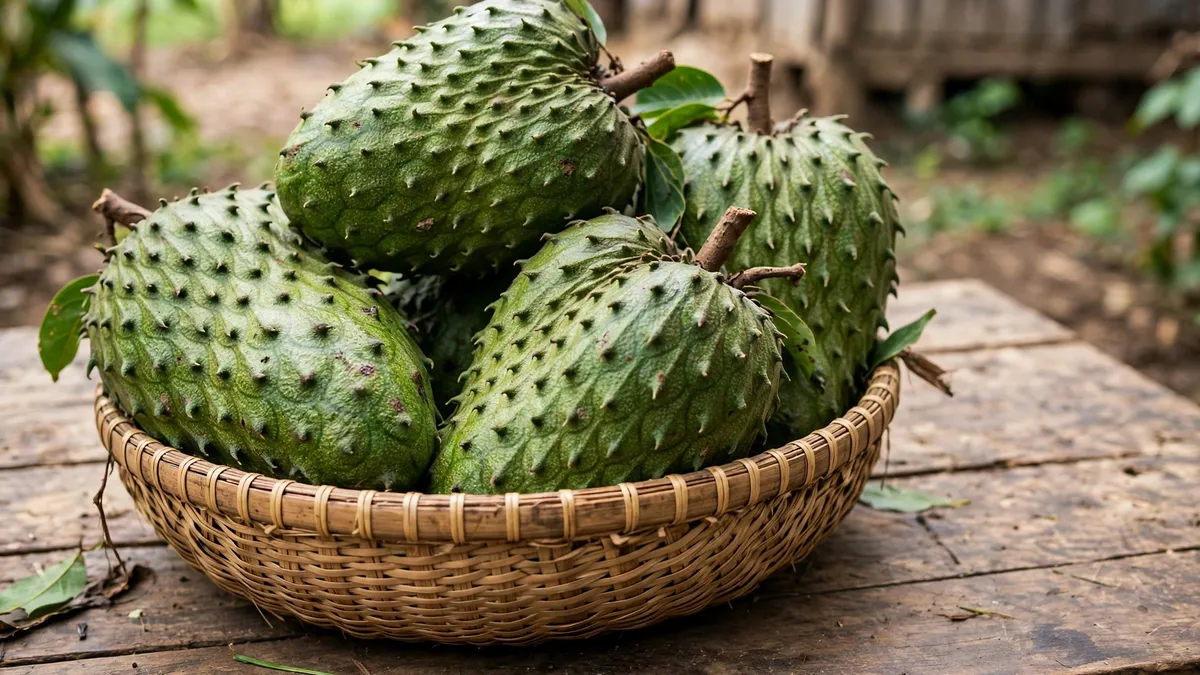
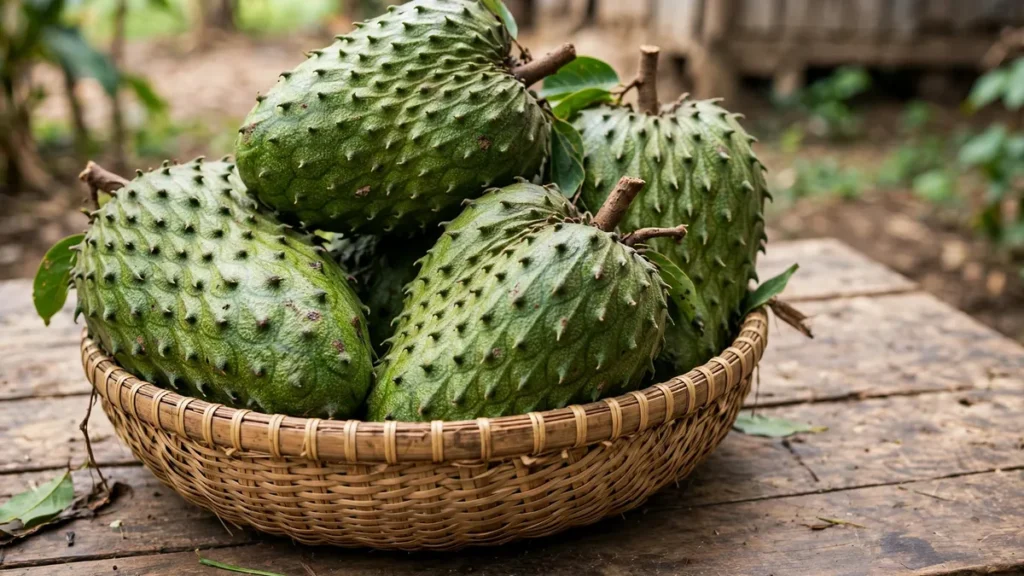
A soursop farm escape is a short trip organised around one heavy green fruit. You sleep beside the orchard, you walk the rows in the morning, and you eat fruit that was on the tree an hour earlier. No hotel with a fruit theme does this; only a working orchard with rooms does, and the ripening decides how the day runs.
The fruit is the whole reason to go, and the whole reason to plan carefully. Soursop ripens one fruit at a time, it softens within hours of picking, and the finest specimens never reach a shop, because the farm puts them on the table the morning they come down. Time it well and you will taste soursop as it is meant to be; time it badly and you will look at green trees.
Nine steps carry the trip from vague idea to booked room: finding the season, choosing a region, asking the right questions, and packing for the orchard. Take them in order and the farm does the rest, mostly.
Key takeaways
- Soursop ripens fruit by fruit and the season is brief, so the picking dates decide the whole trip.
- The same orchard can look bare one week and generous the next, because the trees fruit in bursts.
- An orchard walk and a tasting usually come with the room, while meals, lifts, and juice-making are often charged on top.
- The fruit has no gluten, but farm kitchens bake bread and cakes each morning, so raise a wheat allergy in your first message.
- Get the picking dates in writing before paying for flights, because an open farm is not the same as a bearing farm.
What a soursop farm escape involves
Two or three nights on a working fruit orchard, usually in a plain room at the edge of the trees. Dawn brings a walk through the orchard, a basket of fruit, and breakfast with the soursop still cool from the morning. Rooms are simple, the garden is shared, and the host is generally the person who planted the trees.
After breakfast the day slows down. A juice session in the kitchen, a walk to the farm gate stall, a drive into town for supplies — and evenings are quiet, with the kitchen cooking from whatever came off the trees that day. It suits people who like their food to come from the orchard they are standing in. Most stays run two or three nights, which is enough to learn the orchard, eat well, and carry pulp home. The fruit is the timetable here, not the clock.
People new to farm stays do well here: the farms are small, the hosts welcome guests, and the fruit needs no explaining. Families with older children do well too, provided everyone can handle early mornings and sticky hands. Nightlife, quick service, and a packed daily programme are not on offer. Our guide to planning a guava farm escape runs on the same idea: pick the farm that cooks with its own crop, and the trip mostly looks after itself.
How to plan it, and what to ask first
Season first, destination second. The trees fruit in bursts through the warm months, and the peak slides with the country. Jamaica and the Dominican Republic pick across much of the year, heaviest after the rains. Costa Rica and Panama gather through the wet season, while Queensland picks as the northern farms rest.
Then work out what the price includes. Orchard walk, tasting, and juice session are three different things, and some stays charge for each one separately. Find out whether breakfast comes with the rate, whether the garden is shared, and whether the host speaks a language you can manage. A farm that spells out every charge before you book is usually a careful one. The guide to planning a passion fruit farm escape ends on the same note: get the inclusions in writing before the photographs win you over.
The 9 steps to plan a soursop farm escape
Start with a glass from a roadside juice cart
What to do: Order a glass of fresh soursop juice from a market cart and drink it slowly, deciding whether you like it sweet or sharp. A glass costs little and teaches more than any photograph. The flavour you prefer points to the region: cooler ground means sharper fruit, warmer ground means sweeter. What to avoid: Picking a region from photos alone, without knowing if you like the fruit sharp or sweet. Best for: Travellers who have never tasted farm soursop. Time needed: An afternoon at a market. Standout tip: Try the juice and the fresh pulp together if the cart offers both, because the two taste different.
Settle the harvest fortnight, then buy the tickets
What to do: Write to each farm for its picking dates, and only then book flights that land a day before the picking starts. The trees bear for a few weeks at a stretch, and the finest fruit comes in the middle of the flush. What to avoid: Paying for flights before you know the fruiting dates, because gates can be open while the trees hold nothing ripe. Best for: Travellers whose dates can move around. Time needed: An afternoon of messages. Standout tip: Aim for the middle of the flush, when the fruit is softest and sweetest.
Follow the kitchen that presses fruit every morning
What to do: Find out what each region makes with its fruit: juice in Jamaica, ice cream in St. Lucia, smoothies in Costa Rica, shakes in the Philippines. Choose the kitchen that excites you most, and the scenery follows. A farm serving its own fruit at every meal is doing the real work; a farm buying its pulp in is not. What to avoid: Choosing a region for the view and finding a kitchen that never presses its own fruit. Best for: Food-first travellers. Time needed: An evening of reading. Standout tip: Ask what the farm served for breakfast yesterday, and judge it by the answer.
Find out if guests can climb up with the pickers
What to do: Ask whether guests can join the morning picking, and whether the farm lends out baskets or does the picking itself. Some farms welcome guests among the trees; others keep picking to the crew, because the trees are tall and the fruit bruises at a touch. What to avoid: Assuming you can pick, then finding the orchard closed to guests on arrival. Best for: Travellers who want to join in, not just watch. Time needed: A note before you book. Standout tip: Find out what time the crew starts, and set the alarm for it.
Ask for the bedroom that overlooks the orchard
What to do: Ask for a room looking over the trees instead of the car park, and get it in writing. The view is part of the trip, and rooms facing the orchard go first. What to avoid: Accepting whatever room is left and waking to a blank wall. Best for: Travellers who want the farm just outside the window. Time needed: Ten minutes when booking. Standout tip: A room at the far end of the orchard is quieter than one by the gate.
Sort out flour safety before you send money
What to do: Put any wheat or gluten allergy in your first message, and ask what the kitchen will cook for you. The fruit has no gluten, but farm kitchens bake bread and cakes each morning and flour gets everywhere. What to avoid: Leaving it until the first night’s dinner, when the kitchen has already done its baking. Best for: Wheat-allergy travellers. Time needed: A short email before paying anything. Standout tip: Ask the kitchen how it keeps flour off your plate, and listen hard for a real answer.
Dress for thorns, heat and wet paths
What to do: Pack closed shoes, a hat, long sleeves, and gloves for the picking basket. The spines prick, the midday sun is strong, and the paths turn to mud after rain. What to avoid: Turning up in sandals and short sleeves, then spending the morning scratched and sunburnt. Best for: Anyone planning to pick. Time needed: An evening of packing. Standout tip: Pack a light layer for evenings, because the air cools fast after sunset.
Follow the cook out before the sun is up
What to do: Go with the cook on the early market run, and see what the farm buys in that it does not grow. Stalls open at dawn, the best produce goes first, and the cook will tell you what is ripe. What to avoid: A lie-in that costs you the market, since stalls shut by noon. Best for: Early risers and food lovers. Time needed: A single early morning. Standout tip: Take cash, because the small stalls seldom take cards.
Carry home tubs of pulp, not armfuls of fruit
What to do: Buy sealed tubs of frozen pulp and jars of soursop jam in the farm shop, and pack them with care. The pulp keeps for months, while fresh fruit bruises on the journey and rarely arrives in one piece. What to avoid: Loading a basket with fresh fruit at the gate and finding it squashed and leaking when you land. Best for: Travellers wanting the trip to last past the drive home. Time needed: A quarter-hour in the farm shop. Standout tip: Watch the farm seal the tubs, and check the lids before packing.
Picking the right season and region
For the deepest flavour, head to Jamaica, where the trees are a working crop and the basket reaches the table at every meal. For the most dramatic setting, take the Dominican Republic, where the orchard stands in red soil beneath a wide sky. For the softest, sweetest fruit, choose Costa Rica, where the shade runs deep and the harvest comes heavy. The trees fruit in bursts, so one week the orchard looks generous and the next it looks bare. Jamaica suits a first trip too, because the hosts welcome guests and the fruiting window runs long. The Philippines suits travellers who want the longest window, because the trees there fruit across more months than anywhere else on this list.
First-timers do best in Jamaica: the farm knows guests, the season is generous, and the kitchen cooks with the fruit every day. Ask the host directly when the trees will be bearing, and book a room that faces the orchard. The rest mostly looks after itself. Our guide to the jackfruit farm escape ends on the same advice: choose the farm that cooks with its own crop, and the rest of the trip looks after itself.
The caveats that matter
Soursop farm escapes are lovely, and they can also disappoint. The fruit keeps its own calendar, the farms lie far from town, and the stays worth booking are the ones that say so plainly. If a farm promises fruit on every date of the year, it is promising something no orchard can keep.
| Detail | What is known |
|---|---|
| Best time to visit | The warm months, when the trees are bearing; the window moves by country |
| How ripe fruit looks | Green fading toward yellow, soft to the press, with spines that bend rather than prick |
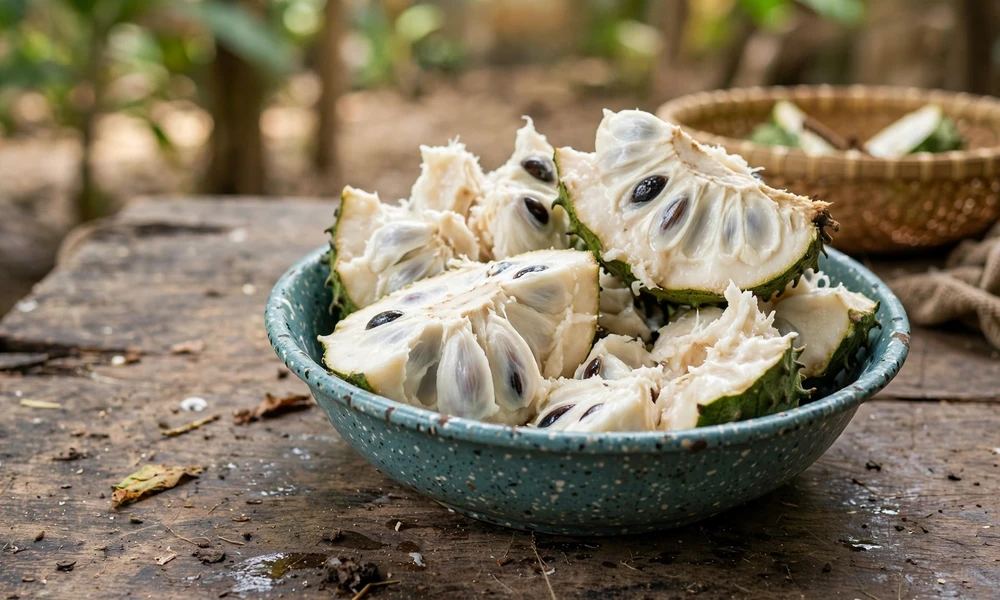
| What the fruit is like | Soft white flesh, sweet and tart at once, eaten with a spoon or pressed into juice |
| What is usually included | Room and breakfast plus an orchard walk or tasting; juice-making and transfers often cost extra |
| Who should go | Slow travellers, food lovers, and families with older children |
| Who should think twice | Anyone after nightlife, quick service, or a full daily programme |
| Transfers | Usually an hour or more from the closest airport; book the lift before you arrive |
| What is not guaranteed | Fruit on your dates; the crop leans on weather, season, and the tree’s own rhythm |
The fruit itself carries no gluten, but the kitchen bakes bread and cakes each morning, so work out how it keeps flour off your plate. The fruit softens fast once picked, so eat it the day it comes down and carry frozen pulp home instead of fresh fruit. Before booking, weigh the practical side too if you have a health condition, are expecting, or travel with small children: how far the nearest clinic is, when the farm last sprayed, and whether the paths suit little feet.
Checklist: before you book a soursop farm escape
Work through these before you pay, then again in the week before you travel.
- Find out about the fruiting first: will the trees be bearing on your dates, or just open?
- Find out what the rate covers: orchard walk, tasting, meals, lifts, and which cost extra.
- Find out about the airport run: how long it takes, and whether the farm sends a car.
- Find out which way the bedroom faces: orchard or garden, and whether it has shade, a fan, or air conditioning.
- Find out how the orchard is grown: how big it is, whether it is organic, and when it was last sprayed.
- Find recent guests: people who travelled in the same season you plan to.
Frequently asked questions
How long should a soursop farm escape last?
Two or three nights is enough. Day one is for settling in and walking the orchard, day two for picking and juice-making, day three for the market run and the drive home. Longer stays suit travellers who want to slow down further, but the fruit keeps for days, so there is no need to linger for the fruit alone. Shorter stays work too, if you arrive the day the picking starts.
Do you need a hire car for a soursop farm?
Usually, yes. The farms sit an hour or more from the closest airport and the local buses run thin. A small car lets you roam the valley and get to the market before dawn. If the farm sends a car, you can skip it — but get the lift in writing before you book.
Can guests pick soursop from the trees?
Most growers are glad to have guests in the rows with them, so long as you check before you set out. Some lend guests a basket for a few fruit, while others keep the picking to the crew, because the trees are tall and the fruit bruises at a touch. Mention it when you book, and wear long sleeves, because the spines prick.
What is the difference between soursop and cherimoya?
They are cousins in the Annona family, but different fruit. Soursop is large and spiky, with soft white flesh that is sweet and tart, while cherimoya is smaller and scaly, with creamy flesh that tastes of custard. Soursop grows in the hot lowlands of the Caribbean and Latin America, while cherimoya prefers the cooler Andean highlands.
Is a soursop farm escape suitable for children?
For older children, yes — children who can manage early mornings and sticky hands. The picking is hands-on and the juice-making is fun, but the orchard is wide and the paths are rough, so small children need watching. Ask the farm about a cot, and whether the paths suit small feet.
How do gluten-free travellers eat safely on a soursop farm?
Bring it up when you book. The fruit itself is gluten-free, and the rice dishes are usually safe. The risk is the bread and cakes baked each morning, so ask the farm how it keeps flour off your plate, and only pay once the answer sounds real.
The bottom line
A soursop farm escape suits travellers who want their food to come from the tree beside them, and who are content to let ripening set the day. The fruit is fragrant, the season generous, and the best farms pick it, serve it fresh, and press the rest into juice without fuss.
Choose the region for what matters most to you: the parish hills of Jamaica, the misty valley of Costa Rica, or the tropical north of Queensland — and take the frozen pulp home sealed, not the fruit itself. A sealed tub of pulp will outlast any photograph. Come hungry, and leave with pulp in the freezer.