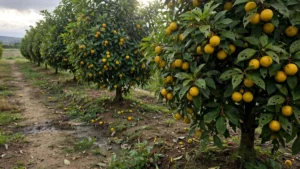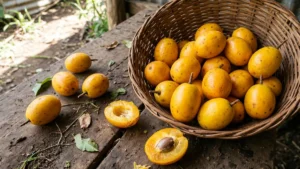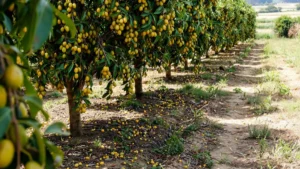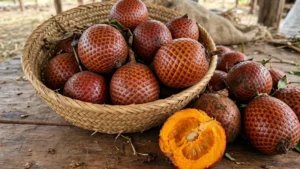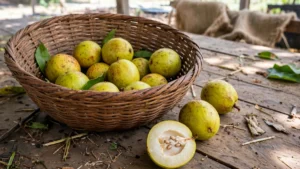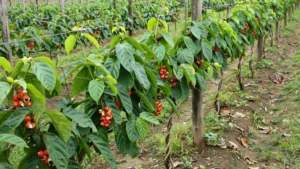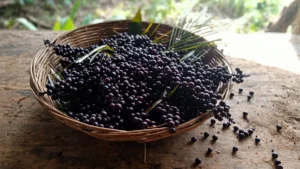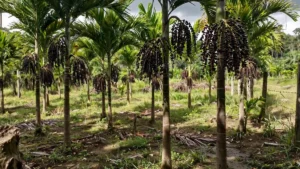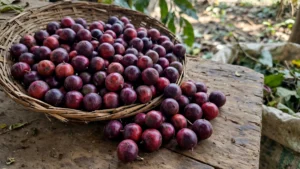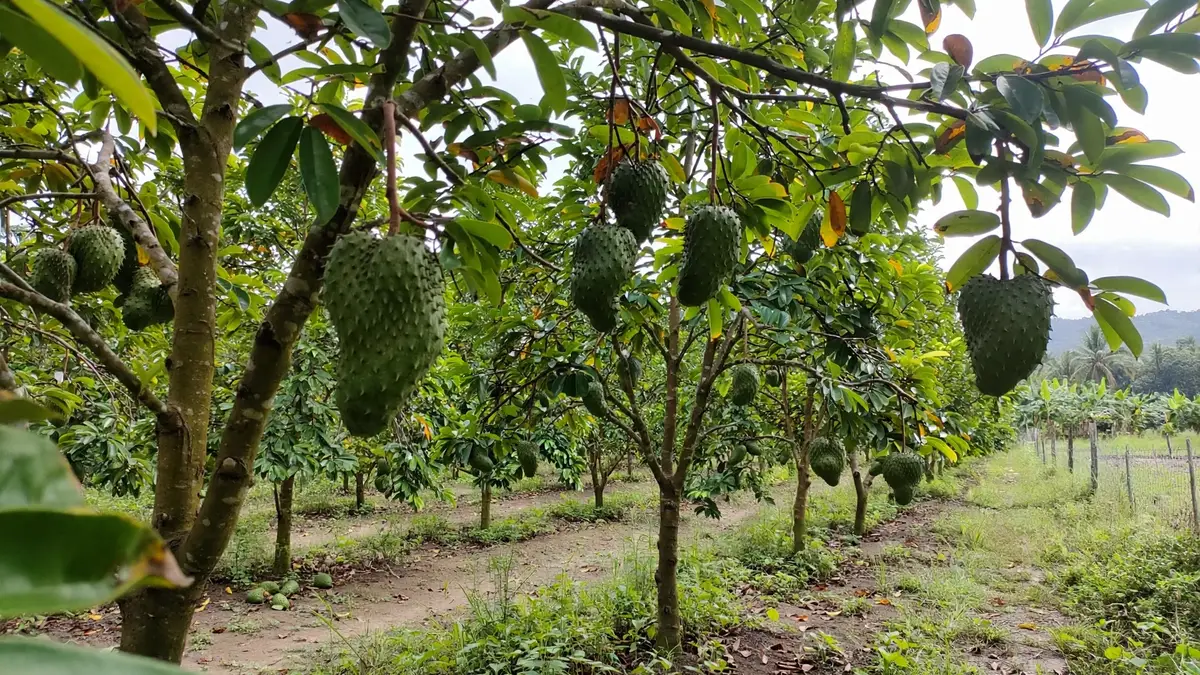
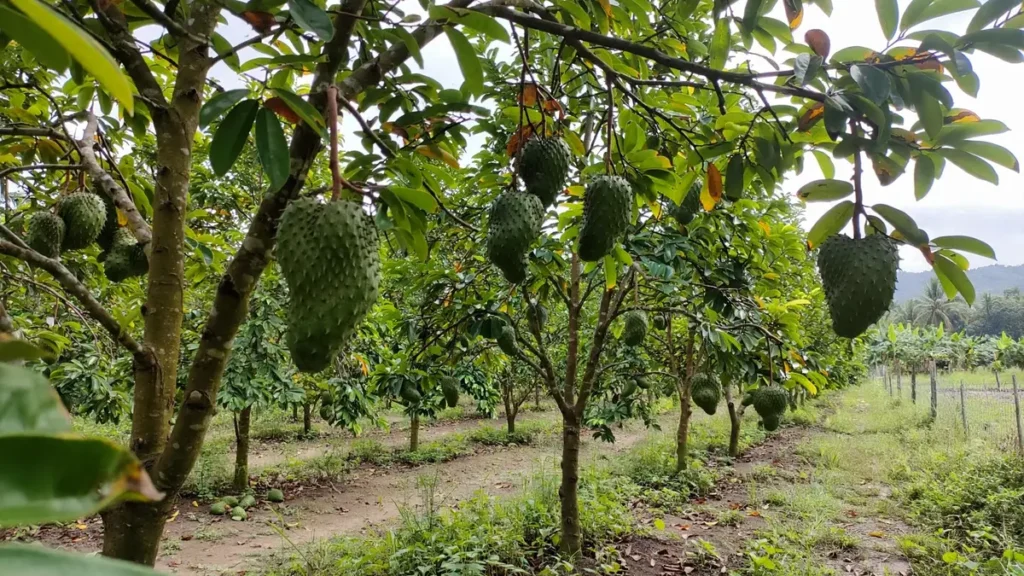
A soursop tree gives little away from a distance. Broad leaves, a low canopy, and then, hanging underneath, a heavy green fruit covered in soft spines — a shape that looks more like a pine cone crossed with a melon than anything you would expect to eat with a spoon. Crack the skin and the inside is white, soft, and fragrant, sweet with a sharp edge, the kind of flavour that makes you pause mid-bite.
Because the fruit turns to mush within a day of picking, the only place to eat a truly ripe soursop is within walking distance of the tree it grew on. That is the whole logic of a soursop farm stay: the orchard is the larder, the kitchen works with whatever came down that morning, and the guest eats fruit that would never survive a lorry ride.
The nine stays below run from Jamaica’s parish hills to a small tropical orchard in Queensland, and each one is weighed the same way — what it does well, where it falls short, and the traveller it suits best.
Key takeaways
- Soursop ripens fruit by fruit, not all at once, so a farm that looks bare on Monday can be heavy with fruit by Friday.
- Ripeness shows in the skin: green fading toward yellow, a gentle give under the thumb, and spines that bend when you press them.
- The fruit bruises if you look at it wrong, which is why the farms worth visiting grow it on the spot rather than buying it in.
- An orchard walk and a tasting usually come with the room, while meals, lifts, and juice sessions are often charged on top.
- Wheat is the quiet risk: the fruit has no gluten, but farm kitchens bake every morning, so tell the farm about an allergy before you book.
What a soursop farm retreat actually is
Think of it as a bed inside an orchard rather than a hotel with fruit trees. The trees are the working crop, the rooms sit at the orchard’s edge, and the day is organised around ripening: the host checks the trees at dawn, the kitchen plans breakfast around what is ready, and guests fit in between.
What separates it from an ordinary farm stay is how much of the day the fruit occupies. Juice at breakfast, pulp in the afternoon ice cream, a spoonful of fresh fruit after dinner — the soursop turns up in nearly everything the kitchen makes, and the farms that do it best never let the fruit leave the property.
Rates vary more than the photographs suggest. A working orchard with plain rooms charges for the bed and little else; a polished guesthouse inside the same kind of orchard charges for comfort and service. Both can be worth the money, but they are different trips, and the price usually tells you which one you are looking at. The same warning holds in our guide to luxury guava farm retreats: read the inclusions before the pictures persuade you.
How we picked these stays, and what to ask first
The test was simple: does the farm grow its own soursop, does it let guests into the orchard, and does it say honestly when the trees are bare? A stay that failed any of those three did not make the list.

Season comes before destination. The trees fruit in bursts, and the peak slides from country to country: the Caribbean picks across most of the year, Central America picks hardest in the wet months, and Queensland’s fruit lands while the northern orchards rest.
Then come the charges. Orchard walk, tasting, and juice session are three different things, and some farms price each one separately, so ask for the full list before you pay. Breakfast, garden access, and language all matter too, and a farm that answers plainly is usually a farm run with care. The luxury passion fruit farm retreats we covered earlier run on the same principle: small stays where the small print matters more than any star rating.
The 9 best luxury soursop farm retreats of 2027
Jamaica — Heavy Fruit on Hillside Trees
What we like: In the parish hills the trees grow big and the fruit comes heavy, sometimes the size of a small melon, with a perfume you can smell from the path. The house is timber, painted in faded colours, and the host cuts a fruit open on the veranda each morning for whoever is up early enough.
What to consider: Rain arrives in sudden bursts and can knock fruit down before it is ripe. The road up is rough and unlit, so organise a lift in daylight rather than after dark. Best for: Travellers chasing the strongest soursop flavour in the Caribbean. Style: Faded timber house above the orchard. Price range: $65–$95 per night, farm breakfast included. Standout feature: Fruit cut open on the veranda at dawn.
Dominican Republic — Tall Trees in Red Valley Soil
What we like: The orchard sits in a broad valley of red earth, the trees tall and heavy with fruit, and the juice the host presses each morning is the sweetest on this list. Rooms are cool and plain, the veranda wide, and banana and lime grow thick around the house.
What to consider: Midday heat is fierce and the nearest town is a long drive, so stock up before you arrive. Paths soften after rain and can take a shoe. Best for: Juice lovers who want the sweetest glass of the trip. Style: A cool house of concrete and shade, veranda running its full length. Price range: $95–$125 per night, with breakfast and fresh juice. Standout feature: Guanabana juice pressed at sunrise.
St. Lucia — Fruit Trees on Green Volcanic Ground
What we like: On a green slope above the coast, soursop grows beside cocoa and breadfruit, and the host serves the fruit with cream at every meal. The house is low and wooden, the garden shaded, and by afternoon the kitchen is churning the pulp into ice cream.
What to consider: The climb from the coast is steep and the rain can soften fruit by midday. On still evenings the mosquitoes come out, so bring repellent. Best for: Travellers who want an island volcano and an orchard in one stay. Style: Low wooden house in a shaded garden. Rates run $125–$160 a night, breakfast and dinner included. Standout feature: Ice cream churned from the afternoon’s pulp.
Costa Rica — Soursop in the Misty Highland Valley
What we like: In the green interior the trees stand in deep shade, and the fruit ripens slowly into something soft and sweet. Bedrooms look across the valley, the kitchen is small, and the morning’s pulp goes into smoothies before lunch.
What to consider: The track up is steep, the farm fills fast in the fruiting months, and evenings turn cool enough for a jumper. The closest town is half an hour away. Best for: Travellers who like cool mountain air with their fruit. Style: Farmhouse rooms above a misty valley. Rates run $160–$195 a night, dinner included. Standout feature: Smoothies blended from the morning’s picking.
Panama — Soursop Orchards between River and Forest
What we like: In a river valley the trees grow beside plantain, and the kitchen turns the pulp into puddings every afternoon. The house is old and low, the air stays warm in the shade, and the host can name every tree by its fruit.
What to consider: The valley lane is narrow, the farm keeps few rooms, and the early-season fruit runs sharp. Rain gathers by afternoon. Best for: Travellers after a quiet green corner of the isthmus. Style: Old low farmhouse in a river valley. Rates run $195–$230 a night, all meals included. Standout feature: Pulp puddings made each afternoon.
Colombia — Soursop among the Coffee Bushes
What we like: In the warm hills the trees ripen early, fruit dropping into baskets for the farm gate stall. The house stands among the rows, and the kitchen pours the fruit into juices and freezes it into ice cream besides.
What to consider: Heat arrives early and the closest city is an hour off. Wet days turn the paths soft, so wear shoes that can take mud. Best for: Travellers who want coffee country and an orchard in one trip. Style: Farmhouse standing among the rows. Rates run $230–$265 a night, breakfast and dinner both included. Standout feature: Juices and ice cream from the farm kitchen.
Yucatan, Mexico — Guanabana on Thin Limestone Soil
What we like: On thin soil near the sea the trees fruit while the inland orchards rest, and the host serves the pulp with lime from the grove next door. The house is whitewashed, the garden full of herbs, and the mornings smell of cut fruit.
What to consider: Sea wind is strong and the farm lies a good drive from the city. The fruiting window is brief, so the dates matter more than the rate. Best for: Travellers who want soursop beside the sea. Style: Whitewashed cottage near the shore. Rates run $265–$300 a night, meals and tastings included. Standout feature: Pulp served with lime from next door.
Philippines — Guyabano Trees in the Humid South
What we like: In the warm south the trees fruit generously, and the host — a second-generation grower — shakes the pulp into drinks guests carry home in jars. The farm gate stall does a brisk trade, and the kitchen never buys its fruit in.
What to consider: The road winds a long way and the farm books out in the picking months. Rain comes often, so pick in the early hours and rest when the sun breaks through. Best for: Travellers chasing a long season in green hills. Style: Farmhouse on a hillside, gate stall out front. Rates run $300–$340 a night, full board throughout. Standout feature: Guyabano shakes made on the farm.
Queensland, Australia — A Small Soursop Orchard in the Tropics
What we like: In the tropical north a small orchard runs in neat rows behind an old shed, and the stay is a tidy cottage with a garden to sit in. The fruit is the fragrant kind, the farm holds a tasting once a week, and the kitchen stirs the pulp into smoothies at breakfast.
What to consider: This is the dearest stay on the list, and the city is a long drive away. The season runs short, so confirm the dates in writing before you book. Best for: Travellers who want soursop within reach of the Queensland coast. Style: Tidy cottage with a garden to sit in. Rates run $345–$380 a night, everything included. Standout feature: A weekly tasting in the garden.
Which soursop region fits your trip
For the deepest flavour, start with Jamaica or St. Lucia, where the trees are a working crop and the basket reaches the table at every meal. For the most dramatic setting, take the Dominican Republic, where the orchard sits in red soil under a wide sky. For the softest, sweetest fruit, head to Costa Rica, where the shade is deep and the harvest runs heavy.
First-timers do best in Jamaica: the hosts know guests, the season runs long, and the kitchen uses the fruit every day. Our guide to the luxury jackfruit farm retreats ends on the same advice: choose the farm that cooks with its own crop, and the rest of the trip looks after itself. Queensland is the pick when the northern farms rest, and its weekly tasting is the most relaxed on the list.
The caveats that matter
A soursop stay can be wonderful, and it can also disappoint. The fruit keeps its own calendar, the farms sit far from town, and the stays worth booking are the ones that say so plainly.
| Detail | What is known |
|---|---|
| Best time to visit | The warm months, when the trees are bearing; the window moves by country |
| How ripe fruit looks | Green fading toward yellow, soft to the press, with spines that bend rather than prick |
| What the fruit is like | Soft white flesh, sweet and tart at once, eaten with a spoon or pressed into juice |
| What is usually included | Room and breakfast plus an orchard walk or tasting; juice-making and transfers often cost extra |
| Who should go | Slow travellers, food lovers, and families with older children |
| Who should think twice | Anyone after nightlife, quick service, or a full daily programme |
| Transfers | Usually an hour or more from the closest airport; book the lift before you arrive |
| What is not guaranteed | Fruit on your dates; the crop leans on weather, season, and the tree’s own rhythm |
The fruit itself carries no gluten, but the kitchen bakes bread and cakes each morning, so ask how it keeps flour off your plate. Soursop is soft and bruises fast, so eat it the day it comes down and take frozen pulp home instead of fresh fruit. And before you book, think about the practical side if you have a health condition, are expecting, or travel with small children: how far the nearest clinic is, when the farm last sprayed, and whether the paths suit little feet.
Checklist: booking a soursop farm stay honestly
Work through these before you pay, then again in the week before you travel.
- Ask about the fruiting first: will the trees be bearing on your dates, or merely open?
- Ask what the rate covers: orchard walk, tasting, meals, lifts, and which ones cost extra.
- Ask about the airport run: how long it takes, and whether the farm sends a car.
- Ask which way the bedroom faces: orchard or garden, and whether it has shade, a fan, or air conditioning.
- Ask how the orchard is grown: how big it is, whether it is organic, and when it was last sprayed.
- Ask for recent guests: find people who travelled in the same season you plan to.
Frequently asked questions
When is soursop season?
It moves with the country. Jamaica and the Dominican Republic bear across much of the year, heaviest after the rains. Costa Rica and Panama fruit hardest in the wet season, and Queensland’s crop lands while the northern orchards rest.
What does soursop taste like?
Sweet and sharp together, with a flesh that scoops like custard. Ripe fruit smells faintly of pineapple and strawberry; unripe fruit is hard, green, and sour. Eat it fresh, the morning it was picked, and it needs nothing added.
May guests pick soursop from the trees?
Most farms allow picking, provided you walk with a guide and ask first. A few hand guests a basket for a couple of fruit, while others leave picking to the crew, because the trees are tall and the fruit bruises at a touch. Raise it when you book, and wear long sleeves, because the spines prick.
Is it safe for everyone to eat soursop?
For most people, yes. The seeds are not for eating, and anyone with a fruit allergy should tell the farm before booking. Wash the fruit, and keep portions modest if your stomach is delicate.
Where should a first-timer begin with soursop farms?
Jamaica. The journey is straightforward, the season runs long, the hosts know guests, and the kitchen serves the fruit at every meal.
What should a gluten-free traveller ask on a soursop farm?
Raise it when you book. The fruit has no gluten, and the rice dishes are usually fine. The risk is the bread and cakes baked each morning, so ask the farm about keeping flour off your plate.
The bottom line
A soursop farm retreat suits travellers who want their food to come from the tree beside them, and who are content to let ripening set the day. The fruit is fragrant, the season generous, and the best stays pick it, serve it fresh, and press the rest into juice without fuss.
Pick the region for what you want most: the parish hills of Jamaica, the misty valley of Costa Rica, or the tropical north of Queensland — and take the frozen pulp home sealed, not the fruit itself. A tub of it will outlast any photograph.