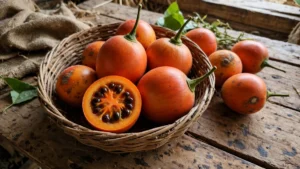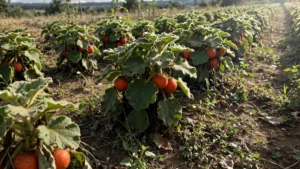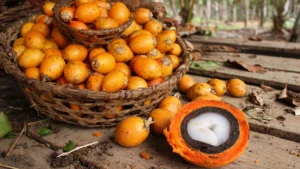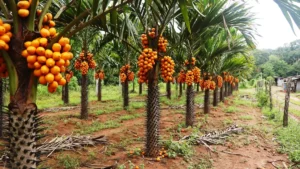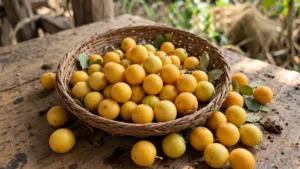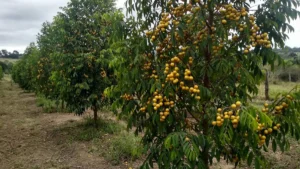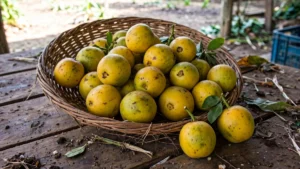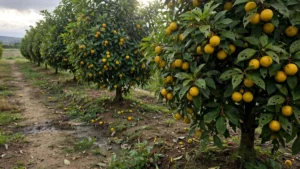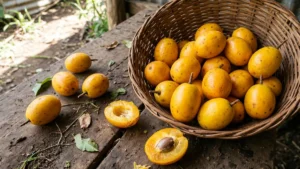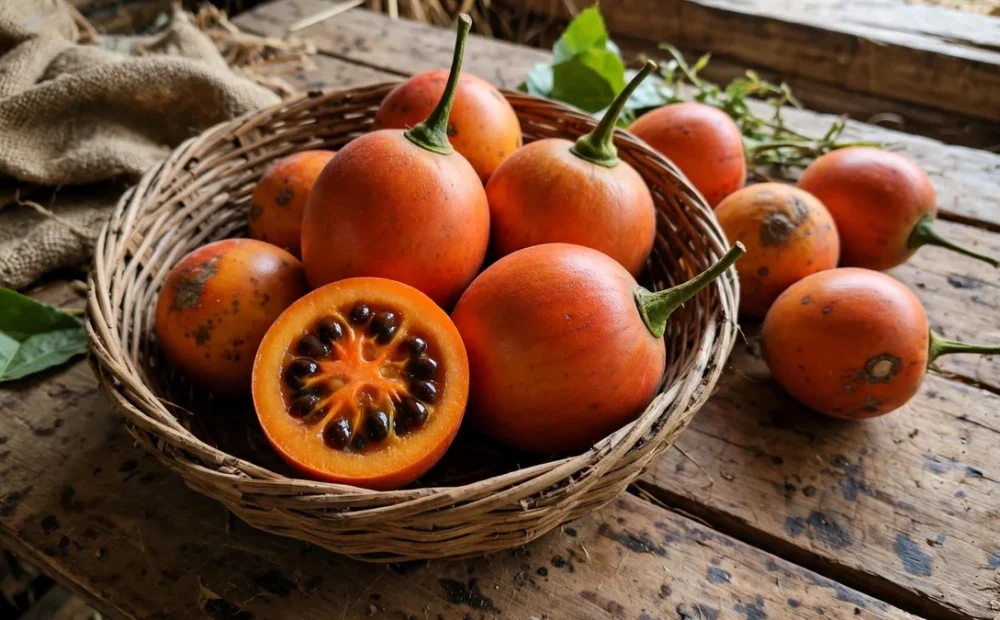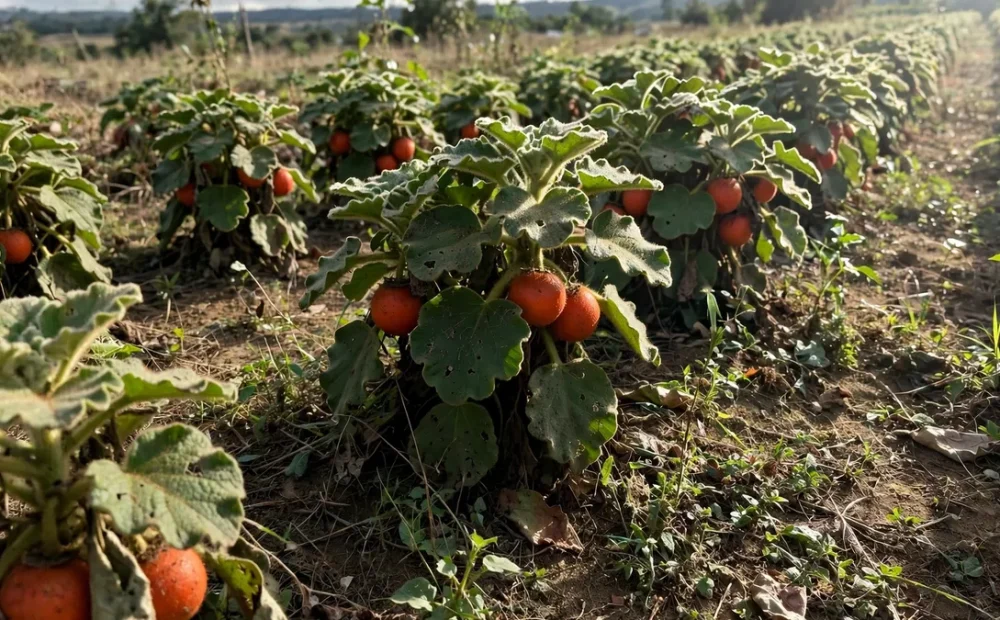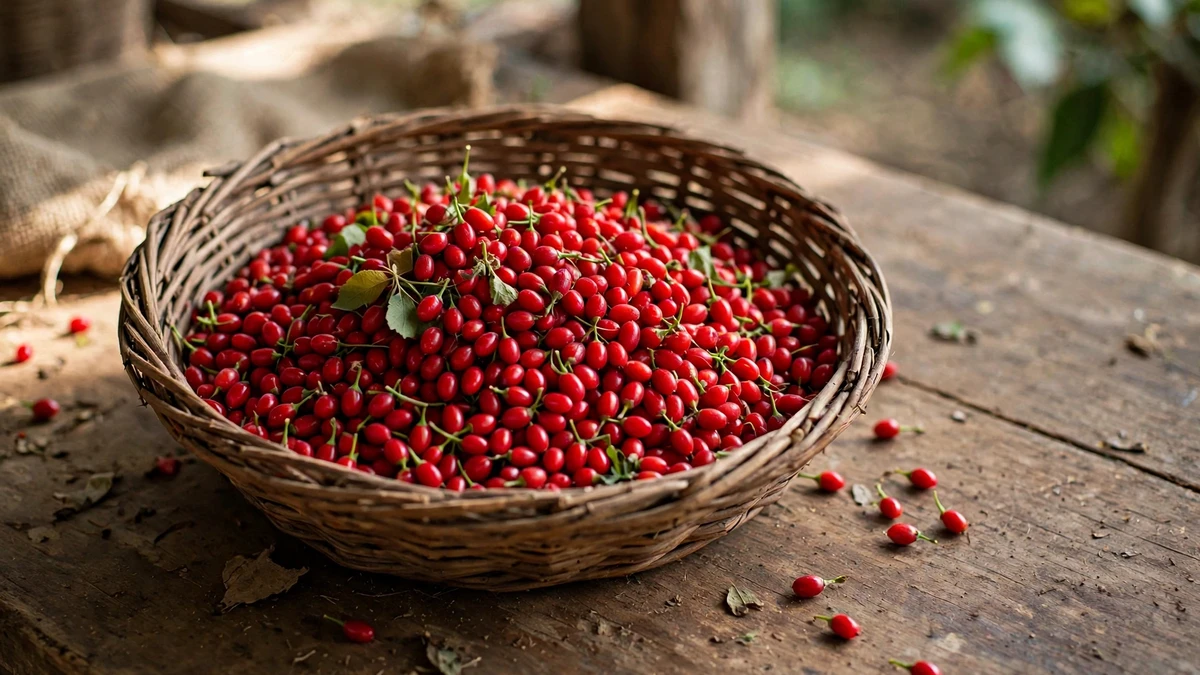

A miracle fruit farm escape is a short trip built around one small red berry. You sleep on the farm, walk the shaded rows at dawn, and taste fruit picked an hour earlier. It is no hotel dressed up with a fruit theme; it is a working farm with rooms, and the harvest decides how the day runs.
The berry is the reason for the trip, and the reason the trip needs care. Miracle berries ripen a few at a time, they soften within a day or two, and the best ones never reach a shop shelf, because the farm serves them at the tasting table the same morning they are picked. Get the timing right and you will taste the strangest trick in fruit; get it wrong and you will stare at bare shrubs.
This guide sets out nine steps that turn a loose idea into a booked trip: the season, the region, the questions to ask, and what to pack. Work through them in order and the farm does most of the rest.
Key takeaways
- The shrubs fruit in small flushes, so the picking dates matter more than the destination.
- The sweetness trick lasts half an hour or so, and the berries soften within a day, so tastings are timed and fruit is eaten on the farm.
- A walk and a tasting usually come with the room; meals, lifts and evening flavour sessions often cost extra.
- The berry carries no gluten, but the kitchen bakes bread at dawn, so mention a wheat allergy in your very first message.
- Ask for the bearing dates in writing before you pay for flights: an open farm is not always a fruiting one.
What a miracle fruit farm escape involves
A miracle fruit farm escape means two or three nights on a working berry farm, usually in a plain room at the edge of the shaded rows. Mornings start early: the host checks the shrubs, guests gather a handful of berries, and breakfast arrives with the fruit still cool from the picking. Rooms are spare, the garden is shared, and the host is usually the person who planted the shrubs. The shrubs themselves are slow growers, taking years to reach full height, so a farm with mature bushes has usually been at it for a decade or more.
The rest of the day moves slowly. There might be a tasting at the table, a stroll to the farm gate, or a drive into town for supplies. Evenings stay quiet, and the kitchen cooks with whatever the shrubs gave that day. It suits travellers who like their food to come from the ground they are standing on.
First-time farm travellers do well here, because the farms are small, the hosts welcome guests, and the fruit needs little explaining. Families with older children enjoy it too, as long as everyone copes with early starts and the humid heat. It will not suit anyone chasing nightlife, quick service, or a packed daily programme. Our guide to planning a strawberry farm escape carries the same idea: choose the farm that cooks with its own crop each day, and the trip mostly looks after itself.
How to plan it, and what to ask first
Start with the fruiting calendar, not the map. The shrubs bear in bursts, and the peak moves with the rains: Ghana and Nigeria fruit for much of the year, while Costa Rica and Queensland pick on a different rhythm. Ask each farm when its last flush ended, because a shrub that fruited heavily a month ago may rest for weeks before the next round.
Then pin down the price. The walk, the tasting and the evening flavour session can each be billed apart, so work out what the rate buys: breakfast, the garden, a lift from town. A farm that sets out every charge in plain terms before you book is usually run with care. The guide to planning a blackberry farm escape makes the same point: get the inclusions in writing before the photographs decide for you.
The 9 steps to plan a miracle fruit farm escape
Try the trick at home with a lemon and a berry
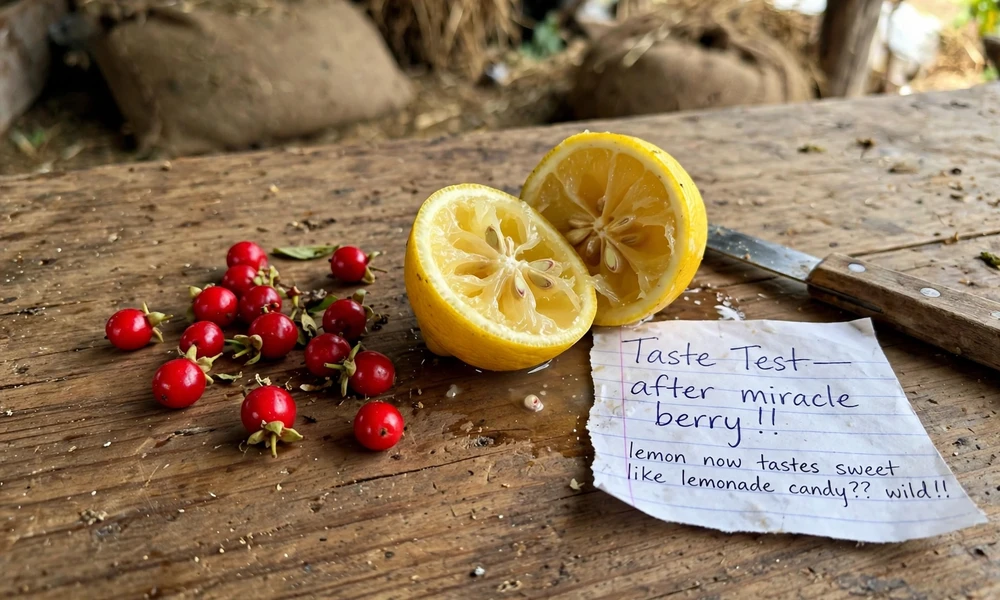
What to do: Buy a few fresh miracle berries from a market or online seller and eat one, then bite into a lemon wedge. The lemon will taste sweet, almost like lemonade, and the effect lasts about half an hour. A home trial costs little, and it teaches you more about the fruit than any photograph can. The flavour you enjoy most points to the tasting you should book: lemons, grapefruit, or sour yoghurt. Keep a glass of water nearby, because the effect washes away faster than most guests expect, and a fresh berry is needed to start it again. What to avoid: Choosing a region from photographs alone, without knowing whether the trick delights you or leaves you cold. Best for: Travellers who have never tasted a miracle berry. Time needed: An afternoon at home with a lemon. Standout tip: Try a grapefruit too, because the change is gentler and easier to judge than a lemon.
Sort out the bearing dates ahead of the flights
What to do: Ask each farm for its bearing dates, then book flights that land a day before the flush starts. The shrubs bear for a few weeks at a time, and the best berries come in the middle of the flush. What to avoid: Booking flights first and hoping the shrubs cooperate, because a farm that is open is not the same as a farm that is bearing. Best for: Travellers able to move their dates around the flush. Time needed: One afternoon of messages. Standout tip: Aim for the middle of the flush, when the berries are at their deepest red.
Pick a farm whose shrubs are its main crop
What to do: Read what each region grows with its fruit: shade trees in Ghana, coffee in Costa Rica, rainforest edge in Queensland. Pick the farm that tends its own shrubs, and the scenery follows. A farm that serves its own berries at every meal is doing the real work; a farm that buys its berries in is not. A farm that can name the age of its shrubs, and show you the planting rows, is usually the real thing. What to avoid: Picking a region for the view and finding a farm that never grows its own fruit. Best for: Travellers whose trips revolve around food. Time needed: An evening of reading. Standout tip: Ask the farm how old its oldest shrub is, and judge the farm by the answer.
Check whether the crew lets guests pick
What to do: Ask whether guests may join the morning picking, and whether the farm hands out baskets or does the picking itself. Some farms welcome guests in the rows; others keep picking to the crew because the shrubs are slow-growing and easy to damage. What to avoid: Assuming you can pick, then discovering the rows are shut to guests on arrival. Best for: Travellers who would rather work than only watch. Time needed: One note before you book. Standout tip: Find out when the crew starts, and set your alarm to match.
Ask for a room with a view of the shrubs
What to do: Ask for a room that looks over the shrubs rather than the car park, and confirm it in writing. The view is part of the trip, and rooms facing the rows tend to go first. What to avoid: Accepting whatever room is left and waking up facing a plain wall. Best for: Guests who like waking to the shrubs outside the glass. Time needed: Ten minutes at booking. Standout tip: A room at the far end of the rows is quieter than one beside the farm gate.
Let the farm know about wheat at booking time
What to do: Tell the farm about any wheat or gluten allergy in your first message, and ask what the kitchen can cook for you. The berry itself has no gluten, but farm kitchens bake bread each morning and flour travels easily. What to avoid: Waiting until the first night’s dinner to mention it, once the kitchen has finished baking for the day. Best for: Anyone who needs the kitchen to know about wheat before arrival. Time needed: A single short email before you pay. Standout tip: Ask how the kitchen keeps flour away from your food, and listen closely for a real answer.
Bring sleeves and gloves for picking
What to do: Pack closed shoes, a hat and long sleeves for the rows, and gloves for the picking basket. The shrubs are wiry, the heat is strong by midday, and the paths turn muddy after rain. What to avoid: Sandals and a short-sleeved shirt, which leave you scratched and sunburnt by midday. Best for: Anyone who plans to pick. Time needed: An evening of packing. Standout tip: Pack a light layer for the evenings, as the air cools fast after sunset.
Shadow the cook to the dawn stalls
What to do: Go with the cook on the early market run, and see what the farm buys in because it does not grow it. The stalls open at dawn, the best produce sells first, and the cook will point out what is ripe. What to avoid: Sleeping late and missing the market, as the stalls close by midday. Best for: Early risers and food lovers. Time needed: One early morning. Standout tip: Take cash, since the small stalls rarely accept cards.
Take dried berries along for the trip home
What to do: Buy sealed packets of dried berries and seeds from the farm shop, and pack them carefully in your bag. The dried berries keep for months, while fresh berries soften in transit and rarely survive the journey home. What to avoid: Filling a punnet with fresh berries at the farm gate, then finding them crushed and leaking on landing. Best for: Travellers who want a souvenir that outlasts the drive home. Time needed: Fifteen minutes browsing the farm shop. Standout tip: Ask the farm to seal the packets before your eyes, and check the seals before you pack them.
Picking the right season and region
Ghana gives the most traditional fruit: the shrubs are a working crop there, and the tasting table is part of every meal. Cameroon gives the wildest setting, a farm in humid green at the forest edge. Nigeria gives the biggest harvests and the liveliest markets. The shrubs bear in flushes, so a farm can look generous one week and bare the next, and Ghana suits a first visit because the farms welcome guests and the fruiting runs long. The fruiting calendar matters more than the map: pick the country that is bearing on your dates, and the region inside it second.
Accra is the easiest first pick: the farms welcome guests, the season runs long, and the kitchen serves the berry every day. Ask the host when the shrubs will be bearing, and book the room that faces the rows. The rest looks after itself, mostly. The raspberry farm escape guide makes the same point: choose the farm that cooks with its own crop daily, and the trip mostly takes care of itself.
The caveats that matter
These escapes suit a certain traveller, and the good stays say so plainly. The berries ripen when they please, the farms lie far from town, and any stay that guarantees fruit on every date is guaranteeing too much.
| Detail | What is known |
|---|---|
| Best time to visit | The warm months, when the shrubs are fruiting; the heaviest flushes follow the rains |
| How the trick works | Miraculin coats the tongue and turns sour flavours sweet for thirty to sixty minutes |
| How ripe fruit looks | Bright red all over and soft to the touch, with no pale patches on the skin |
| What is usually included | Room and breakfast plus a row walk or tasting; evening flavour sessions and transfers often cost extra |
| Who should go | Slow travellers, food lovers, and families with older children |
| Who should think twice | Anyone after nightlife, quick service, or a full daily programme |
| Transfers | Usually an hour or more from the closest airport; book the lift before you arrive |
| What is not guaranteed | Berries on your dates; the crop leans on weather, season, and the shrub’s own rhythm |
The berries contain no gluten, but the kitchen bakes bread at dawn, so work out how flour is kept away from your plate. Fresh berries soften within a day, so taste them on the farm and take dried berries or seeds home instead. Before you book, think through the practical side if you travel with a health condition, while expecting, or with small children: the nearest clinic, the last spraying date, and whether the paths suit little feet.
Checklist: before you book a miracle fruit farm escape
Work through this list before you pay, and again in the week before you leave.
- Ask whether the shrubs will be bearing on your dates, not only whether the farm is open.
- Ask which parts of the stay — walk, tasting, meals, lift — carry an extra charge.
- Work out the airport drive, and whether the farm collects guests.
- Ask whether the room faces the shrubs or the garden, and whether it has shade, a fan, or cooling.
- Ask how big the plot is, whether it is sprayed, and when the last treatment was.
- Find reviews from guests who visited in the same season as your trip.
Frequently asked questions
How long should a miracle fruit farm escape last?
Two or three nights covers it. Day one is for settling in and walking the shaded rows, day two for picking and the tasting table, day three for the market and the drive home. Longer stays suit travellers who want to slow down, but the berries soften within a day, so lingering for the fruit alone makes little sense.
Do you need a hire car for a miracle fruit farm?
Most of the time, yes. The farms lie an hour or more from the nearest airport, and local buses are thin on the ground. A small car lets you reach the market before dawn and explore the valley. If the farm offers a lift, take it — but get it in writing first.
Can guests pick fruit while they walk the rows?
The growers are usually happy for guests to walk the rows with them, provided you ask before setting off. Some hand guests a small basket for a few berries; others keep the picking to the crew, because the shrubs grow slowly and damage easily. Raise it when you book, and wear long sleeves for the wiry branches.
How long does the sweetness effect last?
About thirty to sixty minutes, depending on the berry and how much sour food follows it. Water and hot drinks wash it away sooner. The effect fades on its own, and the next berry starts it again. One berry is usually enough for a whole tasting, though a second berry can stretch the effect if the session runs long.
Is a miracle fruit farm escape suitable for children?
Older children enjoy it: the picking is hands-on and the tasting table is fun. The rows are shaded, though, and the paths are rough, so small children need close watching. Ask the farm about a cot, and whether the paths suit little feet.
How do gluten-free travellers eat safely on a miracle fruit farm?
Mention it in your first message. The berries are gluten-free, and the plain rice dishes are normally fine. The risk is the bread baked at dawn, so ask how the kitchen keeps flour away from your food, and listen for a real answer before you pay.
The bottom line
A miracle fruit farm escape works for travellers who enjoy a slow trip with one good trick at its centre. The berries are small, the effect is strange and memorable, and the farms worth visiting are the ones that grow their own shrubs and let guests taste the change at the table.
Choose by season first and region second: Ghana when the rains have passed, Cameroon for the forest edge, Queensland for the rainforest fringe — and take dried berries home in a sealed packet, because the fresh ones will not survive the flight.