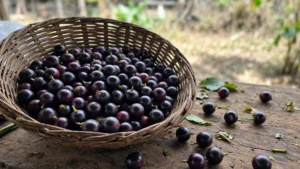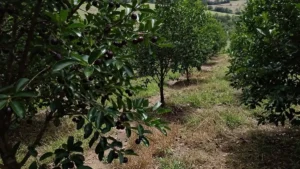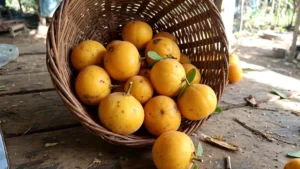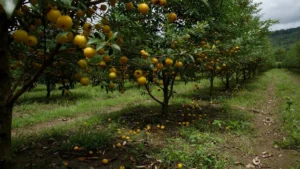
Cagaita is not a fruit most travellers have heard of, which is why a farm stay built around it feels unlike a standard countryside break. It grows on the cerrado of central Brazil and ripens in a short window at the end of the dry season, when farms around Goiânia and Brasília open to guests who want to taste something they cannot buy at home.
A cagaita farm retreat is a working farm first and a place to stay second. You sleep in a farmhouse or a small lodge, walk the orchard rows early before the heat builds, and eat what the farm picked that day: fresh fruit at breakfast, juice in the afternoon, and puddings and ices from the pulp in the evening.
Below are nine stays worth considering in 2027, across Goiás and the Federal District, from a quiet farm on the edge of Brasília to a waterfall-side lodge near Pirenópolis. Each is described by what it does well, what to check, and who it suits best, so you can choose with the fruit in mind.
Key takeaways
- Cagaita is a tart yellow-green cerrado fruit, Eugenia dysenterica, eaten fresh and as juice, ripening in a short window, roughly September to November.
- The best stays are small working farms with a handful of rooms, meals from the day’s pick, and a host who walks the orchard with you.
- Book for the fruiting weeks, not a free weekend: ask the farm for its dates in writing, as the season shifts yearly.
- Tell the farm about wheat and gluten before you book, as farm kitchens use wheat daily and need notice.
- Eat a little cagaita first: a lot in one sitting can loosen the stomach, so taste a few fruit before a full bowl, and the same care applies to children.
What a cagaita farm retreat actually is
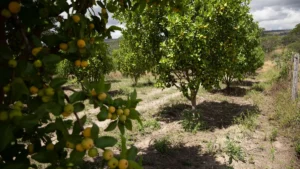
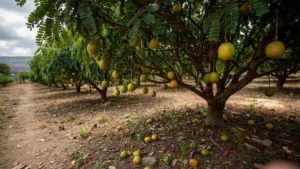
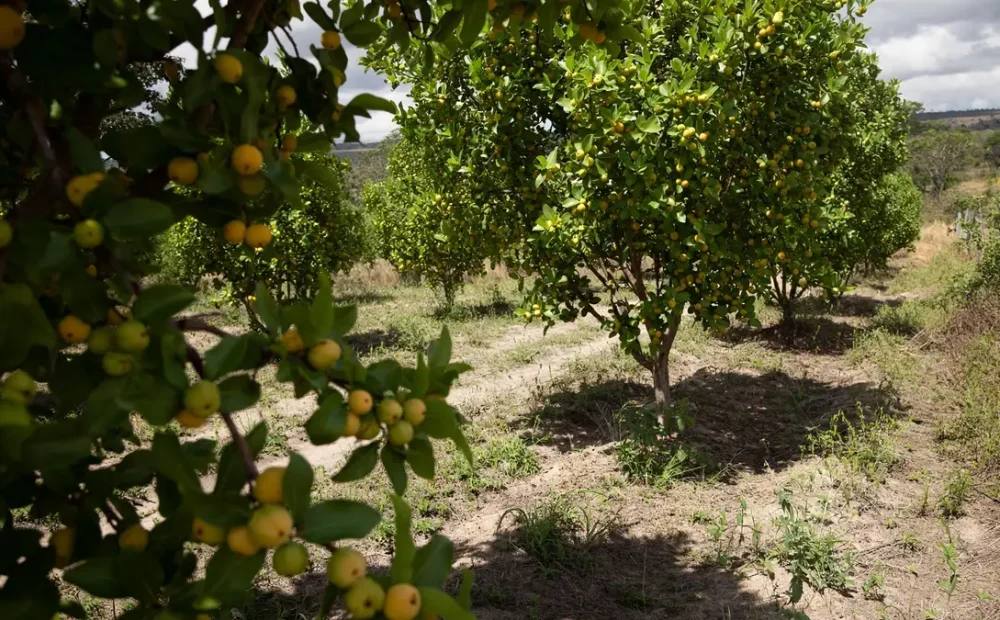
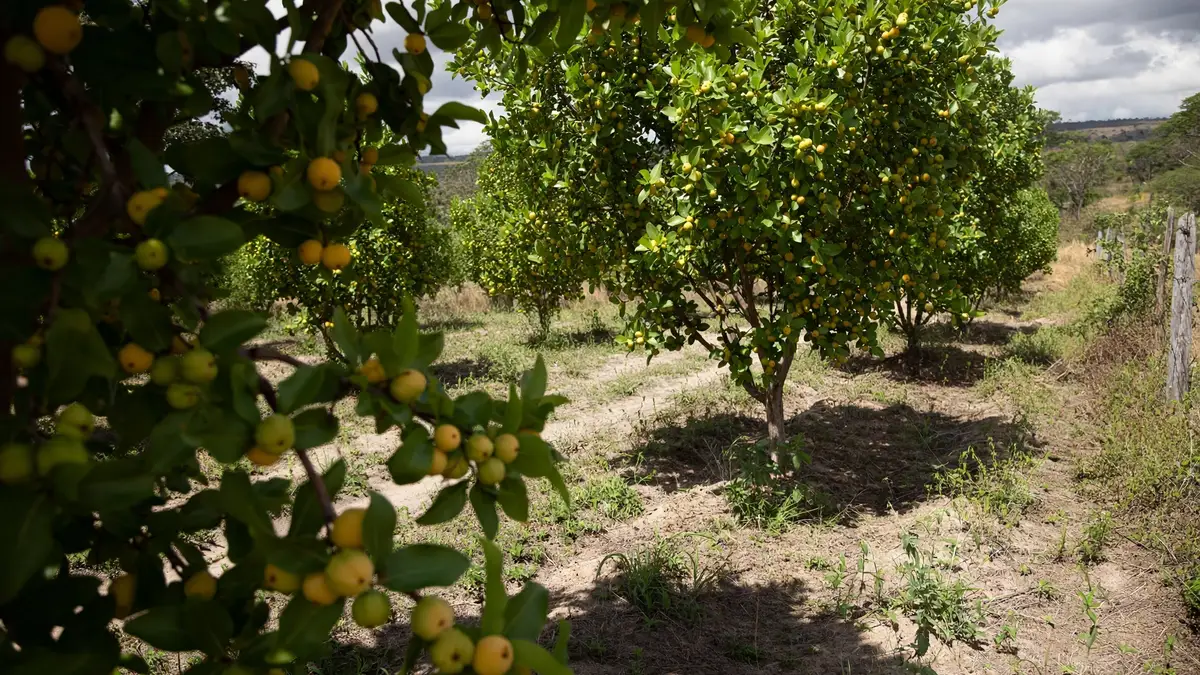
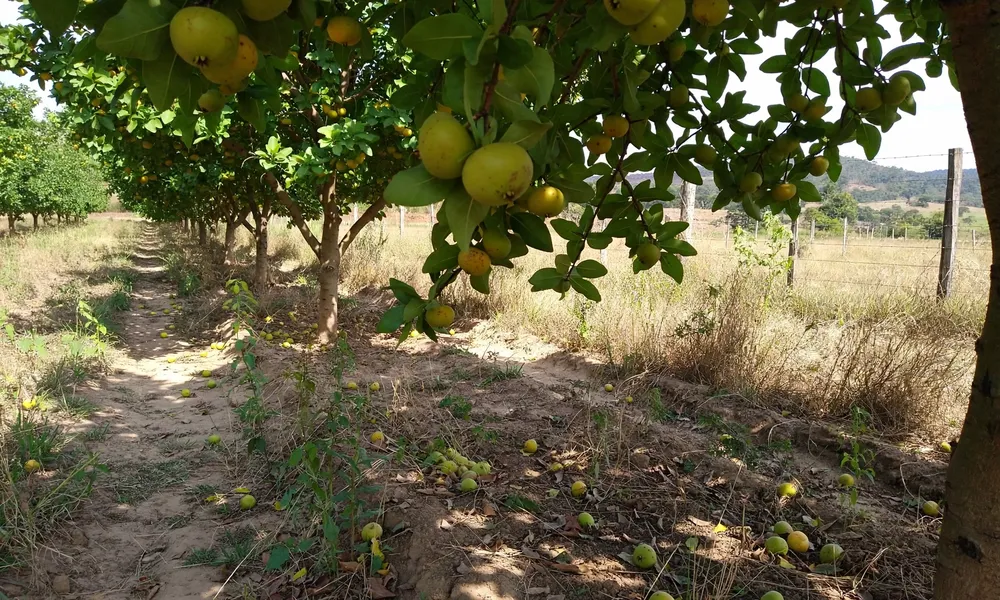
A cagaita farm is cerrado land where the trees grow in rows or scattered stands, often mixed with other native fruit trees and pasture. They are family farms that added guest rooms, a dining table, and a walking route through the orchard, and they judge a good stay by whether you tasted the fruit at its best.
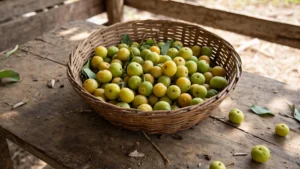
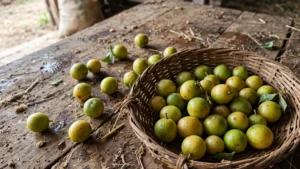
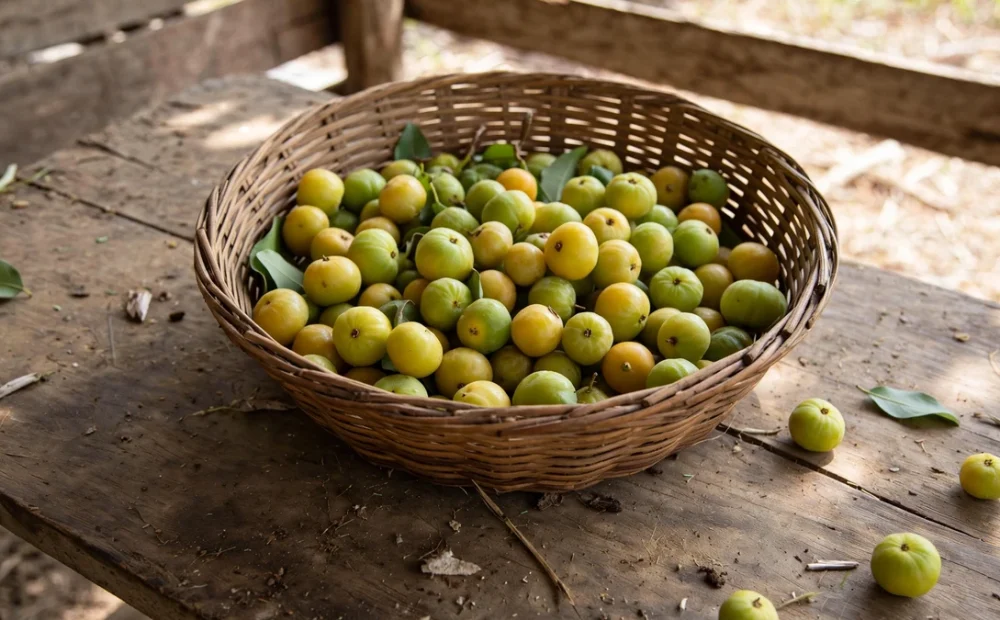
The fruit itself is small, round, and yellow-green when ripe, with a thin skin and a tart flavour between a green plum and a passion fruit. It is eaten fresh off the tree, pressed into juice, frozen as pulp, and churned into ice cream and sorbet. It travels badly when fresh, so a farm stay is the honest way to meet it: the fruit you eat was picked that morning.
Days on a cagaita farm follow the heat. The orchard walk happens early, breakfast is long and unhurried, the middle of the day is for shade, a pool, or a nap, and the late afternoon brings juice-making or a walk to a stream. Evenings are simple: a home-cooked meal, fruit for dessert, and a sky full of stars.
How we picked these stays, and what to ask first
We picked farms where cagaita is a real crop, not a single tree by the gate. The host can tell you when the fruit ripens, how the harvest works, and what the farm does with the pulp, with enough fruit to eat fresh and drink as juice. We also favoured farms with few rooms and clear pricing.
Before you book, ask three things in writing: the fruiting dates for your year, whether the kitchen can cook wheat-free and gluten-free meals, and how you reach the farm from the nearest town. The first sets your dates, the second keeps you safe at the table, and the third avoids an expensive surprise on arrival day. A farm that answers all three clearly is a farm that takes its guests seriously.
Price is a poor guide on its own here. Some of the most memorable stays on this list cost less than a city hotel room, because the value lies in the fruit, the food, and the host’s knowledge. What matters is the season, the size of the group, and whether the farm is harvesting while you are there. Our guide to the best luxury arazá farm retreats follows the same rule.
The 9 best luxury cagaita farm retreats of 2027
Cagaita do Cerrado, Brasília
What we like: A quiet farm on the edge of the Federal District where the cagaita rows run down to a small stream, the rooms face the savanna, and the juice is made from fruit picked at dawn. What to consider: The farm is a 40-minute drive from central Brasília, and the last stretch is an unpaved road. Best For: First-time visitors who want the cerrado without a long journey inland. Style: Low farmhouse with wide verandas and a shaded pool. Price Range: $150 to $210 per night. Standout Feature: Morning juice made from fruit picked at dawn.
The farm keeps eight rooms and a kitchen that cooks with what the land gives that day. The orchard walk is short and flat.
Sítio Amarelo Vivo, Goiânia
What we like: A bright, well-run smallholding outside Goiânia with tall cagaita trees, a shaded pool, and a cook who makes cagaita mousse and a tart chilled drink. What to consider: The farm is an hour’s drive from the city, and the final stretch is a dirt track. Best For: Travellers who want fruit, food, and a pool in one easy stay. Style: Modern lodge set among second-growth cerrado. Price Range: $170 to $240 per night. Standout Feature: Cagaita mousse served at sunset by the pool.
Rooms here are larger and newer than at most farms on this list. A guided orchard walk and a juice-making session are both included.
Fazenda Três Palmeiras, Anápolis
What we like: A working cattle and fruit farm between Goiânia and Brasília, where the cagaita stands grow beside old palms and the dining room serves a long, slow lunch. What to consider: The farm is best reached by car, as public transport stops at the town, 25 minutes away. Best For: Couples who want a calm farm stay with good food and no agenda. Style: Traditional farmhouse with a long dining table and hammocks. Price Range: $130 to $190 per night. Standout Feature: A slow lunch under the palms, finished with cagaita sorbet.
The hosts have farmed here for decades. Ask them about the cerrado and you will get an hour of stories with your coffee.
Sítio Rio Doce, Rio Verde
What we like: A riverside farm in the south-west of Goiás where the cagaita grows along a creek, the rooms look over the water, and evenings are spent on the veranda with fruit and cold drinks. What to consider: The creek road floods after heavy rain, so check the route on the day you travel. Best For: Travellers who want water, shade, and a slow pace. Style: Riverside farmhouse with a wooden deck. Price Range: $140 to $200 per night. Standout Feature: Evening juice and fruit on the deck above the creek.
The farm keeps five rooms, and the kitchen makes a simple dinner each night from the garden and the orchard. The creek walk takes ten minutes and is best at dawn.
Fazenda Morro Alto, Jataí
What we like: A hilltop farm with wide views over the cerrado, cagaita trees on the lower slopes, and a host who presses juice by hand in a wooden press. What to consider: The hill road is steep and unpaved, so a car with decent clearance helps. Best For: Walkers and photographers who want open views and big skies. Style: Hill farm with a stone terrace and a wood-fired kitchen. Price Range: $120 to $180 per night. Standout Feature: Hand-pressed cagaita juice on the stone terrace.
Sunset from the terrace is the reason to come here, and the host times the juice-pressing so you can watch it with a glass in your hand.
Sítio Campo Limpo, Catalão
What we like: A neat, family-run farm in the south-east of Goiás where the cagaita rows are easy to walk, the breakfast table is generous, and the family’s children help with the harvest. What to consider: The farm books out early in the fruiting weeks, so reserve well ahead. Best For: Families with children who want to join the harvest. Style: Family farmhouse with a garden and a play lawn. Price Range: $110 to $170 per night. Standout Feature: A harvest morning where children pick alongside the family.
This is the most relaxed farm on the list, and the best choice with children: the orchard is flat and the fruit hangs low.
Fazenda Água Fria, Luziânia
What we like: A cool, shaded farm near a spring, where the cagaita grows beside a stream and the rooms stay comfortable even in the hottest weeks. What to consider: The spring water is cold, and the pool is unheated, so it suits warm days only. Best For: Travellers escaping the heat of the cities. Style: Shaded lodge with a spring-fed pool. Price Range: $150 to $220 per night. Standout Feature: A spring-fed pool under the trees.
The farm’s name means cold water, and it earns it: the spring runs all year, and the afternoon swim is the best part of the day.
Sítio Serra Verde, Formosa
What we like: A hillside farm east of Brasília where the cagaita stands climb a green slope, the views reach across the valley, and the host knows each tree by its fruiting week. What to consider: The slope walk is uneven, so good shoes matter more than anywhere else on this list. Best For: Keen walkers who want a proper orchard hike. Style: Hillside lodge with a long veranda. Price Range: $140 to $200 per night. Standout Feature: A guided slope walk through the fruiting trees.
The host walks the slope with you in the morning and points out which trees are ready, which need a few more days, and which birds got there first.
Fazenda Cachoeira, Pirenópolis
What we like: A waterfall-side farm near Pirenópolis where the cagaita grows on the terraces above the falls, the rooms are steps from the water, and the town’s restaurants are a short drive away. What to consider: The town is busy on weekends, so book midweek for a quieter stay. Best For: Travellers who want fruit, waterfalls, and a historic town in one trip. Style: Terrace farmhouse above a waterfall. Price Range: $180 to $260 per night. Standout Feature: Cagaita ice cream after a swim at the falls.
Pirenópolis is the prettiest base on this list: fruit in the morning, a waterfall swim in the afternoon, and dinner in town if you want a change from the farm table.
Which cagaita region fits your trip
Brasília and Formosa suit a short trip, as both are easy to reach from the capital. With three or four days, base yourself near Goiânia or Anápolis, where the farms are larger and the pace is slower. The south, around Rio Verde, Jataí, and Catalão, suits a longer, quieter stay, with wide views and fewer visitors.
Pirenópolis is the best choice if you want more than the farm: a historic town, waterfalls, and restaurants a short drive away. Luziânia suits travellers escaping the heat, with its spring-fed pool and shaded rooms. Wherever you go, the same rule applies: pick the region that fits your trip, then let its fruiting weeks set your dates, because a farm without ripe fruit is just a farm. Our roundup of the best luxury camu camu farm retreats makes the same point for the Amazon.
With children, choose a flat farm with low fruit, such as the family farm near Catalão, and keep the first tasting small. As a couple, the hilltop farm near Jataí and the riverside farm near Rio Verde offer the most privacy. Alone, the farms near Brasília and Goiânia are the easiest to reach and the most used to solo guests.
The caveats that matter
Cagaita is generous, but it has one quirk worth knowing: a lot of it in one sitting can loosen the stomach. That is no reason to avoid it, only a reason to start with a few fruit, wait a while, and then eat more. The farms on this list know this, and a good host will say so before you fill a bowl. Children should taste a small handful first.
| Detail | What is known |
|---|---|
| Scientific name | Eugenia dysenterica, a cerrado fruit tree of central Brazil |
| The fruit | Small round yellow-green fruit, tart, thin skin, one or two seeds |
| Where it grows | The cerrado of Goiás and the Federal District, in rows and scattered stands |
| How it is eaten | Fresh, pressed into juice, frozen as pulp, churned into ice cream and sorbet |
| Best season | Late dry season into the first rains, roughly September to November |
| Not to confuse with | Uvaia, a different Eugenia species from southern Brazil, pear-shaped and more sour |
| Who should ask first | Anyone who needs wheat-free or gluten-free meals, as farm kitchens use wheat daily |
| What it does not do | It does not travel well fresh, so most cagaita outside Brazil is sold as frozen pulp |
Travel logistics matter as much as the fruit. Dirt roads turn after rain, and small farms may have one vehicle between them and the nearest town. Sort out your arrival and departure transport in writing before you pay a deposit, and bring cash.
Checklist: booking a cagaita farm stay honestly
Use these checks before you book.
- Check the fruiting dates: ask the farm for its dates in writing for your year, and book inside them.
- Check the food: tell the farm about wheat and gluten before you book, and confirm what the kitchen can cook for you.
- Check the journey: confirm how you reach the farm from the nearest town, and whether the farm collects you.
- Check the rooms: ask how many guests the farm takes at once, and whether the rooms have air conditioning or fans.
- Check the deposit: ask what is refundable if the season shifts, and get the answer in writing.
- Check the first tasting: plan to eat a few cagaita first, wait, and then eat more, especially with children.
Frequently asked questions
When is the best time to visit a cagaita farm?
The fruiting weeks fall in the late dry season, roughly September to November, but the exact weeks shift from farm to farm and year to year. Ask for the farm’s dates in writing and book inside them.
Can I eat cagaita fresh from the tree?
Yes. Taste a few fruit first, as a lot of cagaita at once can loosen the stomach. The host will show you which fruit is ripe: yellow-green, slightly soft, and easy to pick.
How is cagaita different from uvaia?
They are different species in the same genus. Cagaita is Eugenia dysenterica, a round yellow-green cerrado fruit from central Brazil, while uvaia is Eugenia pyriformis, pear-shaped and more sour, from the south. They look alike, but flavour, season, and region differ.
How many nights should I stay at a cagaita farm?
Three nights is a good length: one day to arrive and walk the orchard, one full day for the harvest and the cooking, and a morning to leave slowly. Two nights works if the farm is close to town.
Is a cagaita farm stay suitable for children?
Yes, above all on a flat farm where the fruit hangs low. Keep the first tasting small, a few fruit each, and let the children pick beside the family. Tell the farm their ages when you book.
Will I get by on a cagaita farm without Portuguese?
It helps a great deal to know some. Most farm hosts speak little English, and the best conversations on a farm happen in Portuguese. A few phrases and a translation app will carry you far, but do not expect a fluent guide.
The bottom line
The best cagaita farm retreat in 2027 is not the most expensive or the most polished. It is the small, working farm where the fruit is ripe when you arrive and the kitchen cooks with what the land gave that day. Pick your region, confirm the fruiting weeks in writing, warn the farm about wheat and gluten, and taste a little fruit before a full bowl.
Choose one farm, stay three nights, eat the fruit fresh, drink the juice, and judge the stay on the cerrado at dawn, not on the activities list. That is the honest way to meet a fruit you cannot buy at home, without the rush that turns a farm stay into a tour. Our guide to the best luxury cupuacu farm retreats follows the same idea for the Amazon.