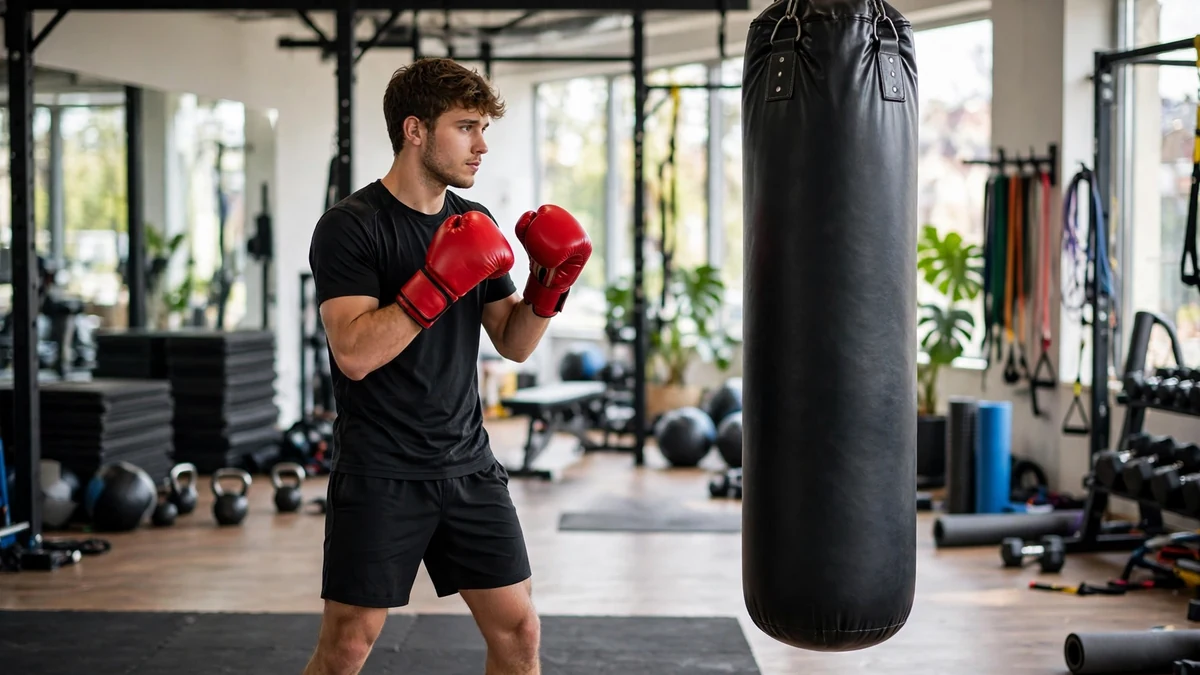
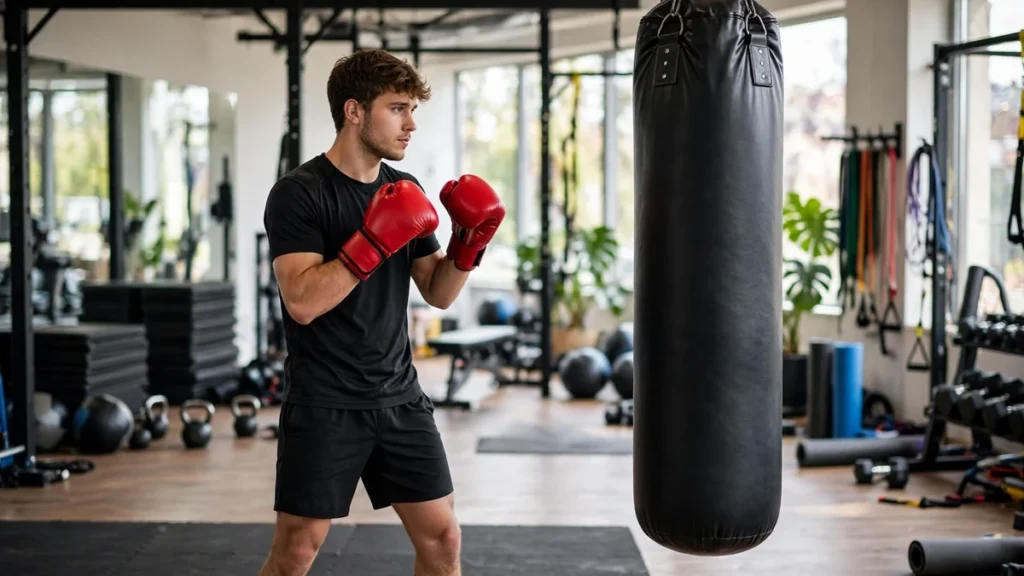
Choosing the best boxing gloves for beginners training is the single most important kit decision a new boxer makes, because the right pair protects your hands while you learn. The best boxing gloves for beginners training in 2027 are well-padded training gloves in 14 oz or 16 oz with a secure hook-and-loop wrist closure, and the ten picks below cover every budget and hand size. This guide explains how weight, padding and fit work, so you can buy once and train with confidence from your very first session.
Beginners often buy the cheapest gloves they can find or the lightest pair on the shelf, and both mistakes lead to sore knuckles and aching wrists. A good first glove spreads impact across the knuckles, holds the wrist straight and feels snug without cutting off circulation.
Key takeaways
Most beginners should start with 14 oz gloves for bag work and 16 oz gloves if they plan to spar.
Hook-and-loop closures are easier to manage alone than lace-up gloves.
Always wear hand wraps under your gloves to protect your knuckles and wrists.
Try gloves on with wraps fitted, and choose the pair that feels snug but never numb.
Ask your coach to check the fit before your first sparring session.
The 10 Best Boxing Gloves for Beginners Training in 2027
Use this table to compare the ten gloves side by side before reading the full reviews. Weight refers to the most common training sizes, and closure tells you how the glove fastens at the wrist.
| Glove | Best for | Weights | Closure |
|---|---|---|---|
| Everlast Pro Style Training Gloves | First-time buyers | 12, 14, 16 oz | Hook-and-loop |
| Venum Contender 2.0 | All-round gym training | 10, 12, 14, 16 oz | Hook-and-loop |
| Hayabusa T3 | Wrist support | 12, 14, 16 oz | Hook-and-loop |
| Sanabul Essential Gel | Value for money | 10, 12, 14, 16 oz | Hook-and-loop |
| RDX F7 Ego | Heavy bag work | 12, 14, 16 oz | Hook-and-loop |
| Title Boxing Pro Style | Classic training feel | 12, 14, 16 oz | Hook-and-loop |
| Fairtex BGV1 | Muay Thai crossover | 12, 14, 16 oz | Hook-and-loop |
| Twins Special BGVL3 | Durability | 12, 14, 16 oz | Hook-and-loop |
| Adidas Hybrid 100 | Light, fast sessions | 10, 12, 14 oz | Hook-and-loop |
| Century Brave | Starter kits | 12, 14, 16 oz | Hook-and-loop |
1. Everlast Pro Style Training Gloves
Best for: first-time buyers who want a dependable, widely available training glove.
Everlast has made boxing kit for decades, and the Pro Style is the glove many coaches hand to a newcomer on day one. Its foam padding is thick over the knuckles without feeling bulky, and the full wrist wrap keeps the joint steady through long rounds on the bag.
The synthetic leather shell wipes clean easily and stands up well to regular gym use.
2. Venum Contender 2.0
Best for: all-round gym training, from bag rounds to pad work with a partner.
The Contender 2.0 is one of the most popular beginner gloves in gyms across the world, and it earns that place with a comfortable fit straight out of the box. Triple-density foam cushions the knuckles, while the long cuff gives the wrist useful support without feeling stiff.
Beginners often praise how quickly these gloves break in, with the padding softening over the first few weeks of use.
3. Hayabusa T3
Best for: beginners who want extra wrist support while they build good punching form.
The Hayabusa T3 stands out for its dual wrist strap, which locks the wrist in place more firmly than a single strap can. That support matters most when your technique is still developing, because a bent wrist on a hard punch is the fastest route to a sprain.
The glove feels firm at first, so give it a few sessions to mould to your hand.
4. Sanabul Essential Gel
Best for: value for money, with gel padding that suits lighter training loads.
Sanabul built its name on affordable kit that performs above its price, and the Essential Gel is a strong example. A gel-infused foam layer sits over the knuckles to absorb impact, and the mesh palm helps the glove breathe during warm sessions.
These gloves suit beginners who train two or three times a week and want a comfortable pair without a large outlay.
5. RDX F7 Ego
Best for: heavy bag work, where thick padding and a firm wrist matter most.
RDX designed the F7 Ego with bag training in mind, and the generous padding shows it. The glove spreads impact well across the fist, which helps when you are still learning to land punches squarely on the bag.
Beginners who mainly train on the heavy bag will find this a forgiving and durable first pair.
6. Title Boxing Pro Style
Best for: a classic training feel with straightforward, no-fuss construction.
Title Boxing has supplied gyms for years, and the Pro Style is its workhorse beginner glove. The padding is firm and even, the leather-style shell is tough, and the fit is roomy enough for most hand shapes once wraps are on.
If you want a glove that does the basics well and lasts through your first year of training, this is a sensible choice.
7. Fairtex BGV1
Best for: beginners who also want to try Muay Thai, where kicks and clinch work come into play.
Fairtex is a Thai brand with a long history in Muay Thai, and the BGV1 is one of its best-known gloves. The compact shape suits close-range work, and the padding protects the knuckles well during pad rounds and light sparring alike.
Our guide to Thai boxing and Muay Thai explains how the two arts differ and what kit each one needs. If your gym teaches both, a glove like this one covers either class without a second purchase.
8. Twins Special BGVL3
Best for: durability, with leather construction that survives years of regular training.
Twins Special gloves are made in Thailand and are a familiar sight in serious boxing and Muay Thai gyms. The BGVL3 uses genuine leather and dense foam, so it holds its shape far longer than most synthetic gloves at this level.
The fit runs slightly snug, which suits smaller hands and beginners who like a close feel.
9. Adidas Hybrid 100
Best for: light, fast sessions and beginners with smaller hands.
The Adidas Hybrid 100 is a lighter glove that suits speed work, shadow boxing and pad drills. Its foam padding is firm enough for bag rounds, while the slimmer profile helps newcomers keep their guard up without tiring their shoulders.
Adidas sizing tends to run compact, so try a size up if you are between weights or have broad hands.
10. Century Brave
Best for: starter kits, often bought alongside a bag and wraps for home training.
Century is best known for its home training kit, and the Brave glove fits neatly into a first home setup.
If you are building a training corner at home, our guide to creating a luxury home gym covers space, flooring and kit layout. Pair the Brave with a sturdy bag and a set of wraps, and you have a workable home routine.
How to choose your first pair
Weight is the first decision, and it is measured in ounces. Most adult men start with 14 oz or 16 oz gloves, while most adult women start with 12 oz or 14 oz, and lighter teenagers often begin at 10 oz or 12 oz. Heavier gloves offer more padding and build shoulder endurance, while lighter gloves feel faster on the pads.
Padding type matters almost as much as weight.
Closure is the next choice. Hook-and-loop straps let you put gloves on and take them off without help, which matters when you train alone. Lace-up gloves give a tighter, more custom fit, but you will need a partner or a lace converter to fasten them. A strap that slips mid-round is worse than no strap at all, so test it with wraps on before you buy.
Fit is where many beginners go wrong. Put your hand wraps on first, then try the glove, and make a fist inside it. The glove should feel snug across the knuckles with no pinching, and your fingertips should sit just short of the end of the glove.
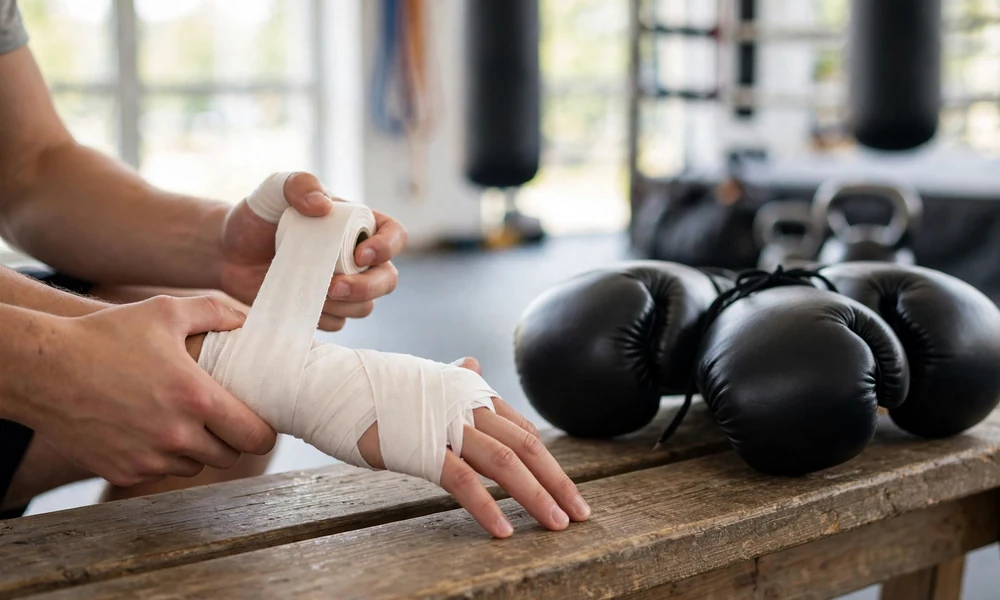
Material affects how long a glove lasts. Genuine leather is the most durable and usually the most expensive, while modern synthetic leather is lighter, easier to clean and kinder to a beginner budget.
Finally, think about what you will actually train on. Bag gloves and sparring gloves look similar, but sparring gloves carry softer padding to protect your partner. If you plan to spar, ask your coach before buying, and choose 16 oz gloves as a safe starting point.
Your first-glove checklist
- Choose 14 oz or 16 oz for bag work, and 16 oz if you plan to spar.
- Pick a hook-and-loop closure so you can fasten the gloves alone.
- Buy hand wraps at the same time, and learn to wrap before your first session.
- Try gloves on with wraps fitted, and check that a fist feels snug, not numb.
- Check the wrist strap holds your wrist straight when you shadow box.
- Wear supportive training shoes with good grip for footwork drills, as covered in our guide to the best basketball shoes.
- Air your gloves out after every session, and never leave them sealed in a kit bag.
- Replace gloves when the padding feels thin or the knuckle area starts to flatten.
Frequently asked questions
What weight boxing gloves should a beginner use?
Most adult beginners should start with 14 oz gloves for general training and move to 16 oz gloves for sparring. Lighter adults and teenagers often suit 12 oz gloves, while larger adults may prefer 16 oz from the start. Ask your coach if you are unsure, as gyms sometimes have their own weight rules.
Do I need hand wraps under my boxing gloves?
Yes, always wear hand wraps under your gloves. Wraps support the small bones in your hands, hold your wrist straight and soak up sweat that would otherwise rot the glove lining. A standard 180-inch wrap suits most adults, and your coach can show you a basic wrapping method in a few minutes.
Are lace-up or hook-and-loop gloves better for beginners?
Hook-and-loop gloves are better for most beginners because you can fasten them alone and adjust them quickly between rounds. Lace-up gloves give a closer fit and are common in competition, but they need a partner to tie them. Start with hook-and-loop, and try lace-ups later if your training demands them.
How long do beginner boxing gloves last?
A decent pair of beginner gloves usually lasts between six months and a year of regular training, depending on how often you train and how well you care for them. Replace them when the padding thins or your knuckles start to ache after bag work.
Do I need separate gloves for bag work and sparring?
You can use one pair for both when you are starting out, but sparring gloves should have softer padding to protect your partner. Many beginners buy a 14 oz pair for the bag and add a 16 oz pair for sparring once they start regular sparring sessions. Check your gym rules first, as some gyms require 16 oz gloves for all sparring.
Train hard, stay safe
Boxing is a demanding sport, and the right gloves are only one part of staying safe. Warm up properly, learn correct punching form from a qualified coach, and stop training if you feel sharp pain in your hands or wrists. If pain persists, speak to a doctor or physiotherapist before your next session.