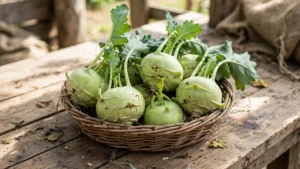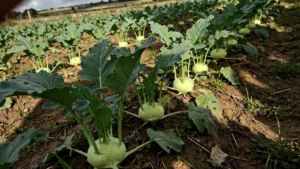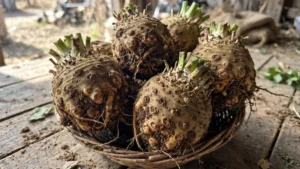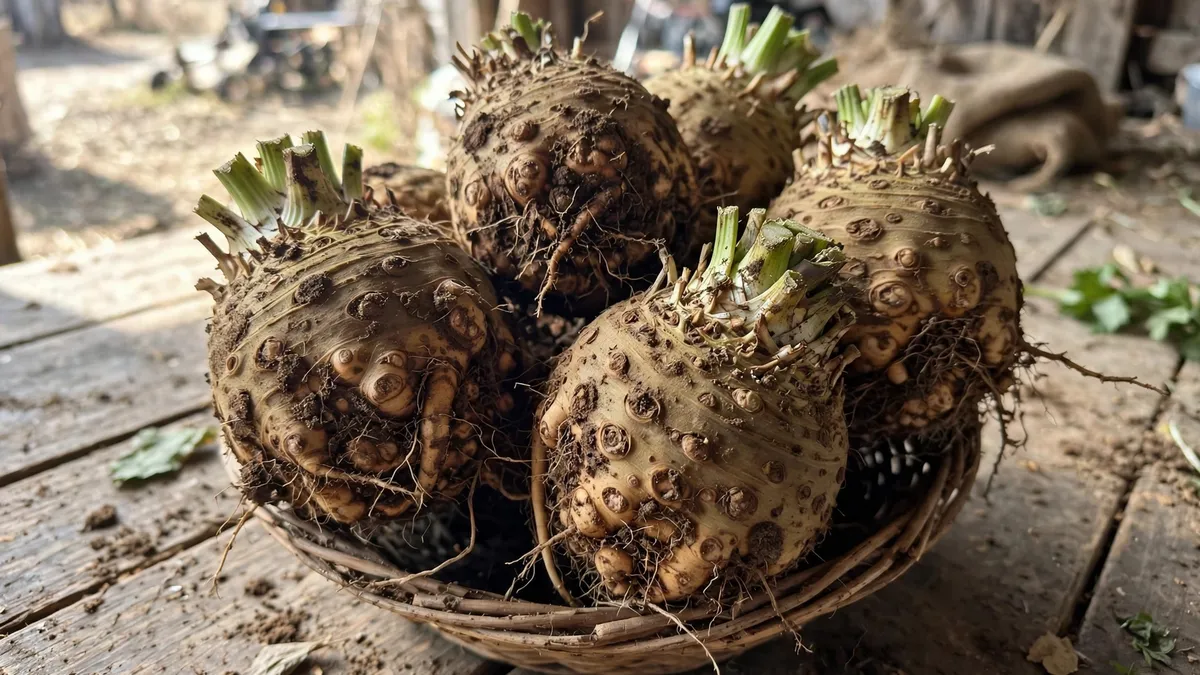

Planning a celeriac farm escape is simpler than planning most food trips, because the whole holiday turns on one root and one season. You pick a farm that grows celeriac properly, you go in October or November when the roots are at their sweetest, and you spend two or three nights digging, cooking, and eating.
That simplicity hides a few decisions that matter. The farm you choose decides whether you dig in a real field or watch from a fence, whether the kitchen cooks celeriac daily or once as a garnish, and whether your room is warm in November or merely tolerable. The steps below cover those decisions in order, from choosing the month to settling the bill, so that the trip feels planned without feeling rigid.
What follows is written for a first visit, and it assumes two people travelling together for two or three nights.
Key takeaways
- October and November are the months to aim for, when celeriac roots are fully grown, sweetened by the first frosts, and at the centre of the farm kitchen.
- Choose a farm that grows its own celeriac in open ground and cooks with it every day, not one that buys roots in and serves them once a week.
- Book the digging and the cooking as well as the bed, because a farm stay without the field work is just a rural hotel with a garden.
- Two or three nights is enough: one day to dig and learn, one day to cook and taste, and a slow morning for the market.
- The root itself carries no gluten, yet sauces, stocks, and shared boards can add it, so flag the need when you first write to the farm.
What a celeriac farm escape actually is
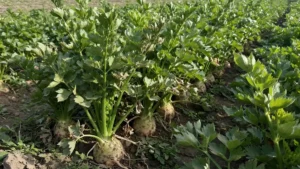
A celeriac farm escape is a short stay on a working root farm, built around the harvest and the kitchen rather than around sightseeing. You sleep in a farmhouse, a converted barn, or a cottage on the land, you spend the mornings in the field with a digging fork, and you spend the afternoons in the kitchen, peeling, grating, mashing, and roasting the same roots you dug.
It is not a luxury hotel with a farm theme, and it is not a cooking school with a field attached. The best farms on this list sit somewhere between the two: the beds are comfortable, the heating works, and the food is genuinely good, but the days are shaped by the weather, the soil, and the harvest, not by a spa timetable.
The cost is modest compared with a city break. Rooms on a celeriac farm usually run from about $79 to $172 a night for two people, with breakfast and often one cooked meal included, and the digging, the cellar tour, and the tastings are usually part of the stay rather than extras. Our ulluco farm escape guide follows the same shape for a very different Andean tuber, if you want to see how another root farm trip is put together.
Before you book: the shape of the trip
Start with the month, because it decides almost everything else. Celeriac is sown in spring, grown through the summer, and dug from late summer into winter, and the roots are at their best after the first frosts, when the cold sweetens them. October and November are the months when the farms are busiest, the kitchens are cooking with celeriac every day, and the cellars are full of stored roots.
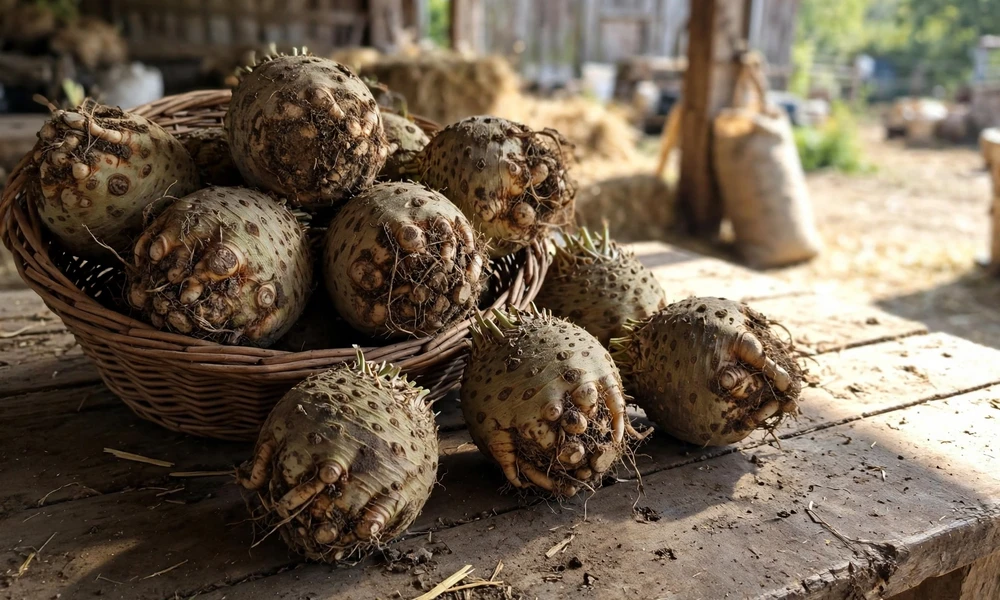
Then settle the length. Two nights gives you one full day in the field and the kitchen, which is enough to learn the basics and eat well, but it feels tight if the weather turns. Three nights is the comfortable choice: a digging day, a cooking day, and a slow morning for the market or a walk, with an evening to spare. Four nights or more only makes sense if you want to explore the area as well, because the celeriac work itself fits into two full days.
The 9 steps, in order
Pick October, not August
What to do: Choose October or November, and ask the farm which week its main harvest falls in, so you arrive when the digging is at its busiest. What to avoid: Booking an August stay that promises digging, because the roots are not ready and the farm will be showing you something else. Best for: Travellers who want the real harvest, not a demonstration. Time needed: One evening of reading and a message to each farm you shortlist. Standout tip: Ask whether the farm grows an early variety as well as a main one, because the answer tells you how seriously it takes the crop.
Pick a farm whose kitchen uses its own field
What to do: Ask how many celeriac dishes appear on the menu each day, and whether the roots come from the farm’s own fields. What to avoid: A farm that serves celeriac once a week as a garnish, or that buys its roots in from a wholesaler. Best for: Food lovers who want to taste the root in several forms. Time needed: A few minutes per farm, in the same message as your dates. Standout tip: Ask for the name of one dish the kitchen is proud of, because a farm that hesitates over that question is usually not cooking the root properly.
A farm that cooks what it grows will answer this question easily and with enthusiasm. The answer is a better guide to the quality of the stay than any photograph on the farm’s website.
Tell the kitchen about allergies before you pay
What to do: Tell the farm about any allergy, especially celery, and any gluten need, and ask what is in the stocks and sauces. What to avoid: Waiting until you sit down to eat to mention an allergy, because by then the soup is already made. Best for: Anyone with a celery allergy, a gluten need, or a vegetarian diet. Time needed: One short message alongside your booking request. Standout tip: Ask whether the kitchen uses a separate board and knife for celeriac, because cross-contact in a busy farmhouse kitchen is the usual risk.
Reserve a place in the digging as well as the room
What to do: Reserve a place in the digging session and the cooking session when you book the room, and confirm both in writing. What to avoid: Arriving to find the digging is full, or that it only runs on days you are not there. Best for: Travellers who want the field work, not just the view of it. Time needed: Five minutes, in the same message as your dates. Standout tip: Ask what time the digging starts and what it involves, because a farm that says nine in the morning with a fork is serious, and one that says whenever you like is not.
The digging is the heart of the stay, and it is also the part that fills up first, because the farm can only take a small group into the field at once.
Plan your meals around the root cellar
What to do: Ask which meals are included, which are cooked in the farmhouse, and whether you can eat in the kitchen with the hosts. What to avoid: Assuming every meal is included, or that the farmhouse kitchen is open all day. Best for: Travellers who want to eat where the food is made. Time needed: One message, and a look at the farm’s menu if it has one. Standout tip: Ask whether the farm makes its own pickles and preserves, because a farm with a pickle cellar is a farm that takes the root seriously.
Bring boots, gloves, and a coat for the field
What to do: Pack waterproof boots, a warm coat, gloves for the digging, and clothes you do not mind getting muddy. What to avoid: Bringing only city shoes and a light jacket, because the field in November is wet and cold. Best for: Anyone who wants to enjoy the field work instead of enduring it. Time needed: One evening of packing before you set off. Standout tip: Pack a small bag for the farm shop, because roots, pickles, and jars are heavy and a carrier bag from the farm is rarely enough.
The field work is real work, and the ground in November is usually wet, so boots matter more than anything else you pack.
Save the town market for your last full day
What to do: Ask the hosts which market day is best, and go on your last full day, so you know what you are looking at. What to avoid: Going on your first morning, before you have learned to tell a good root from a poor one. Best for: Travellers who want to buy roots, pickles, and cheese to take home. Time needed: A morning, including the walk or drive there. Standout tip: Ask the hosts to write down the names of two or three stalls they trust, because a recommendation from the farm is worth more than a guidebook.
Learn one celeriac dish properly
What to do: Pick one dish, remoulade or mash or roast, and learn it from the farm cook step by step. What to avoid: Trying to learn five dishes at once, because you will remember none of them properly. Best for: Travellers who cook at home and want a dish they will actually make again. Time needed: An afternoon in the kitchen, plus the supper that follows. Standout tip: Write the recipe down yourself while the cook is showing you, because the details that matter are the ones you forget first.
One dish learned properly is worth more than a week of tastings, because it is the dish you will make at home, and it is the one that will remind you of the farm. Choose the one that suits your kitchen, learn it properly, and write it down before you leave.
Sort the bill out on your final evening
What to do: Ask for the bill the evening before you leave, check the extras, and pay then, so your last morning is unhurried. What to avoid: Leaving the bill until checkout, when the farm is busy and you are trying to catch a train. Best for: Travellers with an early departure or a tight connection. Time needed: Ten minutes, the evening before you go. Standout tip: Ask whether the farm shop purchases are on the same bill or separate, because the two are often handled differently.
What to eat, and what to bring home
The food on a celeriac farm is simple, seasonal, and generous, and it is built around the root rather than around it. Expect celeriac soup with brown bread, mash with butter and cream, roast wedges with rosemary, and remoulade with mustard and capers, alongside whatever else the farm is growing: leeks, carrots, potatoes, and the last of the autumn greens.
What to bring home is almost as important as what you eat there. A whole root travels well and keeps for weeks in a cool cupboard, and it is the most useful souvenir, because you can cook it the week you get back. A jar of pickled celeriac is the next best thing, and the farms that run pickling workshops will sell you jars from their own cellar.
One caution: do not buy more roots than you can carry or store. Two roots, a jar of pickles, and a recipe is the right haul for most travellers, and the farm shop will usually pack them properly if you ask. Our arracacha farm escape guide covers the same question for an Andean root, and the packing advice is much the same.
The caveats that matter
Celeriac is an ordinary, safe vegetable, yet a farm stay still holds a few things worth knowing before you book. The harvest is weather-dependent, so a farm that promises digging on a particular day may have to move it if the ground is frozen or waterlogged, and a good farm will have a cellar task or a kitchen session ready as a substitute.
Allergies matter here too. Celeriac shares proteins with celery, so an allergy to one should be treated as an allergy to both. Gluten is a separate question: the root is fine, but the kitchen is where you need to ask, and a farm that knows about it in advance will plan for it.
| Detail | What is known |
|---|---|
| Best months to go | October and November, when the roots are fully grown and sweetest |
| How long to stay | Two or three nights, with at least one full day of digging and cooking |
| What the stay includes | A bed, breakfast, usually one cooked meal, and the digging and cellar tour |
| What to pack | Waterproof boots, a warm coat, gloves, and clothes you do not mind muddying |
| Allergy note | Related to celery, so anyone with a celery allergy should take the same care |
| Gluten | The root is naturally gluten-free; stocks, sauces, and shared kitchens need checking |
| What to bring home | Two whole roots, a jar of pickles, and a written recipe from the farm kitchen |
| What it is not | Not a luxury hotel with a farm theme, and not a cooking school with a field attached |
Checklist: planning a celeriac farm escape honestly
Use these checks before you book, and again before you travel.
- Check the month: October and November are the sweetest, and August digging is a warning sign.
- Check the farm grows its own celeriac outdoors, and ask which varieties it plants.
- Check the digging and cooking are booked with the room, and confirm both in the same message.
- Check the allergy and gluten questions in writing, before you pay, not when you sit down to eat.
- Check the journey: confirm the last train, bus, or taxi from the nearest town before you book.
- Check the bill the evening before you leave, including farm shop purchases and any extra meals.
Frequently asked questions
Do I need to book far ahead for a celeriac farm stay?
Yes, for October and November, because those are the busiest months and the small farms on this list have only a few rooms. Book six to eight weeks ahead for a weekend, and further ahead if you want a specific farm.
Is celeriac gluten-free?
The root itself is naturally gluten-free, but the kitchen is where gluten appears: stocks, sauces, breads, and shared boards and knives. Tell the farm before you book, ask what is in the stocks and sauces, and ask whether the kitchen uses a separate board for celeriac.
Can I visit a celeriac farm in winter?
Yes, and the cellars are full in winter, but the digging window is shorter and the field work may be limited by frozen or waterlogged ground. The kitchens are still cooking with celeriac daily, and the stays are quieter and often cheaper.
What is the difference between celeriac and turnip?
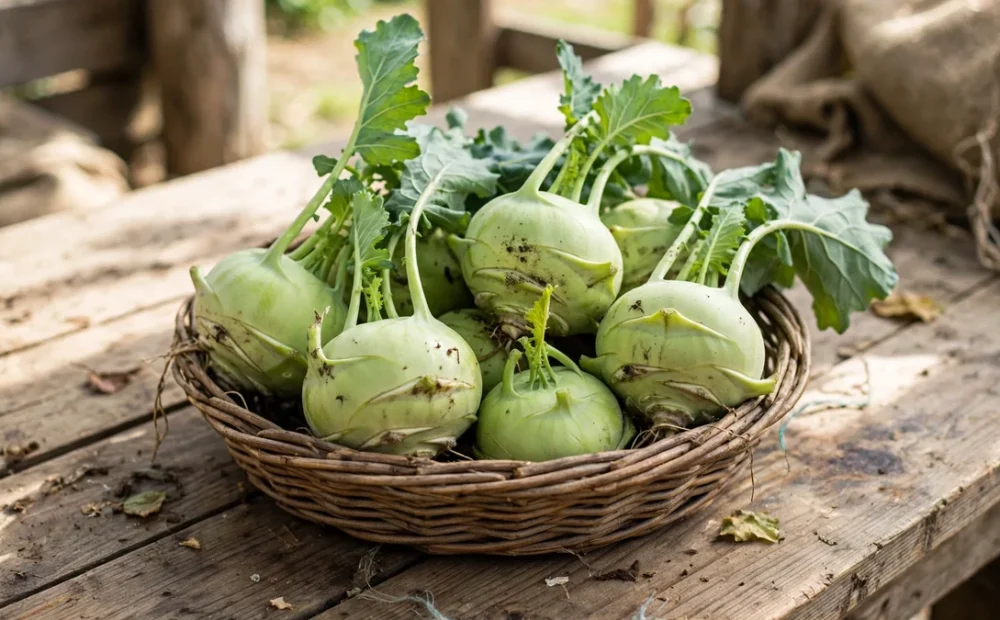
They are different roots from different families. Celeriac is a celery variety with a mild, nutty flavour, while turnip is a brassica with a sharper, slightly peppery taste. Celeriac is round and knobbly with a pale flesh, and turnip is smoother and often purple-topped.
Do celeriac farms cater to vegetarians?
Most do, because the food is built around the root and the vegetables of the season, and a vegetarian main is usually a simple matter for the kitchen.
How do I get to a root farm without a car?
Most farms are reachable by train and then a bus or a taxi, but the last leg needs planning. Our yam farm escape guide covers the same question for a West African root farm, and the advice on the last leg is much the same.
The bottom line
The best way to plan a celeriac farm escape is to keep it simple: pick October or November, choose a farm that grows its own roots and cooks with them daily, book the digging and the cooking with the room, and tell the kitchen about any allergy or gluten need before you pay.
Go with boots you do not mind muddying, a notebook for the recipe, and a small bag for the farm shop, and judge the stay on the food and the field, not on the thread count. That is the honest way to enjoy a vegetable that looks unpromising and tastes far better than it looks, and a farm that takes it seriously is a farm worth visiting.