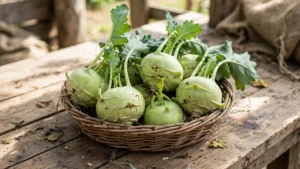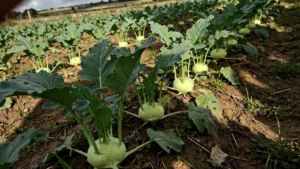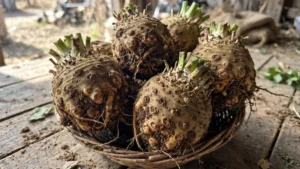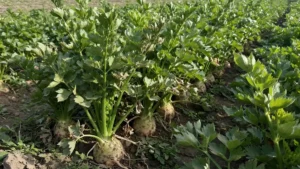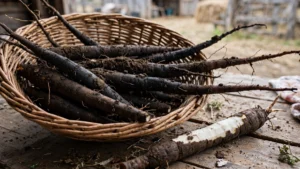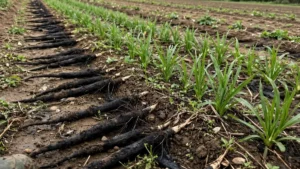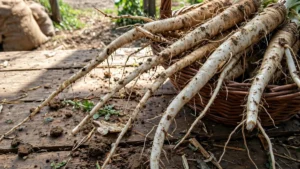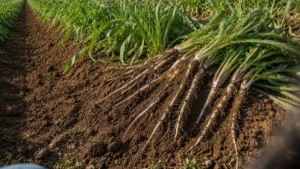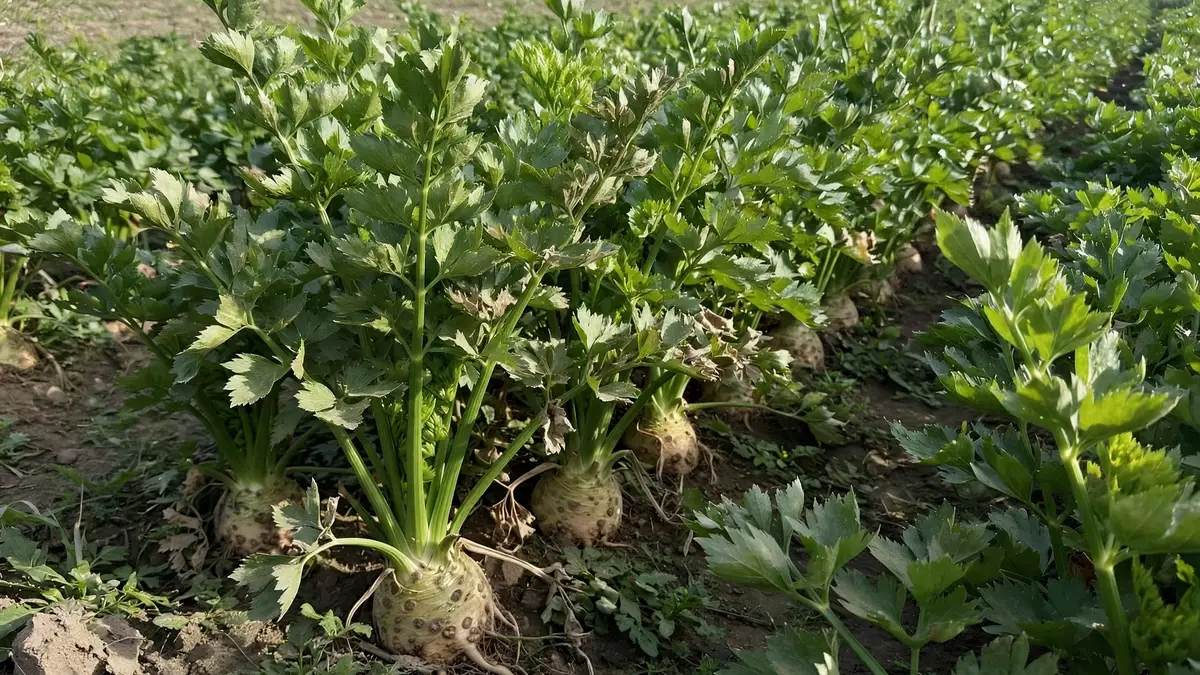
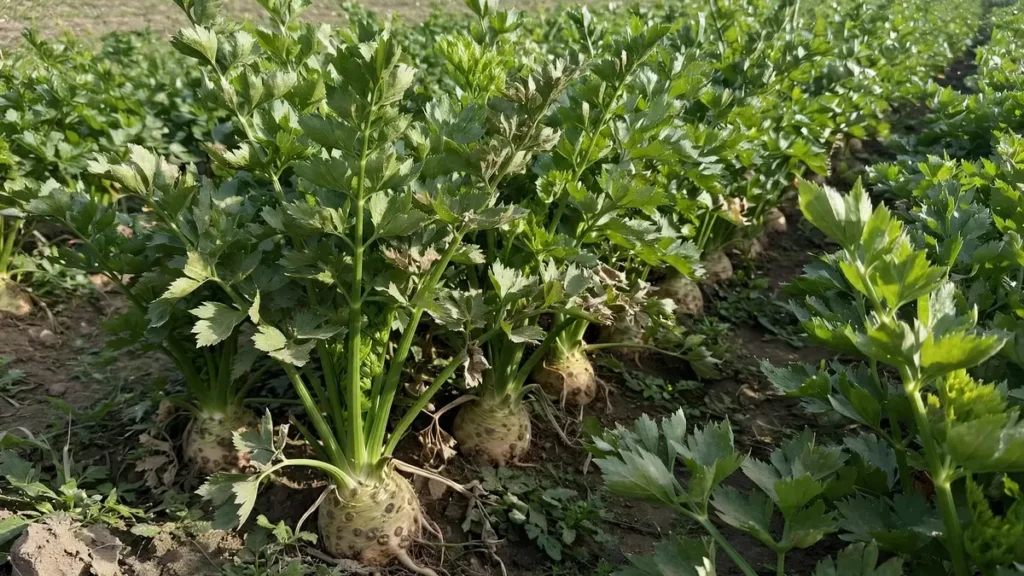
Celeriac is the least photogenic vegetable in the root cellar, and that is exactly why it rewards a proper visit. It grows as a round, knobbly bulb with a tangle of root hairs and a crown of celery-like leaves, and it looks like something you would walk past in a market without a second glance. Peel it, though, and the pale flesh inside tastes of mild celery with a nutty, faintly sweet edge, and it turns into mash, soup, roast wedges, and the classic French remoulade that no bistro menu is complete without.
A celeriac farm escape is built around that quiet surprise. You stay on a working root farm, dig the bulbs yourself on a cold morning, watch them go from muddy field to kitchen within the hour, and eat them cooked three different ways by people who have grown them for years. The farms in this guide sit near nine cities, Paris, Lyon, Brussels, Amsterdam, Berlin, Vienna, Prague, London, and Edinburgh, and each one pairs a genuine celeriac field with a comfortable bed and a good table.
The nine retreats below are a practical shortlist, not a ranking, and each one is covered by what it does well, what to watch for, and who it suits best. Every farm on the list grows its own celeriac, harvests it in season, and cooks with it every day of the week.
Key takeaways
- Celeriac is a root, not a stalk: Apium graveolens var. rapaceum, grown for its round bulb, with a mild, nutty celery flavour and a firm, pale flesh.
- The harvest runs from late summer into winter, and October and November are the sweetest months to visit.
- Every retreat below grows its own celeriac and serves it daily, so look for one that puts it on the table at least twice a day.
- Two or three nights is the right length: one day to dig and learn, one day to cook and taste.
- Celeriac itself is naturally gluten-free, but stocks, sauces, breads, and shared kitchens are where gluten appears, so tell the farm about it before you book.
Why celeriac, and why a farm escape
Celeriac has been grown in Europe since the seventeenth century, when gardeners in the Mediterranean began selecting celery plants for their swollen roots instead of their stalks.
It is also a vegetable that is hard to understand from a supermarket shelf. A shop-bought bulb is often trimmed, washed, and wrapped, with no clue about the field it came from or the soil it grew in.
The farms below were chosen because they grow celeriac as a main crop, not a side line, and because they welcome guests into the work rather than keeping them at the fence. If you want muddy boots, a warm kitchen, and a root you will never look at the same way again, it will suit you well. Our ulluco farm retreats follow the same idea for a very different Andean tuber, if you want to compare how another root crop shapes a farm stay.
How we chose these nine retreats
Every farm on this list had to pass four checks before it made the cut. It grows its own celeriac in open ground, not in a greenhouse pot. It harvests in season and cooks with the root every day, not only on weekends. And it answers messages in English within a day or two, because a farm that cannot reply to a booking question is rarely a farm that will look after you well.
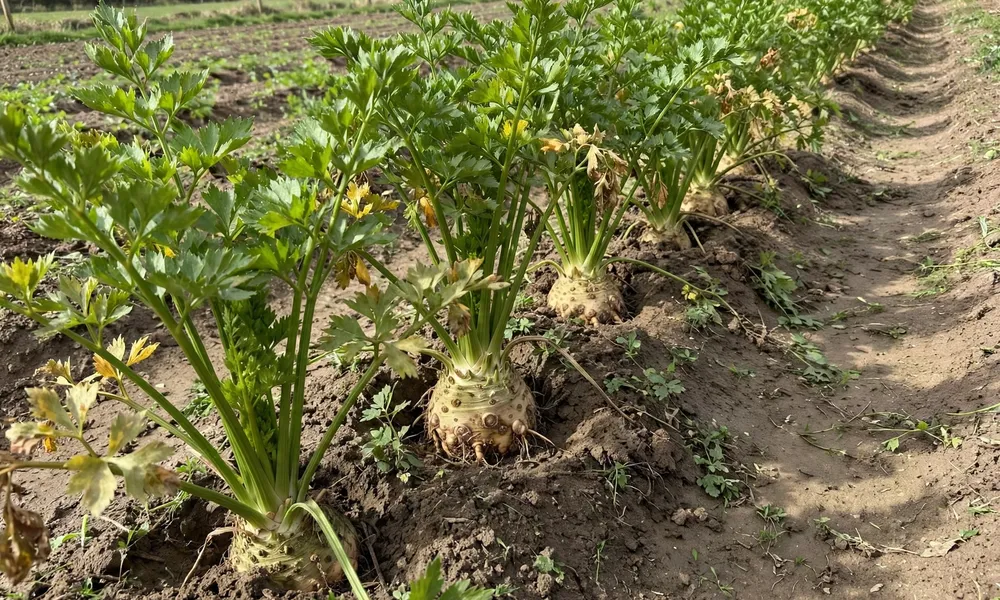
We also looked for variety across the nine, from small family plots with two guest rooms to larger estates with a restaurant, a root cellar, and a market stall. What they share is a serious celeriac field and a kitchen that treats the root as a main event.
The 9 best celeriac farm retreats of 2027
Versailles Market Gardens, Paris
What we like: A market garden on the edge of Paris with long celeriac beds, a small guesthouse above the packing shed, and a cook who makes remoulade every morning from roots dug the day before. What to consider: The rooms are simple and the garden is busy at dawn, so light sleepers should ask for a room away from the yard. Best for: Couples who want a city break with a farm morning in it. Style: Plain farmhouse rooms with a shared kitchen table. Price range: $96–$146 a night. Standout feature: A remoulade masterclass in the packing shed, using roots you dug yourself.
Hillside Root Farm in Beaujolais, near Lyon
What we like: A family farm in the Beaujolais hills with a proper root cellar, a wood-fired kitchen, and celeriac roasted whole in its skin as the house signature. What to consider: The farm is up a steep lane, so a car is almost essential, and the dining room fills fast on Saturdays. Best for: Food lovers who want to eat celeriac in every form in a single weekend. Style: Stone farmhouse with a long dining table and a cellar tour. Price range: $108–$158 a night. Standout feature: Whole roasted celeriac, split open at the table, with a hazelnut and brown butter sauce.
The hosts here treat celeriac as a serious ingredient rather than a humble one, and the weekend menu proves it: celeriac soup with smoked bacon, a slow-roasted whole root, and a grated remoulade with mustard and capers. Guests can walk the rows in the afternoon, help sort the harvest in the cellar, and take a bulb home from the farm shop.
Flemish Polder Roots, Brussels
What we like: A flat polder farm with deep, dark soil, a bright guest barn, and a kitchen that makes celeriac mash with brown butter almost every night. What to consider: The wind across the polder is cold in November, so bring a proper coat for the field work. Best for: Travellers who like flat walking, big skies, and a slow pace. Style: Converted barn with underfloor heating and a big communal table. Price range: $88–$132 a night. Standout feature: A cellar full of stored roots, and a tasting that compares five celeriac varieties side by side.
Polder Farm in North Holland, outside Amsterdam
What we like: A Dutch polder farm with neat celeriac rows, a canal-side cottage, and a cook who serves celeriac soup with rye bread and aged cheese. What to consider: The cottage is small, so it suits two people comfortably and three only at a squeeze. Best for: Couples who want a quiet canal-side stay with a farm kitchen. Style: Small canal cottage with a wood stove and a herb garden. Price range: $102–$152 a night. Standout feature: A soup-making afternoon in the farmhouse kitchen, from digging to serving in three hours.
The farm is a short cycle ride from the nearest town, and the days here move at the pace of the polder: digging in the morning, soup in the afternoon, and a walk along the canal before dinner. The cook is generous with recipes and writes them out by hand for guests who ask.
Root Fields of Brandenburg, an hour from Berlin
What we like: A large Brandenburg farm with sandy soil, a proper guesthouse, and a smokehouse that pairs celeriac with smoked fish and cured meats. What to consider: The farm is an hour from Berlin by train and bus, so plan the journey before you book. Best for: Travellers who want space, smokehouse food, and long walks. Style: Modern guesthouse with a smokehouse restaurant and a farm shop. Price range: $84–$128 a night. Standout feature: Celeriac baked in the smokehouse oven, served with smoked trout and rye.
Danube Valley Roots, Vienna
What we like: A Danube valley farm with terraced root beds, a guesthouse with a view over the river, and a kitchen that makes celeriac strudel as well as soup. What to consider: The terraces mean steps everywhere, so it is not ideal for anyone with limited mobility. Best for: Walkers and food lovers who want a river valley setting. Style: Guesthouse with a terrace, a cellar, and a bakery corner. Price range: $110–$164 a night. Standout feature: A celeriac strudel baked in the farmhouse oven, with a crisp pastry and a soft, savoury filling.
The valley setting is the draw here, and the farm uses it well: morning digging on the terraces, lunch in the guesthouse, and an afternoon walk down to the river. The strudel is the house surprise, and the cook is happy to show guests how the pastry is rolled and filled.
Old Bohemian Pickle Gardens, outside Prague
What we like: A Bohemian garden farm with old celeriac varieties, a timber guesthouse, and a kitchen that pickles celeriac with caraway and vinegar. What to consider: The farm is small and the rooms book out early in October, so reserve well ahead. Best for: Travellers who like old varieties, pickles, and a quiet garden. Style: Timber guesthouse with a garden kitchen and a pickle cellar. Price range: $79–$121 a night. Standout feature: A pickling workshop in the garden kitchen, with jars to take home.
Oast House Farm on the Kent Downs, near London
What we like: A Kent farm on the downs with chalky soil, a converted oast house, and a kitchen that roasts celeriac with rosemary and serves it with Sunday lunch. What to consider: The oast house stairs are steep, and the farm is a taxi ride from the nearest station. Best for: Travellers who want an English farm stay with a proper Sunday roast. Style: Converted oast house with a farmhouse kitchen and a walled garden. Price range: $118–$172 a night. Standout feature: Roast celeriac with rosemary, served as part of a full Sunday lunch in the farmhouse.
The chalk downs give the celeriac here a firm texture and a clean flavour, and the Sunday lunch is the event of the week: roast celeriac alongside the usual roast, with gravy, greens, and a pudding to finish. The oast house rooms are characterful and warm, the walled garden is worth a wander, and the farm is an easy day out from London if you want to combine the two.
Stone Cottage Farm in Lothian, near Edinburgh
What we like: A Lothian farm with rich east-coast soil, a stone cottage, and a kitchen that makes celeriac and leek soup with oatcakes. What to consider: The east-coast wind is sharp in late autumn, and the cottage heating takes an hour to warm through. Best for: Travellers who want a Scottish farm stay with soup, walks, and a fire. Style: Stone cottage with a wood-burning stove and a drying room. Price range: $93–$141 a night. Standout feature: A soup and oatcake supper by the stove, after a morning digging in the fields.
What celeriac tastes like in the kitchen
Celeriac is at its best when it is treated as a main ingredient rather than a background one. Raw, it is crisp and faintly peppery, and grated with mustard, lemon, and mayonnaise it becomes remoulade, the French classic that belongs beside cold meats and fish. Cooked, it turns soft and nutty: mashed with butter and cream, it is richer than potato mash and lighter at the same time, and roasted in wedges it caramelises at the edges while staying tender inside.
Soup is where most farms start, because it is forgiving and it shows off the root’s flavour clearly. The other dish worth learning is the whole roasted root, baked in its skin until a knife slides through it easily, then split open and dressed with brown butter, hazelnuts, or a sharp cheese.
One thing to know before you cook it yourself: celeriac browns quickly once peeled, so keep the peeled pieces in water with a squeeze of lemon while you work. Our arracacha farm retreats show how another root crop, this one from the Andes, is handled in the kitchen, and the comparison is useful if you cook with roots often.
The caveats that matter
Celeriac is a safe, ordinary vegetable, but a farm stay still has a few things worth knowing before you book. The harvest season is short and weather-dependent, so a farm that promises digging in August is either growing an early variety or selling you a different experience.
Allergies matter here too. Celeriac is related to celery, and people with a celery allergy should treat it with the same caution, because the proteins are similar enough to cause a reaction. Gluten is a separate question, and it is covered in the takeaways above: the root is fine, but the kitchen is where you need to ask.
| Detail | What is known |
|---|---|
| Botanical name | Apium graveolens var. rapaceum, a celery variety grown for its root |
| Best months to visit | October and November, when the roots are fully grown and sweetest |
| How long to stay | Two or three nights, with at least one full day of digging and cooking |
| What it tastes like | Mild celery with a nutty, faintly sweet edge, firm when raw and soft when cooked |
| Allergy note | Related to celery, so anyone with a celery allergy should take the same care |
| Gluten | The root is naturally gluten-free; stocks, sauces, and shared kitchens need checking |
| What to bring home | A whole root, a jar of pickles, or a written recipe from the farm kitchen |
| What it is not | Not celery stalks, and not turnip, which is a different root with a sharper flavour |
Checklist: choosing a celeriac farm retreat honestly
Use these checks before you book, and again before you pack.
- Check the farm grows its own celeriac in open ground, and ask which varieties it plants.
- Check the harvest month: October and November are the sweetest, and August digging is a warning sign.
- Check the kitchen: ask how many celeriac dishes appear on the menu each day, not just once a week.
- Check the allergy question in writing, especially if you have a celery allergy or need gluten-free food.
- Check the room: heating that works in November, a bathroom you do not share with a tour group, and a bed that suits your back.
- Check the journey: confirm the last train, bus, or taxi from the nearest town before you pay, not after.
Frequently asked questions
When is the best month for a celeriac farm stay?
October and November are the best months, because the roots are fully grown, the first frosts have sweetened them, and the farm kitchens are cooking with celeriac every day.
Is celeriac the same as celery?
No, though they are close relatives. Celery is grown for its stalks, while celeriac is a variety grown for its round root, and the two taste different: celeriac is milder, nuttier, and far better cooked.
Can I eat celeriac raw?
Yes, and it is at its crispest raw, grated into remoulade or shaved thinly into a salad.
How long should I stay on a celeriac farm?
Two or three nights is the right length. One night is enough to see the field, but not to dig, cook, and taste properly.
Is a celeriac farm escape suitable for children?
Often yes, and children usually enjoy the digging more than the adults do. Ask the farm about ages first, because some farms set a minimum age for the field work, and the kitchens are safer for older children. Our yam farm retreats are another family-friendly root farm option, if you want to compare.
What should I pack for a root farm in autumn?
Pack waterproof boots, a warm coat, and clothes you do not mind getting muddy, plus a pair of gloves for the digging.
The bottom line
The best celeriac farm retreat in 2027 is not the grandest or the most expensive. It is the farm that grows its own roots, cooks with them every day, and lets you into the work rather than keeping you at the fence. For a first visit, a two-night stay in October or November, on a farm with a proper kitchen and a host who answers messages, is the safest choice, and any of the nine above will give you that.
Choose one farm, book the digging as well as the bed, tell the kitchen about any allergy or gluten need before you pay, and judge the stay on the food and the field, not on the thread count. That is the honest way to enjoy a vegetable that looks unpromising and tastes far better than it looks.