

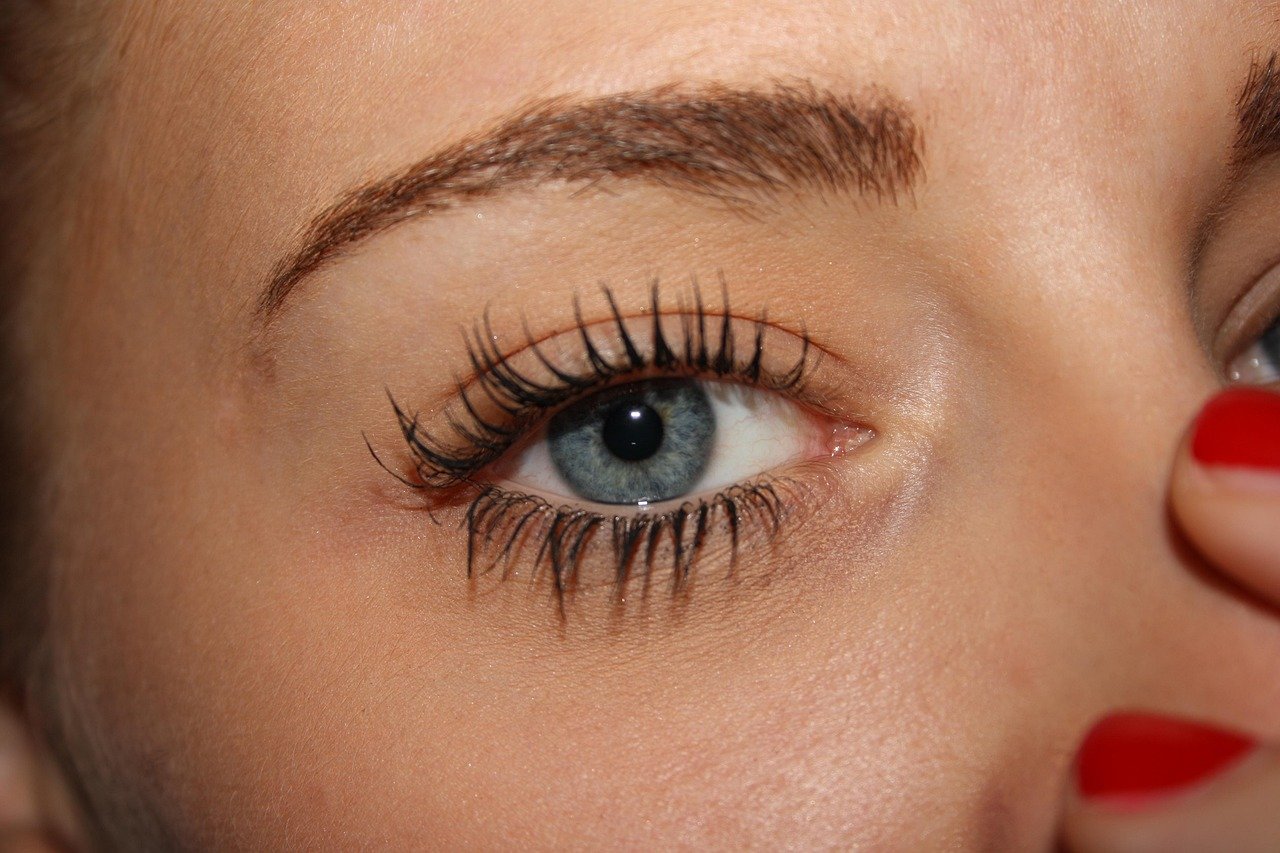

What if the difference between tired-looking eyes and bright, wide-awake eyes comes down to about ninety seconds of work? That is roughly how long a good mascara routine takes once someone knows what they are doing. The trouble is that most people learn mascara by copying what they see in videos, and those quick clips skip the parts that actually matter: how to hold the wand, how much product belongs on it, and why lashes clump in the first place.
Mascara is a cosmetic applied to eyelashes to darken, thicken, lengthen, or curl them. That simple job hides a surprising amount of technique. This guide walks through the whole process in plain terms, from choosing a formula to taking it off at night, with the mistakes that trip people up along the way.
What Mascara Actually Is and Why That Matters for Application
Mascara is generally an emulsion of water, waxes such as carnauba or beeswax, film-forming polymers, pigments (commonly iron oxides or carbon black), and preservatives. Each of those ingredients changes how the product behaves on the lash.
The waxes give volume and hold. The polymers form a flexible film that keeps the product from flaking. The water content is why a tube dries out over time, and the preservatives are why a tube has a shelf life at all. Understanding this helps explain some everyday frustrations:
- A tube that has thickened is losing water, not gaining power. Adding water does not fix it and can introduce bacteria.
- Flaking usually means too much product was layered on, or the formula has aged past its useful life.
- Smudging under the eyes often comes from the natural oils around the eye breaking down a non-waterproof film.
The eye area is delicate, and the products that go near it deserve a little respect. Cosmetic eye products, including mascara, should be kept clean and never shared, and they should be discarded if the odor or color changes. That is basic hygiene guidance, and it applies no matter how expensive the tube was.
Choosing the Right Mascara Formula

Not every formula suits every lash. The right pick depends on lash type, eye shape, and how long the wearer needs the product to last.
| Formula type | Best for | Watch out for |
|---|---|---|
| Lengthening | Short, sparse lashes | Can look spidery if over-applied |
| Volumizing | Fine or thin lashes wanting density | Heavier formulas can weigh lashes down |
| Curling | Straight or downward-pointing lashes | Needs a drier formula or lashes droop |
| Waterproof | Humid weather, tears, long events | Requires oil-based removal |
| Tubing | Sensitive eyes, easy removal | Can be less dramatic in volume |
| Clear or tinted | No-makeup looks, brow grooming too | Minimal definition |
One useful detail about waterproof mascara: in the United States, “waterproof” is a marketing claim. The Food and Drug Administration does not pre-approve cosmetic claims, though any claim made must be truthful and not misleading. In practice, that means the word on the tube tells you something about the formula’s intent, but the actual wear test happens on the wearer’s own eyes.
For people with very curly or coily hair textures who also deal with sparse lashes, the same principles that guide 4c hair care apply here: moisture and gentle handling matter more than force. Lashes are hair, and they respond to the same kindness.
Wand Shape and Bristle Type
The wand does as much work as the formula. A few common shapes and what they do:
- Straight bristle brush: classic all-rounder, good for separating and coating evenly.
- Tapered brush: reaches the inner and outer corners without smudging the lid.
- Curved brush: follows the natural lash line and lifts lashes upward.
- Plastic or molded comb: separates lashes well, less good at building volume.
- Hourglass or sphere brush: adds volume at the center of the lash line.
Matching the wand to the goal is half the battle. Someone who wants separation should reach for a comb-style wand. Someone chasing drama wants a dense, fluffy brush and a formula with more wax.
Preparing the Lashes Before Mascara
Preparation is where most routines quietly succeed or fail. Skipping it is the single most common reason mascara looks clumpy or smudges by lunchtime.
- Start with clean, dry lashes. Any leftover makeup, moisturizer, or eye cream on the lashes stops the product from gripping. A quick pass with a clean spoolie helps.
- Curl before applying, not after. Curling after mascara is applied can bend lashes at a harsh angle and pull product off. Warm the curler briefly in the hands, clamp at the base, and hold for a few seconds.
- Blot the lids. A little translucent powder or a blotting paper around the eye area reduces the oils that cause smudging.
- Prime if needed. A lash primer can add hold and length, but it also adds a step and another product with its own shelf life. It is optional, not essential.
There is a reason lash curlers come before mascara in nearly every professional routine. Curling lifts the lash from the root, and mascara then locks that shape in place. Curling afterward fights the film the mascara has already formed.
The Step-by-Step Application Method
This is the core of the routine. The technique below is the one most makeup artists describe, and it works across formulas and lash types.
- Wipe the wand. Pull the wand out and gently scrape the excess against the inside rim of the tube. Do not pump the wand in and out; pumping pushes air and bacteria into the tube and dries the formula out faster.
- Start at the base. Place the wand at the roots of the lashes and wiggle it gently side to side. This deposits product where it creates the most definition and lifts the lash line.
- Sweep upward and outward. Roll the wand slowly as it moves toward the tips. The rolling motion coats the lash evenly rather than dumping product in one spot.
- Work in thin layers. One coat, a short pause, then a second coat if more is wanted. Thin layers build up; thick layers clump.
- Do the lower lashes last. Use the tip of the wand and a light touch. A zigzag motion on the lower lashes prevents the heavy, doll-like look that comes from full strokes.
- Check for transfer. Look straight ahead, then down, then up, and clean up any smudges with a dry cotton swab once the product has dried.
The classic mistake is trying to get dramatic volume in one coat. It rarely works. Two or three thin coats, with a few seconds between them, produce a fuller result with far less clumping than one heavy pass.
Another frequent error: applying mascara to lashes that are still slightly damp from a shower or from cleansing. Water on the lash dilutes the film and makes the product slide. Dry lashes hold better.
Application Tips by Lash Type
Straight lashes benefit from a curling formula and a curved wand, with the curl done before any product goes on. Sparse lashes do better with a lengthening formula and a tapered brush that reaches the corners. Fine lashes can handle volumizing formulas, but heavy coats will drag them down.
For anyone with textured or curly hair who is used to working with pattern-specific routines, think of lashes the same way you would think of 2b hair: the goal is definition and shape, not stiffness. A light hand and the right product do more than brute force. (The row)
Common Mascara Mistakes and How to Fix Them
Most mascara problems have a specific, fixable cause. Here is a quick diagnostic table.
| Problem | Likely cause | Fix |
|---|---|---|
| Clumps | Too much product, too few strokes | Scrape the wand, use a lash comb while wet |
| Smudges under eyes | Oils breaking down the film | Powder the under-eye, try a tubing formula |
| Flaking | Old formula, too many layers | Replace the tube, apply fewer coats |
| Lashes droop | Heavy formula, curl done after | Curl first, use a lighter or curling formula |
| Spidery tips | Product pushed to the ends | Focus the wand at the base, not the tips |
| Irritation or redness | Sensitivity to an ingredient | Stop using it and patch test new products |
On the last point, eye cosmetics can cause contact dermatitis or irritation. Anyone who notices redness, itching, or swelling should stop using the product rather than trying to push through it.
Keeping the Tube Clean and Knowing When to Replace It
Mascara has a shorter useful life than almost anything else in a makeup bag. Widely repeated guidance from dermatology and public-health sources suggests replacing mascara about every three months after opening. That figure is a convention rather than a legal standard, but the reasoning behind it is sound: the wand travels from the tube to the eye and back, and the dark, moist environment inside the tube is friendly to bacteria.
A few practical habits make a real difference:
- Never share mascara. Not with a friend, not with a sibling, not even once.
- Store it away from heat. A hot car or a sunny windowsill degrades the formula faster.
- Stop pumping the wand. It is the single easiest way to push air and contaminants into the tube.
- Write the opening date on the tube. A small sticker or a marker note removes the guesswork.
- Toss it if the smell or texture changes. That is the clearest signal the product has turned.
There is also a regulatory dimension worth knowing. In the European Union, cosmetics fall under Regulation (EC) No 1223/2009, which requires a safety assessment and a product information file before a product goes to market. That is a stricter pre-market framework than the one used in the United States, where the FDA’s oversight of cosmetics works differently. Neither system changes the practical advice: a clean tube and a sensible replacement schedule protect the eyes.
Removing Mascara Without Damaging Lashes
Removal deserves as much attention as application. Rubbing at the eyes with a tissue pulls at the delicate skin and can break lashes.
Waterproof mascara typically requires an oil-based or dedicated eye-makeup remover because of its water-resistant polymers. The method that works best is simple: saturate a cotton pad, hold it against the closed eye for several seconds to let the product soften, then wipe gently downward. No scrubbing.
For non-waterproof formulas, a gentle cleanser and warm water usually do the job. Either way, the goal is to let the product dissolve rather than to physically pull it off. Lashes that are handled gently grow back better and break less often.
A final habit worth building: cleanse the eye area every night, even on days when makeup was minimal. Leftover product on the lash line can clog the follicles and cause irritation over time. (2b hair)
Conclusion
Applying mascara well is not about owning the most expensive tube or copying a viral technique. It comes down to a handful of habits: clean, dry lashes, a curl before the product goes on, a wand that is scraped rather than pumped, thin layers instead of one heavy coat, and a removal routine that treats the eye area gently. The formula and the wand should match the lash type, and the tube should be replaced on a sensible schedule rather than kept until it turns.
Get those basics right, and the ninety-second routine starts to look like the best-value step in the whole makeup bag. For anyone who wants to go further, the same principles of definition and gentle handling show up across other beauty routines as well. Good lashes are mostly good technique.
Frequently Asked Questions
How long should you wait between coats of mascara?
About ten to twenty seconds is usually enough. The first coat needs to set slightly so the second coat builds on it instead of dragging it around. Waiting too long, on the other hand, makes the second coat sit on top of a dry film and flake later. A short pause is the sweet spot.
Is it better to curl lashes before or after mascara?
Before, almost always. Curling after mascara has been applied can bend the lash at a sharp angle and pull product off, and it risks tugging lashes out. Curling first lifts the lash from the root, and the mascara then holds that shape.
Why does my mascara smudge under my eyes?
The most common cause is oil from the skin around the eyes breaking down the mascara film. Blotting or lightly powdering the under-eye area before application helps a lot. Switching to a tubing or waterproof formula is the other reliable fix. Rubbing the eyes during the day makes it worse.
How often should mascara be replaced?
Guidance from dermatology and public-health sources commonly suggests replacing mascara about every three months after opening. That is a convention rather than a legal rule, but it reflects a real risk: the wand carries bacteria from the eye into the tube and back. Discard it sooner if the smell or texture changes.
Can you apply mascara to the lower lashes without looking clumpy?
Yes, with a lighter touch. Use just the tip of the wand rather than the full brush, and move it in a gentle zigzag instead of a full stroke. Wiping excess product off the wand first makes a big difference. Many people also prefer a thinner, separate formula for the lower lashes.
What is the right way to remove waterproof mascara?
Use an oil-based or dedicated eye-makeup remover. Saturate a cotton pad, press it against the closed eye for several seconds so the product can soften, then wipe gently downward. Avoid scrubbing, which pulls at the skin and can break lashes. Patience works better than pressure.









