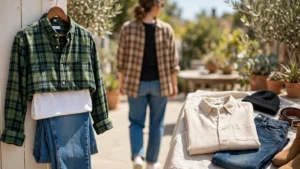
Shackets are still in style in 2027, and the reason is simple: they do the work of three garments at once. Part shirt, part jacket, part layering piece, a shacket is the easiest way to finish an outfit without reaching for a heavy coat. It slips over a T-shirt on a mild day and layers under a wool coat when it turns cold.
The question is not whether shackets are in style. It is whether you are wearing the right one in the right way. A shacket that is too boxy can swallow your shape. The version that works in 2027 is structured, soft enough to move in, and styled with something fitted underneath.
Below are nine shacket looks that work in 2027, from a classic plaid version with jeans to a belted style worn as a dress. Each one is described by what it does well, what to watch for, and who it suits best.
Key takeaways
- Shackets are still in style in 2027, with structured wool, leather, and plaid versions leading the trend.
- The best shacket holds its shape, fits true to size in the shoulders, and is long enough to layer over a top without bunching.
- Balance an oversized shacket with something fitted underneath, such as a slim top, straight-leg jeans, or a slip skirt.
- A shacket works as a light jacket in spring and autumn, and as a mid-layer under a coat in winter.
- No shacket suits every body and every occasion, and a very oversized or very thin version can look shapeless rather than relaxed.
What a shacket actually is and why it works
A shacket is a shirt jacket: a garment cut like a shirt, with a collar, buttons, and chest pockets, but made in a heavier fabric and worn open or closed like a jacket. On a day that is too warm for a coat and too cool for just a top, it is the right weight. It gives you a pocket, a collar, and a bit of wind protection without the bulk of outerwear.
The style took off because it solves a real dressing problem. Most of us live in a narrow temperature band for much of the year, where a coat is too much and a cardigan is too little. A shacket fills that gap, and it does so in a way that looks put together.
What has changed in 2027 is the cut. The shapeless, oversized shacket that flooded the shops a few years ago has given way to versions with a cleaner shoulder, a defined collar, and a length that hits at the hip or just below it. A good wool blend, cotton twill, or supple leather holds its shape and looks expensive, while a flimsy polyester version creases, clings, and looks tired after a few wears.
How we chose these shacket looks and what to look for
Look first at the shoulders. A shacket should sit cleanly, with the seam at or just past the natural shoulder line. If the seam drops halfway down your upper arm, it will look oversized in the wrong way and be hard to layer under a coat. If it pulls across the chest when buttoned, it is too small.

Look next at the fabric and the weight. Wool blends are the warmest and most structured, and suit autumn and winter. Cotton twill and denim are lighter and work in spring. Leather is the dressiest and most expensive, but a good one lasts for years. An unlined shacket is fine for mild weather, but a lined one is warmer and hangs better.
Finally, look at the length and the pockets. A shacket that ends at the hip works with jeans, trousers, and skirts. A longer one, ending mid-thigh, can be worn as a light coat or belted as a dress. Our guide to the best blazers for women is a useful comparison here, because a shacket is best thought of as a blazer’s relaxed cousin: less formal, more forgiving, and easier to wear every day.
The 9 best ways to wear a shacket in 2027
Classic plaid shacket with straight-leg jeans
What we like: The most versatile shacket of all, in a wool blend with a classic check, that works with jeans, boots, and a plain white T-shirt. What to consider: Large checks can overwhelm a petite frame, so choose a smaller scale if you are short. Best for: Everyday wear, weekends, and casual outings. Fabric: Wool blend. Price range: Mid-range. Standout feature: The check pattern, which adds interest without any extra styling.
Keep everything underneath plain: a white or black T-shirt, straight-leg jeans, and ankle boots or trainers. The plaid does the work, so the rest of the outfit can stay quiet.
Oversized wool shacket worn as a light coat
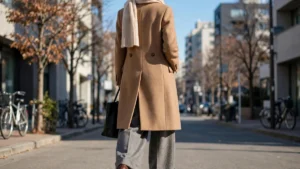
What we like: A generously cut wool shacket in camel or charcoal that replaces a light coat on mild autumn days, with room for a knit underneath. What to consider: The oversized cut needs a fitted base layer, or the outfit can look shapeless. Best for: Autumn, travel, and days when you need a layer you can throw on and go. Fabric: Brushed wool. Price range: Mid-range to premium. Standout feature: The roomy fit, which makes it genuinely warm when layered.
Wear it open over a fine knit and straight trousers. The key is the contrast between the relaxed outer layer and the neater pieces underneath; if everything is oversized, the outfit loses its shape.
Leather shacket with a slip skirt
What we like: A supple leather shacket in black or dark brown that dresses up a silk slip skirt and adds edge without effort. What to consider: Leather is warm and does not breathe well, so it suits cool days. Best for: Evenings, dinners, and occasions when you want to look polished with little effort. Fabric: Leather or quality faux leather. Price range: Premium. Standout feature: The leather texture, which lifts a simple skirt-and-top outfit.
Pair it with a midi slip skirt, a fitted top, and heeled boots, keeping the rest of the outfit in one or two muted colours. A leather shacket is the most expensive option here, but it lasts longest and looks better with age.
Denim shacket with a white T-shirt and trousers
What we like: A mid-wash denim shacket that works like a jacket but feels like a shirt, easy to wear and hard to get wrong. What to consider: Avoid wearing it with jeans in the same wash, or the outfit can look like a matching set. Best for: Spring, casual days, and layering over dresses. Fabric: Cotton denim. Price range: Affordable to mid-range. Standout feature: The denim texture, which adds a casual, lived-in feel.
Wear it with tailored trousers in black, cream, or khaki rather than with jeans, plus a white T-shirt and loafers. That mix of denim and tailoring keeps the look smart rather than scruffy.
Belted shacket worn as a dress
What we like: A longer shacket, belted at the waist and worn on its own, that turns a layering piece into a complete outfit. What to consider: It needs to be long enough to cover you comfortably, ideally mid-thigh or below, and the belt should be slim. Best for: Mild days, casual lunches, and anyone who likes a one-piece outfit. Fabric: Cotton twill or wool blend. Price range: Mid-range. Standout feature: The belted waist, which gives shape to a relaxed garment.
Add knee-high boots or heeled ankle boots, and a small bag. The belt defines the waist and stops the shacket looking like an oversized shirt, so choose a solid colour, since a bold pattern can be too much when it covers the whole body.
Shacket over a knit dress
What we like: A soft wool shacket layered over a fine knit dress, which adds warmth and structure without hiding the dress. What to consider: The shacket should be slightly longer than the dress, or the hemline will look untidy. Best for: Autumn and winter, work days, and cool evenings out. Fabric: Wool or wool blend. Price range: Mid-range. Standout feature: The layered texture, which looks considered rather than thrown together.
Take the shacket off indoors and the dress stands on its own; put it back on to go out and you have a coat. Choose a shacket in a colour that contrasts gently with the dress, such as camel over charcoal.
Cropped shacket with wide-leg trousers
What we like: A shorter shacket that ends at the waist, worn with high-waisted wide-leg trousers for a clean, modern silhouette. What to consider: The cropped length suits taller frames best, and it needs a fitted top underneath to avoid a bulky middle. Best for: Spring, smart-casual days, and anyone who likes a defined waist. Fabric: Cotton twill or corduroy. Price range: Affordable to mid-range. Standout feature: The cropped cut, which balances the volume of wide-leg trousers.
Pair it with a tucked-in fitted top, wide-leg trousers in a contrasting colour, and loafers or heeled boots. The proportions should be clear: short on top, long and wide below. A trench coat can replace the shacket on a rainy day, but the cropped shacket is lighter and less formal.
Shacket with a waistcoat and midi skirt
What we like: A tailored shacket worn open over a waistcoat and a midi skirt, a layered look that feels smart without being formal. What to consider: Keep the colours close together, or the layers can compete with each other. Best for: Work, smart-casual events, and cooler spring days. Fabric: Wool blend. Price range: Mid-range. Standout feature: The waistcoat layer, which adds structure and polish.
The shacket softens the formality of the waistcoat, while the waistcoat gives the shacket shape. Wear it with a pleated or A-line midi skirt and heeled boots, keeping jewellery minimal.
Shacket worn buttoned as a shirt
What we like: A fine cotton shacket buttoned up and tucked into trousers or a skirt, worn as a shirt rather than a jacket. What to consider: It needs a lighter fabric, or it will look too heavy tucked in, and a closer fit than an oversized style. Best for: Spring, office days, and anyone who wants one garment to do two jobs. Fabric: Fine cotton or cotton-linen. Price range: Affordable to mid-range. Standout feature: The versatility, since the same piece works as a shirt and as a jacket.
Tuck it into high-waisted trousers, add a belt, and finish with loafers. The collar and chest pockets give it more interest than a plain shirt, and if it looks good buttoned and tucked in, it will look good open as a jacket too.
Which shacket is right for you
If you are petite, choose a shacket that ends at the hip, with a smaller-scale pattern and a shoulder seam that sits where your shoulder ends. An oversized, mid-thigh shacket can overwhelm a small frame, while a hip-length version keeps your proportions clear. A cropped shacket with high-waisted trousers also lengthens the leg line.
If you are tall, you have more freedom. A longer shacket, ending mid-thigh, works well and can be belted as a dress or worn open as a light coat. Oversized cuts suit you better, because you have the height to carry the volume. Avoid very short shackets, which can look out of proportion on a long torso.
If you want one shacket to do the most work, choose a wool blend in camel, charcoal, or a classic plaid. Those colours go with almost everything and work across autumn, winter, and spring. A leather shacket is a better second purchase, while a denim shacket is the best budget option. Our guide to fashion for women in their 30s covers the same principle: buy the versatile piece first, then add the statement piece.
The caveats that matter
Shackets are forgiving, but they are not foolproof. The most common mistake is choosing a size too big in the hope of looking relaxed: one size too big looks casual, but two sizes too big looks borrowed and is hard to layer under a coat. If you want an oversized look, buy a style designed to be oversized, with a dropped shoulder and a longer body, rather than sizing up a regular cut.
| Detail | What is known |
|---|---|
| Still in style in 2027 | Yes, with cleaner cuts and better fabrics than the early oversized versions |
| Best all-round fabric | Wool blend, for warmth, structure, and versatility |
| Best budget option | Cotton twill or denim, affordable and easy to wear in spring |
| Ideal length | Hip-length for most people; mid-thigh if worn as a coat or belted as a dress |
| How to avoid looking shapeless | Balance an oversized shacket with something fitted underneath |
| When it works as outerwear | Spring and autumn on its own; winter as a mid-layer under a coat |
| Who should size carefully | Petite frames, where a very oversized cut can overwhelm proportions |
| What it does not do | It does not replace a proper winter coat, and a very thin version is a shirt, not a jacket |
A shacket is also not a substitute for a proper coat in deep winter: on a cold, wet day it will not keep you warm on its own. Wear it under a wool coat when the temperature drops. And check the care label before you buy: wool shackets often need dry cleaning, while cotton and denim versions can usually be washed at home.
Checklist: choosing a shacket honestly
Use these checks before you buy, and again after your first few wears.
- Check the shoulders: the seam should sit at or just past your natural shoulder line.
- Check the fabric: wool blend or cotton twill holds its shape; flimsy polyester creases and clings.
- Check the length: hip-length for most outfits, mid-thigh if you want to wear it as a coat or belted as a dress.
- Check the fit when buttoned: it should close without pulling across the chest.
- Check the pockets: chest pockets should lie flat, not gape open when you move.
- Check the care label: make sure you are happy with dry cleaning, or choose a washable fabric.
Frequently asked questions
Are shackets still in style in 2027?
Yes. Shackets are still in style in 2027, with cleaner cuts, better fabrics, and more structured versions than the very oversized styles of a few years ago. Wool, leather, and plaid are the strongest, and the look works across casual, smart-casual, and layered outfits.
What should I wear under a shacket?
A plain T-shirt, a fine knit, or a fitted top works best. The shacket is the relaxed piece, so what goes underneath should be neater and closer to the body. Avoid a bulky jumper underneath unless the shacket is deliberately oversized.
Can I wear a shacket to work?
Yes, if you choose a structured wool version in a solid colour or a subtle check, paired with tailored trousers or a midi skirt. A denim or very oversized shacket is better kept for casual days.
Are shackets warm enough for winter?
On their own, no. A wool shacket is warm for autumn and mild winter days, but in cold weather it works best as a mid-layer under a proper coat, adding warmth without bulk.
How do I stop a shacket looking shapeless?
Balance it with something fitted underneath, such as a slim top and straight-leg jeans, or belt it at the waist. Choose a shacket with a clean shoulder and a defined collar, and avoid sizing up more than one size from your usual fit. One relaxed piece per outfit is enough.
What is the difference between a shacket and a shirt jacket?
There is no difference. A shacket is a shirt jacket: a garment cut like a shirt but made in a heavier fabric and worn as a light jacket.
The bottom line
Shackets are still in style in 2027 because they are useful, not just fashionable. A good one replaces a light jacket, layers under a coat, and finishes an outfit in a way that a cardigan cannot. The versions that work best are structured, well made, and worn with something fitted underneath, so the proportions stay balanced.
Start with a wool blend in camel, charcoal, or plaid, in a hip-length cut that fits your shoulders, worn with jeans and a plain top. Add a leather or belted version later, once you know how much you reach for the first one. That is the honest way to buy a shacket: one good one first, worn often, rather than three cheap ones that never quite work.