

Who is “artist Ashe”? Ask ten people and you may get three different answers. One person will hum “Moral of the Story.” Another will picture a frost archer from a video game. A third will mention an illustrator they follow online. The name is short, spellable, and shared, and that overlap confuses fans, playlist curators, and search engines alike.
This guide sorts out the mix-up. It covers the Ashe most people mean when they type the phrase, explains why the other Ashes keep appearing in results, and offers practical ways to find the right one fast. If you have ever clicked a link expecting a singer and landed on a game wiki, this is for you.
The Ashe Most People Are Looking For
When someone searches “artist Ashe” without any other context, they are usually after the American singer-songwriter who performs under that single-word stage name. Her real name is Ashlyn Willson, and she built a following by writing candid, diaristic pop songs about growing up, falling apart, and putting yourself back together.
Her breakout moment came sideways, through film rather than radio. The song “Moral of the Story” appeared on the soundtrack of the 2019 film Someone Great, and that placement pushed the track to a much wider audience than it had reached on its own. It is a common pattern in modern music careers: a sync license does what a marketing budget often cannot.
Before the debut album, she released an EP called The Rabbit Hole in 2018. That record set the template — piano-led arrangements, close-miked vocals, lyrics that read like journal entries. Her first full-length album, Ashlyn, arrived in 2021 and pulled those threads into a fuller production while keeping the confessional core.
Why the Name Works as a Brand
Dropping the surname is a deliberate move that many pop artists make. A single word is easier to remember, easier to stylize in cover art, and easier to type into a search bar. The trade-off is exactly the problem this article addresses: a common word with a distinctive spelling becomes a magnet for collisions. “Ashe” sits close to “Ash,” “Asher,” and a pile of usernames, so the artist’s identity has to compete with all of them.
For listeners, the practical takeaway is simple. Add a qualifier. “Ashe singer,” “Ashe Ashlyn album,” or “Ashe Moral of the Story” will land you in the right place almost every time. Bare “Ashe” alone is a coin flip.
The Other Ashe: A Game Character, Not a Musician

The second major source of confusion is a fictional one. Ashe is a playable champion in the video game League of Legends, introduced in 2015. She is a marksman who fights with a bow, and she has been part of the game’s roster for roughly a decade, which means an enormous volume of fan art, guides, and wiki pages carries her name.
This is where the phrase “artist Ashe” gets genuinely messy. Plenty of illustrators draw the champion, tag their work with her name, and publish it on art platforms. Someone searching for a musician can therefore land on a gallery of fantasy archer paintings, and someone searching for character art can land on a Spotify page. Neither is wrong. The search engine simply cannot tell which Ashe the person meant.
A quick comparison helps separate the two:
| Feature | Ashe the singer-songwriter | Ashe the game champion |
|---|---|---|
| What she is | A real musician (Ashlyn Willson) | A fictional character |
| First major release or appearance | The Rabbit Hole EP in 2018 | Added to League of Legends in 2015 |
| Best-known work | “Moral of the Story” | Long-running playable role in the game |
| Where she appears | Music platforms, soundtrack credits | Game client, fan wikis, fan art |
| What “artist Ashe” usually means | The performer | Fan artwork of the character |
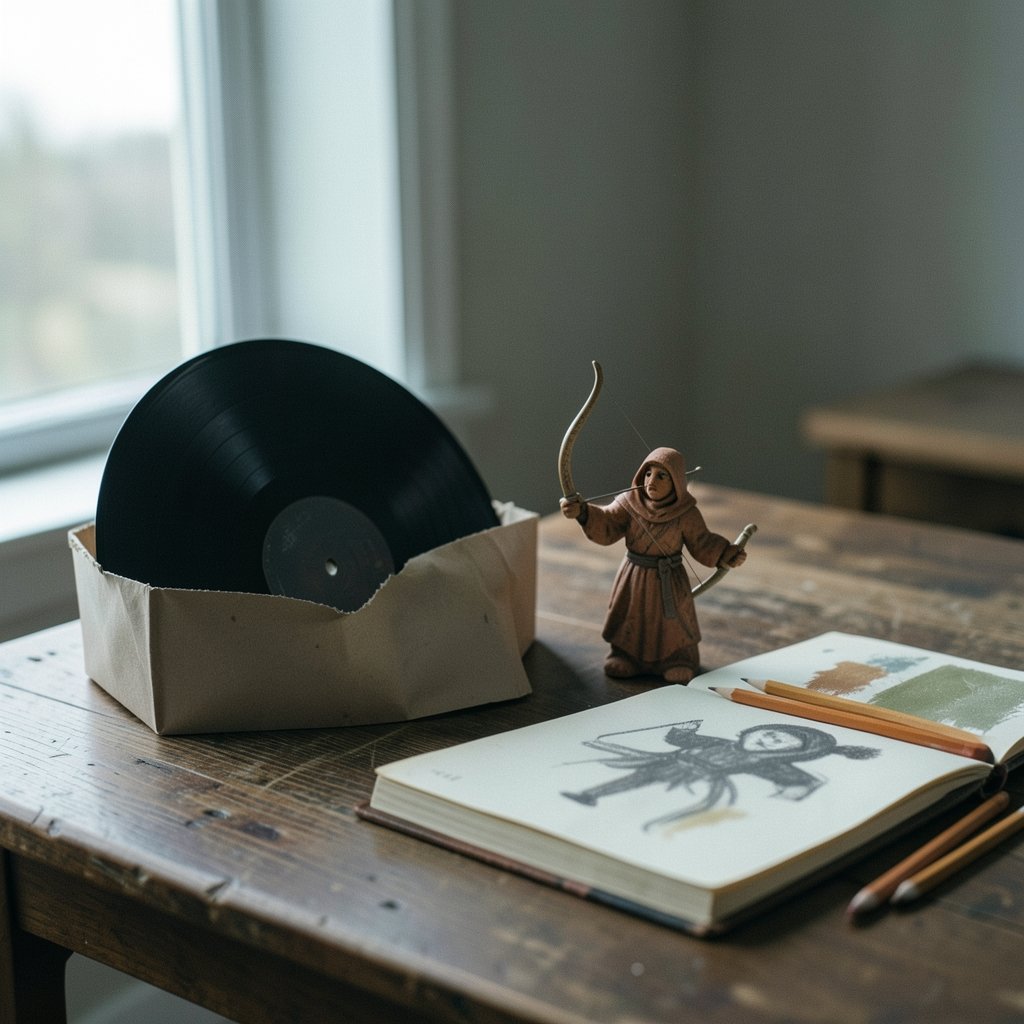
If the content you found includes a bow, a hood, and a fantasy setting, you have found the champion. If it includes a piano and a breakup, you have found the singer.
Why the Name Collision Happens So Often
Three forces push these identities into the same search results.
First, the spelling is short and unusual but not unique. Names like this behave like magnets online. Every new creator who adopts one adds another layer of ambiguity, and the older, bigger entity tends to dominate the results by sheer volume.
Second, fan art is a massive content category. Game characters generate millions of images, and artists tag those images with the character’s name to help people find them. That is good practice for the artist and bad news for anyone trying to search for a musician.
Third, music discovery has shifted toward mood and vibe searches. People type fragments, not full names. A fragment like “ashe” pulls in everything at once — songs, paintings, wikis, and unrelated accounts.
The fix is not complicated, but it does require a small habit change. Treat the name as a starting point, not a destination, and always add one identifying word.
Practical Tips for Finding the Right Ashe Fast
Here is what actually works when you are searching, based on how these platforms behave in practice.
- Add a role word. “Singer,” “musician,” “illustrator,” or “champion” narrows the field instantly. Two words beat one nearly every time.
- Search a song title instead of a name. Titles are far more specific than names. If you remember any lyric or track, use it.
- Use the album as an anchor. Searching the debut album name alongside the artist name filters out almost all unrelated results.
- Check the platform as well as the query. Music apps surface musicians. Art platforms surface illustrators. Game wikis surface characters. Start on the platform that matches what you want.
- Watch the spelling. Adding or dropping the final “e” changes the results dramatically, and many people misremember which version is correct.
- Filter by date when you need current work. Old fan art and older releases both linger in results for years, so a date filter saves time.
Common Mistakes People Make
The most frequent error is assuming there is only one Ashe. That assumption leads people to dismiss a correct result as wrong, or to follow the wrong account for months without noticing.
The second mistake is trusting the first image result. Image search is especially unreliable here because fan art is visually striking and gets clicked often, which trains the algorithm to keep showing it.
The third mistake is overlooking soundtrack credits. Songs placed in films often live in two places online — the artist’s own catalog and the film’s soundtrack listing — and people who find one sometimes conclude the other does not exist.
A fourth, subtler mistake: assuming a name collision means something shady. It usually does not. Short names simply get reused, and the internet has no central registry to prevent it. The same thing happens with product names, which is why a bag of nuts can carry a label that raises eyebrows and still be perfectly legal. The labeling rules around salted cashews and what you’re really getting in that bag are a good reminder that names and contents do not always line up the way shoppers expect. Online identities work the same way: the label is not the product.
What to Do If You Are the Artist Named Ashe
If you are a visual artist, illustrator, or musician who happens to use this name, the collision is your problem to manage, and it is manageable.
Pick a consistent qualifier and use it everywhere. “Ashe” plus your medium, your city, or your middle initial gives people a handle to grab. Put it in your display name, your bio, and your captions. Consistency matters more than cleverness.
Then claim your handles across platforms, even the ones you do not plan to use yet. A dormant account you control is far better than one someone else controls.
Finally, make your work easy to describe. A clear one-line bio does more for discoverability than any hashtag strategy. If a stranger can repeat what you do in one sentence, they can find you again later.
This is the same discipline that separates a working tool from a confusing one. A utility with a specific, well-documented purpose gets adopted; one with a vague name and no explanation gets abandoned. The lesson from a niche service tool that actually does what its name suggests applies directly to personal branding: clarity about function beats a memorable but blurry label every time.
Ashe Across Music, Games, and Visual Art
It helps to think of the name as a category with three shelves.
The music shelf holds the singer-songwriter, her EP, her 2021 debut album, and the soundtrack placement that changed her trajectory. This is the shelf most casual searchers want.
The game shelf holds the champion, her decade-long presence in a major title, and the sprawling ecosystem of guides, wikis, and discussion that surrounds any long-running character.
The visual art shelf holds individual creators who use the name, plus the enormous body of fan art depicting the game character. This shelf is the least organized, which is precisely why it causes the most confusion.
Knowing which shelf you are on solves most of the problem before you type anything. It also explains why a single search result can feel so wrong: you were on one shelf and the result came from another.
There is a broader point here about how creative work gets discovered. A name is a weak identifier. A body of work is a strong one. The artists who get found reliably are rarely the ones with the most distinctive names; they are the ones whose work is described clearly enough that other people can pass it along. Word of mouth runs on description, not on spelling.
That is also why treatment-focused beauty content performs so well — it answers a specific question instead of gesturing at a vague category. A piece on what a lash lift and tint treatment really does to your lashes works because the reader knows exactly what they came for. The same principle applies to artist searches: specificity is the whole game.
A Note on Verification
One honest caveat belongs here. The name “Ashe” is used by multiple people and entities, and not every claim circulating online about any of them is reliable. Details like exact release dates, chart positions, and award histories are easy to misstate and hard to check, and fan-maintained wikis are useful but secondary.
If a specific fact matters to you — a release date, a tour, a commission — confirm it on the artist’s own channels or an official source rather than a reposted summary. That habit protects you from the most common failure mode in this space, which is confidently repeating a detail that was never true.
Conclusion
“Artist Ashe” is not one person. It is a name shared by a singer-songwriter with a knack for turning private feelings into public songs, a game character who has been part of a major title since 2015, and an unknown number of visual artists working under the same short label. The confusion is structural, not scandalous, and it dissolves the moment you add a single qualifying word to your search.
For most people, the singer is the answer. Her path — an EP in 2018, a film placement in 2019, a debut album in 2021 — is a tidy case study in how modern music careers actually get built, one sync license and one honest song at a time. For everyone else, the champion and the illustrators are waiting on their own shelves, easy to reach once you know they exist.
Search with a qualifier. Check the platform. Confirm the details that matter. Do those three things and the right Ashe will show up every time.
Frequently Asked Questions
Who is the artist known as Ashe?
The name most commonly refers to Ashlyn Willson, an American singer-songwriter who performs as Ashe. She released the EP The Rabbit Hole in 2018 and her debut album Ashlyn in 2021, and she is best known for the song “Moral of the Story.”
Why does Ashe also show up as a video game character?
Ashe is a playable champion in League of Legends, introduced in 2015. Because the character has been in the game for about a decade, a huge amount of fan art, guides, and wiki content carries her name, which pushes it into the same search results as the musician.
What song made Ashe famous?
“Moral of the Story” is the song most associated with her. It appeared on the soundtrack of the 2019 film Someone Great, and that placement significantly increased the song’s visibility beyond her existing audience.
How can I tell which Ashe I have found?
Look at the context. A piano, a lyric video, or an album cover points to the musician. A bow, a hood, a fantasy setting, or a game interface points to the champion. A portfolio page with original illustrations points to a visual artist using the name.
When did Ashe release her first album?
Her debut studio album, Ashlyn, was released in 2021. It followed the 2018 EP The Rabbit Hole and expanded the stripped-back, confessional style she had established on that earlier release.
Is it “Ashe” or “Ash”?
Both spellings exist and they lead to different results. The singer-songwriter and the game champion both use “Ashe” with a final “e.” Dropping that letter will send your search toward unrelated people, brands, and usernames, so the spelling is worth getting right.









