


What makes a reader pay for a newsletter about a face cream, a carry-on bag, or a hotel in Portugal when the internet already offers a million free reviews? That question sits at the center of one of the most interesting corners of the creator economy: the beauty, lifestyle, and travel Substack that runs on favorite products.
The formula sounds simple. A writer with good taste shares what they actually use, what they actually pack, and where they actually stay. Readers subscribe. Some of them pay. But behind that simple loop sits a real business with legal obligations, platform quirks, and editorial tensions that separate newsletters people trust from newsletters people quietly unsubscribe from.
This article looks at how these publications work, why they grew, what makes readers trust them, and where writers most often get it wrong.
Why the favorite-products newsletter took off
Substack launched in 2017 as a paid-newsletter platform, and it takes a 10% cut of subscription revenue on top of payment processing fees. That model matters because it changed the incentive structure. On an ad-supported blog, the goal is traffic. On a subscription newsletter, the goal is trust, because trust is what converts a free reader into a paying one.
Beauty and lifestyle newsletters grew notably on the platform between 2020 and 2022, alongside a broader shift from ad-funded blogs to paid subscriptions. No single authoritative count of beauty or travel publications on the platform exists, so treat any precise figure you see with suspicion. But the trend itself is easy to observe: writers who once chased pageviews now chase renewal rates.
Travel writing followed the same path. Many travel writers moved from ad-funded blogs to subscription newsletters after 2020, drawn by the appeal of readers who pay for judgment rather than clicks. The result is a genre where a writer’s personal packing list can be more valuable than a thousand-word destination guide.
There is a practical reason favorite products work so well in this format. A reader planning a trip in September wants to know which sunscreen survived a week in Sicily, not which one has the best marketing. That specificity is hard to scale on a content farm and easy to deliver in a personal newsletter.
The editorial core: what separates a trusted list from a lazy one
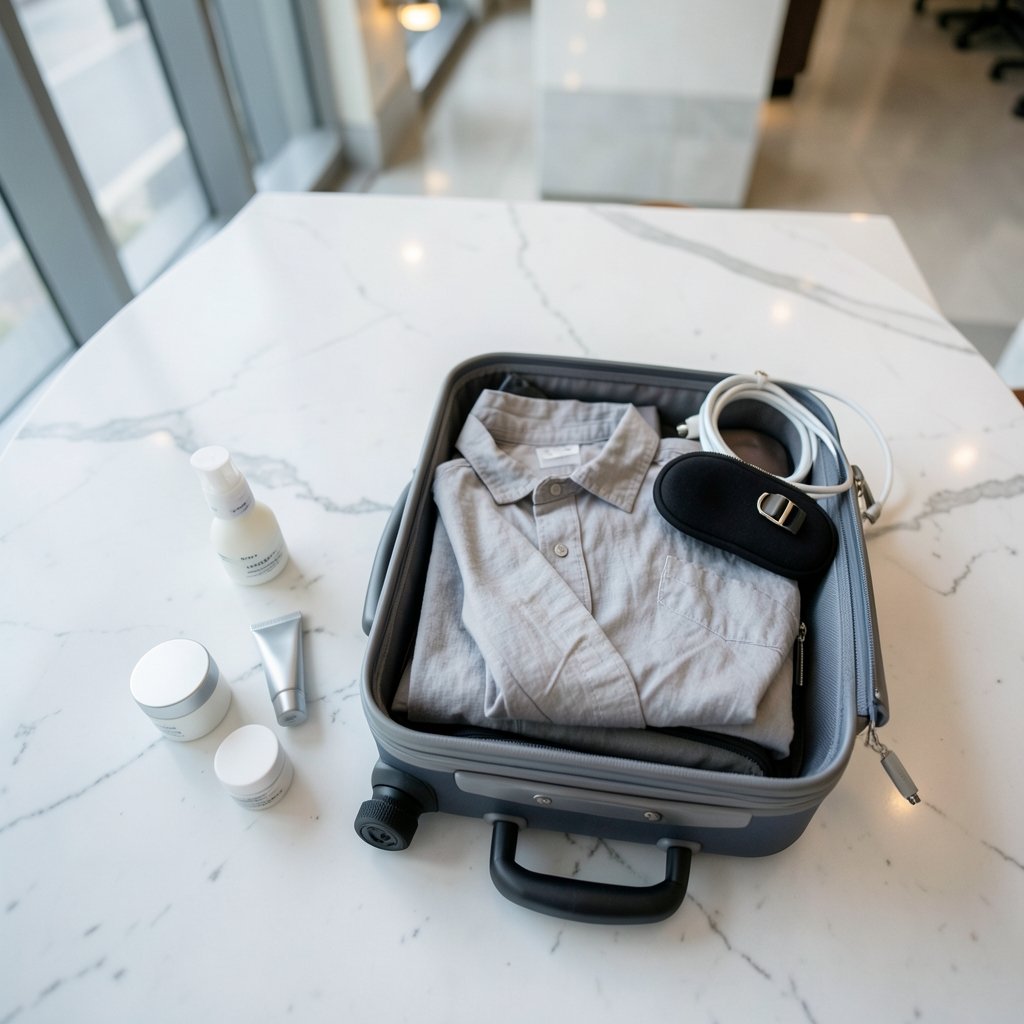
The best favorite-products newsletters share a few habits. The writer says no far more than yes. A roundup of forty products is a catalog. A roundup of six, each with a reason and a caveat, is advice.
Specificity does the heavy lifting. “This moisturizer is great” tells a reader nothing. “This moisturizer held up through a red-eye and a 90-degree day without breaking down under sunscreen” tells them everything. The same goes for gear. A writer explaining why a particular carry-on survived budget-airline sizing rules is more useful than a paragraph of adjectives.
The disclosure question
Here is where many new writers stumble. In the United States, the Federal Trade Commission’s Endorsement Guides, found at 16 CFR Part 255, require disclosure of material connections between a endorser and a seller. The guides were revised in 2023, with the updated version effective June 29, 2023. If a newsletter recommends products through affiliate links, that relationship must be disclosed clearly.
The EU has its own layer. The Unfair Commercial Practices Directive, 2005/29/EC, and its 2022 Omnibus amendment require disclosure of paid endorsements and rankings, with the Omnibus rules applying from May 28, 2022.
The two regimes overlap but are not identical, and writers publishing to a global list should not assume one covers the other. The practical move is boring and effective: a plain-language disclosure near the top of any post containing affiliate links, plus a label on each paid placement.
Sponsored travel and gifted stays count as material connections too, and they need disclosure. A hotel stay that cost nothing is a business relationship, even if the writer would have praised the hotel anyway.
What readers actually want from a travel and beauty newsletter
Readers of these newsletters tend to fall into two camps, and good writers serve both.
The first camp wants curation. They are overwhelmed by choice and want someone with taste to narrow the field. They will pay for a short list they can trust.
The second camp wants process. They want to see how a decision was made: what got tested, what got returned, what got left behind. This is why behind-the-scenes posts about a failed purchase often outperform glossy success stories.
A useful test for any writer is whether a reader could act on the post. Could they buy the right thing, pack the right bag, or book the right room? If the answer is no, the post is entertainment, which is fine, but it should not be sold as guidance.
For readers planning a trip, the practical value compounds when a newsletter connects products to destinations. A piece on September travel destinations becomes far more useful when it names the specific layers, shoes, and bags that work for that season’s weather swings.
Building the gear side of the newsletter
Travel gear is where beauty and lifestyle newsletters often find their most commercial and most useful content. The reason is simple: gear decisions are expensive, and readers want to avoid mistakes.
A writer covering bags should be honest about tradeoffs. A luxury luggage carry on might look beautiful and still fail a strict airline sizer. A cheaper bag might survive years of abuse and look tired after one season. The newsletter’s job is to name which tradeoff matters for which traveler.
The same logic applies to smaller items. A guide helping readers choose the best travel wallet for their next trip can cover passport fit, RFID blocking, and how the wallet behaves in a front pocket on a long transit day. These are small decisions with real consequences, and they are exactly the kind of thing a trusted writer can settle in three paragraphs.
A practical comparison framework
Writers who want their gear posts to hold up over time often use a simple comparison structure. It keeps the post honest and makes it easy for readers to scan.
| Factor | What to check | Why it matters |
|---|---|---|
| Real-world testing | Days used, conditions faced | Separates opinion from experience |
| Cost per use | Price divided by expected trips | Reveals hidden value or hidden waste |
| Failure points | Zippers, seams, straps, coatings | Predicts when the item will break |
| Airline or venue rules | Sizing, liquids, restrictions | Prevents expensive surprises |
| Return policy | Window and conditions | Lowers the risk of a wrong pick |
A table like this does more for reader trust than a paragraph of praise, because it shows the writer thought about the reader’s actual constraints.
The beauty side: routines that survive travel
Beauty content in a travel newsletter has a specific job. It has to account for planes, climate shifts, hotel lighting, and the fact that nobody wants to check a bag full of liquids.
The writers who do this well tend to organize around routines rather than products. A morning routine for a humid climate, an evening routine for a dry cabin, a minimal kit for a weekend trip. Products slot into the routine rather than standing alone.
There is a useful technical angle here that most beauty writers ignore. Texture and finish matter more than marketing claims, especially in photography and on camera. A piece explaining the tan blur effect and warm-toned bokeh can help readers understand why a product looks different in a newsletter photo than in real life, which is a quietly honest thing to teach.
Ingredient literacy helps too. Readers who understand what a binder does in cooking, for example, tend to grasp why certain cosmetic formulas hold together and others separate. A explainer on what a binder is in cooking seems unrelated to beauty until a writer uses the analogy to explain emulsion stability. Cross-domain explanations like this are one of the format’s underrated strengths.
Monetization without losing the plot
Substack’s subscription-first model means writers set their own prices, with free and paid tiers per publication. That structure encourages a mixed approach: free posts to build an audience, paid posts for the specific, actionable content that saves readers money or time.
Affiliate links are the other common revenue stream, though the platform does not natively provide affiliate-link management, so writers typically rely on third-party link tools. Feature sets change frequently, so any writer building a workflow should verify current capabilities rather than rely on older guides.
The editorial risk is obvious. If every post contains an affiliate link, readers start to discount the recommendations. The writers who last tend to separate editorial picks from paid placements and label each clearly. That is a norm rather than a law, but it is the norm that keeps renewal rates healthy.
Deliverability is the unglamorous backbone of all this. Newsletter delivery depends on email authentication standards, and major mailbox providers began enforcing bulk-sender rules around February 2024, requiring proper authentication for high-volume senders. A beautiful newsletter that lands in spam earns nothing.
Mistakes that quietly kill trust
A few errors show up again and again in this niche.
Recommending products the writer has clearly not used is the fastest way to lose credibility, and readers are better at spotting it than writers assume. Recycling the same five products across a year of posts reads as laziness rather than consistency. Ignoring the reader’s budget is another common failure; a list where every item costs several hundred dollars excludes most of the audience. Finally, treating disclosure as an afterthought creates legal exposure and signals to readers that the writer sees them as a transaction.
The fix in each case is the same: fewer recommendations, more reasoning, and a clear line between what is paid and what is chosen.
For writers thinking about the broader positioning of their publication, studying how luxury travel content balances aspiration with practicality is useful, since the same tension between fantasy and usefulness runs through every favorite-products post.
Conclusion
The beauty, lifestyle, and travel Substack built on favorite products works because it solves a real problem: too much choice and too little trustworthy guidance. The format rewards writers who test what they recommend, disclose what they earn, and respect their readers’ budgets and time.
It punishes writers who treat the newsletter as a storefront with a byline. The platform’s subscription model, with its revenue share and tiered pricing, nudges writers toward the first path, but the choice is ultimately editorial. Readers renew for judgment, not for links. A writer who remembers that, and who keeps the disclosure honest and the recommendations few, can build something that lasts far longer than a single viral roundup.
Frequently asked questions
What is a favorite-products Substack?
It is a subscription newsletter where a writer shares the specific products they use and recommend, often across beauty, lifestyle, and travel. Readers get curation and reasoning; the writer earns through paid subscriptions, affiliate links, or both.
Do Substack newsletters have to disclose affiliate links?
In the US, yes. The FTC’s Endorsement Guides require disclosure of material connections, and the revised guides took effect June 29, 2023. In the EU, the Unfair Commercial Practices Directive and its 2022 Omnibus amendment require disclosure of paid endorsements and rankings, with those rules applying from May 28, 2022.
How much does Substack take from paid subscriptions?
Substack takes a 10% cut of subscription revenue, plus payment processing fees. Writers set their own prices and can offer both free and paid tiers for the same publication. Fee structures can change, so writers should confirm current terms before building a financial plan.
Can a travel newsletter recommend hotels it stayed in for free?
It can, but it must disclose the relationship. A gifted stay or sponsored trip is a material connection, and readers need to know about it. The safest approach is a clear note in the post itself, not buried in a footer.
Why do so many beauty and travel writers move to newsletters?
The shift from ad-supported blogs to paid subscriptions accelerated after 2020. Subscription revenue rewards trust and judgment rather than pageviews, which suits writers whose value lies in curation and firsthand testing rather than volume.
What makes readers trust a product recommendation?
Specificity and honesty about tradeoffs. A recommendation that names the conditions tested, the item’s weaknesses, and the price relative to use tends to earn more trust than uniform praise. Clear labeling of paid placements matters just as much.









