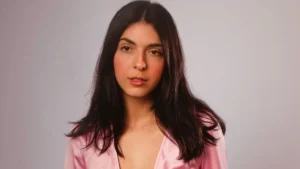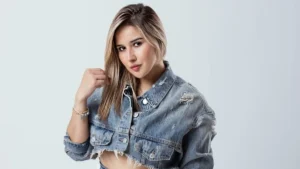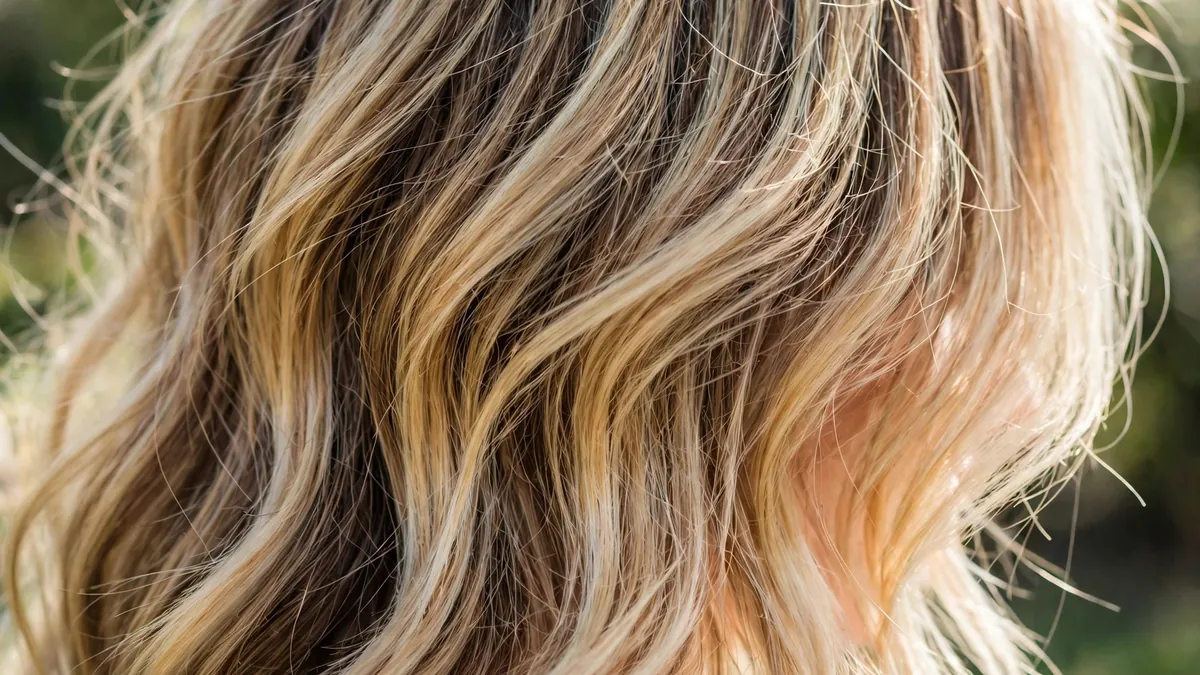

Blonde hair with lowlights is the quiet answer to the most common blonde complaint: hair that looks flat, washed out, or one-dimensional after a few weeks of wear. Lowlights are strands coloured a shade or two darker than the base, woven through the blonde to add depth, shadow, and movement. They do not darken the whole head. They create contrast, and contrast is what makes blonde look expensive, healthy, and intentional rather than bleached and tired.
The trick is choosing the right depth and tone. Cool ash blonde needs cool, smoky lowlights, or the darker strands can look brassy; warm golden blonde needs honey, caramel, or toffee, or they can look grey and muddy. Length matters too: short hair shows lowlights as bold ribbons, long hair lets them melt into soft dimension.
Below are nine blonde hair with lowlights looks worth considering in 2027, from soft honey dimension on ash blonde to bold espresso contrast on icy blonde. Each one is described by what it does well, what to watch for, and who it suits best, so you can walk into the salon with a clear picture instead of a vague request.
Key takeaways
- Lowlights are strands coloured one to three shades darker than the blonde base, and they add depth, shadow, and movement without darkening the whole head.
- Match the tone: cool lowlights for ash and platinum blonde, warm lowlights for golden and honey blonde, or the darker strands can look brassy or muddy.
- Lowlights grow out more softly than highlights, usually needing a refresh every eight to twelve weeks rather than every four to six.
- Fine hair benefits from fine, closely woven lowlights, while thick hair can carry bolder ribbons without looking stripey.
- No lowlight look suits every blonde, and a colour that looks perfect in a salon photo can clash with your skin tone or natural base in daylight.
What blonde hair with lowlights actually does
Lowlights work by restoring the natural variation that bleaching removes. Natural blonde hair is never one flat colour: it has lighter strands around the face, darker strands underneath, and subtle shifts from root to end. Bleaching strips much of that away, which is why freshly bleached hair can look striking for a week and then flat and dull. Lowlights put the variation back, strand by strand, in a controlled way.
The depth also changes how hair catches light. A flat blonde reflects light evenly, which reads as dull; a blonde with lowlights has lighter peaks and darker valleys, so it looks fuller and more textured. That is why lowlights are often the first thing a colourist suggests when a client says their blonde feels thin or lifeless.
They also change how regrowth looks. Because lowlights sit a few shades darker than the blonde, the line between new growth and coloured hair is less obvious than with an all-over blonde. Many people can stretch appointments from six weeks to ten or twelve, saving money and giving the hair a break from frequent lightening. Our guide to curly hair highlights explains the same principle from the other side: highlights and lowlights are two halves of the same dimensional colour, and the best results usually combine both.
How we chose these looks and what to look for
Look first at the tone of your current blonde. Cool, ash, or platinum blonde needs cool lowlights: smoky taupe, mushroom, or soft espresso with an ash base. Warm, golden, or honey blonde needs warm lowlights: caramel, toffee, honey brown, or copper. A mismatch is the most common reason lowlights disappoint, and the easiest to avoid if you ask your colourist to show you the shade against your hair in natural light first.
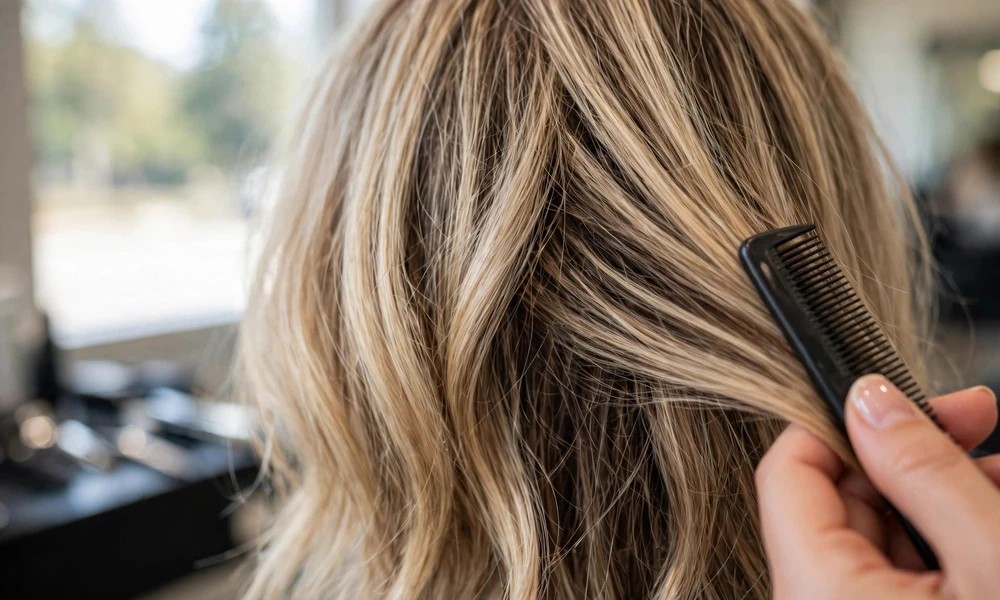
Look next at the placement and the width of the strands. Fine, closely woven lowlights melt into the blonde as natural dimension, while thick ribbons read as bold contrast and a deliberate style. Neither is wrong, but be clear about which one you want. Ask how many lowlight foils your colourist plans to use: ten fine foils look very different from thirty, and the price often depends on the count.
Finally, ask about upkeep before you commit. Lowlights fade, especially warm ones, which can turn brassy as they wash out. A colour-safe shampoo, a gloss or toner every six to eight weeks, and a deep conditioning mask keep the depth fresh. If you will not use a toning product at home, choose a cooler, more neutral shade, because it fades more gracefully than a warm one.
The 9 best blonde hair with lowlights looks of 2027
Honey Lowlights on Ash Blonde
What we like: Soft honey strands warm up a cool ash base without making it brassy, adding gentle depth that looks natural in daylight. What to consider: Honey can fade to a flat beige if it is not toned, and it needs a gloss every six to eight weeks to stay warm. Key features: Fine honey ribbons through the mid-lengths and ends. Hair type: Straight, wavy. Length: Shoulder length and longer. Maintenance: Medium, gloss every 6 to 8 weeks.
A safe first lowlight for ash blonde that feels too cool or flat: warm enough to add life, light enough never to read as brown.
Caramel Ribbon Lowlights
What we like: Bold caramel ribbons give golden blonde a rich, dimensional finish that looks especially good in waves and curls. What to consider: Wide ribbons can look stripey on very straight, fine hair, so ask for finer weaving if your hair is fine. Key features: Caramel ribbons woven from the crown to the ends. Hair type: Wavy, curly, thick. Length: Medium to long. Maintenance: Medium, refresh every 8 to 10 weeks.
Caramel is the classic lowlight for a reason: warm, flattering on most skin tones, and it makes the blonde around it look brighter by contrast.
Mushroom Blonde Dimension
What we like: Cool mushroom lowlights keep an ash blonde cool while adding the depth it usually lacks, with a soft, smoky finish. What to consider: Mushroom tones can look grey or dull in poor light, so this look depends on a good cut and styling to show the dimension. Key features: Taupe and mushroom strands blended through a cool blonde base. Hair type: Straight, wavy. Length: Short to medium. Maintenance: Low to medium, toner every 8 weeks.
The quietest look on this list, and that is its strength: natural, expensive, and understated, with dimension but no obvious colour change.
Golden Beige Babylights with Lowlights
What we like: A mix of fine golden babylights and soft beige lowlights creates the most natural, sun-kissed dimension of any look here. What to consider: The fine weaving takes longer in the salon and usually costs more, and the effect is subtle, so it suits people who want natural rather than dramatic. Key features: Micro-fine light and dark strands blended throughout. Hair type: Fine, medium. Length: Any length. Maintenance: Low, regrowth blends softly.
Ask for this if you want people to think your hair simply grew this way: fine light and dark strands that mimic sun-lightened hair and grow out gracefully.
Buttery Blonde with Chestnut Depth
What we like: Rich chestnut lowlights under a buttery blonde give warmth and depth that flatter warm skin tones and look luxurious in winter. What to consider: Chestnut is noticeably darker than the blonde, so the contrast is visible, and it can look heavy on very fine hair. Key features: Chestnut lowlights concentrated underneath and through the lengths. Hair type: Thick, wavy, curly. Length: Medium to long. Maintenance: Medium, refresh every 8 weeks.
If your blonde feels too light against your skin or washed out in winter, this is the fix: chestnut underneath anchors the colour without losing brightness on top.
Cool Platinum with Smoky Lowlights
What we like: Smoky lowlights stop platinum blonde from looking flat and white, adding shadow that makes the platinum itself look brighter and cleaner. What to consider: Platinum needs the most upkeep of any blonde, and the lowlights need a purple toner to stay smoky rather than yellow. Key features: Smoky grey-brown strands through an icy platinum base. Hair type: Straight, wavy. Length: Short to medium. Maintenance: High, toner every 4 to 6 weeks.
Platinum with no depth can look like a wig in bright light; smoky lowlights give it shape and shadow, so the platinum reads as deliberately icy.
Strawberry Blonde with Copper Lowlights
What we like: Copper lowlights deepen a strawberry blonde into a rich, warm colour that looks striking on fair and warm skin tones. What to consider: Copper fades faster than any other lowlight shade, so a colour-safe routine and a gloss are essential. Key features: Copper strands woven through a strawberry blonde base. Hair type: Straight, wavy, curly. Length: Medium to long. Maintenance: High, gloss every 6 weeks.
The warmest, most eye-catching look on the list, for people who lean warm and want a deliberate, rich colour rather than a faded blonde.
Sun-Kissed Blonde with Toffee Lowlights
What we like: Toffee lowlights add a soft, beachy warmth that makes blonde look sun-kissed rather than salon-made, especially on wavy hair. What to consider: Toffee can turn brassy in hard water or strong sun, so a toning shampoo helps keep it soft. Key features: Toffee strands placed mainly through the mid-lengths and ends. Hair type: Wavy, curly. Length: Medium to long. Maintenance: Low to medium, toner every 8 weeks.
A summer look that still works in winter: light enough to keep the hair feeling blonde, warm enough to restore the glow all-over blonde loses after a few washes.
Dimensional Icy Blonde with Espresso Lowlights
What we like: Bold espresso lowlights against icy blonde create the strongest contrast on this list, with a modern, high-fashion finish. What to consider: The contrast is dramatic, so it needs a confident cut and regular toning, and it is not the right choice if you want a subtle change. Key features: Espresso strands woven through an icy blonde base. Hair type: Thick, straight, wavy. Length: Medium to long. Maintenance: Medium to high, toner every 6 weeks.
Done well, this is the most striking blonde on the list: dark espresso makes the icy blonde look almost silver, and the dimension shows beautifully in braids, waves, and updos.
Which blonde hair with lowlights look is right for you
Start with your skin tone and natural base. Cool skin with dark blonde or light brown natural hair usually suits cool lowlights such as mushroom, smoky, or espresso. Warm skin with golden or reddish natural hair usually suits warm lowlights such as honey, caramel, toffee, or copper. A colourist can confirm this, and a quick test strand is worth asking for if you are unsure.
Consider your hair type next. Fine hair shows every strand, so fine, closely woven lowlights are usually safer, because wide ribbons can look stripey and heavy. Thick hair can carry bolder ribbons and stronger contrast, which is why caramel and espresso tend to look best on thick, wavy, or curly hair. Curly hair hides lowlights in the curls and reveals them as it moves, so placement matters more than shade, and a colourist who understands curl patterns is worth seeking out.
Think about how much upkeep you will actually do. To stretch appointments, choose fine weaving and a lowlight shade close to your natural colour, such as golden beige babylights with lowlights, because it grows out softly. If you love the salon and do not mind a toner every few weeks, choose a bolder contrast such as platinum with smoky lowlights. Aftercare matters too: a good hydrating hair mask once a week keeps both the blonde and the lowlights glossy rather than dry and faded.
The caveats that matter
Lowlights are gentler than highlights, but they are still colour, and they still need care. Warm lowlights fade fastest and often fade warm, so a caramel lowlight can turn brassy without toning. Cool lowlights fade more gracefully but can look grey or dull as they wash out. Either way, a colour-safe shampoo, cool water, and a gloss or toner every six to eight weeks keep the depth looking intentional rather than tired.
| Detail | What is known |
|---|---|
| What lowlights are | Strands coloured one to three shades darker than the blonde base, woven through the hair |
| Best tone match | Cool lowlights for ash and platinum blonde, warm lowlights for golden and honey blonde |
| How long they last | Eight to twelve weeks before a refresh, with a gloss or toner every six to eight weeks |
| Best for fine hair | Fine, closely woven lowlights, which blend naturally and do not look stripey |
| Best for thick hair | Bolder ribbons and stronger contrast, such as caramel or espresso, which thick hair carries well |
| What fades fastest | Warm shades such as copper and caramel, which can turn brassy without toning |
| Who should avoid strong contrast | Anyone wanting a subtle change, or very fine straight hair, where wide ribbons can look stripey |
| What lowlights do not do | They do not repair damaged hair, lighten the base, or replace regular conditioning and care |
If your hair is damaged from bleaching, talk to your colourist before adding lowlights. Darker colour over damaged hair can make it look duller rather than richer, and a bond-building treatment or a few weeks of deep conditioning first will usually give a better result. A hair oil used sparingly on the ends can help, but it will not fix breakage, and no colour technique can make over-processed hair look healthy on its own.
Checklist: choosing blonde hair with lowlights honestly
Use these checks before your appointment, and again when you look at the result in daylight.
- Match the tone: cool lowlights for cool blonde, warm lowlights for warm blonde, and ask to see the shade against your hair.
- Decide the contrast: fine weaving for a natural look, wide ribbons for a bold look, and be clear about which one you want.
- Check your hair type: fine hair needs fine strands, thick hair can carry bolder ribbons without looking stripey.
- Ask about the count: how many lowlight foils, and how the price changes.
- Plan the upkeep: a colour-safe shampoo, a gloss or toner every six to eight weeks, and a weekly deep conditioning mask.
- Look in daylight: check the result in natural light before you leave, because salon light hides tone mismatches.
Frequently asked questions
Do lowlights damage blonde hair?
Less than highlights, because lowlights deposit colour rather than lifting it, so they need no bleach. They can still dry already-bleached hair slightly, so a conditioning routine matters, but they are one of the gentlest colour options for blonde hair.
How long do lowlights last on blonde hair?
Usually eight to twelve weeks before a refresh, with a gloss or toner every six to eight weeks. Warm shades fade faster than cool ones, and sun, chlorine, and hard water speed fading.
Can lowlights make blonde hair look darker?
Yes, slightly, because they add darker strands throughout. To stay very light, ask for fine, sparse lowlights, or keep them underneath and through the lengths rather than around the face, where they have the most impact.
Are lowlights better than highlights for blonde hair?
They do different jobs. Highlights add brightness, lowlights add depth, and most good blonde colour uses both. If your blonde looks flat, lowlights are the better first step; if it looks dull and dark, highlights are.
Can I get lowlights at home?
It is possible, but harder than it looks, because placement and weaving matter more than the shade itself. A home kit can work for a subtle result, but for dimensional colour with fine weaving, a colourist is usually worth the cost.
Do lowlights work on short blonde hair?
Yes, but the effect is bolder, because short hair shows each strand more clearly. Fine weaving is usually better on a bob or pixie, while wide ribbons can look stripey unless that is the look you want.
The bottom line
The best blonde hair with lowlights in 2027 is not the most dramatic or expensive. It is the one that matches your tone, suits your hair type, and fits the upkeep you will actually do: a cool lowlight on cool blonde or a warm lowlight on warm blonde, woven finely enough to look natural, with a gloss every six to eight weeks.
Choose one look, show your colourist the shade and placement you want, and judge the result in daylight, not just in the salon mirror. If the depth makes your blonde look richer, fuller, and more intentional, the lowlights have done their job.