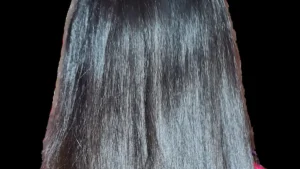
There is a particular kind of shine that no amount of brushing seems to produce: the smooth, light-catching finish that makes even a simple blow-dry look expensive. More often than not, that finish is not naturally perfect hair. It is a glaze, a quick treatment that coats the hair and sends you out the door looking freshly polished.
Hair glazing has become one of the most requested add-on services in salons. It promises shine, softness, and a colour refresh without the commitment, damage, or regrowth line of permanent dye.
Yet glazing is also widely misunderstood. It is not a dye, not a deep repair treatment, and not a permanent fix for damaged hair. This guide explains what it is, how it works, who it suits, how long it lasts, and how salon glazing compares with doing it at home.
Key takeaways
- Hair glazing is a semi-permanent, ammonia-free and peroxide-free coating that sits on the outside of the hair shaft.
- It smooths and seals the cuticle, so light reflects evenly and hair looks shinier, smoother, and less frizzy.
- Clear glazes add shine only; tinted glazes add a sheer tone that refreshes faded colour or calms brassiness.
- Most glazes fade within one to two weeks; some last closer to four.
- Glazing suits dull, frizzy, or colour-treated hair, but it cannot lighten hair, cover grey fully, or repair split ends.
What hair glazing actually is
A hair glaze is a non-permanent treatment that coats the outer layer of each strand, like a top coat on a manicure. It does not push colour deep into the hair the way permanent dye does, and it does not lift or lighten your natural pigment. It forms a thin, translucent layer over the cuticle that catches the light and smooths frizz, with an optional sheer tint.
Most glazes are ammonia-free and peroxide-free, which is why they are often described as one of the gentlest colour-related services a salon offers. In a salon, a glaze is usually applied to freshly shampooed, damp hair, left to process for around ten to twenty minutes, then rinsed out before styling. You leave with the result the same day, with no regrowth line.
The names cause most of the confusion. A gloss typically penetrates the cuticle a little further and lasts longer, often several weeks, while a glaze stays closer to the surface and fades sooner. Glazing is best understood on its own terms: a surface treatment whose main job is shine, smoothness, and a light refresh.
How glazing works on the hair
It helps to picture the cuticle, the outermost layer of each strand. Healthy cuticles lie flat like overlapping roof tiles, and light bounces off that smooth surface in an even beam, which our eyes read as shine. Damage from heat, colouring, sun, or everyday wear lifts and roughens those tiles. Light scatters instead, and the hair looks dull, dry, and frizzy.
A glaze works on that surface. Most formulas are slightly acidic, which encourages the cuticle to lie flat and compact again, and the coating fills in tiny irregularities along the shaft. Glazed hair usually feels softer and silkier, tangles less, and is simpler to style.
Clear glaze vs tinted glaze
A clear glaze contains no pigment at all. Its only job is shine, smoothness, and frizz control. It is the best option if you love your natural colour or your current salon colour exactly as it is, and you simply want it to look healthier and more polished. It is also the safest starting point if you have never had a colour service before, because there is no tone to go wrong.
A tinted glaze carries a small amount of sheer, direct pigment. It can add warmth to flat brown hair, deepen a faded brunette, or cool down yellow and orange tones in blonde hair. It cannot lighten your hair or produce a dramatic change. The effect is more like a filter than a new colour: your existing shade, slightly richer and more even.
Who glazing suits best
Glazing suits people with dull or lacklustre hair who want visible shine without changing their colour, and people with frizz-prone hair who want a smoother finish that lasts longer than a single blow-dry. It is particularly useful for colour-treated hair, where it revives faded ends.
It also suits people who are nervous about commitment. If you have never coloured your hair, a clear glaze is a gentle introduction: no permanent change, no regrowth line, and the result fades away on its own. It is also ideal before a wedding, holiday, or big event.
There are limits, though. Glazing will not repair split ends or rebuild damaged hair, so very damaged hair should be cared for first. It will not cover grey the way permanent colour can; at most, a tinted glaze softens a few scattered greys. Very porous, bleached hair may also absorb a tinted glaze unevenly.
How long does a hair glaze last?
Because a glaze sits on the surface of the hair, it fades with every wash. Most glazes last around one to two weeks, noticeably shorter than a gloss, which can last four to six weeks. Some salon formulas hold on for closer to three or four weeks on hair that is washed infrequently. But a glaze is fundamentally a short-term treatment, and anyone promising months of shine from one glaze is overselling it.
Washing often is the biggest factor in fading, followed by hot water, which opens the cuticle and lets the coating wash away faster. Sulfate-heavy shampoos strip the surface more aggressively than gentle, colour-safe formulas, and sun, chlorine, and salt water fade a glaze too. The upside is that it fades gradually and evenly, with no hard grow-out line.
What happens during a salon glazing appointment
A salon glaze is usually added to a cut or colour appointment, but it can be booked on its own. The stylist shampoos your hair to remove build-up, towel-dries it until damp, then applies the glaze section by section, working from roots to ends.
Processing takes around ten to twenty minutes, with no heat required and no strong chemical smell. The stylist then rinses the glaze out and styles your hair as usual, often with a blow-dry that shows off the shine immediately. Before your first glaze, tell your stylist whether you want clear shine or a tint, and mention any sensitivities.
How to glaze your hair at home
At-home glazes are designed to be far simpler than box dye. Wash your hair with a gentle shampoo, towel-dry it until damp, then smooth the glaze through from roots to ends, making sure every section is coated. Most at-home formulas need only a few minutes to process, though you should always follow the instructions on the product you are using. Rinse thoroughly and style as usual.
A few habits make the at-home version work better. Work the glaze through with your fingers or a wide-tooth comb so you do not end up with patchy shine. Wear gloves if the product is tinted, because sheer pigment can stain hands and towels. Do a patch test the first time you use a new product, especially if you have sensitive skin. Avoid tinted glazes on very damaged or freshly bleached ends without advice.
Salon glazing vs at-home glazing
Salon and at-home glazing use the same basic idea, but the experience and results differ in several practical ways. The right choice depends on your hair, your budget, and what you want the glaze to achieve.
| Factor | Salon glazing | At-home glazing |
|---|---|---|
| Application | Applied section by section by a stylist | Applied by yourself, usually by hand |
| Processing time | About 10 to 20 minutes | Usually a few minutes, per label instructions |
| Colour choice | Custom-mixed to your hair and tone | Chosen from a fixed shade range |
| Evenness of result | Very even, including the back of the head | Can be patchy in hard-to-reach areas |
| Longevity | Often lasts longer, up to a few weeks | Usually fades faster, within one to two weeks |
| Best for | First-timers, tint correction, events | Maintenance and shine top-ups |
| Cost and effort | Higher cost, no effort on your part | Lower cost, done in your own shower |
| Professional advice | Stylist assesses hair condition first | You judge suitability yourself |
For a first glaze, a tinted result, or damaged and unevenly porous hair, the salon is the safer starting point. For simple shine maintenance between appointments, an at-home glaze is practical and affordable.
How to make a glaze last longer
The most important habit is how you wash your hair. Switch to a gentle, sulfate-free, colour-safe shampoo, wash less often if you can, and rinse with lukewarm or cool water rather than very hot water. Hot water opens the cuticle and strips the coating faster. If you need a refresher on technique, our guide to how to wash your hair properly covers it step by step.
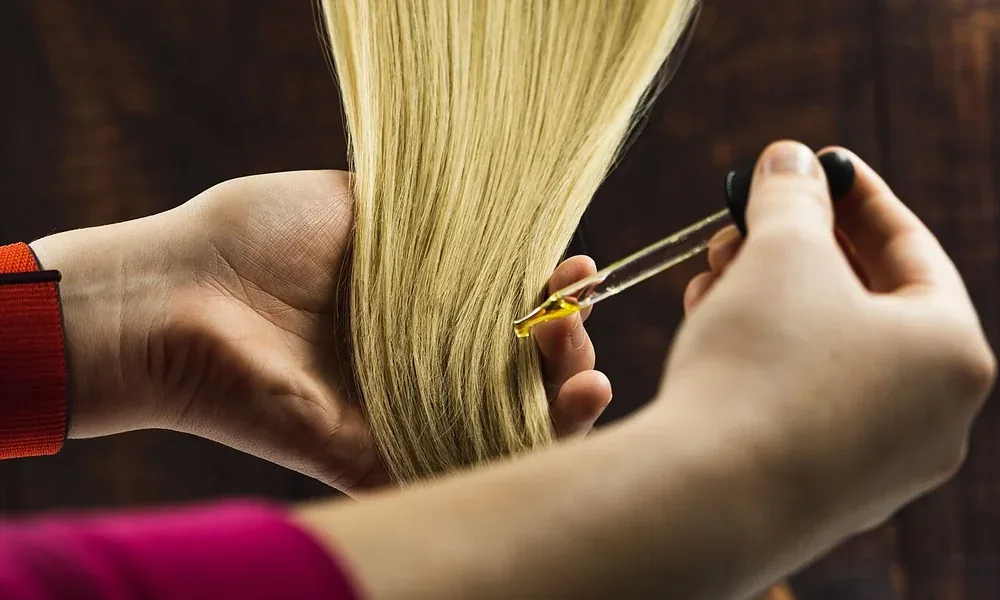
Heat is the next thing to manage: air-dry when you can, and use a heat protectant whenever you reach for hot tools. A hat on bright days and a fresh-water rinse after swimming also help. Between washes, a light hair oil adds slip and shine without stripping the coating; our round-up of the best hair oils can help you find one. A weekly mask also keeps the hair underneath in good shape; our guide to the best hydrating hair masks explains which formulas deliver real moisture.
Before your first glaze: a quick checklist
- Decide whether you want clear shine only or a sheer tint.
- Check your hair’s condition first: glazing cannot repair split ends or serious damage.
- Patch-test any new at-home product, and skip glazing if your scalp is irritated or sunburned.
- Use a clarifying shampoo before a salon glaze only if your stylist advises it.
- Stock up on sulfate-free, colour-safe shampoo before the appointment, not after.
- Plan your next glaze for two to four weeks later.
Frequently asked questions
Does hair glazing damage your hair?
Glazing is one of the gentlest colour-related treatments available, because most formulas are ammonia-free and peroxide-free and do not change the hair’s internal structure. A patch test and a gentle shampoo routine are still sensible precautions.
Can glazing lighten my hair or cover grey?
No. A glaze cannot lighten hair because it contains no lightening agents, and it cannot fully cover grey because the pigment only coats the surface. A tinted glaze can blend a few scattered greys, but if grey coverage is your main goal, you need a demi-permanent or permanent colour service instead.
How often can you glaze your hair?
Most people re-glaze every two to four weeks, or whenever the shine has noticeably faded.
Is glazing safe on colour-treated or bleached hair?
Yes, glazing is often recommended for colour-treated hair, because it refreshes faded colour and restores shine between appointments. On bleached or very porous hair, tinted glazes can be absorbed unevenly, so the ends may pick up more pigment than the roots. A clear glaze is the safer choice on freshly bleached hair.
What is the difference between glazing and glossing?
Both add shine and a sheer tone, but they work at slightly different depths. A glaze coats the surface and usually fades within one to two weeks, while a gloss penetrates the cuticle a little further and typically lasts four to six weeks. Glazing is the lighter, quicker, lower-commitment option.
Can I glaze my hair at home if I have never coloured it?
Yes. A clear at-home glaze is a good first step if you have virgin hair and only want shine, because it washes out completely and leaves no permanent change. Start with a clear formula, follow the instructions exactly, and do a patch test first.
The bottom line
Hair glazing is a small treatment with an outsized effect. It does not change your colour, repair damage, or last for months. What it does is take the hair you already have and make it look its best: smoother, shinier, softer, and more polished.
Start with a clear glaze, either at the salon or at home, and see how your hair responds. If you love the shine, make it a regular habit every few weeks and protect it with gentle washing and heat care.
Note: This article is for general information only and is not a substitute for professional advice. If you have a scalp condition or very damaged hair, speak to a stylist or dermatologist first.