
The bob haircut is the rare cut that never really leaves. It comes back every decade in a new shape and each time it looks modern again, because a bob is not one haircut. It is a family of cuts built on the same idea: hair that ends somewhere between the ear and the collarbone, shaped to frame the face, with structure and movement.
The problem is choosing the right bob for your face shape, your hair texture, and the amount of styling you are honestly willing to do. A blunt, one-length bob looks sharp and expensive on straight, fine hair and heavy and unforgiving on thick, wavy hair. A shaggy, layered bob gives curly hair shape and bounce and can look messy on hair that will not hold a wave, so the cut that looks perfect in a salon photo can be the wrong cut for the hair underneath it.
Below are nine bob styles for 2027, from the classic chin-length bob to the soft Italian bob and the undone shaggy bob. Each one is described by what it does well, what to watch for, and who it suits best, so you can choose with your face shape and hair type in mind.
Key takeaways
- A bob is any cut that ends between the ear and the collarbone, shaped to frame the face; the variation comes from length, layers, and texture.
- Face shape matters more than trend: blunt lines slim round faces, layers soften square jaws, and volume at the crown flatters long faces.
- Fine hair suits blunt, one-length bobs; thick or curly hair usually needs layers or texture to avoid a heavy, triangular shape.
- Most bobs need a trim every six to eight weeks to hold their line, and a good drying routine matters more than the cut itself.
- No bob suits everyone, and a style that needs daily heat styling is the wrong choice if you will not do it, so be honest about your routine before you book.
What a bob haircut actually is
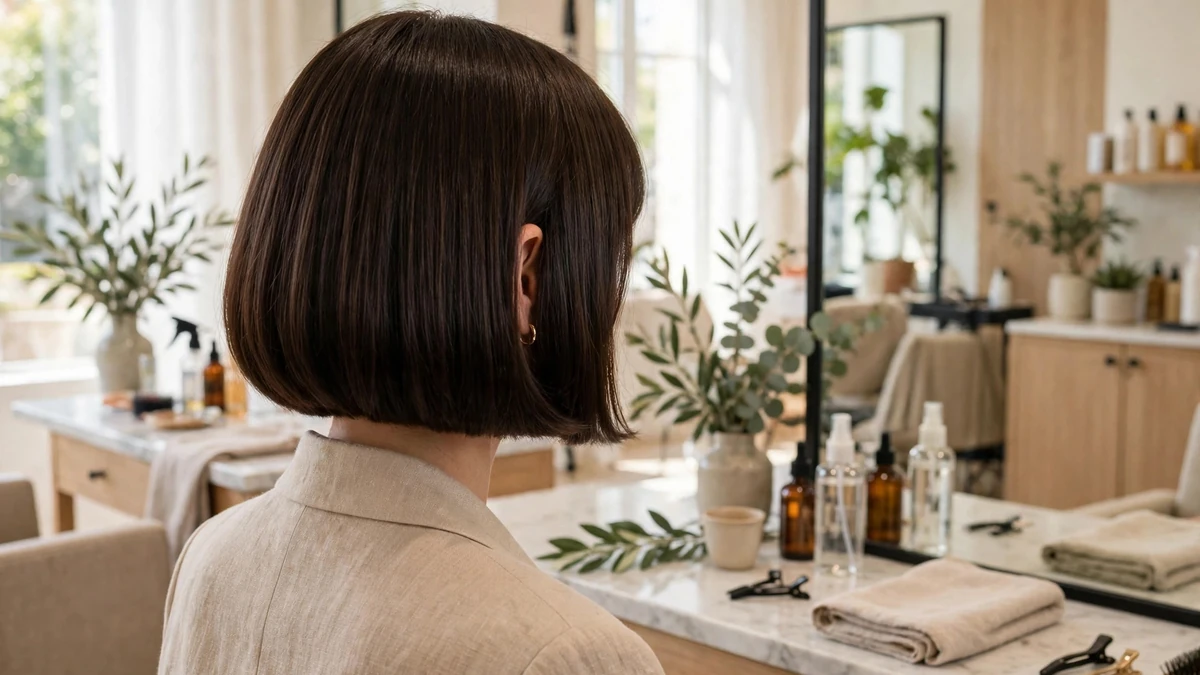
A bob is defined by its length and its line, not by a single look: the hair ends somewhere between the earlobe and the collarbone, with the back usually shorter than or level with the front, and the shape built around the jaw. From there, a stylist can go in many directions: perfectly straight and blunt, softly layered, textured and choppy, curled under, flipped out, or left to air-dry into a natural wave.
The cut works because it sits at a useful length. It is short enough to feel light, long enough to tuck behind an ear, and structured enough to look finished with minimal styling. It suits more people than most short cuts, and it adapts to straight, wavy, and curly hair with the right adjustments.
What it does not do is style itself. A bob shows its shape every day, which means a grown-out bob shows its problems too: the ends flip, the layers lose their shape, and the line that looked sharp in the salon softens into something shapeless. Know the maintenance before you commit, and choose a version that matches how much effort you will actually give it.
How we chose these styles and what to look for
Look first at your face shape. A blunt bob creates a strong horizontal line that can slim a round face and balance a long one. Layers and movement soften a square jaw, volume at the crown lifts a round face, and length at the front draws the eye down and lengthens a short face.

Look next at your hair texture. Straight, fine hair holds a blunt line beautifully and needs little product. Wavy hair suits textured and layered bobs that work with the natural movement. Curly hair needs a cut that respects the curl pattern, with layers that remove bulk without creating a triangle; our guide to the best curly bob hairstyles covers those shapes in detail. Thick hair usually needs internal layers or thinning to stop the bob looking heavy and wide at the ends.
Finally, look at your routine. A bob that needs a round brush and a flat iron every morning is a commitment, not a convenience. If you air-dry, choose a textured or wavy bob that looks good with its natural movement. If you love a polished finish, a blunt or Italian bob will reward the effort. Choose the bob you will actually maintain.
The 9 best bob haircuts of 2027
Classic Bob
What we like: Chin-length, even all round, with a clean line that suits almost everyone and grows out gracefully. What to consider: Needs regular trims to keep the line sharp, and can look plain without a good blow-dry. Key features: Chin-length, one-length line, ends curled under. Hair type: Straight, fine to medium. Length: Chin. Maintenance: Trim every 6 weeks, blow-dry with a round brush.
The bob other bobs are measured against, and a strong first choice for a polished, versatile cut.
A-Line Bob
What we like: Shorter at the back, longer at the front, which creates a flattering diagonal line and makes the face look longer. What to consider: The front pieces need smoothing to look deliberate, and the shape can look dated if the angle is too steep. Key features: Stacked back, longer front pieces, angled silhouette. Hair type: Straight, wavy, medium to thick. Length: Jaw at the back, collarbone at the front. Maintenance: Trim every 6 to 8 weeks, smooth the front with a flat iron.
A good choice if you want the lightness of a short cut with face-framing length, since the angle slims the face and flatters round and square shapes so well.
Blunt Bob
What we like: A perfectly level, one-length cut with no layers, sharp, modern, and high-fashion in feel. What to consider: Unforgiving on wavy or curly hair, which will fight the straight line, and it needs straight, smooth texture to look crisp. Key features: One-length, no layers, sharp ends. Hair type: Straight, fine to medium. Length: Chin to jaw. Maintenance: Trim every 6 weeks, flat iron for a glass finish.
The most requested bob of the season: the straight line frames the face and looks expensive with very little effort on the right hair, but on the wrong hair it is a daily battle, so be honest about your texture.
Layered Bob
What we like: Layers through the length add movement, volume, and softness, and they stop thick hair from looking heavy. What to consider: Too many layers can look choppy, and the shape needs a stylist who understands your texture. Key features: Internal layers, soft ends, natural movement. Hair type: Medium to thick, wavy. Length: Chin to shoulder. Maintenance: Trim every 8 weeks, scrunch with a light cream for texture.
If a blunt bob has always felt too heavy on your thick or wavy hair, this is the version to ask for, since the layers remove bulk and let the hair move, so the cut feels lighter and more modern.
French Bob
What we like: Short, jaw-length, with a soft wave and often a fringe, effortlessly chic and very 2027. What to consider: Needs a wave to look right, so very straight hair will need styling, and the fringe needs its own upkeep. Key features: Jaw-length, soft wave, optional fringe. Hair type: Wavy, fine to medium. Length: Jaw. Maintenance: Trim every 6 weeks, air-dry with a salt spray or soft wave.
The most romantic of the nine, and the one that looks most like it took no effort at all; the wave needs encouraging, but the result is worth it if you like a soft, Parisian finish.
Italian Bob
What we like: A longer, fuller bob with volume and a soft, bouncy finish, glamorous without being severe. What to consider: Needs volume to work, so fine, flat hair will need a blow-dry and root lift, and it is the highest-maintenance of the classic bobs. Key features: Collarbone length, full ends, bouncy volume. Hair type: Medium to thick, straight to wavy. Length: Collarbone. Maintenance: Trim every 8 weeks, blow-dry with a large round brush.
If you love the idea of a bob but are not ready to go short, the Italian bob is the compromise: it keeps the length, adds the volume, and looks polished.
Shaggy Bob
What we like: Choppy layers, texture, and a deliberately undone finish that works beautifully with natural waves and curls. What to consider: Can look messy rather than textured if the layers are cut too aggressively, and it needs the right products to hold its shape. Key features: Choppy layers, textured ends, lived-in finish. Hair type: Wavy, curly, medium to thick. Length: Chin to shoulder. Maintenance: Trim every 8 to 10 weeks, air-dry with a texture cream.
The lowest-effort bob on this list, and the best choice for anyone who air-dries their hair, since it is designed to look slightly undone, so a bad hair day and a good hair day look much the same.
Asymmetrical Bob
What we like: One side longer than the other, which creates drama, movement, and a striking silhouette. What to consider: The most high-maintenance of the nine, since the shape is obvious when it grows out, and it suits confident styling more than everyday ease. Key features: Uneven lengths, longer on one side, sharp angle. Hair type: Straight, fine to medium. Length: Ear on one side, chin or longer on the other. Maintenance: Trim every 4 to 6 weeks, smooth with a flat iron.
A bold choice, and the one most likely to get compliments; it works best on straight hair that holds the sharp line, and it needs regular trims, because the asymmetry is the whole point and it disappears as the hair grows.
Wavy Bob
What we like: Soft, natural waves through a chin-to-shoulder bob, relaxed, modern, and flattering on most face shapes. What to consider: Needs some wave to work with, natural or styled, and very straight hair will need a curling iron or overnight braids. Key features: Soft waves, textured ends, natural movement. Hair type: Wavy, straight to medium. Length: Chin to shoulder. Maintenance: Trim every 8 weeks, enhance waves with a light mousse or salt spray.
The most forgiving style here: it hides a grown-out trim, looks good air-dried, and suits almost every face shape, which is why stylists most often recommend it to first-timers.
Which bob suits your face shape
Round faces benefit most from length and angles. An A-line bob, a longer bob, or a style with volume at the crown will lengthen the face, while a short, round bob can make it look wider. A side part helps too, breaking up the symmetry and drawing the eye diagonally across the face.
Square faces need softness. Layers, waves, and a side part break up the strong line of the jaw, while a chin-length blunt cut will emphasise the angles rather than soften them. Oval faces can wear almost any bob, though a very long one can make a long face look longer still. Heart-shaped faces suit bobs with volume at the jaw, such as a wavy or layered bob, which balances a wider forehead and a narrower chin.
Hair texture is the other half of the decision: fine hair holds a blunt line and needs little product, but it can look flat in a layered bob without root lift, while thick hair needs layers or texture to avoid a heavy, triangular shape. Curly hair needs a cut that respects the curl, with layers that remove bulk without creating width at the ends. A good hair oil on the ends keeps any bob looking smooth between washes, and it is the simplest way to add shine without weighing the cut down.
The caveats that matter
A bob is a commitment to regular trims: most versions need attention every six to eight weeks, and an asymmetrical bob every four to six. If you are not willing to book that often, choose a longer, textured bob that grows out gracefully, such as a wavy or shaggy bob, rather than a blunt or asymmetrical one.
| Detail | What is known |
|---|---|
| Best first bob | Classic or wavy bob: forgiving, grows out well, suits most face shapes |
| Best for round faces | A-line or longer bob with a side part and volume at the crown |
| Best for square faces | Layered or wavy bob that softens the jawline |
| Best for fine hair | Blunt bob: the one-length line makes fine hair look thicker |
| Best for thick hair | Layered or shaggy bob: layers remove bulk and add movement |
| Trim frequency | Every 6 to 8 weeks for most bobs; 4 to 6 for asymmetrical |
| Biggest mistake | Choosing a bob for a photo, not for your texture and routine |
| What it does not do | It does not style itself, and it does not suit every texture without adjustment |
Be honest about your styling habits before you book. A bob that needs a round brush and a flat iron every morning is a commitment, not a convenience. If you air-dry your hair, say so, and let your stylist choose a version that works with that.
Checklist: choosing a bob haircut honestly
Use these checks before you book, and again after two weeks with the cut.
- Check your face shape: blunt lines slim round faces, layers soften square jaws, volume at the crown flatters long faces.
- Check your texture: fine hair suits blunt bobs, thick hair needs layers, curly hair needs a curl-aware cut.
- Check your routine: if you air-dry, choose a textured or wavy bob; if you love styling, a blunt or Italian bob will reward it.
- Check the trim schedule: most bobs need a trim every six to eight weeks, so budget for it before you commit.
- Check the length: chin-length is bold and sharp, collarbone length is softer and grows out more gracefully.
- Check with your stylist: bring photos, but ask what will actually work on your hair, not just what looks good in the picture.
Frequently asked questions
How often should I trim a bob?
Every six to eight weeks for most bobs, and every four to six weeks for an asymmetrical bob. The shape softens quickly as the hair grows, so regular trims keep it looking deliberate rather than grown out.
Will a bob suit a round face?
Yes, with the right version: an A-line or longer bob with a side part and volume at the crown lengthens the face, while a short, round bob ending at the widest part of the cheek can make it look wider.
Can I get a bob with curly hair?
Yes, but it needs a stylist who understands the curl pattern. Layers should remove bulk without creating a triangle, and the length should allow for shrinkage, since curls spring up shorter than they look wet.
How do I style a bob without heat?
Apply a light mousse or texture cream to damp hair, scrunch gently, and let it air-dry. A wavy or shaggy bob is designed for this and looks better air-dried than a blunt bob, which needs smoothing to hold its line.
Does a bob make hair look thicker?
A blunt bob can make fine hair look thicker, because the one-length ends create a solid line rather than wispy, thin ends. Layers can have the opposite effect on very fine hair, so ask your stylist which version suits your density.
How do I keep a bob fresh between washes?
Use a dry shampoo at the roots on day two or three, smooth the ends with a little hair oil, and sleep on a silk pillowcase to reduce frizz. Learning how to wash your hair properly also helps, since a clean scalp and well-rinsed lengths keep the shape sharp for longer.
The bottom line
The best bob haircut in 2027 is not the most fashionable one. It is the one that suits your face shape, works with your hair texture, and fits the amount of styling you will actually do. For most people, that means a classic, wavy, or layered bob. For straight, fine hair, a blunt bob is hard to beat; for thick or wavy hair, layers and texture will do more than a sharp line ever will.
Choose one style, show your stylist photos of it on hair like yours, and ask what will actually work. Book the next trim before you leave the salon, give the cut two weeks to settle, and judge it on an ordinary morning, not just on the day you had it cut. That is the honest way to get a bob you will love wearing, rather than one you will spend months growing out.