Oil of oregano with black seed oil is a pairing that turns up again and again in health shops, market stalls and online stores, usually sold as two separate bottles or blended into a single one. The short answer is that you are looking at two plant oils with very different origins, made in different ways and commonly used in different forms — and this guide explains each of them in plain terms.
Oil of oregano is an aromatic oil made from oregano leaves, known for its strong, warm, peppery scent. Black seed oil comes from the tiny black seeds of Nigella sativa, a flowering plant grown for centuries across the Middle East, North Africa and South Asia. Both have long histories of culinary and traditional use, and both are now sold widely as oils, capsules and blends.
Key takeaways
- The two oils come from unrelated plants and are made in different ways.
- Oil of oregano is usually sold diluted in a carrier oil or as capsules; undiluted, it is very strong.
- Black seed oil is usually sold as a cold-pressed oil or in soft gel capsules, with a mild, slightly bitter taste.
- Store both oils in a cool, dark place with the lid on.
- Talk to a clinician or pharmacist before using either oil, especially if you are pregnant, taking medication or unwell.
What is oil of oregano?
Oil of oregano is a concentrated oil made from the leaves of oregano, the herb most people know from Mediterranean cooking. The variety used for oil is usually Origanum vulgare, and its leaves are rich in aromatic compounds — which is why the oil smells so powerful even in tiny amounts.
The oil is extracted from the leaves and flowering tops, most often by steam distillation: steam carries the volatile aromatic compounds through the plant material, and as it cools, the oil separates from the water. The result is a pale to golden-yellow liquid with a sharp, herbal aroma.
Oil of oregano sold for general use is almost always diluted in a carrier oil, such as olive oil, so that it is gentler to handle. Always check the label to see whether a product is a diluted oil, a capsule or an essential oil, because these differ in strength.
What is black seed oil?
Black seed oil is pressed from the small black seeds of Nigella sativa, a flowering plant in the buttercup family. The seeds are tiny, dark and slightly angular, with a mild, peppery flavour, and the plant has delicate blue or white flowers. It is grown in countries including Egypt, Turkey and India.
The seeds have long been used as a spice, sprinkled over breads, pickles and savoury dishes across the Middle East and South Asia. The oil is made by pressing the seeds, most often by cold pressing, where they are crushed at low temperatures so the oil is extracted without heat. The result is a dark amber oil with a distinctive, slightly bitter taste.
Black seed oil is sometimes sold as “black cumin seed oil”, which can cause confusion: Nigella sativa is not cumin, and its seeds are not cumin seeds. Like oregano, it is sold as a bottled liquid and in soft gel capsules.
How the two oils are made
Although the two oils end up on the same shelf, they are produced in quite different ways: oil of oregano is usually made by steam distillation, which captures the plant’s volatile aromatic compounds, while black seed oil is usually made by cold pressing, which squeezes the oil out of the seeds mechanically.
After extraction, both oils are typically filtered and bottled in dark glass to protect them from light. Good producers label the botanical name, the extraction method and the carrier oil, if there is one.
Oil of oregano vs black seed oil at a glance
| Feature | Oil of oregano | Black seed oil |
|---|---|---|
| Source plant | Oregano (Origanum vulgare) | Nigella sativa |
| Part used | Leaves and flowering tops | Seeds |
| How it is made | Steam distillation | Cold pressing |
| Colour | Pale to golden yellow | Dark amber |
| Scent and taste | Strong, warm, peppery | Mild, slightly bitter |
| Common forms | Diluted oil, capsules | Bottled oil, soft gels |
| Typical storage | Cool, dark place, lid closed | Cool, dark place, lid closed |
How people commonly use them
People use these oils in a number of everyday ways, and the form usually decides the use. Bottled black seed oil is commonly taken by the spoonful, added to food or drink, or used on the skin and hair, while oil of oregano is more often used in diluted form or as a capsule because it is so concentrated.

In the kitchen, black seed oil is sometimes drizzled over salads, stirred into yoghurt or mixed with honey, and the seeds are a familiar topping for flatbreads. Oil of oregano is used more sparingly — a drop or two in a dressing is usually plenty.
For skin and hair, black seed oil is commonly massaged into the scalp or applied to the skin as a light oil, while diluted oregano oil is sometimes added to carrier oils for the same purpose. A patch test on a small area of skin is a sensible first step before wider use.
Forms you will find on the shelf
Bottled liquid oils are the most straightforward form. A bottle of black seed oil is usually ready to use as it is, while a bottle of oil of oregano may be diluted in a carrier oil or sold as a concentrated essential oil. The label should make this clear.
Capsules and soft gels are popular because they avoid the taste of the oils altogether. Black seed oil capsules contain the pressed oil in a soft gel shell, and oregano oil capsules usually contain the diluted oil, with each capsule holding a set amount that varies by brand.
Blends are a third option, combining both oils in one bottle or capsule. They are convenient, but check the label for the amounts of each oil, the carrier oil and any other ingredients.
Choosing a good product
Start with the label. A good product states the botanical name, the form of the oil, the extraction method, the carrier oil if there is one, and the amount per serving or capsule. For black seed oil, look for “cold pressed” and Nigella sativa; for oil of oregano, look for Origanum vulgare and check whether the oil is diluted or concentrated.
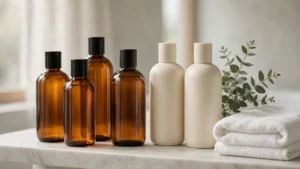
Packaging matters too. Both oils are best kept in dark glass bottles, which protect them from light, with a tight-fitting lid or dropper; clear plastic bottles and loose caps are signs of a less carefully made product.
It is also worth thinking about how you will use the product: a bottle of black seed oil makes sense for food or skin, capsules may suit you better if you dislike the taste, and a diluted oregano oil is easier to handle than a concentrated one.
Storage and shelf life
Both oils keep best in a cool, dark place, away from sunlight and heat; a kitchen cupboard is usually fine, and some people keep black seed oil in the fridge once opened. Keep the lid tightly closed, since air and light speed up the process by which oils go rancid.
Check the label for a use-by date and follow it. Unopened bottles generally last longer than opened ones, and capsules usually last longer than bottled oils because the oil inside is protected from air. If an oil smells sharp or stale, or its colour has changed noticeably, replace it.
Safety considerations
Both oils are concentrated plant products and should be treated with care. Oil of oregano in particular is very strong, and undiluted oregano oil should not be applied directly to the skin or taken neat. Even diluted products can irritate sensitive skin, so a patch test is a sensible precaution.
Some people may be allergic to plants in the same families as oregano or Nigella sativa; oregano belongs to the mint family, so anyone with a known sensitivity to mint, basil, sage or thyme should be cautious. If you notice itching, redness, swelling or difficulty breathing after using either oil, stop using it and seek medical advice promptly.
Certain groups should be especially careful: pregnant or breastfeeding women, children, and people taking regular medication or living with a health condition should speak to a clinician or pharmacist before using either oil, since plant oils can interact with medicines.
Your checklist before you buy
- Check the botanical name: Origanum vulgare for oregano oil, Nigella sativa for black seed oil.
- Confirm whether the oregano oil is diluted or sold concentrated.
- Look for the extraction method: steam distillation for oregano, cold pressing for black seed oil.
- Check the bottle is dark glass with a secure lid.
- Read the use-by date and storage instructions.
- Decide which form suits you: oil, capsules or a blend.
- Note any other ingredients, such as flavourings.
- Talk to a clinician or pharmacist first if you are pregnant, breastfeeding, taking medication or unwell.
- Patch test on a small area of skin before wider use.
- Keep the receipt and packaging in case you need to check the batch later.
Frequently asked questions
Can I take oil of oregano and black seed oil together?
They are commonly sold together in blended products. Read the label of any blend you buy and talk to a clinician or pharmacist about what is appropriate for you.
Is black seed oil the same as black cumin seed oil?
The two names are often used for the same product, since black seed oil comes from Nigella sativa, which is sometimes called black cumin. It is not the same plant as culinary cumin, so check the label for Nigella sativa to be sure.
Why is oil of oregano sold diluted?
Oregano oil is very concentrated, so it is usually diluted in a carrier oil such as olive oil to make it easier and gentler to handle. Undiluted oregano oil is an essential oil and should be treated as highly concentrated.
How should I store these oils?
Keep them in a cool, dark place with the lid tightly closed, away from sunlight and heat. Always follow the use-by date.
Can children use oil of oregano or black seed oil?
There is limited information about their use in children, so speak to a clinician or pharmacist before giving either oil to a child.
What should I do if an oil irritates my skin?
Stop using it and wash the area with warm water and mild soap. If the irritation is severe or does not improve, seek medical advice.
The bottom line
Oil of oregano and black seed oil are two distinct plant oils with different origins, production methods and characters: oregano oil is sharp, aromatic and highly concentrated, while black seed oil is milder, darker and usually cold pressed. Used thoughtfully and with attention to the label, they are straightforward products to understand.
If you enjoy exploring plant-based ingredients, you may also like our guide to Brazil nuts, another pantry staple with a long history, or our piece on how to brew green tea. For readers interested in how plant oils are produced, our guide to the best cold press juicer explains cold pressing in a kitchen context, and our article on creatine covers another widely discussed supplement ingredient.
Please note: This article is general information only and is not medical advice. It makes no claims about treating, curing or preventing any condition, and it recommends no dose. Talk to a clinician or pharmacist before using oil of oregano or black seed oil, especially if you are pregnant, breastfeeding, taking medication or living with a health condition.