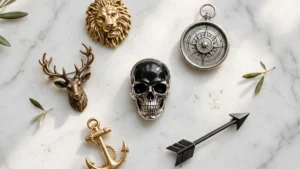

A brooch is the smallest way to make a suit feel finished. It sits on a lapel, and it does the quiet work of a pocket square without the fuss of folding one or the risk of it slipping out of place. The problem is not finding a brooch. It is finding one that looks confident on a lapel, stays put through a long day, and does not read as costume jewellery in a meeting.
That is why this guide is organised by how a brooch actually behaves when it is worn, not just by how it looks in a product photo. A flat, low-profile pin is the safest choice for a suit, a dinner jacket, and a formal event. A secure clasp matters more than a famous name, because a brooch that falls off in a lift is a brooch you stop wearing. Weight matters too: a heavy brooch pulls on fine wool and light linen, while a light one can sit happily on almost any jacket.
Below are nine brooches worth considering in 2027, from a classic silver bar to a slim gold chain design, each described by what it is good at, what to watch for, and who it suits best, so you can choose with your wardrobe in mind, not just a bestseller list.
Key takeaways
- A brooch should suit the jacket first: light pins for fine wool and linen, sturdier pins for heavy coats and tweed.
- A secure clasp, usually a rollover safety catch or a locking C-clasp, matters more than the size of the stone.
- Plain silver, gold and onyx brooches are the most versatile for men; novelty shapes suit casual jackets best.
- Try a brooch on the actual jacket before an event, and check it sits flat and does not pull the lapel.
- No brooch suits every jacket and every fabric at once, and a heavy brooch can damage fine wool if it is worn on the wrong material.
What a brooch actually does for a suit
A brooch is a finishing piece. In plain terms, it draws the eye to one point, usually the lapel, and it gives a plain suit a focal point without adding another layer. It also does practical work: it can hold a lapel in place, add weight to a light jacket so it hangs better, or replace a tie pin on a formal outfit. That is why brooches have lasted so long in menswear. They are decoration with a job.
What a brooch does not do is replace the rest of the suit. A beautiful pin on a poorly fitting jacket will not fix the jacket, and a large, heavy brooch on a fine wool suit will pull the lapel out of shape by the end of the day. That is why the fabric comes first. A brooch that is right for a tweed jacket may be wrong for a fine wool suit, and a brooch that looks perfect on a wide lapel may sit awkwardly on a narrow one.
Scale is the other quiet problem with brooches. A tiny pin can disappear on a heavy coat, and a large brooch can overwhelm a slim lapel or a smaller frame. The usual rule is simple: the brooch should be in proportion to the lapel and to the wearer. A brooch between three and five centimetres suits most lapels, while smaller pins work better on narrow lapels and finer fabrics.
How we chose these brooches and what to look for
Look first at the clasp. A rollover safety catch is the most reliable for everyday wear, because it locks the pin in place and is hard to open by accident. A locking C-clasp is the traditional choice on fine jewellery, and it is secure when it is in good condition, but it needs checking as it ages. A simple pin with no lock is fine for a light brooch on a sturdy fabric, but it is a risk on anything you will wear for a long day.
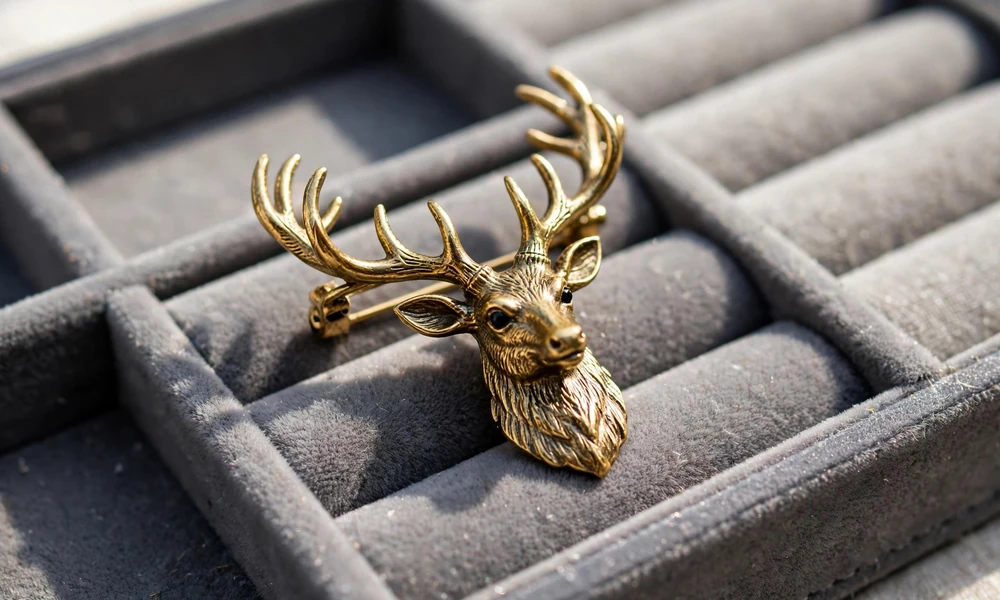
Look next at the weight and the back. A brooch should feel balanced in the hand, not heavy at one end, and the pin should be straight and sharp enough to pass through fabric without forcing it. A brooch with a long pin suits thick coats; a shorter pin suits fine suits and light jackets. If the pin is bent or the hinge feels loose, the brooch will not stay straight, however good the front looks.
Finally, look at the metal and the stone. Solid gold and sterling silver age well and suit sensitive skin. Gold vermeil and gold plating look the same at first, but they wear through in one to three years with regular use, so they are better for occasional pieces than for a brooch you plan to wear every week. A luxury watch is the usual companion to a brooch on a suit, because the two pieces sit far apart and do not compete, and matching the metals of the two is an easy way to make the whole outfit look considered.
The 9 best brooches for men of 2027
Tiffany & Co. 1837 Bar Brooch
What we like: A clean sterling silver bar with the 1837 engraving, instantly recognisable, light enough for fine wool, and easy to wear with any suit.
What to consider: Silver tarnishes and needs regular polishing, and the design is simple, so it will not feel distinctive if you want something bolder. Metal: Sterling silver. Setting: Pin with rollover safety catch. Best for: Work suits and formal daytime events. Price range: Mid-range luxury.
This is the brooch other brooches are measured against for everyday wear.
Cartier Juste un Clou Brooch
What we like: A nail bent into a curve in 18k gold, modern and sculptural, beautifully made, and a genuine statement piece for evening wear.
What to consider: High price, and a bold design that suits evening better than the office. Metal: 18k yellow gold. Setting: Pin with locking C-clasp. Best for: Evening suits and formal occasions. Price range: High luxury.
A practical choice only in the sense that it is built to last.
David Yurman Curb Chain Brooch
What we like: A sterling silver curb chain design, sculptural and modern, comfortable to wear, and a design that suits both blazers and coats.
What to consider: Silver needs regular cleaning, and the chain texture can catch on fine knits. Metal: Sterling silver. Setting: Pin with safety catch. Best for: Blazers, coats, and smart-casual outfits. Price range: Mid-range luxury.
A good choice if you like jewellery with a sculptural feel rather than a traditional one.
John Hardy Classic Chain Brooch
What we like: A hand-finished sterling silver chain brooch, warm and textured, light enough for fine wool, and a design that has stayed in style for years.
What to consider: Silver tarnishes without regular cleaning, and the textured surface shows wear more quickly than a polished one. Metal: Sterling silver. Setting: Pin with safety catch. Best for: Smart-casual jackets and evening wear. Price range: Mid-range luxury.
If your wardrobe is mostly dark suits and textured jackets, this is often the most comfortable luxury brooch to own.
Bulgari B.zero1 Brooch
What we like: A spiral design in 18k rose gold, bold and architectural, beautifully finished, and a genuine piece of design history.
What to consider: Very high price, and rose gold is a warmer tone that suits some skin tones better than others. Metal: 18k rose gold. Setting: Pin with locking C-clasp. Best for: Evening wear and special occasions. Price range: High luxury.
This is a brooch for a man who likes design-led jewellery and wants a piece that is both a brooch and a conversation.
Hermès Chaine d’Ancre Brooch
What we like: An anchor chain link in sterling silver, clean and architectural, light and comfortable, and easy to wear with both suits and casual jackets.
What to consider: Silver needs regular cleaning, and the design is understated, so it will not stand out on a dark lapel. Metal: Sterling silver. Setting: Pin with safety catch. Best for: Everyday suits and smart-casual outfits. Price range: High luxury.
For a first luxury brooch, or for a man who wants a quiet, well-made pin without a high profile, this is an easy, low-risk place to start.
Georg Jensen Torun Brooch
What we like: A sculptural sterling silver form with a clean, modern line, beautifully finished, and a design that suits both formal and casual jackets.
What to consider: Silver tarnishes and needs polishing, and the sculptural shape can sit awkwardly on a very narrow lapel. Metal: Sterling silver. Setting: Pin with safety catch. Best for: Suits, blazers, and evening wear. Price range: Mid-range luxury.
A sensible choice for a man who likes Scandinavian design and wants a brooch that feels modern rather than traditional.
Miansai Cuban Link Brooch
What we like: A sterling silver Cuban link, bold and masculine, affordable for the quality, and easy to wear with both suits and casual jackets.
What to consider: The link is heavier than a flat pin, so it needs a sturdy lapel, and silver needs regular cleaning. Metal: Sterling silver. Setting: Pin with safety catch. Best for: Casual jackets and evening suits. Price range: Accessible luxury.
If you want a brooch with presence without a high price, this is often the best balance.
Tateossian Leather and Steel Brooch
What we like: A mix of leather and stainless steel, modern and understated, very durable, and easy to wear with casual and work jackets alike.
What to consider: Leather needs care and should be kept dry, and stainless steel is a cooler tone that suits some outfits better than others. Metal: Stainless steel and leather. Setting: Pin with safety catch. Best for: Casual jackets and everyday wear. Price range: Affordable.
A sensible everyday choice, especially if you want a brooch you can wear without worrying about it.
Which brooch is right for you
Start with the lapel. Wide lapels can carry a larger brooch, while narrow lapels suit a smaller, flatter pin, ideally under five grams for fine wool. The goal is a brooch that sits flat and stays straight all day, so a brooch that feels comfortable on the hanger is a better sign than one that looks impressive in the box.
Next, think about where you will wear it. Work suits usually suit a flat, low-profile brooch in silver or gold, because it will not catch on a bag strap or a seat belt. Evening suits can carry more drama: a larger brooch, a coloured stone, or a design with real presence. A gold jewellery guide for everyday wear is a useful frame here, because the metal you choose for a brooch should sit comfortably with the rest of your jewellery, and matching the metal to your watch is an easy way to make the whole outfit look considered.
Finally, consider your build. A smaller man can be overwhelmed by a very large brooch, while a taller man may find a tiny pin disappears on a coat. Proportion matters more than price, and a well-chosen smaller brooch will always look better than a large one worn on the wrong scale.
The caveats that matter
Brooches are simple to wear, but they are not risk-free. A heavy brooch can leave a hole in fine wool or a light linen, and a pin that is forced through a tight weave can snag the fabric. A brooch worn on a coat that is taken on and off all day is more likely to be lost than one worn on a suit, because the clasp can be knocked open when the coat is folded or hung.
| Detail | What is known |
|---|---|
| Best clasp for daily wear | Rollover safety catch, which locks the pin and is hard to open by accident |
| Best fabric match | Light brooches for fine wool and linen; heavier brooches for tweed and heavy coats |
| Ideal size for a lapel | Three to five centimetres suits most lapels and most frames |
| Metal that lasts longest | Solid gold and sterling silver; vermeil and plating wear through in one to three years |
| Stone care | Onyx and enamel need care and should be kept away from hard knocks; diamonds need an annual stone check |
| What to avoid | Heavy brooches on fine wool, and pins forced through tight weaves that can snag |
| When to check the clasp | Before every wear, and after cleaning, because a loose hinge is the main cause of loss |
| What a brooch does not do | It does not fix a poorly fitting jacket or suit every suit and every fabric at once |
If your brooch has a loose hinge, a bent pin, or a clasp that no longer locks firmly, take it to a jeweller before you wear it again. A small repair is cheap, and a lost brooch is not. That is not a formality. Most brooches are lost because a clasp that felt fine in the morning opened during the day.
Checklist: choosing a brooch honestly
Use these checks before you buy, and again before an important event.
- Check the clasp: it should lock firmly and need a deliberate action to open.
- Check the weight: hold it against the jacket you plan to wear it on, and see if it pulls the lapel.
- Check the pin: it should be straight, sharp, and long enough for the fabric, but not so long it pokes through.
- Check the metal: solid gold or sterling silver lasts longest; vermeil and plating wear through in one to three years.
- Try it on the actual jacket: check it sits flat, stays straight, and does not catch on a bag strap or seat belt.
- Check the scale: the brooch should be in proportion to the lapel and to your build.
Frequently asked questions
Where should a man wear a brooch?
On the left lapel, usually just above the buttonhole, so it sits flat and stays straight. The right side works just as well if it suits the jacket, but the left is the traditional place, and it should not sit where a bag strap will knock it.
Can I wear a brooch with a tie?
Yes. A brooch and a tie sit in different places and do not compete, so they work well together. Keep the brooch simple if the tie is patterned, or skip the tie pin if you are wearing a brooch, because two pins on the same outfit can look busy.
How do I stop a brooch from damaging wool?
Choose a light brooch with a short, sharp pin, and pin it through the buttonhole or a thicker part of the lapel where possible. Never force a pin through a tight weave, and do not wear a heavy brooch on fine wool. Our guide to statement necklaces makes the same point about scale and balance, because a brooch that is too large for its setting will always look wrong, whatever it is paired with.
What is the most secure brooch clasp?
A rollover safety catch is the most reliable for everyday wear, because it locks the pin in place. A locking C-clasp is also secure when it is in good condition, but it needs checking as it ages, because the spring can weaken.
Are brooches still in fashion for men in 2027?
Yes. Brooches have returned as a finishing piece on suits, dinner jackets and coats, and they are worn by men of every age. The current look is a single, well-chosen brooch rather than a cluster of small ones.
How should I store a brooch?
Keep it in a lined jewellery box or a soft pouch, with the clasp closed, so the pin does not scratch other pieces. Silver should be kept in a tarnish-resistant pouch, and leather pieces should be stored dry and away from direct sunlight.
The bottom line
The best brooch for men in 2027 is not the largest or the most expensive. It is the one that suits your jackets, that stays secure all day, and that you will actually wear. For everyday use, a light silver bar or chain brooch is a strong choice. For evening, a gold design with real presence is the smarter pick, and it will still feel right years from now.
Choose one brooch, try it on the jacket you plan to wear it with, check the clasp before you leave the house, and judge it on how it looks at the end of the day, not just in the mirror in the morning. That is the honest way to get the benefit a brooch is known for, without the damage or the loss that makes people stop wearing one.