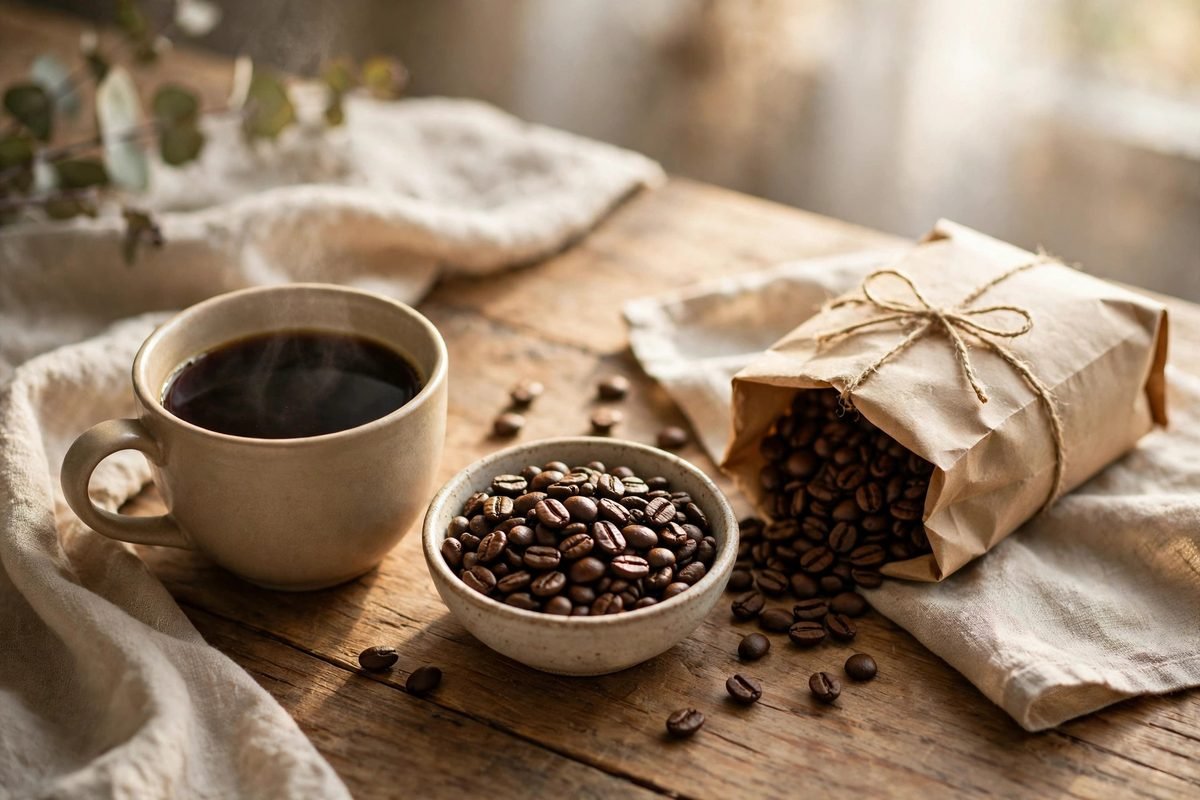
The best decaf coffee tastes like coffee, not like a compromise. It is rich, smooth and full-flavoured, with the same warmth and aroma as a regular cup, minus most of the caffeine.
So which is the best decaf coffee in 2027? The best cup depends on how the caffeine was removed and on the beans underneath, because a good decaf starts with good coffee. This guide ranks ten standout decaf coffees, from Swiss Water to sugarcane-process beans, so you can find a cup that suits you.
Key takeaways:
- Decaf coffee has most of its caffeine removed, but a small amount remains, so it is low-caffeine rather than caffeine-free.
- Swiss Water, carbon dioxide and sugarcane processes all remove caffeine without roasting, and each leaves a slightly different flavour.
- Single-origin decaf shows off the character of one place; a decaf blend is made for consistency and balance.
- Buy whole beans when you can, grind them fresh, and brew decaf just as carefully as regular coffee.
How decaf coffee is made
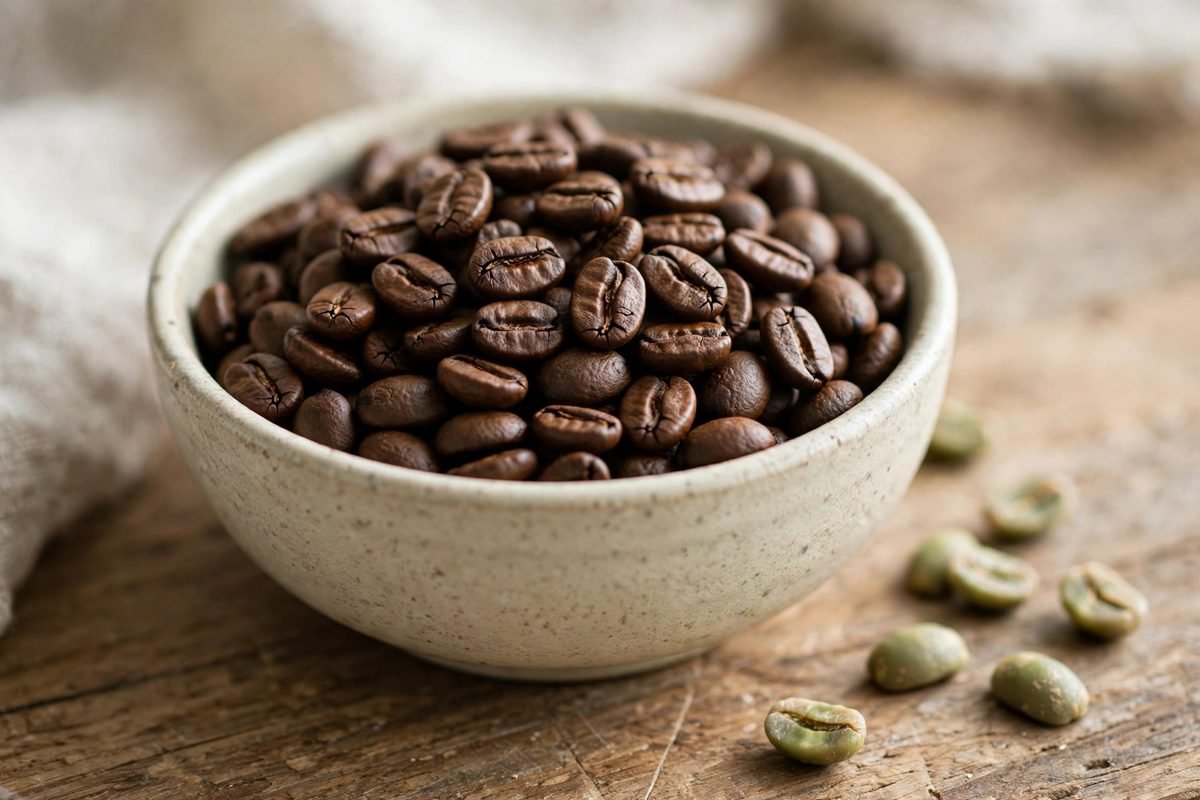
Decaffeination happens before roasting, while the beans are still green. The beans are soaked or steamed, the caffeine is drawn out, and the beans are then dried and roasted as normal. The aim is to remove the caffeine while keeping the flavour compounds that make coffee taste like coffee.
The Swiss Water Process uses only water, time and temperature. Green beans are soaked in hot water, the caffeine is filtered out through charcoal, and the flavour-rich water is then used to wash the caffeine from a fresh batch of beans.
The sugarcane process, also called the ethyl acetate process, uses a compound derived from sugarcane to draw caffeine from the beans. The beans are steamed, washed in the solution, and then rinsed and dried.
The carbon dioxide process uses pressurised carbon dioxide to draw caffeine from steamed beans. The gas is then released, leaving the beans behind.
The Mountain Water Process, from Mexico, is similar to the Swiss Water method: beans are soaked in pure water from mountain springs, and the caffeine is filtered out. Whichever process is used, the beans are roasted afterwards, so the roast matters just as much as the method.
What makes decaf coffee great?
Great decaf starts with great beans. A roaster who buys good green coffee and decaffeinates it carefully will produce a far better cup than a roaster who starts with poor beans. Look for a named origin and a roast date, the same signs of quality you would look for in regular coffee.
Freshness matters more with decaf, because the beans have already been through one extra process. Buy whole beans when you can and grind them just before brewing.
Roast level shapes the cup. A medium roast keeps the origin character, while a darker roast brings out chocolate and caramel notes and suits milk.
Price is not a reliable guide to quality with decaf. A modestly priced bean from a good roaster, bought fresh and brewed with care, will beat an expensive bag that has sat on a shelf for months. Freshness and a named origin tell you far more than the price on the bag.
The 10 best decaf coffees in 2027
1. Swiss Water Process Colombian
Swiss Water Colombian is the classic decaf, and it is the best place to start. The beans are smooth, sweet and well balanced, with notes of milk chocolate, caramel and a gentle citrus brightness. It tastes like a good Colombian coffee first and a decaf second.
It works in almost every brewer and takes milk well.
Best for: a smooth, balanced everyday decaf.
2. Sugarcane Process Colombian
Sugarcane-process Colombian is the sweetest decaf on this list. The ethyl acetate method keeps the natural sweetness of the bean, so the cup is rich and rounded, with notes of panela, red fruit and cocoa. It is the decaf for people who love a naturally sweet coffee.
It shines as a filter coffee and as an espresso, and pairs beautifully with milk.
Best for: a naturally sweet, rich decaf.
3. Carbon Dioxide Process Ethiopian
Carbon dioxide Ethiopian is the most delicate decaf on this list. The gentle process preserves the floral and fruity character of Ethiopian beans, so the cup is bright and aromatic, with notes of jasmine, bergamot and stone fruit. It is the decaf for people who love light, fragrant coffee.
Brew it as a filter coffee or a pour-over, and drink it black if you can.
Best for: a bright, floral decaf.
4. Swiss Water Process Ethiopian
Swiss Water Ethiopian is a softer, rounder take on the same origin. The water process keeps the fruit and sweetness of the bean while rounding off the sharp edges, so the cup is smooth and juicy, with notes of blueberry, apricot and cocoa.
It works as a filter coffee and as a cafetière brew, and is a good choice if you find lighter Ethiopians too sharp.
Best for: a smooth, fruity Ethiopian decaf.
5. Sugarcane Process Brazilian
Sugarcane-process Brazilian is the comfort cup of this list. Brazilian beans are naturally low in acidity and full of chocolate and nut flavours, and the sugarcane process keeps that warmth. The result is a smooth, mellow cup with notes of milk chocolate, hazelnut and caramel.
It holds its flavour under milk, so it is the decaf to choose for a flat white or a latte.
Best for: a mellow, chocolatey decaf for milky drinks.
6. Swiss Water Process Sumatran
Swiss Water Sumatran is the boldest decaf on this list. Sumatran beans are known for their earthy, full-bodied character, with notes of dark chocolate, spice and cedar, and the water process keeps that depth. It is a rich, heavy cup that lingers.
Brew it as a cafetière or a filter coffee, and give it a little more time than a lighter bean.
Best for: a bold, full-bodied decaf.
7. Mountain Water Process Mexican
Mountain Water Mexican is a gentle, honeyed decaf with a soft, clean flavour. The beans are smooth and balanced, with notes of milk chocolate, caramel and a light citrus lift. It is the kind of coffee that is easy to drink, cup after cup.
It works well as a filter coffee and as a cafetière brew, and the clean finish is its best feature.
Best for: a gentle, easy-drinking decaf.
8. Swiss Water Process Espresso Blend
A Swiss Water espresso blend is made for pressure, not for a gentle pour. The blend is roasted darker, so it stands up to a short, intense extraction, with notes of dark chocolate, caramel and a little dried fruit. It makes a proper decaf espresso, with a real crema.
Use it in an espresso machine, and pair it with milk for a decaf flat white or cappuccino. Our guide to the best espresso machine will help if you are choosing a machine, and our best budget espresso machine covers cheaper options.
Best for: a proper decaf espresso.
9. Sugarcane Process Peruvian
Sugarcane-process Peruvian is a bright, clean decaf with a gentle sweetness. Peruvian beans are known for their balance, and the sugarcane process keeps that character, so the cup has notes of cocoa, citrus and a soft caramel sweetness. It is a lively coffee without being sharp.
It works well as a filter coffee, a cafetière brew or a pour-over.
Best for: a bright, balanced single-origin decaf.
10. Carbon Dioxide Process Kenyan
Carbon dioxide Kenyan is the liveliest decaf on this list. Kenyan beans are known for their bright acidity and blackcurrant character, and the gentle carbon dioxide process preserves that brightness. The cup is juicy and complex, with notes of blackcurrant, grapefruit and brown sugar.
Brew it as a pour-over or a filter coffee, and drink it black to taste the fruit.
Best for: a bright, juicy decaf with real character.
How do the best decaf coffees compare?
| Decaf | Origin | Process | Flavour |
|---|---|---|---|
| Swiss Water Colombian | Colombia | Swiss Water | Smooth, chocolate, caramel |
| Sugarcane Colombian | Colombia | Sugarcane | Sweet, red fruit, cocoa |
| Carbon Dioxide Ethiopian | Ethiopia | Carbon dioxide | Floral, bright, stone fruit |
| Swiss Water Ethiopian | Ethiopia | Swiss Water | Fruity, smooth, cocoa |
| Sugarcane Brazilian | Brazil | Sugarcane | Chocolate, hazelnut, caramel |
| Swiss Water Sumatran | Sumatra | Swiss Water | Bold, earthy, dark chocolate |
| Mountain Water Mexican | Mexico | Mountain Water | Gentle, honeyed, caramel |
| Swiss Water Espresso Blend | Blend | Swiss Water | Dark chocolate, caramel |
| Sugarcane Peruvian | Peru | Sugarcane | Bright, cocoa, citrus |
| Carbon Dioxide Kenyan | Kenya | Carbon dioxide | Juicy, blackcurrant, grapefruit |
Your decaf coffee brewing checklist
Work through this list before you brew.
- Buy whole beans: whole beans stay fresh longer than ground coffee, and decaf needs all the freshness it can get.
- Grind fresh: grind just before brewing, and match the grind to your brewer.
- Use fresh water: filtered water, just off the boil, makes a cleaner cup.
- Weigh your coffee: a consistent ratio of coffee to water is the easiest way to brew well every time.
- Brew it like regular coffee: decaf deserves the same care, the same temperature and the same timing.
- Store it sealed: keep beans in a cool, dry place in a sealed container, away from strong smells.
- Try it black first: taste a new decaf black, then add milk if you like, so you know what the bean tastes like.
- Match the roast to the drink: a medium roast suits filter coffee, a darker roast suits milk.
Frequently asked questions
Is decaf coffee completely caffeine-free?
No. Decaf has most of its caffeine removed, but a small amount remains, so it is low-caffeine rather than caffeine-free. If you need to avoid caffeine entirely, ask your doctor, because even decaf contains a trace.
Does decaf coffee taste worse than regular coffee?
Not if it starts with good beans and is brewed well. Older decaf had a reputation for tasting flat, but modern processes keep far more of the flavour. A good decaf tastes like coffee, not like a compromise.
Which decaf process is best?
There is no single best process: Swiss Water uses only water, sugarcane keeps sweetness well, and carbon dioxide preserves delicate flavours. The beans and the roast matter just as much as the method, so choose by flavour, not by process alone.
Can I make decaf espresso?
Yes. A decaf espresso blend, roasted darker for pressure brewing, makes a proper espresso with crema. Our guide to the best coffee beans for espresso explains what to look for in an espresso bean, and a good machine helps too.
How should I store decaf coffee?
In a cool, dry place in a sealed container, away from strong smells. Buy whole beans and grind them fresh, because ground decaf loses its aroma faster than whole beans. Do not store coffee in the fridge, as moisture can dull the flavour.
Sources
Coffee guidance here reflects widely published information about decaffeination processes, including the Swiss Water, sugarcane and carbon dioxide methods, and about the character of coffee from the origins named. For more on brewing, see our guide to the best coffee beans for espresso, and for a morning pairing, our best bagel and coffee guide.
The bottom line
The best decaf coffee is the one that suits your taste. Swiss Water Colombian is the smoothest place to start, sugarcane Colombian is the sweetest, and carbon dioxide Ethiopian is the most delicate. Sumatran is the boldest, Kenyan is the liveliest, and a Swiss Water espresso blend is the choice for a proper decaf espresso.
Your next step is simple: buy two decafs made by different processes, one smooth and one bright, brew them carefully, and taste them side by side. You may find you stop thinking of decaf as second best.