

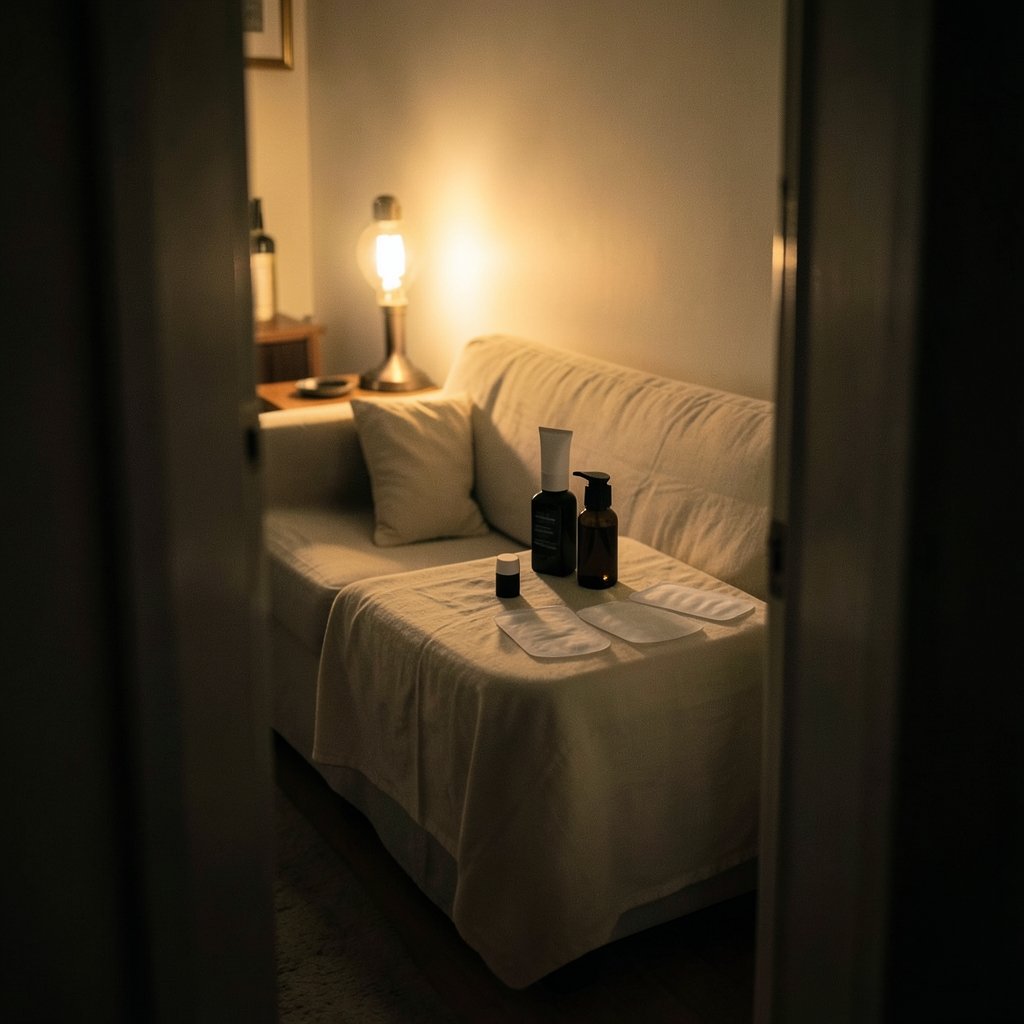
What if the most reliable skincare products in your bathroom came from a country that treats a bottle of face wash a bit like a medicine? That is not an exaggeration. Japan has spent decades building a regulatory and manufacturing culture around cosmetics that explains why so many people who try a Japanese sunscreen, cleansing oil, or sheet mask quietly stop buying anything else.
The appeal is not magic. It is chemistry, standards, and a national obsession with texture. This guide breaks down what the best Japanese cosmetics do well, where the hype outruns the reality, and how to shop smart whether you are in Tokyo or ordering from a laptop halfway around the world.
Why Japanese cosmetics earned their reputation
Japan’s cosmetics market is one of the largest in the world, and its brands are widely cited for sunscreen technology, cleansing oils, and sheet masks. Those three categories are not random. They reflect what Japanese formulators have historically prioritized: protection from strong sun, gentle cleansing that respects the skin barrier, and hydration delivered in thin, comfortable layers.
The regulatory backdrop matters more than most shoppers realize. Since 2014, cosmetics in Japan have been governed by the Pharmaceuticals and Medical Devices Act (PMD Act), which replaced the older Pharmaceutical Affairs Law. Under this framework, products split into two broad buckets: ordinary cosmetics and quasi-drugs, a category that can carry limited efficacy claims such as sun protection or anti-dandruff benefits.
That distinction is the engine behind Japan’s famous sunscreens. A product that prints an SPF and PA value with confidence is often sitting in the quasi-drug category, where those claims are permitted. Ordinary cosmetics cannot make the same statements. So when people say Japanese sunscreen “just works,” part of the answer is that the rules let formulators make and verify stronger claims in the first place.
Sunscreen: the category Japan genuinely leads

If there is one product worth buying first, it is sunscreen. Japanese sunscreens are famous for lightweight textures that do not leave a heavy white cast, and for elegant finishes that make daily reapplication realistic.
The ratings themselves follow international measurement standards. SPF is tested under ISO 24444, and UVA protection is assessed in vitro under ISO 24443. The PA rating (PA+ through PA++++) is a Japanese-origin system now widely used across Asia. Understanding those labels helps you compare products across borders instead of guessing.
Filters matter too. Japanese sunscreens use both organic filters (such as octinoxate and octocrylene) and inorganic ones (zinc oxide and titanium dioxide). Some organic filters face restrictions elsewhere. Hawaii’s 2018 sunscreen law, for example, banned oxybenzone and octinoxate, with the ban taking effect in 2021. If you are traveling or shipping to a region with different rules, check the ingredient list rather than assuming a formula is universal.
Practical tip: match the texture to your skin, not to the marketing. Gel and milk formulas suit oily or humid conditions; cream formulas suit dry skin and winter. And remember that no filter works if you apply a fraction of the recommended amount.
Cleansing oils and the double cleanse
Japanese cleansing oils are the category that converts skeptics. The idea is simple: oil dissolves oil-based makeup, sebum, and sunscreen residue, then a water-based cleanser removes what is left. Done well, it is gentler than scrubbing with a foaming cleanser alone.
Common mistakes people make here are worth naming. First, using a cleansing oil on dry skin without emulsifying it properly. Most formulas need a splash of water to turn milky before rinsing. Second, over-cleansing. A double cleanse twice a day can strip skin, especially if both steps are aggressive. Many dermatologists suggest reserving the full double cleanse for evenings when you have worn sunscreen or makeup.
Third, assuming “oil” means pore-clogging. Modern Japanese cleansing oils are formulated to rinse clean, and texture varies enormously. If one feels heavy, another will not.
Lotions, essences, and the layering philosophy
Walk through a Japanese drugstore and you will notice a naming quirk: what Western brands call a toner, Japanese brands often call a lotion. It is typically a watery hydrating step, not an astringent. This is where the layering philosophy shows up. (Japanese baby name meanings)
The typical routine looks like this:
- Cleansing oil to break down sunscreen and makeup.
- A second, gentler cleanser.
- Lotion (watery hydration) patted in.
- Essence or serum for targeted concerns.
- A light emulsion or cream to seal everything in.
- Sunscreen in the morning.
The goal is thin layers rather than one heavy product. That approach suits humid climates and combination skin, and it explains why Japanese textures skew light. If you have very dry skin, you may need to add an occlusive layer on top.
Sheet masks: useful, not miraculous
Sheet masks are the most photographed Japanese and Asian beauty export, and also the most overhyped. They are essentially a delivery system for hydration. Fifteen minutes under a wet sheet plumps the outer layer of skin, and the effect is real but temporary.
That does not make them useless. They are a pleasant, low-effort way to add moisture, and they are handy after sun exposure or long flights. What they are not is a substitute for consistent routine. If a mask promises dramatic long-term change from a single use, treat that as marketing.
One practical note: check the ingredient list if you have sensitive skin. Fragrance and preservatives are common irritants, and the American Academy of Dermatology and similar bodies advise patch testing new products before applying them broadly, especially if you know you react to fragrance or certain preservatives.
Ingredients and labels: how to read a Japanese bottle
Ingredient labelling in Japan follows national rules: ingredients are listed in descending order of quantity, with some allowances for ingredients present in small amounts. That is broadly similar to labeling conventions elsewhere, which means you can scan the top of the list to see what a product is mostly made of.
A few label-reading habits pay off:
- Look past the hero ingredient. A “sake” or “green tea” headline does not tell you the concentration. Check where it sits in the list.
- Watch for alcohol. Many Japanese lotions and sunscreens use alcohol for texture. It is not inherently bad, but sensitive skin may notice it.
- Distinguish cosmetic from quasi-drug. Quasi-drug status signals that certain claims have been reviewed under the PMD Act.
- Check for fragrance-free options. “Fragrance-free” and “unscented” are not identical concepts, and formulas vary.
If you are curious about how Japanese naming conventions work more broadly, the way names and words carry layered meaning is a fun rabbit hole, and the same care with language applies to reading a product label. (Japanese girl names)
Skin type and “J-beauty”: useful shorthand, not science
J-beauty is a marketing and editorial label, not a regulated term. There is no official definition. Claims about “Japanese-only” formulations or special water quality are frequently brand storytelling and deserve a raised eyebrow.
Skin type labels are similarly loose. Oily, dry, combination, and sensitive are useful starting points, but they are not clinical categories, and your skin changes with season, humidity, and age. The best approach is to test products in small sizes and let your skin vote.
How to shop without getting burned
Counterfeit and grey-market Japanese cosmetics are a known issue in some markets. The standard advice is straightforward: buy from authorized retailers, whether that is a brand’s official store, a reputable drugstore chain, or a trusted retailer with clear sourcing. Deep discounts on popular sunscreens are a warning sign, not a bargain.
Packaging and recycling claims are another area where it pays to be skeptical. Japan’s Containers and Packaging Recycling Act, introduced in 1995 and revised since, governs packaging waste, and brands sometimes lean on environmental language that deserves scrutiny. Look for specific, checkable claims rather than vague green imagery.
A practical shopping checklist:
| What to check | Why it matters |
|---|---|
| Seller authorization | Reduces counterfeit and expired-stock risk |
| SPF and PA values | Confirms the product is rated for real sun protection |
| Ingredient order | Shows what the formula is mostly made of |
| Quasi-drug status | Signals reviewed efficacy claims |
| Batch or expiry info | Protects against degraded formulas |
| Patch test plan | Limits reaction risk on sensitive skin |
Where Japanese cosmetics fit in a routine
The honest answer is that Japanese cosmetics are excellent at specific jobs and ordinary at others. Sunscreen, cleansing oils, and lightweight hydrating layers are where the category shines. Elaborate multi-step routines are optional, and more steps do not automatically mean better skin.
A sensible starting point is three products: a Japanese sunscreen you actually enjoy wearing, a cleansing oil if you wear sunscreen or makeup regularly, and one hydrating lotion or essence. Add sheet masks as a treat, not a treatment. If you want to explore the culture behind the products, the naming traditions and family-name conventions that show up in brand storytelling are a pleasant detour, and browsing resources on Japanese baby names and their meanings offers a window into how carefully the culture treats words. (Japanese names with kanji)
Conclusion
The best Japanese cosmetics are not the ones with the most dramatic claims. They are the ones built on a regulatory system that rewards verified sun protection, on textures designed for real daily use, and on a philosophy of gentle, layered hydration. Buy sunscreen from Japan with confidence, treat cleansing oils as a practical tool, and view sheet masks and “J-beauty” language with clear eyes. Start small, patch test, buy from authorized sellers, and let your own skin decide what deserves a permanent spot on the shelf.
Frequently asked questions
Are Japanese sunscreens better than Western ones?
They are not universally better, but they are often more pleasant to wear, which matters because the best sunscreen is the one you reapply. Japanese sunscreens frequently sit in the quasi-drug category, which allows SPF and PA claims under the PMD Act, and their textures tend to be lighter. SPF is measured under ISO 24444 and UVA under ISO 24443, so ratings are comparable across countries when the same standards are used.
What does “quasi-drug” mean on a Japanese product?
Quasi-drugs are a category under Japan’s PMD Act, which took effect in 2014. They sit between ordinary cosmetics and medicines and can carry limited efficacy claims, such as sun protection or anti-dandruff benefits, that plain cosmetics cannot make. Seeing quasi-drug status on a label tells you certain claims have been reviewed under that framework.
Is a Japanese cleansing oil suitable for oily or acne-prone skin?
Often yes. Cleansing oils are designed to dissolve sunscreen, makeup, and sebum, and most modern formulas emulsify with water and rinse clean. The bigger risk for oily skin is over-cleansing, not the oil itself. If a formula feels heavy, try a lighter texture rather than abandoning the category.
Do sheet masks actually do anything?
They deliver temporary hydration by holding moisture against the skin for 15 minutes or so. That effect is real but short-lived. Sheet masks are a nice addition to a routine, not a replacement for consistent cleansing, moisturizing, and sun protection.
How can I tell if a Japanese cosmetic is genuine?
Buy from authorized retailers and be wary of prices that seem too good. Counterfeit and grey-market products are a known issue in some markets, and unauthorized sellers may also stock expired goods. Check batch information where available and avoid marketplaces with unclear sourcing.
What is the minimum Japanese skincare routine worth trying?
Three products cover most of the benefit: a sunscreen you will actually wear daily, a cleansing oil if you use sunscreen or makeup, and one hydrating lotion or essence. Patch test new items first, especially if you are sensitive to fragrance or preservatives, and add steps only when your skin asks for them.









