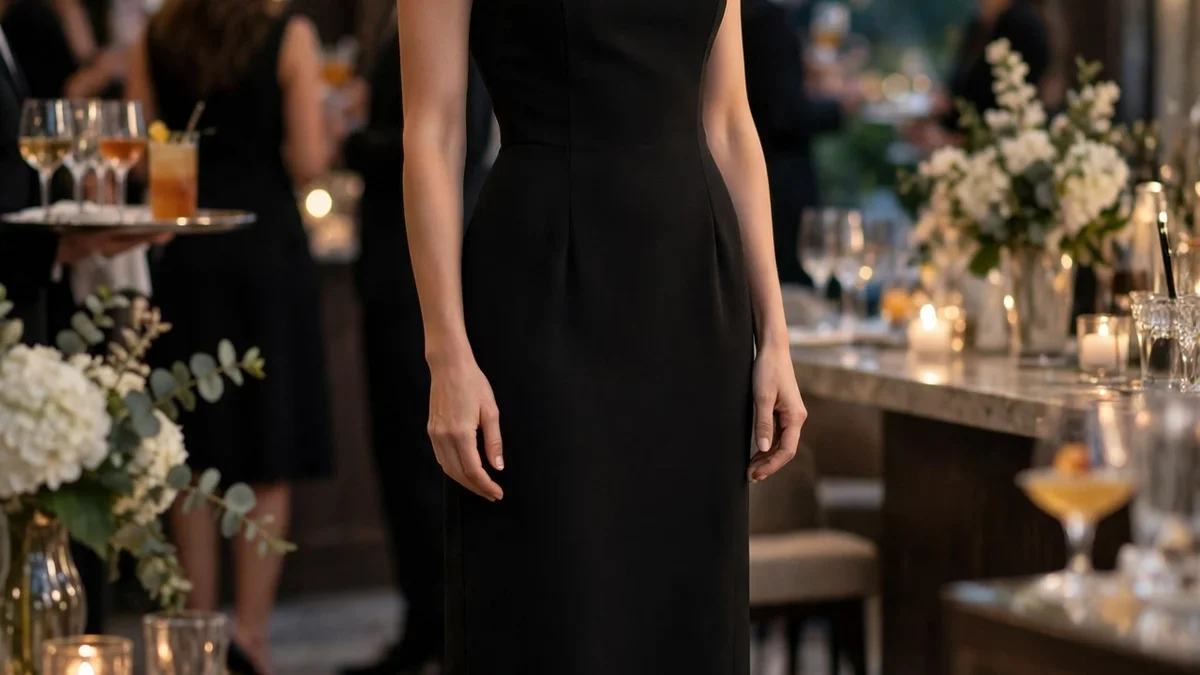

Few pieces of clothing have earned their place in the wardrobe as thoroughly as the little black dress. It has been the answer to a wedding invitation, a job interview, a first date and a last-minute evening out for close to a century, and it shows no sign of giving up the role. The reason is simple: black flatters almost everyone, a good cut does most of the work, and the dress itself is a blank canvas for whatever the occasion demands.
Yet “little black dress” covers a surprising amount of ground. A crepe sheath for the office, a satin slip for dinner, a jersey wrap for a long day that turns into an evening, a structured midi for a wedding guest — all of them are little black dresses, and choosing between them is really about silhouette, fabric and occasion. The right one is not the most fashionable dress in the shop. It is the one that fits your life and still looks right when you catch your reflection at midnight.
Below are nine little black dresses worth considering in 2027, from a classic crepe sheath to a soft jersey wrap and a dramatic satin slip. Each one is described by what it does well, what to watch for, and who it suits best, so you can choose with your diary in mind, not just the hanger.
Key takeaways
- A little black dress earns its place by fitting well, feeling comfortable for hours, and adapting to more than one occasion.
- Silhouette matters most: a sheath flatters a straight frame, a wrap suits curves, an A-line skims the hips, and a slip dress needs the right underpinnings.
- Fabric decides the occasion — matte crepe and jersey for daytime, satin and velvet for evening, and stretch blends for all-day comfort.
- Check the length, the lining and the zip before you buy, because those three details decide whether a dress is actually wearable.
- No single dress suits every body or every event, and a dress that needs constant adjusting, shapewear you hate, or heels you cannot walk in is the wrong dress, however good it looks on the hanger.
What makes a little black dress work
A little black dress works because black is forgiving and a simple shape lets the wearer do the talking. Black softens contrast, smooths the eye over the silhouette, and pairs with almost any colour of shoe, bag or jewellery. That is why the same dress can look polished at a work lunch with a blazer and loafers, then look entirely different in the evening with heels, statement earrings and a red lip.
The cut is what separates a dress you reach for from one that hangs unworn. A well-cut dress sits smoothly over the shoulders, skims rather than clings at the waist and hips, and allows you to sit, walk and reach without tugging. The details matter more than the label: a lined bodice that does not cling, a zip that lies flat, a hem that falls at a flattering point on the leg, and seams that follow the body rather than fighting it.
Fabric is the third piece of the puzzle. Matte crepe drapes beautifully and reads as polished without shine, which makes it ideal for work and daytime events. Jersey and ponte stretch with the body and travel well, which makes them the most forgiving choices for long days. Satin and velvet catch the light and feel luxurious, but they show every crease and need more care. The best little black dress is the one whose fabric matches where you will actually wear it.
How we chose these dresses and what to look for
Look first at the silhouette and how it fits your shape. A sheath suits a straight frame and looks sharp in professional settings. A wrap dress flatters curves and lets you adjust the waist to your own measurements, which is why it is one of the most universally flattering shapes. An A-line skims the hips and suits most bodies, while a fit-and-flare gives a defined waist and a swishy skirt that works beautifully for parties. Try the silhouette on your own body rather than trusting a photograph.
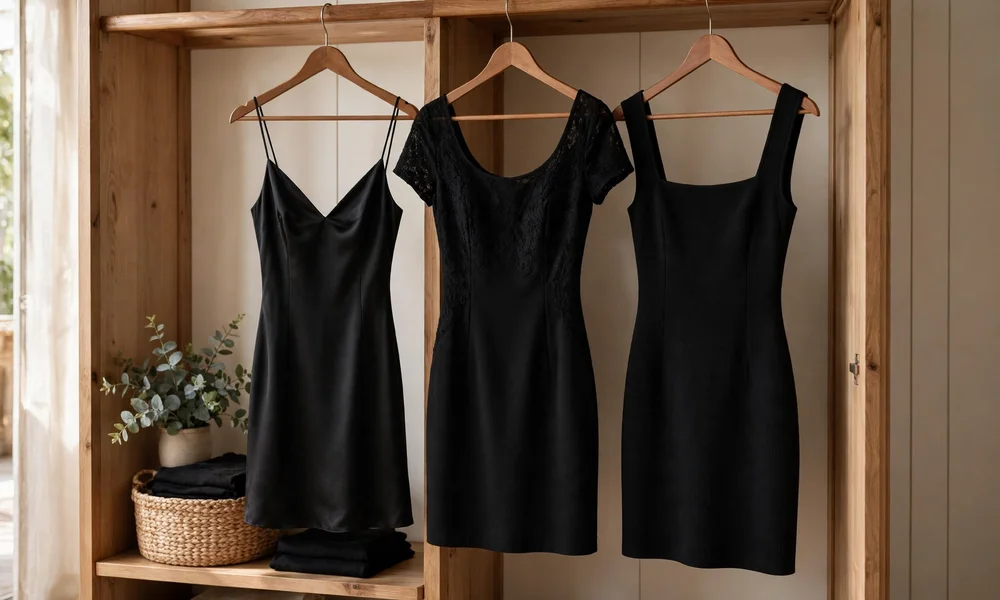
Look next at the fabric and the construction. Hold the fabric up to the light: if you can see through it, it needs a lining, and a dress without one will cling and show every line underneath. Check that the zip runs smoothly and lies flat, that the seams are straight, and that the hem is even. A dress that looks good standing still but rides up when you sit is not a good dress. And just as healthy skin makes any outfit look better, a good base matters too — our guide to the best moisturisers for dry skin is a useful starting point if your shoulders and arms will be on show.
Finally, think about the occasions the dress must cover. One dress that works for a wedding, a dinner and a work event is worth more than three dresses that each work once. A simple dress with clean lines is usually the smarter buy than a heavily embellished one, because you can change the shoes, the jewellery and the jacket and make it look new every time.
The 9 best little black dresses of 2027
The Classic Crepe Sheath Dress
What we like: A clean, knee-length sheath in matte crepe with a jewel neckline and three-quarter sleeves, polished enough for the office and simple enough to dress up for dinner.
What to consider: The straight cut suits a straighter frame best, and the fitted shape means getting the size exactly right matters.
This is the dress the phrase “little black dress” was invented for. It is understated, elegant and endlessly useful: wear it with a blazer and low heels for work, then swap in statement earrings and a clutch for the evening. If you buy only one black dress, this is the shape to start with.
The Wrap Dress
What we like: A soft jersey wrap with a V-neckline, a tie waist you adjust yourself, and a knee-length skirt that moves beautifully.
What to consider: The wrap can gape at the bust on some figures, so a small stitch or a camisole underneath is worth having.
The wrap dress flatters almost every body because it creates its own waistline and follows your curves rather than imposing a shape on them. It is comfortable for long days, forgiving after a big meal, and easy to dress up or down.
The Satin Slip Dress
What we like: A bias-cut satin slip with delicate straps and a midi length, fluid, elegant and quietly glamorous.
What to consider: Satin shows creases and clings to underwear lines, so seamless underpinnings are essential.
For dinners, parties and evenings when you want to feel dressed up without trying too hard, the satin slip is hard to beat. Layer it over a fine-knit top in cooler weather, or wear it alone with heels and a bold lip.
The Fit-and-Flare Dress
What we like: A fitted bodice with a defined waist and a full, swishy skirt, feminine and fun, with a silhouette that flatters the waist.
What to consider: The full skirt needs a little more room when you sit, and the fitted bodice must fit well or it will gape.
This is the party dress of the group. It photographs beautifully, it is comfortable to dance in, and it suits anyone who likes a defined waist.
The Jersey Shift Dress
What we like: A soft, stretchy jersey shift with a simple round neck and short sleeves, comfortable all day and easy to pack.
What to consider: The relaxed shape can look shapeless without a belt, so add one to define the waist.
The jersey shift is the dress for real life. It is the one you wear when the day starts at nine and ends after dinner, when you need to look polished without thinking about it. Dress it up with a belt, a blazer and heels, or keep it simple with flats.
The Velvet Midi Dress
What we like: A rich velvet midi with long sleeves and a subtle sheen, warm, luxurious and perfect for autumn and winter evenings.
What to consider: Velvet can add visual bulk and shows dust and pet hair, so keep a lint roller handy.
Velvet turns a simple black dress into an occasion dress. It is warm enough for winter weddings and festive parties, it photographs beautifully, and it needs almost no jewellery to look complete.
The Off-the-Shoulder Dress
What we like: An off-the-shoulder neckline with a fitted bodice and a knee-length skirt, romantic and striking.
What to consider: A strapless bra is essential, and the neckline can slip if the fit is not right.
For date nights, summer parties and evenings when you want to make an entrance, the off-the-shoulder dress delivers. It draws the eye to the shoulders and neck, and it pairs beautifully with an updo and statement earrings.
The Shirt Dress
What we like: A tailored shirt dress with a button front, a tie waist and a knee-length skirt, smart, versatile and easy to wear.
What to consider: The button front can gape at the bust on some figures, so check the fit or add a discreet stitch.
The shirt dress is the most versatile shape here. Wear it buttoned up with a blazer for work, open over a camisole and jeans as a light layer, or belted with heels for an evening out.
The Sequin Mini Dress
What we like: A sparkling sequin mini with a simple straight shape, unapologetically glamorous and made for nights out.
What to consider: Sequins can feel scratchy and catch on tights or jewellery, and it is strictly an evening dress.
Every wardrobe needs one dress that is pure fun, and this is it. Keep the accessories simple — black heels, a small clutch, minimal jewellery — and let the sequins do the talking.
Which little black dress is right for you
For work and professional occasions, choose the crepe sheath or the shirt dress. Both are polished, modest and easy to style with a blazer, and both look appropriate in a meeting as well as at a work dinner. Keep the length at or just above the knee.
For weddings and formal events, the velvet midi, the fit-and-flare or the satin slip are the strongest choices. They read as dressed up without upstaging the occasion, and they photograph beautifully. Check the dress code first, and add colour with an accessory or a bright lip.
For evenings, dates and parties, the off-the-shoulder dress, the sequin mini or the satin slip will make you feel special. This is where you can choose drama: a lower neckline, a shorter hem, a bit of shine. And remember that glowing skin is part of the look when shoulders and arms are on show — our guide to the best face oils covers the kind of glow-boosting care that makes bare shoulders look their best.
For everyday wear and long days, the jersey shift and the wrap dress are the most comfortable and forgiving. They stretch, they travel well, they do not crease badly, and they can be dressed up in seconds with a belt and a change of shoes.
The caveats that matter
A little black dress is only as good as its fit, and fit is where most mistakes happen. A dress that is too tight will pull at the bust and hips, ride up when you sit, and make you spend the evening tugging at it. A dress that is too loose will look shapeless and unfinished. Buy the size that fits your largest measurement and have the rest tailored — a simple alteration is cheaper than a dress you never wear.
| Detail | What is known |
|---|---|
| Most versatile shape | A crepe sheath or a wrap dress, both easy to dress up or down for many occasions |
| Best fabric for daytime | Matte crepe, jersey and ponte, which drape well, resist creasing and feel comfortable |
| Best fabric for evening | Satin and velvet, which catch the light and feel luxurious, but need more care |
| Most flattering for curves | A wrap dress or a fit-and-flare, both of which define the waist and follow the body |
| What to check before buying | The lining, the zip, the hem length, and whether the dress rides up when you sit |
| Underpinnings matter | Seamless underwear for satin and clingy fabrics, a strapless bra for off-the-shoulder styles |
| How to restyle one dress | Change the shoes, jewellery, jacket and bag, and the same dress looks new each time |
| When to tailor, not replace | When the dress fits your largest measurement but needs the waist or hem taken in |
Care matters too. Black fades, so wash black dresses in cold water, inside out, and avoid the tumble dryer where you can. Satin and velvet often need dry cleaning, and sequins should never go in a washing machine. A dress that is looked after will stay deep black for years.
Checklist: choosing a little black dress honestly
Use these checks before you buy, and again after wearing the dress once.
- Check the silhouette: try it on your own body and sit down in it, because a dress that only looks good standing is not a good dress.
- Check the fabric: hold it up to the light, and make sure it is lined if it is thin or pale underneath.
- Check the length: the hem should fall at a flattering point on your leg and stay there when you walk and sit.
- Check the zip and seams: the zip should lie flat, the seams should be straight, and nothing should pull or gape.
- Check the underpinnings: make sure you own the right bra and seamless underwear for the neckline and fabric.
- Check the occasions: be honest about where you will wear it, and choose a dress that covers at least two of them.
Frequently asked questions
Can you wear a black dress to a wedding?
Yes, in most cases. Black is widely accepted for wedding guests today, especially for evening weddings. Keep it elegant: add colour with your shoes, bag, jewellery or lipstick, and avoid anything too short or too low-cut.
What shoes go with a little black dress?
Almost anything, which is part of the appeal. Nude heels lengthen the leg, black heels are classic and safe, metallic heels add glamour for evening, and white trainers or loafers make a jersey or shirt dress feel modern and casual. Match the shoe to the occasion, not just to the dress.
How do I stop a black dress fading?
Wash it in cold water, inside out, with a gentle detergent, and avoid the tumble dryer. Hang it to dry out of direct sunlight, and wash it only when it needs it rather than after every wear. A quick steam will refresh it between washes.
What jewellery suits a little black dress?
Black is a neutral canvas, so almost any jewellery works. Pearls feel classic, gold feels warm and polished, silver feels cool and modern, and a single statement piece — earrings or a necklace, not both — is usually more effective than a full set. Let the neckline decide: a V-neck suits a pendant, a high neck suits earrings.
Is a little black dress still fashionable in 2027?
Absolutely. The shapes change — sleeve lengths, hemlines and necklines move with the seasons — but the idea of a simple, well-cut black dress never goes out of style. It is one of the few pieces that designers return to every single season.
How should I care for satin and velvet dresses?
Both usually need dry cleaning, so check the label before you buy. Satin creases easily and should be steamed rather than ironed directly, and velvet should be brushed gently and kept away from water. A good skincare base helps too — our guide to the best squalane products is a good place to start if you want skin that looks as polished as the dress.
The bottom line
The best little black dress in 2027 is not the most expensive or the most fashionable. It is the one that fits your body, suits the occasions in your life, and feels comfortable enough that you forget you are wearing it. For most people, that means a crepe sheath or a wrap dress as the foundation, with a satin slip or a velvet midi for evenings when you want something more.
Choose one versatile dress first, check the fit, the fabric and the length honestly, and restyle it with different shoes and jewellery for each occasion. That is the honest way to build a wardrobe around a piece that has earned its reputation, without spending more than you need to.
Note: This guide is general fashion advice, not a personal styling consultation. Fit varies between brands and bodies, so try dresses on whenever you can, and consider a tailor for small adjustments that make a good dress great.