

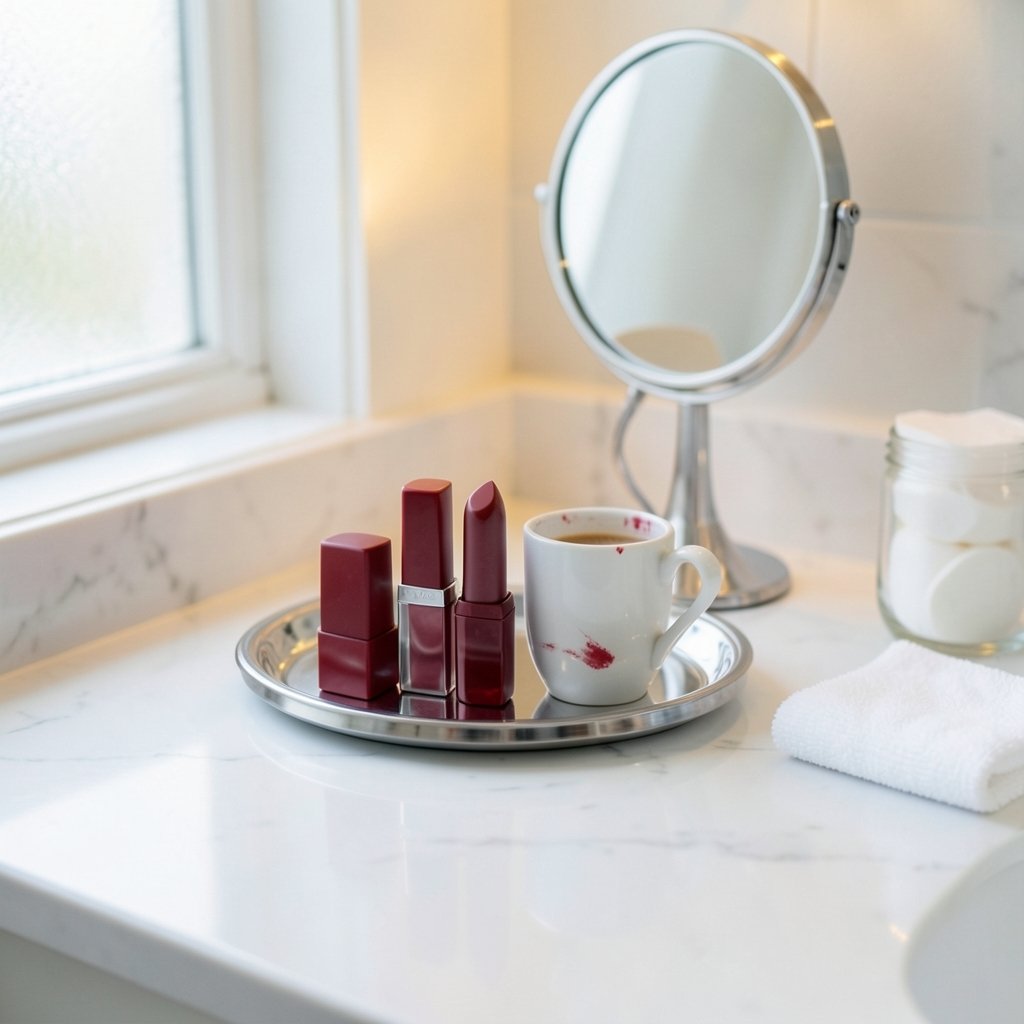
What if the one thing standing between you and a perfect red lip is not the shade, but the clock? A red lip looks bold at 8 a.m. and can look like a crime scene by lunch. Coffee cups, sandwiches, a nervous habit of pressing your lips together, and suddenly the color is everywhere except where you put it.
That gap between promise and reality is where the search for the best long lasting red lipstick gets interesting. Red is the hardest color to fake. Fades show up first at the center of the lip, smudges look dramatic in a way nude smudges never do, and a formula that feels comfortable often slides off in an hour. So the real question is not which red is prettiest. It is which formula, finish, and prep routine actually holds up. (Red nails)
Why red is the hardest color to keep in place
Red pigment is unforgiving. When it fades, the lighter lip underneath shows through, and the contrast makes the wear look patchy rather than gradual. Nude shades can fade gracefully because they sit close to natural lip color. Reds cannot hide.
There is also a regulatory layer most shoppers never think about. Color additives used in lip products must be approved for use on the lips specifically, not just for cosmetics in general. That is why formulators cannot simply pick any vivid red dye. Many long-wear reds lean on lake pigments such as Red 7 Lake or Red 6 Lake, which are oil-insoluble and tend to resist transfer better than soluble dyes. The trade-off is that lakes can feel drier, which is why so many long-wear reds come in liquid matte form rather than creamy bullet form.
And here is a detail worth knowing before you trust any label: in the United States, “long-lasting” has no standardized, regulated definition. There is no minimum wear time a brand must hit before printing an hour count on the box. A “16-hour” claim is a marketing statement, not a lab-certified fact. That does not make it a lie, but it does mean you cannot compare two brands by their numbers alone.
What makes a red lipstick actually last

Long-wear lipstick is a formulation category, not a single magic ingredient. The formulas that survive lunch usually combine three things:
- Film-forming polymers, often acrylate copolymers, which create a flexible layer that locks pigment to the lip surface.
- Volatile silicones, which evaporate after application and leave the pigment film behind.
- High pigment load, which means more color per swipe and less need to layer, and less layering means less slipping.
Matte and liquid-matte finishes generally outlast satin, sheer, and glossy finishes because they contain less oil and emollient. Oil is comfortable, but it is also what breaks down pigment and encourages transfer. This is the single biggest reason a $9 liquid matte can outperform a $45 creamy lipstick at a long dinner.
The finish matters more than the price
| Finish | Typical wear | Comfort | Best for |
|---|---|---|---|
| Liquid matte | Longest, often 6 to 10 hours with care | Drying without prep | All-day events, eating out |
| Traditional matte bullet | Long, 4 to 6 hours | Moderate | Workdays, controlled settings |
| Satin | Medium, 3 to 5 hours | High | Short outings, photos |
| Sheer or glossy | Short, 1 to 3 hours | Highest | Evenings, low-stakes wear |
The lesson is not that expensive lipstick is bad. It is that finish predicts wear better than price does. If longevity is the goal, the texture on the wand matters more than the logo on the cap.
Prep decides half the battle
Most people blame the lipstick when the real problem happened before application. A few practical habits change results more than switching brands:
- Exfoliate gently. Flaky lips give pigment nothing to grip, and matte formulas highlight every rough patch. A soft damp cloth or a mild sugar scrub once or twice a week is enough.
- Skip the heavy balm right before a long-wear formula. A thick layer of occlusive balm creates a slick surface, and film-forming formulas cannot bond to slick. Balm at night, thin balm blotted before application, or a dedicated lip primer works better.
- Line and fill. Lining the entire lip, not just the border, gives the color a base and slows migration into fine lines.
- Apply thin layers, then blot. Two thin coats blotted between layers last longer than one thick coat, which stays soft and transfers.
- Keep the edges clean. A tiny brush with concealer around the lip line prevents the bleed that makes red look messy long before it actually fades.
A common mistake is over-prepping. People scrub, balm, prime, and layer, and the result slides off faster than a bare application. Long-wear formulas work best on clean, dry, exfoliated lips.
Common mistakes that shorten wear
Beyond prep, a few everyday habits quietly destroy longevity:
- Pressing lips together out of habit. Every press transfers color to the other lip and softens the film.
- Eating oily food. Oil breaks down pigment films faster than almost anything else. Fried food and a red lip are natural enemies.
- Reapplying over a faded layer without removing it. Layering fresh color over old, patchy color creates texture and uneven wear. Blot off what remains, then reapply.
- Using the wrong remover. Film-forming reds often need an oil-based cleanser. Scrubbing with a tissue irritates lips and leaves residue that interferes with the next application.
- Ignoring the water line and inner lip. These areas fade first and are the first place a red starts looking worn.
If you are the kind of person who notices how long everyday items really hold up, from power backups to car batteries, you probably already suspect that advertised numbers deserve skepticism. The same instinct applies here: a wear-time claim is a starting point, not a guarantee. You can see the same real-world-versus-label gap in how long an uninterruptible power supply actually lasts, and the pattern holds for lipstick too.
How to test a red before you commit
You do not need a lab to judge a formula. A simple at-home trial tells you most of what you need:
- Apply to clean lips and wait five minutes without blotting.
- Drink from a glass and check the rim.
- Eat something mildly oily and blot with a napkin.
- Check the inner lip after two hours, since that is where fading shows first.
If the color survives the napkin test and the inner lip still looks even, the formula is doing its job. If it vanishes at the center within an hour, no amount of prep will rescue it.
Choosing the right red for your undertone
Longevity gets the attention, but shade matching keeps you wearing the color. A red that clashes with your skin tone gets abandoned regardless of how well it wears.
- Cool undertones tend to suit blue-based reds, true reds, and berry-leaning shades.
- Warm undertones often look best in orange-reds, brick, and tomato tones.
- Neutral undertones can wear most reds and have the widest range.
Texture matters here too. Dry, flaky lips make any red look patchy, and the effect is more obvious with matte finishes. If your lips are prone to peeling, a hydrating routine matters as much as the shade itself, much like the care that goes into maintaining healthy red hair. The principle is the same: the finish only looks good when the surface underneath is healthy.
The role of removal and aftercare
Long-wear reds earn their keep, but they also ask something of you at the end of the day. Oil-based cleansers, cleansing balms, or a dedicated lip remover lift the film without tugging. Rubbing with a dry tissue is the fastest route to irritated, chapped lips, which then makes the next application worse.
After removal, a nourishing balm overnight helps restore the lip barrier. People who wear long-wear reds daily often find that a rotating schedule, long-wear on big days and a satin or tinted balm on quiet ones, keeps their lips in better condition. If you want inspiration for pairing a strong red with a full look, there is plenty of room to play with statement shades and long nails, since bold color on lips and hands tends to read as one deliberate choice rather than two. (Long do car batteries last real world lifespans shortens)
So which red wins?
There is no single best long lasting red lipstick, and any list that claims otherwise is selling something. What exists is a predictable pattern: liquid mattes with film-forming polymers and high pigment loads outlast creamier formulas, prep matters as much as product, and shade matching decides whether you actually wear the tube you bought.
The smart approach is to shop by finish and formulation first, then by shade, then by brand. Read the ingredient list for film-formers, expect matte textures to need more prep, and treat hour claims as marketing rather than measurement. A drugstore liquid matte applied on properly prepped lips will usually beat a luxury satin applied over balm. That is not a knock on luxury formulas. It is just how the chemistry works.
For anyone building a routine around bold color, the same logic that applies to a striking red manicure applies to lips: the base and the finish do the heavy lifting, and the shade is the reward.
FAQ
What is the longest lasting type of red lipstick?
Liquid matte formulas generally last longest because they combine film-forming polymers with high pigment loads and low oil content. Traditional matte bullets come next, followed by satin and sheer finishes. Within any category, prep and application technique can add or subtract hours of wear.
Do expensive red lipsticks last longer than drugstore ones?
Not reliably. Finish and formulation predict wear better than price. A well-formulated liquid matte at a low price point can outlast a creamy luxury bullet, because the luxury formula prioritizes comfort and slip over transfer resistance. Check the ingredient list for film-formers rather than assuming cost equals longevity.
Why does my red lipstick fade in the middle first?
The center of the lip takes the most friction from talking, eating, and pressing lips together, and it is also where lip moisture is highest. Pigment breaks down there first. Lining and filling the entire lip before applying color, and blotting between thin layers, helps slow that center fade.
Is “long-lasting” a regulated claim?
In the United States, no. There is no standardized minimum wear time attached to the phrase, so brands set their own benchmarks and hour counts are not directly comparable between products. That does not mean the claims are false, but it does mean shoppers should test formulas themselves rather than trust the number on the box.
How should I remove a long-wear red without damaging my lips?
Use an oil-based cleanser, cleansing balm, or dedicated lip remover. These lift the pigment film without the friction of dry rubbing. Follow with a nourishing balm overnight. Avoid scrubbing with tissues, which irritates lips and can leave residue that interferes with the next application.
Can I make any red lipstick last longer?
To a point, yes. Exfoliating, avoiding heavy balm directly before application, lining and filling the lips, applying thin layers, and blotting between coats all improve wear. Choosing a matte or liquid-matte finish and avoiding oily foods will extend it further. A sheer or glossy formula will still fade faster than a matte, no matter how well you prep.









