The Best Luxury Amarone Brands represent the pinnacle of Italian winemaking, where patience, tradition, and the rugged hills of Valpolicella combine to produce one of the most powerful and opulent red wines in the world. Amarone della Valpolicella is not simply a bottle to open; it is the result of months of grape drying, years of oak ageing, and generations of family knowledge passed down through the cellars of Verona. For collectors and connoisseurs, the finest Amarone producers offer wines of extraordinary depth, velvet texture, and the kind of longevity that rewards decades in the cellar.
What sets luxury Amarone apart is the appassimento method, in which Corvina, Rondinella, and Molinara grapes are dried on straw mats or in ventilated lofts for three to four months before pressing. This patient drying concentrates sugars, aromas, and flavours, creating a wine that is rich and full-bodied yet balanced, with notes of dried cherry, dark chocolate, tobacco, and warm spice. The best producers control every stage of this process, from hillside vineyard selection to long ageing in Slavonian oak and French barriques.
This guide brings together ten premier Amarone producers, from historic estates that defined the style to small family wineries whose limited bottles are among the most sought after in the world. Each brand has been chosen for the consistency of its quality, the character of its vineyards, and its standing among collectors. Each estate below earns its place through proven quality and a loyal following among collectors. Whether you are building a cellar, choosing a bottle for a celebration, or discovering Amarone for the first time, these are the names that matter most.
Key takeaways
- Amarone is made from dried grapes through the appassimento method, giving it a rich, full-bodied character unlike any other Italian red wine.
- Quintarelli and Dal Forno Romano sit at the top of the luxury market, with limited bottles that command the highest prices and longest ageing potential.
- Classic producers such as Allegrini, Bertani, and Masi offer outstanding quality at more accessible prices, making them ideal first bottles.
- The finest Amarone comes from the Classico zone, the original hillside communes around Negrar, Marano, and Sant’Ambrogio.
- Store Amarone in a cool, dark place and serve it at 18 degrees Celsius in a large glass to enjoy its full aroma and depth.
Best Luxury Amarone Brands at a Glance
The table below compares the ten producers in this guide, including each estate’s signature bottle, its house style, and a typical price range. Prices vary by vintage and retailer, but the ranges shown here reflect recent market levels for current releases.
| Brand | Signature Bottle | House Style | Typical Price |
|---|---|---|---|
| Quintarelli | Amarone della Valpolicella Classico | Profound, silky, and endlessly complex | $250–$350 |
| Dal Forno Romano | Amarone della Valpolicella Monte Lodoletta | Powerful, dense, and monumental | $350–$450 |
| Allegrini | Amarone della Valpolicella Classico | Elegant, polished, and aromatic | $70–$90 |
| Bertani | Amarone della Valpolicella Classico | Classic, restrained, and age-worthy | $80–$110 |
| Masi | Costasera Amarone della Valpolicella Classico | Rich, generous, and widely loved | $55–$70 |
| Tommasi | Amarone della Valpolicella Classico | Balanced, warm, and food-friendly | $60–$80 |
| Speri | Vigneto Monte Sant’Urbano Amarone Classico | Fresh, mineral, and hillside-driven | $60–$80 |
| Zenato | Sergio Zenato Amarone della Valpolicella Classico Riserva | Opulent, velvety, and expressive | $60–$85 |
| Tenuta Sant’Antonio | Campo dei Gigli Amarone della Valpolicella | Modern, supple, and approachable | $55–$75 |
| Tedeschi | Capitel Monte Olmi Amarone della Valpolicella Classico | Structured, spicy, and long-lived | $70–$90 |
Amarone Versus Valpolicella: Understanding the Difference
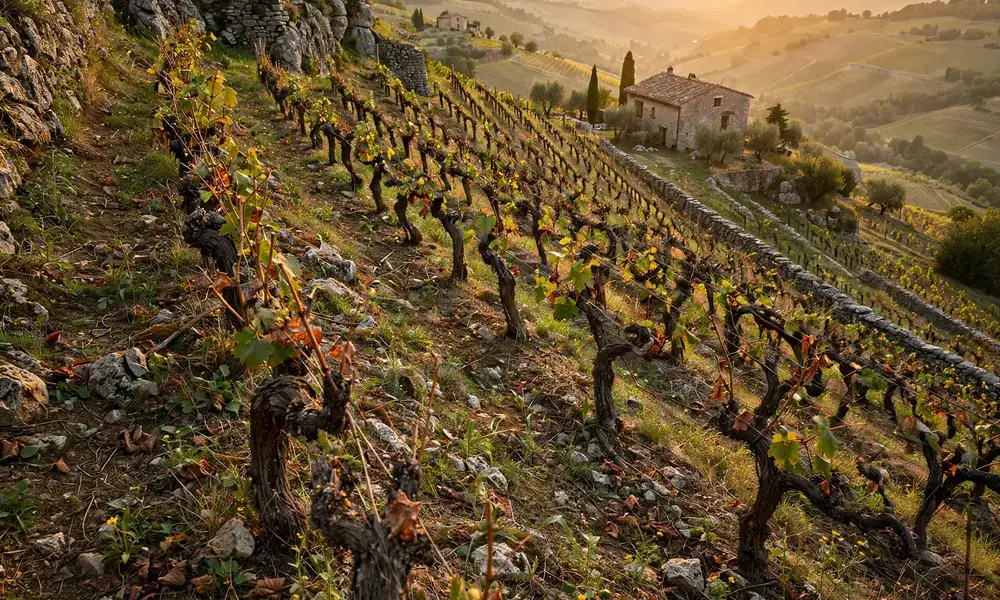
Amarone and Valpolicella come from the same vineyards and the same grape varieties, yet they are profoundly different wines. Valpolicella is a fresh, light, and fruity red, made from freshly picked grapes and intended to be enjoyed young. Amarone, by contrast, is made from grapes that have been dried for months, losing up to forty percent of their water and concentrating everything that remains.
The drying process, known as appassimento, is what gives Amarone its signature richness and its higher alcohol level, usually between fifteen and sixteen percent. The wine is fermented slowly, often over many weeks, and then aged for years in oak before release. The result is a wine of remarkable intensity, with dried fruit, cocoa, coffee, and spice layered over a firm structure. Where Valpolicella is light and immediate, Amarone is deep, slow, and contemplative.
For buyers, the distinction matters because the label tells the story. A bottle marked Amarone della Valpolicella DOCG has passed strict rules on grape drying, minimum alcohol, and ageing, while Valpolicella DOC follows lighter requirements. The finest luxury bottles carry the additional words Classico, indicating the historic hillside heartland, or Riserva, indicating extended ageing.
What Makes a Luxury Amarone
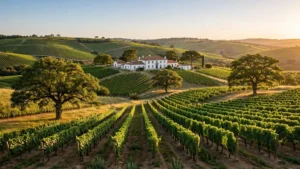
Luxury in Amarone begins in the vineyard. The best estates farm old vines on steep, sun-facing limestone slopes, where low yields produce small, concentrated berries. Corvina provides the structure and cherry character, Rondinella adds colour and softness, and Molinara contributes acidity and fragrance.
The drying lofts, called fruttai, are the heart of every Amarone estate. The finest estates monitor their grapes daily for months, discarding any bunch that shows rot. This attention is expensive and labour intensive, and it is the main reason luxury Amarone costs far more than ordinary red wine.
Ageing is the final measure of quality. By law, Amarone must age for at least two years before release, and Riserva wines for four, but the great estates often go well beyond the minimum. The result is a wine that can mature gracefully for twenty years or more, developing notes of dried fig, leather, cedar, and sweet tobacco as it ages.
The Ten Best Luxury Amarone Brands
1. Quintarelli
Giuseppe Quintarelli is widely regarded as the greatest name in Amarone, and his estate in Negrar remains the benchmark against which all others are measured. The family has farmed these hills since the early twentieth century, and the current generation continues Giuseppe’s uncompromising methods: hand-selected grapes, long drying, slow fermentation, and extended ageing in Slavonian oak. The wines are profound and silky, with layers of dried cherry, rose, spice, and earth that unfold slowly in the glass.
Quintarelli Amarone is produced in tiny quantities, and the flagship bottle is joined by the even rarer Alzero, a Cabernet blend made from dried grapes.
2. Dal Forno Romano
Dal Forno Romano, based in Illasi in the eastern Valpolicella, produces some of the most powerful and sought-after Amarone ever made. Romano Dal Forno built the estate’s reputation on meticulous vineyard work and a willingness to push ripeness and concentration to the limit, and his sons continue that vision today. The Monte Lodoletta vineyard, planted on ancient soils, yields a wine of monumental density, with black cherry, plum, chocolate, and spice wrapped in a rich, velvety texture.
Production is extremely limited, and each bottle is numbered, which adds to its appeal among collectors. Dal Forno Amarone is a wine that demands patience, often needing a decade or more to show its best, but the reward is an experience of rare intensity.
3. Allegrini
Allegrini is one of the most respected family estates in Valpolicella, with a history stretching back to the sixteenth century and vineyards across the Classico zone. The estate’s Amarone is a model of elegance and polish, combining the richness of dried grapes with freshness and aromatic lift. Notes of ripe cherry, dried herbs, and sweet spice lead into a long, balanced finish that makes the wine as enjoyable at the table as it is impressive in the glass.
Allegrini is an ideal first luxury Amarone because it delivers top-tier quality at a fair price, and its consistency across vintages is remarkable. A bottle of Allegrini Amarone suits grand occasions, and its generous character makes it a natural companion for luxury yachts for food and wine trips where fine dining and fine wine take centre stage.
4. Bertani
Bertani is one of the oldest names in Valpolicella, founded in 1857, and its Amarone is a reference point for the classic style. The estate favours restraint and longevity over showiness, ageing its wines for many years before release so that they arrive with balance and maturity. The result is a wine of quiet depth, with dried cherry, tobacco, cedar, and earthy spice supported by firm, fine tannins.
Bertani’s historic cellars in Grezzana hold vintages stretching back decades. The house style rewards patience, and collectors who cellar Bertani Amarone for ten or fifteen years are rarely disappointed.
5. Masi
Masi is the largest and most internationally recognised Amarone producer, and its Costasera bottling is the wine that introduced millions of drinkers to the style. The estate owns historic vineyards across the Classico zone, including the famous Vaio Armaron, and has refined the appassimento method over generations. Costasera is rich and generous, with ripe cherry, plum, chocolate, and warm spice, and it offers exceptional value for its quality.
The estate’s scale means its wines are widely available, making Masi the most accessible entry point to luxury Amarone. For a first bottle, or a reliable choice for a dinner party, Costasera is difficult to beat.
6. Tommasi
Tommasi is a family estate with vineyards across the Valpolicella Classico zone and a reputation for balanced, food-friendly wines. The family’s Amarone is warm and inviting, with dried cherry, fig, and sweet spice framed by soft tannins and a generous finish. It is a wine that feels luxurious without being intimidating, and it pairs beautifully with roasted meats, aged cheeses, and rich pasta dishes.
The flagship Amarone is joined by the single-vineyard Ca’ Florian, which offers greater depth and structure for collectors. Tommasi represents the heart of traditional Valpolicella winemaking, and its wines are a dependable choice year after year.
7. Speri
Speri is a family estate in Pedemonte, in the heart of the Classico zone, with seven generations of winemaking behind it. The estate’s vineyards climb the hills around Monte Sant’Urbano, where limestone soils and cool breezes give the wines freshness and mineral character. Its Amarone is elegant and hillside-driven, with bright cherry fruit, dried herbs, and a distinctive savoury edge that sets it apart from richer, heavier styles.
The Vigneto Monte Sant’Urbano bottling is the estate’s flagship, a single-vineyard wine of real finesse and ageing potential. For drinkers who prefer Amarone with lift and precision rather than sheer weight, Speri is one of the finest choices available.
8. Zenato
Zenato, founded in 1960 on the shores of Lake Garda, is one of the great names of Valpolicella, and its Amarone is known for opulence and velvet texture. The estate’s vineyards in San Pietro in Cariano produce grapes of remarkable ripeness, and the resulting wine is generous and expressive, with black cherry, plum, cocoa, and sweet spice. The Sergio Zenato Riserva, named for the founder, is the estate’s finest bottle, aged longer and showing greater complexity.
The house style is warm and welcoming, and a bottle of Zenato Amarone brings a sense of occasion to any table. It is a wine that rewards both immediate enjoyment and a few years of cellaring.
9. Tenuta Sant’Antonio
Tenuta Sant’Antonio is a modern estate in Mezzane di Sotto, founded by four brothers of the Castagnedi family who grew up among the vineyards of eastern Valpolicella. The estate’s Amarone, led by the Campo dei Gigli bottling, is supple and approachable, with ripe cherry, dried fruit, and soft spice over smooth, polished tannins.
The Castagnedi brothers combine modern cellar technology with careful vineyard work, and their wines have won a loyal following for their consistency and value. Tenuta Sant’Antonio is an excellent choice for buyers who want genuine luxury Amarone without the highest prices, and its approachable character makes it a fine introduction to the region. A bottle of Campo dei Gigli suits relaxed evenings, and its warm, generous style pairs well with the mood of luxury yachts for sunset dinners enjoyed with good company.
10. Tedeschi
Tedeschi is a historic family estate in Pedemonte, with roots in the Valpolicella dating back to 1630 and a long record of fine winemaking. The estate’s Amarone is structured and spicy, with firm tannins and a long, savoury finish that gives it outstanding ageing potential. The flagship Capitel Monte Olmi, from a single hillside vineyard, is one of the most respected single-vineyard Amarones, showing dark cherry, tobacco, cedar, and sweet spice in a powerful yet balanced frame.
Tedeschi has long championed the individual character of its vineyards, and its wines reflect the limestone soils and hillside exposures of the Classico zone. For collectors who value structure and longevity, Tedeschi is an essential producer, and its Amarone rewards a decade or more in the cellar.
How to Choose, Serve, and Store Luxury Amarone
Choosing a luxury Amarone starts with the occasion. For a special celebration or a milestone gift, the great names such as Quintarelli or Dal Forno Romano offer rarity and prestige. For a dinner party or a first exploration of the style, Allegrini, Masi, or Zenato deliver outstanding quality at a more approachable price.
Serving Amarone well makes a real difference. Open the bottle at least an hour before drinking, and consider decanting it to allow the aromas to open. Serve at around eighteen degrees Celsius in a large, generous glass that gives the wine room to breathe. The classic pairings are roasted and braised meats, game, aged hard cheeses such as Parmigiano Reggiano, and rich chocolate desserts. Amarone is also a fine partner for the wine country table, and the same spirit of pairing great bottles with great food is found in the best restaurants in Napa, where fine dining and world-class wine go hand in hand.
Storage is simple but important. Keep bottles lying on their side in a cool, dark place at a steady temperature, ideally between twelve and sixteen degrees Celsius, with moderate humidity. Avoid kitchens and other places with temperature swings. The finest Amarone improves for ten to twenty years, developing complexity and softness, while even the more approachable bottles will reward three to five years of patience.
Checklist
- Confirm the label reads Amarone della Valpolicella DOCG, and look for Classico or Riserva for the finest bottles.
- Choose a producer with a strong record, starting with the ten estates in this guide, and match the bottle to your occasion and budget.
- Check the vintage and buy from a reputable merchant, inspecting the capsule and cork for good condition before purchase.
- Decant the wine at least an hour before serving and use a large glass to let the aromas open fully.
- Serve at around eighteen degrees Celsius alongside roasted meats, game, aged cheeses, or dark chocolate desserts.
- Store bottles on their side in a cool, dark place at a steady temperature, and allow the best wines ten to twenty years to mature.
Frequently Asked Questions
What is the best luxury Amarone brand?
Quintarelli is widely considered the finest luxury Amarone brand, with Dal Forno Romano close behind for collectors seeking the most powerful style. For outstanding quality at a more accessible price, Allegrini, Bertani, and Masi are the most reliable choices, and each has a long record of excellence across vintages.
How much should a good bottle of Amarone cost?
A good bottle of Amarone typically costs between fifty-five and one hundred and ten dollars, with excellent examples from Allegrini, Masi, Tommasi, Speri, Zenato, and Tedeschi in that range.
How long does Amarone last once opened?
An opened bottle of Amarone will keep well for two to three days if it is recorked and stored in a cool place, thanks to its high alcohol and concentration. Older and more delicate bottles should be finished on the day they are opened.
What food pairs best with Amarone?
Amarone pairs best with rich and savoury food, including roasted and braised meats, game, wild boar ragout, and aged hard cheeses such as Parmigiano Reggiano and Pecorino. Its dried fruit and spice character also complements dark chocolate desserts and dried fruit.
How long can Amarone be aged?
Fine Amarone can be aged for fifteen to twenty years or more, with the greatest bottles from Quintarelli, Dal Forno Romano, Bertani, and Tedeschi maturing gracefully for decades. Store bottles on their side in a cool, dark place at a steady temperature.
What is the difference between Amarone and Amarone Classico?
Amarone Classico comes from the original historic heartland of Valpolicella, the hillside communes around Negrar, Marano, and Sant’Ambrogio, while Amarone without the Classico name may come from the wider production zone.
The Bottom Line
The best luxury Amarone brands share a devotion to patience: patient grape drying, patient oak ageing, and patient cellaring before the wine is ever poured. Quintarelli and Dal Forno Romano stand at the summit for collectors, while Allegrini, Bertani, Masi, Tommasi, Speri, Zenato, Tenuta Sant’Antonio, and Tedeschi prove that world-class Amarone is available at many prices. Choose a trusted producer, look for the Classico designation, serve the wine with care, and give it the time it deserves. The reward is one of the richest and most memorable red wines Italy has ever produced.