Cashmere is one of the most loved fibres in fashion, and one of the most misunderstood. A pure cashmere jumper feels soft, warm and light, but it is also expensive, delicate and hard to care for. That is why most cashmere in shops is not pure at all. It is a cashmere blend, a yarn that mixes cashmere with one or more other fibres, and the result can be better or worse than the real thing, depending on what was mixed in and why.
A blend is not automatically a compromise. Cashmere mixed with wool can be warmer, tougher and far cheaper, and it can keep most of the softness if the mix is honest. Cashmere mixed with silk can drape beautifully and feel lighter on the skin. But a blend can also be a way to sell a garment that is only five percent cashmere at a cashmere price, or to hide cheap acrylic under a luxury name. The label tells the truth if you know how to read it.
Below are nine facts that explain what a cashmere blend really is, which blends are worth paying for, and which are not. Each one covers what the blend does well, what to watch for, and who it suits best, so you can buy with your eyes open instead of trusting a soft touch on a shop rail.
Key takeaways
- A cashmere blend mixes cashmere with another fibre, such as wool, silk, cotton or a synthetic, and the proportions change how it feels, wears and lasts.
- A blend with 30 percent cashmere or more usually feels genuinely soft and warm, while a blend with under 10 percent cashmere is mostly the other fibre wearing a luxury name.
- Cashmere and wool is the most common and practical blend, cashmere and silk is the lightest and most elegant, and cashmere and cotton is the coolest for spring and summer.
- Always read the fibre label for exact percentages, and check the feel and the price against what the label claims.
- No blend makes cashmere indestructible, and a cheap blend with a high cashmere claim can be worse value than an honest wool garment at half the price.
What a cashmere blend actually is
A cashmere blend is a yarn made by spinning two or more fibres together before knitting or weaving. The cashmere comes from the soft undercoat of cashmere goats, combed out once a year in spring, mostly in Mongolia and China. The other fibre might be sheep’s wool, silk, cotton, linen, or a synthetic such as nylon or acrylic. Each fibre is chosen for a reason, and each one changes the finished cloth in a predictable way.
The honest way to think about a blend is as a trade. Pure cashmere is soft and warm, but it pills, it stretches, and it needs gentle care. Adding wool makes it tougher and cheaper. Adding silk makes it smoother and lighter. Adding nylon makes it stronger at the elbows. Adding cotton makes it cooler and easier to wash. None of those trades is wrong. What matters is whether the trade is disclosed, whether the price matches it, and whether you want to wear the result.
The law in most countries requires the fibre content to be printed on the label, with percentages in descending order. A label that reads 70 percent wool, 30 percent cashmere tells the truth in plain numbers. A label that reads 95 percent acrylic, 5 percent cashmere is also telling the truth, though it hopes you will not look closely. If a label says only “cashmere blend” with no percentages, treat that as a warning sign.
How we chose these facts and what to look for
Look first at the label, not the touch. A garment that feels soft in the shop can feel scratchy after one wash if the softness came from a finishing treatment. Read the percentages first, then feel the fabric, then look at the price. A blend with 30 percent cashmere or more is worth taking seriously. A blend with 5 percent cashmere is a marketing claim.
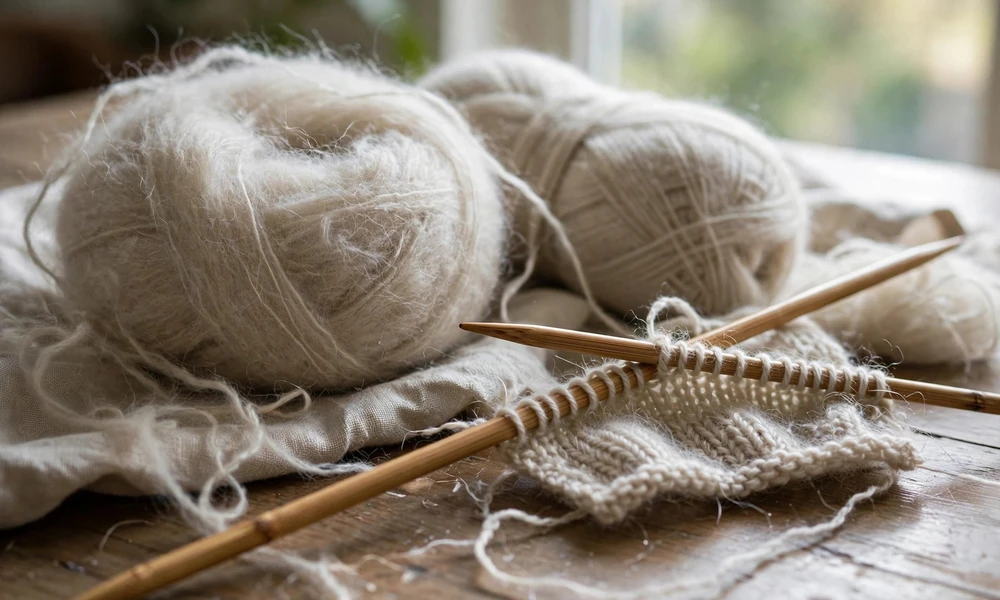
Look next at the other fibre in the mix, because that decides how the garment behaves. Wool adds warmth and resilience. Silk adds smoothness and drape. Cotton adds coolness and washability. Nylon adds strength. Acrylic adds bulk and cheapness, and it is the one fibre that usually makes a blend worse rather than better. If the second fibre is acrylic, the blend is almost always a budget product, whatever the price tag says. Our guide to the best cashmere sweaters shows how pure and blended cashmere compare side by side.
Finally, look at the knit itself. A good blend is knitted tightly enough to hold its shape, with neat seams. Hold it up to the light. If you can see through it easily, it is too thin for the price, and it will pill and sag quickly. Check the cuffs and the hem for ribbing that springs back when you stretch it. A blend that recovers its shape will last, and one that stays stretched will not.
The 9 key facts about a cashmere blend in 2027
A blend is cashmere plus something else, spun together
What we like: Blending combines the best of two fibres, softness from cashmere and strength from wool, or warmth from cashmere and lightness from silk. What to consider: The word blend tells you nothing on its own. Only the percentages on the label tell you what you are buying. Best for: Anyone who wants cashmere softness without the pure cashmere price. Cost: From around £40 for a budget blend to £200 or more for a high-cashmere mix. Time needed: Five minutes to read the label and feel the fabric.
Cashmere and wool is the most common blend
What we like: Wool adds warmth, structure and durability, and it cuts the price sharply, so a 70 percent wool, 30 percent cashmere jumper can cost half as much as a pure cashmere one. What to consider: The wool must be fine, merino or lambswool, or the blend will feel scratchy. Best for: Everyday winter knitwear and work jumpers. Cost: Typically £60 to £150. Time needed: A few minutes to check the wool grade.
Cashmere and silk is the lightest, most elegant blend
What we like: Silk adds a smooth, cool hand and a beautiful drape, and it makes the knit lighter and less bulky, which suits layering and smarter outfits. What to consider: Silk is delicate, so the blend needs gentle handling, and it is usually the most expensive of the common blends. Best for: Fine-gauge jumpers, wraps and scarves. Cost: Typically £120 to £300. Time needed: A few minutes to check the silk percentage.
Cashmere and cotton is the cool-weather blend
What we like: Cotton makes the knit breathable and easy to wash, and it keeps the price down, so it suits spring, summer and heated offices. What to consider: Cotton adds little warmth and can make the knit heavier when damp, so it is not a winter blend. Best for: Spring and summer knitwear for anyone who finds pure cashmere too warm. Cost: Typically £50 to £120. Time needed: A few minutes to check the cotton share.
Cashmere and nylon is the hard-wearing blend
What we like: A small amount of nylon, usually 10 to 20 percent, adds real strength, so the garment resists holes at the elbows and cuffs and keeps its shape longer. What to consider: Nylon is a synthetic, so it can feel less breathable, and a high share means the blend is mostly plastic. Best for: Everyday jumpers, travel knitwear, and anyone who wants durability first. Cost: Typically £50 to £130. Time needed: A few minutes to check nylon is a minor part of the mix.
Cashmere and acrylic is usually a blend to avoid
What we like: It is cheap, widely available, and it can feel soft on the shop rail, which is why it sells. What to consider: Acrylic pills badly, holds odours, does not breathe, and loses its shape, so the garment usually looks tired within a season. Best for: Very occasional wear, or a first try on a tight budget. Cost: Typically £25 to £60. Time needed: A few minutes to read the label.
The percentage of cashmere decides the feel
What we like: A clear rule of thumb makes shopping easier: 30 percent cashmere or more feels genuinely soft, 15 to 30 percent feels pleasant, and under 10 percent is mostly the other fibre. What to consider: Some makers use very fine cashmere, so a lower percentage can still feel good, but that is the exception. Best for: Anyone comparing two blends in a shop. Cost: No extra cost. Time needed: One minute per garment.
A good blend pills less than pure cashmere
What we like: Longer, stronger partner fibres hold the yarn together, so a wool or nylon blend usually pills less than a pure cashmere knit of the same price. What to consider: Short, cheap cashmere fibres pill whatever they are mixed with, so a low-quality blend can pill as badly as low-quality pure cashmere. Best for: Anyone who has given up on pure cashmere because of pilling. Cost: No extra cost, though a tighter knit usually costs more. Time needed: A few minutes to check the knit density.
Blends are easier to care for than pure cashmere
What we like: Most wool and cotton blends tolerate a gentle machine wash, and nylon blends are the easiest of all, which makes them practical for everyday wear. What to consider: Silk blends still need hand washing, and any blend with a high cashmere share should be treated gently, whatever the label allows. Best for: Busy people who want cashmere softness without hand washing. Cost: Less on dry cleaning. Time needed: A few minutes to read the care label.
Which cashmere blend is right for you
Start with how you will wear it. If you want a warm winter jumper for daily wear, a wool and cashmere blend with at least 30 percent cashmere is the safest choice. It is warm, it holds its shape, and it is easy to care for. Look for fine merino or lambswool on the label, and a tight knit that springs back when stretched.
If you want something lighter and more elegant, for layering under a jacket or for a smarter look, a silk and cashmere blend is the one to choose. It drapes beautifully, it feels cool and smooth, and it suits people who find wool too warm or too bulky. It costs more and needs gentler care, but for a fine-gauge jumper it is often the best blend of all. Natural fibres in general reward the same attention, because the fibre decides how a garment feels, wears and ages.
If your budget is tight, or you want knitwear for spring and summer, a cotton and cashmere blend is the practical pick, and a wool blend with a small amount of nylon is the durable one. Avoid cashmere and acrylic unless the price is genuinely low and you accept a short life. Whatever blend you choose, read the label first, feel the fabric second, and let the price be the third check, not the first.
The caveats that matter
A cashmere blend is not a guarantee of quality. The word cashmere on a label can cover a wide range, from long, fine fibres that feel like silk to short, coarse fibres that pill and itch. A blend with a high cashmere percentage made from poor fibres can feel worse than a blend with a lower percentage made from good ones. The label is a starting point, not the whole story, and feeling the fabric still matters.
| Detail | What is known |
|---|---|
| What a blend is | Cashmere spun together with another fibre, such as wool, silk, cotton or nylon |
| Best all-round blend | Cashmere and wool, 30 percent cashmere or more |
| Lightest blend | Cashmere and silk, for layering and smarter outfits |
| Coolest blend | Cashmere and cotton, for spring, summer and heated rooms |
| Hardest-wearing blend | Cashmere with 10 to 20 percent nylon |
| Blend to avoid | Cashmere and acrylic, especially with under 10 percent cashmere |
| How to judge it | Read the percentages, feel the fabric, check the knit |
| What it does not do | It does not make cashmere indestructible, and a low share adds little softness |
Price is another place where blends mislead. A high price does not prove a high cashmere content, and a low price does not prove a bad blend. Some makers charge a premium for the name alone, and some honest blends are sold at fair prices by makers who spend little on branding. Compare the label, not the logo, and compare two blends side by side rather than trusting one price tag.
Checklist: buying a cashmere blend honestly
Use these checks before you buy.
- Read the fibre label: look for exact percentages in descending order, and be wary of a label that says only “cashmere blend” with no numbers.
- Check the cashmere share: 30 percent or more is a real blend, 15 to 30 percent is pleasant, under 10 percent is mostly the other fibre.
- Check the partner fibre: fine wool, silk or cotton are good signs, acrylic is a warning sign, and nylon should be a small share only.
- Feel the fabric: it should feel soft without a chemical slickness, and not scratchy after a minute against your neck or wrist.
- Check the knit: hold it up to the light, look for a tight, even knit, and stretch the cuffs to see if they spring back.
- Check the care label: make sure the washing routine fits your life, because a blend you will not care for properly is one you will replace quickly.
Frequently asked questions
Is a cashmere blend as good as pure cashmere?
A blend is usually tougher, cheaper and easier to care for than pure cashmere, and a good one can feel almost as soft. Pure cashmere is softer and warmer at the same weight, but it pills more, stretches more, and needs more care. For everyday wear, many people prefer a blend.
What is the best cashmere blend?
For most people, cashmere and wool with at least 30 percent cashmere is the best all-round blend. Cashmere and silk is the best for lightness and elegance, and cashmere and cotton is the best for warm weather.
How much cashmere should a blend contain?
Aim for 30 percent or more if you want the blend to feel like cashmere. A blend with 15 to 30 percent can still feel pleasant, especially with silk or fine wool. A blend with under 10 percent cashmere is mostly the other fibre, and the cashmere is there for the label.
Does a cashmere blend pill?
Usually less than pure cashmere, because the partner fibre adds strength to the yarn, but it can still pill, especially in the first weeks of wear or if the fibres are short. A fabric comb removes pills easily. Heavy pilling after one wash is a sign of poor fibre quality.
How do I wash a cashmere blend?
As a rule, wool and cotton blends usually tolerate a gentle machine wash on a wool or delicate cycle, while silk blends need hand washing in cool water. Always dry flat, never tumble dry, and never hang a wet knit. Our guide to cashmere care covers washing, drying and storage in detail.
Is a cashmere blend worth the price?
Often yes, if the percentages are honest and the price matches. A 30 percent cashmere, 70 percent wool jumper at £80 is usually good value. A 5 percent cashmere, 95 percent acrylic jumper at £80 is not. Read the label, compare two blends side by side, and let the fibre content, not the brand name, decide.
The bottom line
A cashmere blend is not a lesser version of cashmere. It is a different product, made by trading a little softness for warmth, strength, lightness or easy care, and when the trade is honest it is often the smarter buy. The best blends tell you exactly what they are, with clear percentages, a partner fibre that suits the job, and a price that matches the contents.
Read the label first, feel the fabric second, and check the price third. Choose a wool blend for winter, a silk blend for lightness, a cotton blend for warm weather, and avoid acrylic blends unless the price is genuinely low. Do that, and a cashmere blend will give you most of the pleasure of cashmere with far less of the fuss.