Cashmere is the softest fibre most of us will ever own, and it is also the easiest to ruin. One hot wash, one tumble-dryer cycle, or one careless season folded at the bottom of a drawer can turn a beautiful sweater into a shrunken, pilled, misshapen thing that never quite recovers. The tragedy is that none of that damage is inevitable. Cashmere is a natural fibre with a reputation for delicacy, but with the right care it can last for decades, and it often looks better after a few years of gentle wear than it did when it was new.
The problem is that most of the advice about cashmere is either too vague to be useful or too fussy to follow. You do not need a specialist cleaner, a cedar-lined wardrobe, or a shelf of expensive products. You need a clear understanding of what cashmere is, what harms it, and a simple routine you will actually stick to. That is what this guide covers: how to wash, dry, store, and repair cashmere, and how to spot the difference between a fibre that is genuinely worn out and one that simply needs a little attention.
Below are nine care facts and habits that matter most for cashmere in 2027, from washing and drying to moth prevention and pilling. Each one is described by what it does well, what to watch for, and how much time and money it takes, so you can look after the cashmere you already own instead of replacing it every season.
Key takeaways
- Cashmere needs washing far less often than most people think; airing and spot-cleaning are usually enough between wears.
- Cold water, a gentle detergent, and flat drying are the three rules that prevent almost all cashmere damage.
- Never hang a wet cashmere sweater and never tumble-dry it; both stretch and shrink the fibres permanently.
- Pilling is normal, especially in the first few wears, and it can be removed safely with a comb or a fabric shaver.
- No care routine can save cashmere that has been felted by heat or eaten by moths, so prevention matters more than repair.
What cashmere actually is and why it needs care
Cashmere comes from the soft undercoat of cashmere goats, combed out in spring when the animals shed their winter coat. The fibres are exceptionally fine, usually between 14 and 19 microns, which is what makes cashmere feel so soft against the skin. That fineness is also what makes it vulnerable. Fine fibres felt easily when they are agitated in hot water, they stretch when they are hung wet, and they are a favourite food for clothes moths.
That vulnerability is often overstated. Cashmere is not fragile in the way silk can be, and it does not need to be treated like a museum object. It is a hard-wearing fibre in normal use, and a well-made cashmere sweater will survive years of regular wear if it is washed gently and stored properly. The damage most people see, pilling, shrinkage, and loss of shape, usually comes from one or two specific mistakes rather than from wearing the garment at all.
The other thing to understand is that cashmere improves with gentle wear. The fibres soften and relax over time, and a sweater that felt slightly stiff when new will often feel better after a season. That is a good reason to buy quality and look after it, rather than buying cheap cashmere and replacing it every year. A well-cared-for cashmere sweater is one of the best value pieces in a wardrobe, even at a premium price. How cashmere compares with other fibres matters when you choose what to buy, and our guide to natural fibres in clothing explains the differences in care and durability.
How we chose these care tips and what to look for
Look first at the care label, and read it properly. Most cashmere is labelled dry-clean only, but that is often a manufacturer’s safe choice rather than a real requirement. Many good-quality cashmere pieces can be hand-washed safely in cold water, and hand-washing is often gentler than dry cleaning, which uses solvents that can strip the fibre’s natural oils over time. If the label says hand wash, follow it. If it says dry-clean only and the piece is valuable or structured, dry cleaning is the safer choice.

Look next at the quality of the fibre itself. Longer fibres pill less and last longer, which is why a sweater made from long-staple cashmere will usually outlast a cheaper one made from short fibres. You can judge this roughly by feel: a sweater that feels soft but not fluffy, and that does not shed much when new, is usually made from longer fibres. A very fluffy sweater that sheds constantly is often made from shorter fibres and will pill more.
Finally, look at your own habits. The best care routine is the one you will actually follow, and for most people that means a simple system: air the sweater after wearing, wash it only when it needs it, dry it flat, and store it folded with moth protection. Our guide to the best cashmere sweaters covers what to buy, and the care advice below is what keeps those sweaters looking good for years rather than months.
The 9 key facts about cashmere care in 2027
Wash cashmere less often than you think
What we like: Cashmere does not need washing after every wear, and washing less keeps the fibres soft and strong for longer. What to consider: You still need to wash it when it is genuinely dirty or smells, and leaving stains to set will make them harder to remove. Best for: Every cashmere owner, especially anyone who wears the same sweater several times a week. Cost: Nothing. Time needed: A few minutes to air the sweater after each wear.
Hand wash in cold water with a gentle detergent
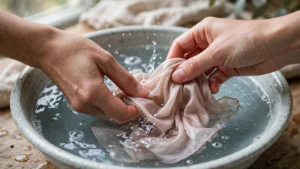
What we like: Hand washing is the gentlest way to clean cashmere, and it gives you full control over water temperature and agitation. What to consider: It takes a little more time than a machine wash, and you need to be patient with soaking and rinsing. Best for: All cashmere, especially fine-gauge knits and light colours. Cost: A bottle of gentle wool detergent, usually £8 to £15. Time needed: About 15 minutes of active work, plus soaking time.
Dry flat, never hang and never tumble-dry
What we like: Flat drying keeps a cashmere sweater in its proper shape, and it costs nothing. What to consider: It takes longer than a tumble dryer, and you need a flat surface and a clean towel. Best for: Every cashmere sweater, without exception. Cost: Nothing, or a mesh drying rack for about £15. Time needed: 24 to 48 hours to dry fully.
Remove pilling with a comb, not your fingers
What we like: A cashmere comb or a fabric shaver removes pills cleanly and leaves the surface smooth, without pulling at the fibres. What to consider: You need to be gentle, and a cheap electric shaver can cut the fabric if you press too hard. Best for: Any cashmere that has started to pill, especially under the arms and at the sides. Cost: A cashmere comb costs about £10 to £20. Time needed: 10 minutes per sweater.
Store cashmere folded, in a cool, dry place
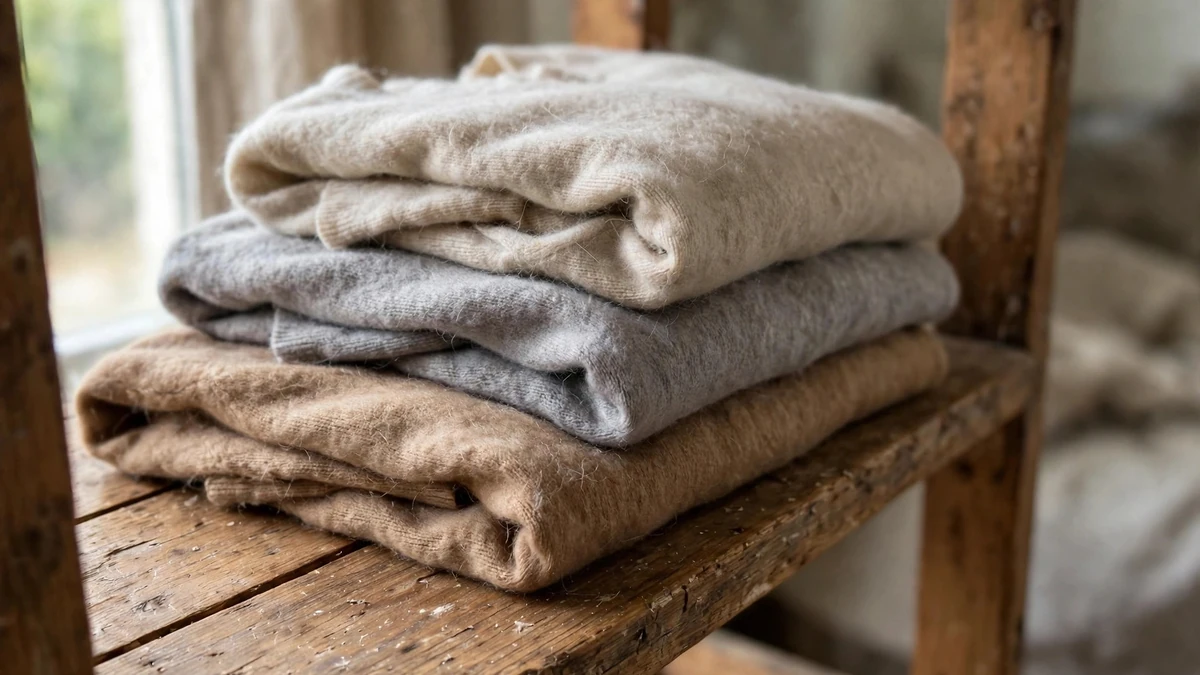
What we like: Folding prevents the stretching that hanging causes, and a cool, dry drawer keeps the fibres in good condition. What to consider: You need drawer space, and folded cashmere can crease if it is packed too tightly. Best for: All cashmere, especially heavier sweaters and cardigans. Cost: Nothing, or acid-free tissue paper for about £5. Time needed: A few minutes when you put the sweater away.
Protect against moths before they arrive
What we like: Simple moth prevention is cheap, effective, and far easier than repairing moth damage. What to consider: You need to be consistent, and some traditional mothballs have a strong smell that is hard to remove. Best for: Anyone storing cashmere for more than a few weeks, especially over summer. Cost: Cedar blocks or lavender sachets, about £5 to £15. Time needed: A few minutes to place them in the drawer.
Repair small holes early, before they spread
What we like: A small moth hole can be darned invisibly in a few minutes, and a repaired sweater can last for years. What to consider: You need matching thread or a small amount of cashmere yarn, and a large hole may need a professional. Best for: Any cashmere with a small hole, a loose thread, or a thinning elbow. Cost: A darning needle and thread, about £5, or a professional repair from £20. Time needed: 15 to 30 minutes for a small hole.
Know what cashmere can and cannot survive
What we like: Understanding the limits of cashmere helps you avoid the mistakes that cause permanent damage. What to consider: Some damage, especially felting from heat, cannot be reversed, and knowing that in advance is better than learning it afterwards. Best for: Anyone new to cashmere, or anyone who has already lost a sweater to a washing mistake. Cost: Nothing. Time needed: A few minutes to read and remember the limits.
Refresh cashmere between washes with steam and air
What we like: Steam relaxes the fibres, removes creases, and freshens a sweater without a full wash. What to consider: You need a steamer or a steam iron held at a distance, and you should never press a hot iron directly onto cashmere. Best for: Sweaters that are creased from storage or slightly stale from wear. Cost: A handheld steamer costs about £25 to £50, or use a bathroom full of steam. Time needed: Five minutes.
Which cashmere care routine is right for you
Your routine should match how often you wear cashmere and how much time you are willing to spend on it. If you wear a cashmere sweater once a week, a simple routine is enough: air it after each wear, wash it every four to six wears, dry it flat, and store it folded. That takes very little time and will keep the sweater in good condition for years. If you wear cashmere daily, or you own several pieces, it is worth investing in a cashmere comb, a bottle of gentle detergent, and a mesh drying rack, because those three things make the routine faster and easier.
If you own expensive or sentimental cashmere, consider dry cleaning for structured pieces such as tailored cashmere coats, and hand washing for simple sweaters and scarves. A good dry cleaner will know how to handle cashmere, and the cost is small compared with replacing a valuable piece. For everyday sweaters, hand washing is usually the better choice, because it is gentler and cheaper, and you control the water temperature yourself.
Whatever routine you choose, make it a habit rather than a project. Cashmere care works best when it is a small, regular part of looking after your clothes, not a major undertaking you put off until the sweater is already damaged. A little attention after each wear is worth far more than a big rescue effort once a year. Storing your sweaters properly is part of that habit, and our guide to how to organize your closet shows how to give cashmere the drawer space it needs, instead of squeezing it in beside heavier clothes.
The caveats that matter
Cashmere care advice is sometimes presented as a set of strict rules, but the real picture is simpler. The fibre is vulnerable to heat, agitation, and moths, and it is resilient to almost everything else. The mistakes that matter are the big ones: hot water, a tumble dryer, hanging a wet sweater, and storing dirty cashmere. Avoid those four, and the rest of the advice is refinement rather than rescue.
| Detail | What is known |
|---|---|
| How often to wash | Every four to six wears, or once a season if it is not stained |
| Water temperature | Cool water only; hot water felts the fibres permanently |
| How to dry | Flat on a towel, reshaped, away from heat and direct sun |
| What never to do | Never tumble-dry, never hang wet, never wring or twist |
| Pilling | Normal in the first wears; remove with a comb, never pull by hand |
| Storage | Folded, in a cool dry drawer, clean before storing for the season |
| Moth prevention | Store clean cashmere; use cedar or lavender; check in summer |
| What cannot be fixed | Felting from heat and large moth damage are usually permanent |
Be honest about the quality of the cashmere you own. A cheap, short-fibre sweater will pill more and last fewer years than a well-made one, no matter how carefully you look after it. Care can extend the life of good cashmere considerably, but it cannot turn a poor-quality sweater into a good one. That is not a reason to avoid cheaper cashmere, only a reason to have realistic expectations about how long it will last.
Checklist: caring for cashmere honestly
Use these checks after each wear, and again when you put cashmere away for the season.
- Air the sweater after wearing, and spot-clean small marks instead of washing the whole garment.
- Wash only when needed, in cool water with a gentle detergent, and never rub or wring the fabric.
- Dry flat on a towel, reshaped to its original size, away from heat and direct sunlight.
- Remove pills with a cashmere comb or a fabric shaver, and never pull them off by hand.
- Store cashmere folded, never hung, and always clean before storing it for the season.
- Protect against moths with cedar or lavender, and check stored sweaters regularly in summer.
Frequently asked questions
Can I machine-wash cashmere?
Some cashmere can be machine-washed on a cold, gentle, wool cycle, but hand washing is safer and gives you more control. If the care label says hand wash only, follow it. If you do machine-wash, use a mesh laundry bag, cold water, and a gentle detergent, and never use a hot cycle or a tumble dryer.
How do I shrink-proof my cashmere?
You cannot shrink-proof cashmere, but you can prevent shrinkage by avoiding the things that cause it: hot water, agitation, and tumble drying. Wash in cool water, handle the fabric gently, and dry it flat. A sweater that has shrunk slightly can sometimes be stretched back while damp, but a felted sweater cannot be restored.
Why does my cashmere pill so much?
Pilling happens when short fibres work their way to the surface and tangle, usually where the fabric rubs. It is normal in the first few wears, especially with shorter-fibre cashmere, and it usually settles down. Remove pills with a comb or a shaver, and avoid wearing a bag strap across the same area every day. Cashmere stored with space around it also pills less than cashmere squeezed tightly between other clothes.
Is dry cleaning better than hand washing for cashmere?
Not necessarily. Dry cleaning is best for structured or valuable pieces, but hand washing is often gentler for simple sweaters, because it avoids the solvents used in dry cleaning. Many cashmere owners hand wash most pieces and reserve dry cleaning for coats and tailored items.
How do I get rid of moths in my wardrobe?
Remove everything, clean the wardrobe thoroughly, and wash or dry-clean all affected clothes. Discard anything badly damaged. Then store clean cashmere in sealed bags or drawers with cedar or lavender, and check regularly. Moths are attracted to dirty fibres, so storing clean cashmere is the most effective prevention.
How long should a good cashmere sweater last?
A well-made cashmere sweater, cared for gently, can last 10 years or more, and it often feels better after a few years of wear. A cheaper, short-fibre sweater may last two to three years. The difference is in the fibre length and the quality of the knitting, as well as in how it is washed and stored.
The bottom line
Cashmere care is simpler than its reputation suggests. Wash it rarely and gently, dry it flat, store it folded and clean, and deal with pills and small holes as soon as you notice them. Those few habits will keep a good cashmere sweater soft, well-shaped, and wearable for years, and they cost almost nothing.
Buy the best cashmere you can afford, look after it with the routine above, and it will repay you. A sweater that still looks good after five winters is a better investment than three cheap ones that pill, shrink, and end up at the back of the drawer, and it is a kinder way to own a fibre that was never meant to be disposable.