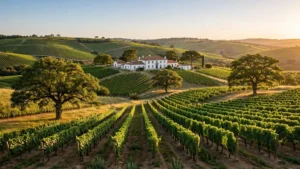
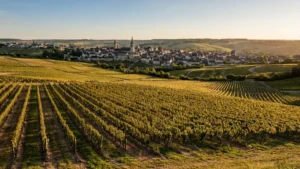
Best Luxury Anjou Brands earn their place on a serious wine list through patience, place and a grape that rewards both. Anjou sits in the western Loire Valley around Angers, where the river Layon threads through schist hills and morning mists shape some of the most expressive Chenin Blanc on earth. The best producers here do not chase fashion. They farm old vines on steep slopes, pick by hand, and let small appellations such as Savennières, Bonnezeaux and Quarts de Chaume speak for themselves.
The region rewards buyers who look past the famous names of Burgundy and Bordeaux. A top Anjou white can age for twenty years, a great sweet wine from the Layon can last for decades, and the reds built on Cabernet Franc carry a freshness that heavier regions struggle to match. Prices remain sensible beside comparable bottles from more celebrated regions, which is exactly why collectors have started paying attention.
This guide ranks ten producers that define luxury in Anjou today, from historic Savennières estates to a new generation of precision-focused domaines. Each brand is judged on vineyard holdings, consistency across vintages, ageing potential and the experience of opening the bottle. Whether you are buying a first case or adding depth to a cellar, these are the names to know.
Key takeaways
- Chenin Blanc is the grape that defines luxury Anjou, producing dry Savennières, off-dry Anjou Blanc and long-lived sweet wines from the Layon valley.
- Savennières, Bonnezeaux and Quarts de Chaume are the appellations to prioritise when you want bottles with real ageing potential.
- Old vines, schist soils and hand harvesting separate the best Anjou producers from the merely pleasant ones.
- Top Anjou whites often need five to ten years in the cellar before they show their full depth and complexity.
- Anjou offers rare value at the luxury level, with world-class bottles still priced below comparable Burgundy and Bordeaux.
Why Anjou Belongs on a Luxury Wine List
Anjou has been a wine region for more than a thousand years, yet it still feels like a discovery to many buyers. The region centres on Angers and the Layon, a small tributary of the Loire whose autumn mists encourage noble rot in the grapes. That combination of river, slope and schist soil gives Anjou a character no other French region can copy. The wines are mineral, precise and built to age, and the best of them stand beside great white Burgundy in a blind tasting.
Luxury in Anjou is quiet rather than showy. Estates here tend to be family run, with cellars dug into tuffeau stone and vineyards measured in hectares rather than hundreds. The producers on this list invest in old vines, low yields and careful élevage, and they release wines only when the wines are ready. That restraint is part of what makes the bottles feel special when they finally reach the table.
Collectors also value the range. A single estate can produce a bone-dry Savennières, a gently off-dry Anjou Blanc, a luscious Coteaux du Layon and a serious Cabernet Franc red.
What Makes Anjou Wine Different

Anjou occupies the meeting point of two worlds. The Atlantic influence keeps summers moderate, while the schist and sandstone soils hold warmth and drain well. The result is a long, slow ripening season that builds aroma and acidity together. Grapes arrive at harvest with both ripeness and freshness, which is why Anjou Chenin Blanc can be dry, sweet or sparkling without ever feeling heavy.
Chenin Blanc, the Signature Grape
Chenin Blanc is the soul of Anjou. The grape is naturally high in acidity, which lets it age gracefully for decades, and it takes on honey, quince, chamomile and wet stone as it matures. In Savennières it produces dry wines of remarkable structure and tension. Along the Layon it becomes sweet, rich and layered. The same grape, grown a few kilometres apart, can produce two completely different great wines.
For a wider sense of how white wine styles shift from region to region, our Sauvignon Blanc guide to styles, regions and food pairing shows how climate and soil shape a grape in the glass. Chenin Blanc follows the same logic, but with an even wider range, from razor-sharp and dry to unctuously sweet.
Schist Soils and the Layon Mists
The best Anjou vineyards sit on schist, a dark, flaky rock that warms quickly and forces vines to root deeply. Schist gives the wines their signature mineral line, a stony freshness that runs through dry and sweet styles alike. Sandy and sandstone soils appear too, usually producing softer, earlier-drinking wines. When you see schist on a label or tasting note, expect structure and ageing potential.
The Layon mists matter just as much. In autumn, fog rises from the river and settles over the vineyards of Bonnezeaux, Quarts de Chaume and the Coteaux du Layon. The moisture encourages botrytis, the noble rot that concentrates sugars and adds notes of apricot, saffron and honey. Without those mists, the great sweet wines of Anjou would not exist.
The 10 Best Luxury Anjou Brands
The ten estates below represent the strongest expression of luxury Anjou today. They cover the full range of the region, from dry Savennières to sweet Layon, from historic houses to ambitious newcomers. Use the table to compare them at a glance, then read the profiles to find the style that suits your palate and your cellar.
| Brand | Signature Style | Flagship Bottle | Best For |
|---|---|---|---|
| Domaine des Baumard | Dry Savennières | Savennières Clos du Papillon | Cellaring |
| Château d’Epiré | Dry Savennières | Savennières Cuvée Spéciale | Classic elegance |
| Domaine du Closel | Dry Savennières | Savennières Les Caillardières | Purity and finesse |
| Château de Fesles | Sweet Bonnezeaux | Bonnezeaux La Chapelle | Sweet wine lovers |
| Domaine Ogereau | Anjou Blanc and Rouge | Anjou Blanc Clos des Fontaines | Range and value |
| Domaine FL | Anjou Blanc and Savennières | Savennières Les Fougeraies | Modern precision |
| Château de Plaisance | Anjou Blanc and Rouge | Anjou Blanc Les Rochettes | Organic character |
| Domaine des Forges | Coteaux du Layon | Coteaux du Layon Saint-Aubin | Sweet wine value |
| Domaine de la Sansonnière | Natural Anjou Blanc | Anjou La Lune | Cult natural wine |
| Domaine Belargus | Anjou Blanc and Savennières | Savennières Les Gaudrets | New luxury |
1. Domaine des Baumard
Domaine des Baumard is the benchmark for Savennières and the first name most collectors mention when Anjou comes up. The Baumard family has farmed the slopes above the Loire for generations, and their Clos du Papillon vineyard produces dry Chenin Blanc of extraordinary depth. The wines are firm and mineral in youth, then open over a decade into honey, quince and dried flowers.
2. Château d’Epiré
Château d’Epiré has been a Savennières reference since the nineteenth century, and its wines remain a model of classical balance. The estate works organically, farms old vines on schist and sandstone, and produces a Savennières of clarity and poise that ages gracefully for fifteen years or more. The Cuvée Spéciale, from the oldest parcels, adds concentration and length to the house style. Epiré is the bottle to choose when you want the traditional face of Anjou at its most refined.
3. Domaine du Closel
Domaine du Closel, also known as Château des Vaults, is run with a rare combination of precision and patience. The estate sits at the heart of Savennières, and its wines are known for purity, fine acidity and a long mineral finish. Les Caillardières is the flagship parcel, producing a wine that is restrained in youth and richly expressive with age.
4. Château de Fesles
Château de Fesles is the great name of Bonnezeaux, the small sweet-wine appellation along the Layon. Its La Chapelle cuvée is a benchmark for botrytised Chenin Blanc, with layers of apricot, honey, saffron and spice held together by the fresh acidity that keeps great sweet wine from feeling heavy. The estate farms steep schist slopes and picks in successive tries, selecting only the ripest grapes. A bottle of Fesles Bonnezeaux can age for thirty years, making it one of the longest-lived wines in the Loire.
5. Domaine Ogereau
Domaine Ogereau, based in Saint-Lambert-du-Lattay, is one of the most complete estates in Anjou. Vincent Ogereau makes outstanding wines across the full range, from dry Anjou Blanc to Coteaux du Layon and serious Cabernet Franc reds. The Clos des Fontaines white shows the estate at its best, with ripe stone fruit, schist minerality and a long, clean finish. Ogereau offers a rare combination of breadth and consistency, and the wines deliver luxury quality at prices that still feel generous.
6. Domaine FL
Domaine FL, the estate of the Fournier and Longchamps families, represents the modern face of Anjou luxury. The domaine works biodynamically, farms old Chenin Blanc vines in Rochefort-sur-Loire and Savennières, and produces wines of striking precision and energy. Les Fougeraies, from a steep Savennières parcel, is taut, mineral and built for the cellar.
7. Château de Plaisance
Château de Plaisance, in Rochefort-sur-Loire, has become a favourite of sommeliers for its honest, terroir-driven wines. The estate farms organically and lets its Chenin Blanc and Cabernet Franc speak plainly of schist and slope. Les Rochettes, a dry Anjou Blanc, is fresh, textured and quietly complex, while the reds show the bright, aromatic side of Cabernet Franc. Plaisance proves that luxury in Anjou does not need polish or power, only clarity and care.
Anjou sits in the same Loire Valley family as Sancerre, and the two regions reward the same kind of buyer: someone who values freshness, minerality and a sense of place over weight. Our Sancerre wine guide to taste, terroir and buying tips explains how Loire terroir shapes a white wine, and the same principles apply directly to the schist slopes of Anjou.
8. Domaine des Forges
Domaine des Forges is a small, family-run estate in Saint-Aubin-de-Luigné that specialises in the sweet wines of the Coteaux du Layon. The wines are rich and honeyed, with apricot, orange peel and spice, yet they keep the lift that makes Layon sweet wine so drinkable. The Saint-Aubin cuvée is the pick of the range and offers remarkable quality for its price. For buyers who want to explore Anjou sweet wine without paying Bonnezeaux prices, Forges is the ideal starting point.
9. Domaine de la Sansonnière
Domaine de la Sansonnière, the estate of Mark Angeli in Thouarcé, is the cult name of Anjou. Angeli was a pioneer of natural winemaking in the Loire, working biodynamically and fermenting with native yeasts long before it was fashionable. His Anjou La Lune is a dry Chenin Blanc of depth and originality, with notes of orchard fruit, honey and herbs and a texture that is entirely its own. Production is tiny and demand is high, so bottles are scarce, but they reward the effort of finding them.
10. Domaine Belargus
Domaine Belargus is the newest name on this list and one of the most exciting. Founded by Ivan Massonnat, the estate has assembled prime parcels in Savennières and the Layon, hired serious talent and set out to make Anjou wines of the highest international standard. The early vintages already show remarkable polish, with Les Gaudrets leading the range. Belargus is the brand to watch if you want to buy into the next chapter of luxury Anjou before prices catch up with the quality.
How to Choose an Anjou Bottle
Start with the style you enjoy most. If you love dry, mineral whites, begin with Savennières from Baumard, Epiré or Closel. If you prefer something rounder, look to Anjou Blanc from Ogereau, FL or Plaisance. Sweet wine lovers should head straight for Bonnezeaux and the Coteaux du Layon, while red wine drinkers will find the best Cabernet Franc from Ogereau, FL and Plaisance. Buying one bottle from each style is the fastest way to learn the region.
Check the vintage and the producer before the price. Anjou rewards good vintages strongly, and the estates on this list are consistent enough that a lesser year from a great domaine usually beats a great year from an average one. Look for the appellation on the label, note whether the wine is dry or sweet, and remember that top Savennières often needs time. A bottle bought today may be at its best in five or ten years.
- Choose the style first: dry Savennières, Anjou Blanc, sweet Layon or Cabernet Franc red.
- Prioritise the producer, since the best estates are consistent across vintages.
- Look for schist-grown Chenin Blanc when you want structure and ageing potential.
- Buy sweet wines by the half bottle if you are new to Bonnezeaux and Coteaux du Layon.
- Allow five to ten years for top dry whites before judging them at their best.
- Store bottles on their side in a cool, dark place away from vibration and heat.
Pairing Anjou Wine with Food
Dry Anjou whites are natural partners for seafood, goat cheese and river fish. A young Savennières has the acidity and mineral cut for oysters, scallops and grilled sea bass, while an older bottle, with its honeyed depth, suits roast chicken, veal and creamy sauces.
Sweet Layon wines belong with blue cheese, foie gras and fruit desserts, and they can carry a whole cheese course on their own. A glass of Bonnezeaux with Roquefort is one of the classic pairings of French wine. Anjou reds, built on Cabernet Franc, are lighter and more aromatic than Bordeaux, making them a fine match for roast pork, grilled vegetables and charcuterie. Serve them lightly chilled in summer for the best result.
The reds deserve a note of their own, because Anjou Cabernet Franc is often overlooked beside the region’s famous whites. Our guide to the best red wine in 2027 sets out what makes a red wine worth cellaring, and Anjou reds meet that test: fresh acidity, fine tannin and a clear sense of place at a fair price.
Visiting Anjou: Tasting and Cellar Doors
Anjou is one of the most rewarding wine regions in France to visit. Angers makes a good base, with the Layon villages a short drive away and the Savennières slopes just across the river. Many estates welcome visitors by appointment, and the smaller domaines often offer the most personal tastings, poured by the winemaker in a tuffeau cellar. Spring and early autumn are the best seasons, when the vineyards are green and the cellars are quiet.
Plan tastings in advance, especially at the estates on this list, where production is small and the winemaker may be in the vineyard. A day that pairs two or three tastings with lunch in a Layon village gives a fuller picture of the region than a rushed tour ever could.
Frequently Asked Questions
What is the best luxury Anjou wine to buy first?
A Savennières from Domaine des Baumard or Château d’Epiré is the safest first purchase. Both show the dry, mineral side of Chenin Blanc at its best, age well for a decade or more, and are widely available through good merchants. Buy two bottles if you can, and drink one young and cellar the other.
Is Anjou wine expensive?
Anjou remains good value beside Burgundy and Bordeaux. Top dry whites usually cost less than comparable white Burgundy, and even the finest Bonnezeaux is modestly priced against Sauternes. The luxury names on this list are premium for the Loire, but they are still accessible to most serious wine buyers.
How long can Anjou wine age?
Dry Savennières commonly ages for ten to twenty years, and the best examples last longer still. Sweet wines from Bonnezeaux and Quarts de Chaume can age for thirty years or more. Anjou reds are best over five to ten years, while Crémant de Loire should be enjoyed within a few years of release.
What food pairs best with Anjou Chenin Blanc?
Dry Chenin Blanc suits seafood, goat cheese and roast poultry, while off-dry styles work with spicy dishes and charcuterie. Sweet Layon wines pair with blue cheese, foie gras and fruit desserts. The high acidity of Chenin Blanc makes it one of the most food-friendly white grapes in France.
What is the difference between Savennières and Anjou Blanc?
Savennières is a small appellation for dry Chenin Blanc grown on schist slopes near the Loire, and its wines are structured, mineral and built to age. Anjou Blanc covers a wider area and a broader range of styles, from dry to off-dry, and its wines are usually softer and ready to drink sooner.
Where is Anjou wine made?
Anjou wine is made in the western Loire Valley around Angers, in the Maine-et-Loire department of France. The key appellations are Savennières, Bonnezeaux, Quarts de Chaume, Coteaux du Layon, Anjou Blanc, Anjou Rouge and Crémant de Loire, all within easy reach of the city of Angers.
Bottom Line
Best Luxury Anjou Brands prove that great wine does not need a famous name or a heavy price to earn a place in a serious cellar. Start with a Savennières from Baumard or Epiré, add a sweet Bonnezeaux from Fesles, and explore the range of Ogereau and FL to learn the region. The wines reward patience, pair beautifully with food and still offer the rare pleasure of discovering a great region before the rest of the world catches up.