


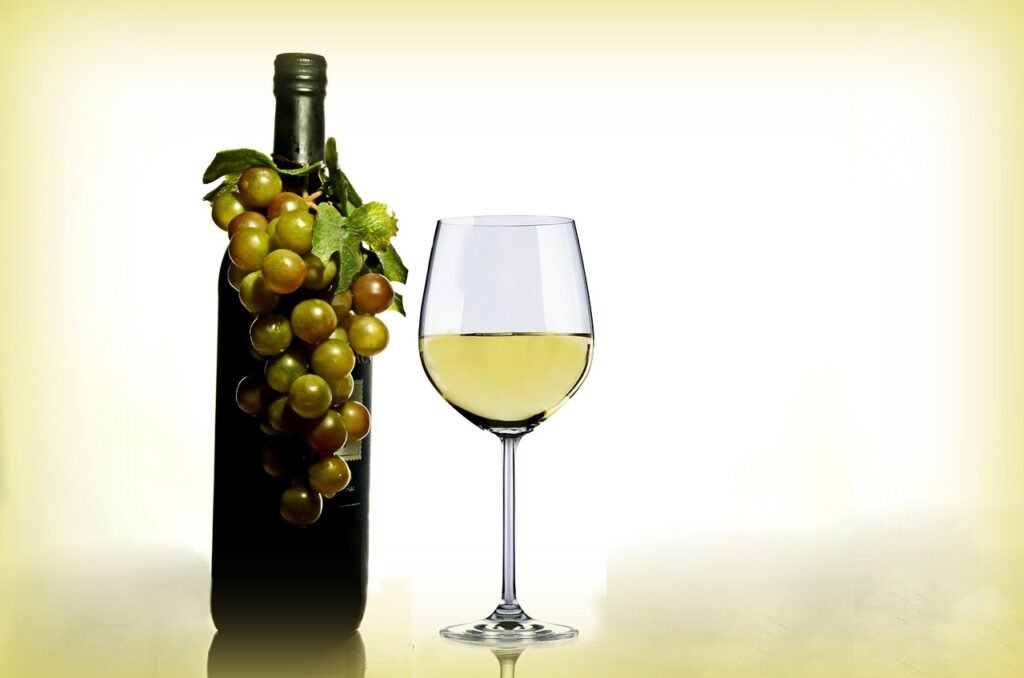
What makes a wine taste like freshly cut grass in one glass and ripe passionfruit in the next, even when both bottles say the same grape name? That is the puzzle of Sauvignon blanc, a variety so sensitive to where it grows and how it is made that it can seem like several different wines wearing one label. Some bottles are sharp, herbal, and bracing. Others are soft, tropical, and faintly sweet. A few are aged in oak and taste closer to a white Bordeaux than to the zesty pour most drinkers expect.
This guide walks through what Sauvignon blanc actually is, why it behaves so differently across regions, how to read a label without guessing, and which bottles suit which meals. It also covers the mistakes that trip up beginners most often, because a little knowledge here saves a lot of disappointing purchases.
What Is Sauvignon Blanc?
Sauvignon blanc is a white grape variety that originated in France’s Loire Valley. The name likely comes from the French words for “wild” and “white,” though the exact origin of the name is debated among historians. What is not debated is the grape’s family tree: Sauvignon blanc is one parent of Cabernet sauvignon, which it produced when crossed with Cabernet franc. That crossing was first documented in Bordeaux, and DNA profiling later confirmed the parentage. So the grape in a crisp Sancerre is a direct ancestor of one of the world’s most famous red wines.
The variety ripens early, which makes it a useful tool in cool climates where growers need to get fruit off the vine before autumn rains arrive. It also carries a natural vulnerability to botrytis, the “noble rot” fungus. In the right conditions, that vulnerability becomes an asset: sweet wines from Sauternes and Barsac are built on Sémillon blended with Sauvignon blanc, and the rot concentrates sugar and adds honeyed complexity.
Thin-skinned and aromatic, the grape gives winemakers a lot to work with and very little margin for error. Picked too early, it tastes green and harsh. Picked too late, it goes flat and loses the tension that makes it refreshing.
Why Sauvignon Blanc Tastes Different in Every Region

The single most useful thing to understand about this grape is that its flavor is largely a story of climate and picking date. Two groups of aroma compounds do most of the work.
Methoxypyrazines produce the green, grassy, bell-pepper notes that define cool-climate versions. These compounds accumulate in the grape skin and drop as the fruit ripens, so growers in cool areas who pick early get more of them. Volatile thiols, including 3-mercaptohexan-1-ol, create the passionfruit and grapefruit characters that show up in riper fruit. Research from the 1990s and 2000s identified these compounds as the key markers of the variety’s aroma, and they explain why the same grape can smell like a garden in one place and a fruit stand in another.
That chemistry maps neatly onto geography.
| Style | Typical regions | Flavor profile | Texture |
|---|---|---|---|
| Cool-climate, herbal | Loire Valley (Sancerre, Pouilly-Fumé) | Green apple, grass, flint, white flowers | Lean, high acid, taut |
| Maritime, tropical | Marlborough, New Zealand | Passionfruit, grapefruit, cut grass | Bright, intense, aromatic |
| Warm-climate, soft | California, Chile, South Africa | Melon, peach, lime, less green | Rounder, lower acid |
| Oak-aged | Bordeaux, parts of California | Citrus, vanilla, toast, cream | Rich, broad, textured |
| Sweet botrytized | Sauternes, Barsac | Honey, apricot, marmalade | Lush, syrupy, balanced by acid |
New Zealand’s Marlborough region became internationally known for this grape in the 1980s and 1990s, and its intensely aromatic style reset expectations for drinkers worldwide. Cloudy Bay’s first vintage in 1985 is widely credited with putting the region on the map, though the broader shift was a collective effort across many producers.
Reading the Label: Sancerre, Pouilly-Fumé, and Fumé Blanc
One of the most common frustrations for shoppers is that many of the best Sauvignon blancs never say “Sauvignon blanc” on the front label. French appellation rules, set by the national body INAO, label wines by place rather than grape. A bottle of Sancerre or Pouilly-Fumé is Sauvignon blanc, full stop. If a shopper is looking for the Loire style and scans only for the varietal name, they will walk right past it.
The term Fumé blanc is a separate puzzle. In the United States, it is a label term popularized by Robert Mondavi in the 1960s and 1970s for oak-aged Sauvignon blanc. It has no legal definition, so a bottle bearing it may be oaked, unoaked, or somewhere in between. Treat it as a stylistic hint rather than a guarantee.
A few practical label-reading habits help:
- Look for the region first, then the grape. Sancerre, Pouilly-Fumé, and Bordeaux Blanc are all Sauvignon-based.
- Check the alcohol level. Bottles at 12 to 12.5 percent tend to be leaner and more herbal; 13.5 percent and up usually signal a riper, rounder style.
- Note words like “barrel-fermented” or “oak-aged.” These promise texture and toast, not green freshness.
- Ignore vintage hype for entry-level bottles. This grape is usually meant to be drunk young, within two to three years of the vintage.
How to Taste It Like Someone Who Knows
Sauvignon blanc rewards a slightly different approach than rich whites. The aromatics are delicate and volatile, so aggressive swirling actually helps here. Chill the bottle well, but not to the point of numbness: heavily chilled wine shuts down the very compounds that make it interesting. Around 8 to 10 degrees Celsius, or roughly 45 to 50 Fahrenheit, is a sensible target.
Start with the nose before tasting. Cool-climate examples often open with green notes and a mineral, almost wet-stone quality. New World versions hit with fruit first. Then taste and pay attention to the finish: the best bottles stay lively and mouth-watering rather than turning sour or falling away flat.
A useful comparison exercise is to taste a Loire bottle and a Marlborough bottle side by side. The difference is immediate and teaches more about terroir than any paragraph can.
Food Pairing That Actually Works
The grape’s high acidity makes it one of the most food-friendly whites in the world, but the green herbal notes can clash with certain dishes. The general rule is to match intensity and avoid ingredients that fight the wine’s aromatics.
Good matches include goat cheese, green salads with herbs, grilled vegetables, oysters, ceviche, sushi, and simply prepared white fish. Herb-driven dishes like salsa verde or pesto are natural partners because the wine’s own green notes echo them. Thai and Vietnamese dishes with lime and fresh herbs work well with the fruitier New World style.
Pairings that often disappoint include heavily smoked foods, sweet glazed dishes, and anything with a lot of raw garlic or chili heat. Oak-aged versions are more forgiving and can handle roast chicken, creamy sauces, and richer fish dishes. (The row)
Sweet botrytized styles are a different category entirely. They pair with blue cheese, fruit tarts, and foie gras rather than with a main course.
Common Mistakes Buyers Make
A few habits cause most of the disappointment with this grape.
Drinking it too cold. Straight from the fridge, the wine tastes like almost nothing. Let it sit for ten minutes.
Aging it too long. Most Sauvignon blanc is built for freshness. A three-year-old bottle from a supermarket shelf is usually past its best, while a serious Loire wine may hold longer.
Assuming all bottles are interchangeable. The gap between a lean Sancerre and an oaked California version is wider than many drinkers expect. Buying by grape alone, without checking region or style, leads to surprises.
Overpaying for the label. Price often reflects reputation rather than quality in this category. A modest Chilean or South African bottle can outperform a famous name at twice the cost.
Serving it only in summer. The herbal, mineral style suits cold-weather food too, especially with root vegetables and roast poultry.
For readers exploring texture and hair typing in beauty content, the same principle of matching a product to its natural characteristics applies; if you have 2b hair or coily 4c hair, you already know that one-size advice rarely works. Wine is no different.
Serving and Storage Basics
Serve Sauvignon blanc in a medium-sized glass with a slightly tapered bowl, which concentrates aromatics without trapping them. Fill to about a third so there is room to swirl.
Once opened, re-cork the bottle and store it upright in the fridge. It will hold for two to three days, though the aromatics fade first. A vacuum stopper helps a little. Sparkling versions and sweet styles last longer than dry table wines.
For storage before opening, keep bottles away from light and heat. A kitchen counter above the oven is the worst possible spot. If a bottle has been sitting in a warm car for a day, expect it to taste tired.
A Note on Sustainability and Planting
Sauvignon blanc is planted widely across the globe, and total vineyard area shifts year to year. Anyone quoting a specific figure should cite a dated statistical report rather than a general claim. Growers in New Zealand, France, Chile, South Africa, and the United States all contribute significant volume, and the variety’s early ripening makes it attractive in regions where harvest rain is a risk.
Because it is so widely planted, the grape is also a useful case study in how climate affects wine. As growing regions warm, some producers are picking earlier to keep acidity, while others are experimenting with different canopy management to shade fruit and preserve those green, herbal notes.
Conclusion
Sauvignon blanc is one of the most versatile white grapes in the world, and also one of the most misunderstood. Its identity shifts with climate, picking date, and winemaking, which is exactly why a bottle can taste like fresh grass in one region and ripe passionfruit in another. The practical takeaway is simple: read the region, check the alcohol, and think about what style you actually want before you buy. A Sancerre and a Marlborough bottle are both Sauvignon blanc, but they are not the same wine, and knowing the difference turns a guess into a confident choice. Start with a side-by-side tasting, pay attention to how the wine changes as it warms in the glass, and the grape will teach you the rest.
Frequently Asked Questions
What does Sauvignon blanc taste like?
It depends heavily on where it grows. Cool-climate versions from the Loire Valley taste green and herbal, with notes of grass, green apple, and flint. Warmer regions like Marlborough produce passionfruit, grapefruit, and cut grass. Warm-climate versions from California and Chile lean toward melon, peach, and lime, with softer acidity.
Is Sauvignon blanc dry or sweet?
Most table wines made from this grape are dry, with no noticeable residual sugar. The confusion usually comes from the fruit-forward aromatics of New World styles, which can smell sweet without tasting sweet. Sweet versions do exist, most notably the botrytized wines of Sauternes and Barsac, but those are labeled and sold as dessert wines.
What is the difference between Sancerre and Sauvignon blanc?
Sancerre is a French appellation in the Loire Valley, and the wines are made from Sauvignon blanc. The difference is labeling convention rather than grape. French rules label wines by place, so a bottle of Sancerre never says “Sauvignon blanc” on the front, even though that is exactly what is inside.
Is Sauvignon blanc related to Cabernet sauvignon?
Yes. Sauvignon blanc is one parent of Cabernet sauvignon, which it produced when crossed with Cabernet franc in Bordeaux. DNA profiling confirmed this parentage. The crossing was first documented centuries ago, though sources disagree on the exact date.
Should Sauvignon blanc be served cold?
It should be served cool but not ice cold. Around 8 to 10 degrees Celsius, roughly 45 to 50 Fahrenheit, preserves the aromatics while keeping the wine refreshing. Straight from a cold fridge, the delicate compounds shut down and the wine tastes flat. Let it sit for ten minutes before pouring.
How long does an open bottle of Sauvignon blanc last?
A re-corked bottle stored upright in the fridge will stay drinkable for two to three days. The fruit aromatics fade first, so the wine loses its charm before it actually spoils. Vacuum stoppers help slightly, but no method restores a bottle once the freshness is gone.









