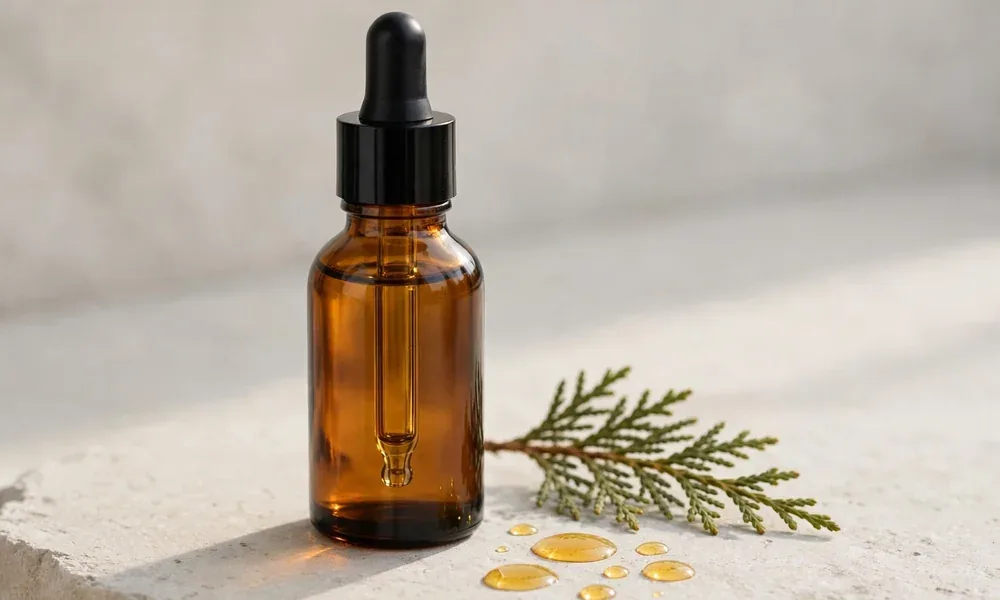
Finding the best luxury beard oil brands means looking past the crowded shelf of generic grooming products and focusing on the few houses that treat beard care as seriously as fragrance or skincare. A great beard oil does three jobs at once: it softens coarse facial hair, conditions the skin underneath, and leaves a scent that feels considered rather than accidental.
The difference between a drugstore oil and a luxury one is rarely a single ingredient. It is the balance of the formula, the quality of the carrier oils, and the way the scent is built. Cheap oils often rely on a single heavy base, such as mineral oil, that sits on the surface and leaves a greasy film. Luxury formulas layer lightweight carriers like jojoba, argan, and grapeseed, which absorb quickly and mimic the skin’s own sebum. The result is a beard that looks polished rather than wet, and skin that stays comfortable through the day.
This guide compares the leading luxury beard oil brands on formula, scent, value, and real-world performance. Every price below reflects the standard retail price, and whether you keep a short, neat beard or a full one, there is a bottle here that fits.
Key takeaways
- The best luxury beard oil brands use lightweight carrier oils such as jojoba, argan, and grapeseed, which absorb fast and never leave a greasy film.
- Tom Ford and Acqua di Parma lead on scent, with fragrances built like proper colognes rather than simple essential oil blends.
- Truefitt & Hill and D.R. Harris offer the strongest heritage value, with barbershop pedigrees stretching back centuries.
- Three to five drops is enough for a short beard, while a full beard needs six to eight drops applied daily after a warm shower.
- Apply beard oil to slightly damp hair and massage it into the skin underneath, not just the surface of the beard.
Best Luxury Beard Oil Brands at a Glance
| Brand | Price | Size | Key oils | Scent | Best for |
|---|---|---|---|---|---|
| Tom Ford Conditioning Beard Oil | $60 | 30 ml | Jojoba, grapeseed, almond | Tobacco Vanille | Signature scent and polish |
| Acqua di Parma Barbiere Beard Oil | $58 | 30 ml | Jojoba, sweet almond | Colonia citrus and woods | Classic Italian freshness |
| Truefitt & Hill Beard Oil | $40 | 30 ml | Argan, jojoba, vitamin E | West Indian Limes or 1805 | Heritage barbershop quality |
| D.R. Harris Beard Oil | $32 | 30 ml | Argan, jojoba, sandalwood | Sandalwood | Everyday luxury value |
| The Art of Shaving Beard Oil | $40 | 30 ml | Jojoba, grapeseed, castor | Sandalwood or Bourbon | Softening coarse beards |
| Baxter of California Beard Oil | $28 | 30 ml | Avocado, squalane, vitamin E | Light cedarwood | Lightweight daily use |
| Jack Black Beard Oil | $26 | 30 ml | Jojoba, argan, plum, marula | Subtle, clean | Sensitive skin |
| Beardbrand Beard Oil | $30 | 30 ml | Jojoba, grapeseed, castor, abyssinian | Spiced Citrus, Tree Ranger | Modern styling and choice |
What to Look For in a Luxury Beard Oil
Before choosing a brand, it helps to know what separates a genuinely good beard oil from an expensive bottle of scented carrier oil. First, read the ingredient list and look for cold-pressed carrier oils near the top: jojoba, argan, grapeseed, sweet almond, and squalane are the markers of a serious formula. Second, check the scent. A luxury oil should smell like a finished fragrance, with top, heart, and base notes that develop over an hour, not a single essential oil that fades in ten minutes. Third, consider the bottle. Amber or dark glass protects the oils from light, and a proper glass pipette gives you control over the dose. Fourth, think about your skin. If you are prone to breakouts or irritation, choose a formula with a short ingredient list and no synthetic fragrance. Finally, weigh the cost per millilitre: a 30 ml bottle used daily lasts roughly two to three months, so a $60 oil costs about $0.70 a day.
The eight brands below all pass these tests, but in different ways: some lead on scent, others on heritage, and a few on sheer value.
Tom Ford Conditioning Beard Oil
Tom Ford’s Conditioning Beard Oil is the most recognisably luxurious beard oil on the market, and it earns that position with a formula and a scent that both feel deliberate. Built around jojoba, grapeseed, and sweet almond oils, it absorbs quickly and leaves the beard soft without a visible sheen. It is fragranced with Tobacco Vanille, one of Tom Ford’s most famous scents, which opens with warm tobacco leaf and vanilla and settles into a smooth, woody dry-down that lasts for hours. At $60 for 30 ml, it is the most expensive oil in this guide, but the scent alone justifies the price for many buyers, since it doubles as a subtle fragrance. The scent is strong enough to clash with a separate cologne, so it suits men who want their beard oil to be their fragrance.
Acqua di Parma Barbiere Beard Oil
Acqua di Parma has dressed Italian gentlemen since 1916, and its Barbiere beard oil carries that heritage into the grooming drawer. The formula is built on jojoba and sweet almond oils, and it is one of the lightest oils in this guide, absorbing almost completely within a minute. The scent is unmistakably Colonia: bright Sicilian citrus at the opening, a clean herbal heart, and a warm woody base that never turns heavy. It smells fresh and expensive without ever smelling like aftershave, which makes it the best choice for men who want a refined, daytime-appropriate scent. The oil is particularly good for shorter beards and for men who dislike any residue, since it leaves the hair soft and matte. Its only real limitation is that the scent is relatively light and fades after a few hours.
Truefitt & Hill Beard Oil
Truefitt & Hill holds the distinction of being the oldest barbershop in the world, founded in London in 1805, and its beard oil is made with the same old-school discipline. The formula combines argan and jojoba oils with vitamin E, and it is one of the most conditioning oils in this guide, noticeably softening coarse or wiry hair after a week of daily use. It is available in the house’s signature scents, including West Indian Limes, a bright citrus that feels crisp and clean, and 1805, a warm marine and woody scent named for the year the shop opened. The oil is slightly richer than the lightest formulas, so it suits medium and full beards better than very short stubble, and it pairs naturally with the rest of the Truefitt & Hill range if you want a matched grooming set.
D.R. Harris Beard Oil
D.R. Harris has held a Royal Warrant since the nineteenth century, and its beard oil is a quiet masterclass in restrained luxury. The formula blends argan and jojoba oils with a sandalwood base, and it is designed to condition both the beard and the skin beneath it, which makes it a good choice for men who get dry or flaky skin under their beard. The scent is a soft, creamy sandalwood that stays close to the skin and never overwhelms, which makes it the most office-friendly oil in this guide. At $32 for 30 ml, it is also one of the best values here, undercutting most of its luxury rivals by a third while matching them on formula quality.
The Art of Shaving Beard Oil
The Art of Shaving built its reputation on the perfect shave, and its beard oil brings the same precision to the other side of facial hair. The formula uses jojoba, grapeseed, and castor oils, and castor oil is the key difference: it is thicker and more conditioning than the other carriers, which makes this oil especially effective on coarse, curly, or wiry beards that resist lighter formulas. It comes in two scents, Sandalwood and Bourbon, and both are warm, smooth, and well balanced, with the Bourbon version adding a subtle sweetness that works well in colder months. The oil takes a little longer to absorb than the lightest formulas, so it is best applied to a damp beard and combed through, but the payoff is a noticeably softer beard by the end of the first week.
Baxter of California Beard Oil
Baxter of California has been making men’s grooming products since 1965, and its beard oil is the most modern-feeling of the heritage brands in this guide. The formula is built around avocado oil and squalane, a lightweight moisturiser derived from olives, with vitamin E for extra conditioning. The result is an oil that feels almost weightless on the beard, absorbing fast and leaving no residue, which makes it the best choice for men who hate the feeling of product in their beard. The scent is a light cedarwood that is present but never pushy, and it fades gracefully over a couple of hours. At $28 for 30 ml, it is the second most affordable oil here, and it is widely available, which makes it an easy first luxury beard oil to try.
Jack Black Beard Oil
Jack Black’s beard oil is the most skin-friendly formula in this guide, and it is the best pick for men with sensitive or reactive skin. The oil blends jojoba, argan, plum, and marula oils, and the combination is unusually gentle, with no synthetic fragrance and a scent so subtle that it is barely noticeable after application. That makes it ideal for men who wear cologne and do not want a competing scent, and for anyone whose skin reacts to heavily fragranced products. At $26 for 30 ml, it is the most affordable oil in this guide, which makes its performance all the more impressive.
Beardbrand Beard Oil
Beardbrand is the youngest brand in this guide, founded in 2012, but it has become the reference point for modern beard care, and its beard oil is the most versatile in the lineup. The formula combines jojoba, grapeseed, castor, and abyssinian oils, and the blend is designed to condition without weighing the beard down, which makes it work well across short, medium, and long beards. What sets Beardbrand apart is choice: the oil comes in several scents, including Spiced Citrus, a bright and warm blend that is the house bestseller, and Tree Ranger, a fresh pine and cedar scent that suits the outdoors.
How to Use Beard Oil Properly
Even the best oil will underperform if it is applied badly, so the routine matters as much as the bottle. Start by washing your beard with a gentle beard wash or a mild shampoo, then towel it dry until it is slightly damp, not wet. Warm three to five drops of oil between your palms for a short beard, or six to eight drops for a full beard, and work it through the hair from the roots outward. Then, and this is the step most men skip, massage the remaining oil into the skin underneath the beard with your fingertips. The skin is where dryness and itch start, and oil applied only to the surface of the hair does nothing for it. Finish by combing or brushing the beard into shape, which distributes the oil evenly and trains the hair to lie flat. Apply once a day, ideally after your morning shower, and add a second, smaller application in the evening if your beard is very dry or the weather is cold.
One common mistake is using too much oil. More oil does not mean a softer beard; it means a greasy one. Start with fewer drops than you think you need and add one more only if the beard still feels dry after a minute. Another mistake is applying oil to a dry beard straight out of bed: damp hair absorbs oil far better than dry hair. Finally, remember that beard oil is a conditioner, not a styling product. If you need hold or shape, follow it with a beard balm or wax, which will work better on a conditioned beard than on a dry one. The same care that goes into choosing a good oil should go into the rest of your routine, and the best hair oils for fine hair follow the same principle of lightweight, well-chosen carriers over heavy, greasy formulas.
Beard Oil Buying Checklist
Use this checklist before you buy, and you will avoid the most common mistakes.
- Check the carrier oils. Look for jojoba, argan, grapeseed, sweet almond, or squalane near the top of the ingredient list, and avoid mineral oil.
- Smell before you commit. Buy the smallest size first if you are unsure about the scent, since a fragrance you dislike will sit under your nose all day.
- Match the weight to your beard. Light oils suit short beards and fine hair, while richer oils with castor or avocado suit thick, coarse, or curly beards.
- Consider your skin. If you have sensitive skin, choose a fragrance-free or lightly scented formula with a short ingredient list.
- Check the bottle. Dark glass and a proper dropper protect the oil and give you control over the dose, which saves product over time.
- Do the maths. Divide the price by 30 to find the cost per millilitre, and remember that a bottle lasts two to three months with daily use.
Frequently Asked Questions
How much beard oil should I use each day?
Three to five drops is enough for a short beard, and six to eight drops covers a full beard. Start with fewer drops than you think you need, warm the oil between your palms, and add one more drop only if the beard still feels dry after a minute. Using too much oil leaves a greasy finish and wastes product, while the right amount absorbs completely and leaves the beard soft and matte.
Does beard oil help a beard grow faster?
Beard oil does not change how fast your hair grows, since growth is set by genetics and hormones. What it does is create better conditions for growth: it moisturises the skin, reduces breakage, and keeps the beard healthy so that the length you do grow is retained rather than lost to split ends and snapping. A well-conditioned beard looks fuller and longer than a dry, damaged one, even at the same length.
Can I use beard oil on stubble?
Yes, beard oil works well on stubble, and it is one of the best ways to stop the itch that comes with early growth. Use two or three drops, massaged into the skin as much as the hair, and the oil will soften the sharp ends and calm the skin underneath. A lightweight formula such as Baxter of California or Jack Black is the best choice for stubble, since heavier oils can feel greasy on very short hair.
Will beard oil clog my pores or cause breakouts?
A good beard oil should not clog pores, because the best carrier oils, such as jojoba and grapeseed, are non-comedogenic and closely resemble the skin’s own sebum. Problems usually come from using too much product, from mineral oil based formulas, or from oils with heavy synthetic fragrance. If you are prone to breakouts, choose a fragrance-free formula, use a small amount, and wash your beard regularly. A clean grooming routine matters as much as the oil itself, and the same logic applies to the rest of your kit, which is why the best antiperspirant for men is worth choosing with the same care you give your beard oil.
How long does a bottle of beard oil last?
A standard 30 ml bottle used once a day lasts roughly two to three months, depending on beard length and how many drops you use. A short beard needs three to five drops a day, which stretches a bottle toward three months, while a full beard at six to eight drops will use a bottle in about eight weeks. Keep the bottle out of direct sunlight and away from heat, since light and warmth degrade the oils and shorten the shelf life.
Is expensive beard oil worth the price?
It can be, but only up to a point. The jump from a $10 oil to a $30 oil is usually worth it, because you get better carrier oils, a proper fragrance, and a formula that absorbs instead of sitting on the surface. The jump from $30 to $60 is mostly about scent and brand, and it is worth it if the fragrance matters to you, as it does with Tom Ford or Acqua di Parma. Beyond that, you are paying for packaging and prestige rather than performance. Choose the oil that fits your beard and your skin first, and let the scent decide between the finalists. And if you are building a complete grooming routine, a good haircut makes the oil work harder, so a sharp style such as the burst fade pairs naturally with a well-conditioned beard.
The Bottom Line
The best luxury beard oil brands prove that a small bottle can make a large difference. Tom Ford leads on scent, Acqua di Parma on freshness, Truefitt & Hill on heritage, and Jack Black on value and sensitive skin. For most men, the right choice is the oil that matches their beard length, their skin, and the scent they want to wear every day. Pick one, use it daily on a damp beard, and give it a week.