The best luxury dress brands do not simply sell expensive dresses. They sell a particular way of thinking about how a dress should be made, how it should move, and how it should feel after hours of wear. The difference between a good dress and a great one is rarely visible in a photograph. It is in the weight of the silk, the way a seam sits flat, the lining that stops a skirt from clinging, and the cut that flatters without constant adjustment.
That is what makes choosing among the best luxury dress brands in 2027 both easier and harder than it looks. Easier, because the leading houses have spent decades refining the same silhouettes, and their strengths are well known. Harder, because each house has a distinct point of view, and the brand that makes the perfect evening gown may not be the one that makes the best tailored day dress. A Chanel dress and a Saint Laurent dress are both luxurious, but they are not interchangeable.
Below are eight houses worth considering in 2027, from the Parisian couture names that define the category to a quieter, modern label that has earned its place beside them. Each one is described by what it does best, what to watch for, and who it suits, so you can choose with your wardrobe and your calendar in mind, not just a logo.
Key takeaways
- The best luxury dress brands are distinguished by fabric quality, construction, and cut, not by logos or trend-driven details.
- Chanel and Dior lead on timeless, occasion-ready elegance, while Saint Laurent and Alexander McQueen lead on drama and sharp tailoring.
- Valentino and Oscar de la Renta are the strongest choices for formal evening and celebration dresses.
- Check the fabric composition, lining, and care requirements before buying, because luxury fabrics often need professional cleaning.
- No single brand is best for every body, budget, or occasion, and even a couture dress needs the right fit and the right event to earn its price.
What a luxury dress brand actually offers
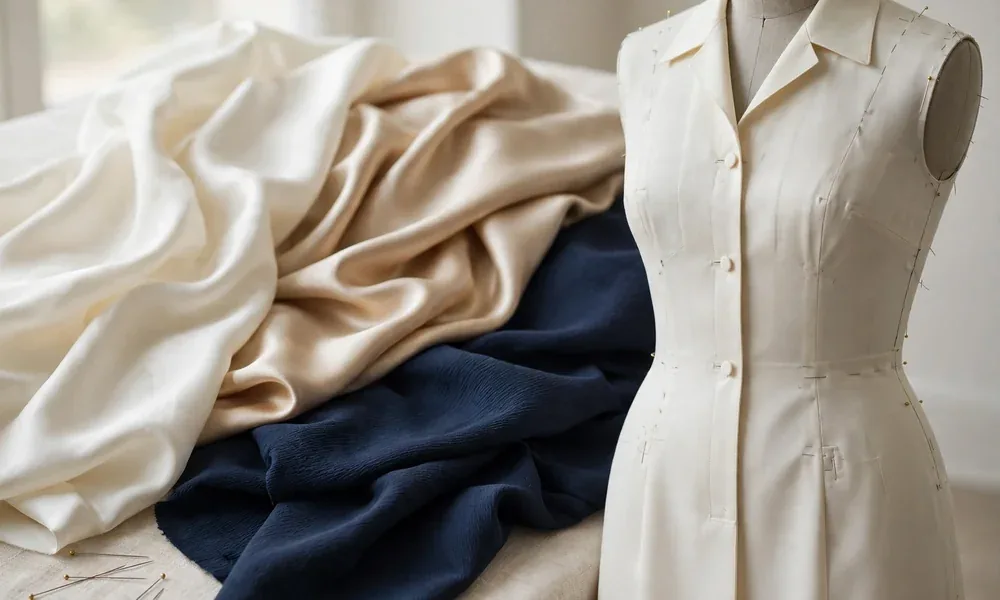
A luxury dress is not simply a more expensive version of a high-street dress. The difference starts with the fabric. Luxury houses buy silk, wool crepe, chiffon and lace from specialist mills, often in exclusive weaves and colours, chosen for how the cloth drapes and holds its shape, not just how it looks on a hanger.
Construction is the second difference, and it is the one you feel most. Seams are finished so they do not chafe, linings are cut to match the outer fabric so a dress moves as one piece, and hems are weighted or hand-finished so a skirt hangs evenly. Zips are set invisibly, bodices are structured where they need support, and straps are placed so they stay put.
The third difference is design consistency. The best houses have a clear, recognisable point of view that runs through every collection, so a dress from a given brand tends to suit the same kind of woman season after season. That consistency lets you learn which houses cut for your shape and which ones you can trust. Our guide to slip dresses that drape beautifully shows the same principle at a smaller scale, because a simple silk slip reveals good cutting more honestly than any embellished gown.
What to look for in a luxury dress brand
Start with the silhouette, not the label. Look at the shapes a house returns to again and again: the A-line, the sheath, the fit-and-flare, the column, the shirt dress. A house that has made the same silhouette well for twenty years will usually make it better than a house trying it for the first time. If you already know which shapes suit you, let that narrow the field before you look at price or prestige.
Look next at fabric and lining. Read the composition label, not just the description. Pure silk, wool crepe and high-quality cotton behave differently from blends, and a fully lined dress will usually sit better and last longer than an unlined one. Check the care label too, because many luxury dresses need dry cleaning.
Finally, consider the occasion and the cost per wear. A formal gown worn once is a different purchase from a tailored midi dress worn twenty times a year. The brands below are ordered by their overall strength and range, and each profile notes the silhouettes, fabrics and occasions where that house is at its best, so you can match the brand to the life the dress will actually lead.
Chanel
What we like: Impeccable tailoring, beautiful tweed and silk, and a timeless elegance that rarely dates. Chanel dresses are designed to be worn, not just admired, with comfortable cuts, thoughtful linings and a polish that works for day and evening alike.
What to consider: Premium pricing, typically from around $5,000 for a ready-to-wear dress, and a classic aesthetic that suits some women more than others. The most recognisable styles are also the most copied, so buy from the house or an authorised retailer. Signature silhouettes: Tweed sheath dresses, A-line day dresses, elegant black dresses. Fabrics: Tweed, silk, crepe, jersey. Occasions: Daytime events, lunches, weddings, formal dinners.
Chanel remains the benchmark for a reason. The dresses are among the most reliable in this guide, and a well-chosen Chanel dress can anchor a wardrobe for a decade.
Dior
What we like: Feminine, sculpted silhouettes with a strong heritage, from the cinched waist of the New Look to modern, fluid midi dresses. Dior excels at dresses that feel romantic without feeling fragile, with beautiful fabrics and careful finishing.
What to consider: Prices typically start from around $4,000, and the most fitted styles need accurate sizing and, ideally, a fitting. Some designs are more formal than they first appear, so check the occasion before you commit. Signature silhouettes: Fit-and-flare, full-skirted midi, tailored shirt dresses. Fabrics: Silk, wool crepe, cotton poplin, tulle. Occasions: Weddings, formal occasions, elegant daytime events.
Dior is the house to choose when you want a dress to feel like an occasion in itself, and it is a strong choice for a milestone event.
Valentino
What we like: Romantic, flowing dresses in rich colour, with exceptional chiffon, lace and embellishment. Valentino is at its best when a dress is meant to be noticed, and the house has a rare talent for colour, from its signature red to soft blush and bold jewel tones.
What to consider: Prices typically start from around $4,000, and the most embellished styles need careful storage and professional cleaning. The romantic look is distinctive, so it suits women who enjoy it rather than those who prefer understatement. Signature silhouettes: Flowing maxi dresses, ruffled midi dresses, lace gowns. Fabrics: Chiffon, lace, silk crepe, tulle. Occasions: Evening events, weddings, galas, celebrations.
For a dress that makes an entrance, Valentino is hard to beat. Choose it when the occasion deserves drama.
Saint Laurent
What we like: Sharp, confident tailoring with a rock-chic edge. Saint Laurent dresses are sleek and modern, with strong shoulders, clean lines and a silhouette that suits evening as well as it suits a smart dinner. The house is particularly strong on black dresses and on styles that flatter a tall, lean frame.
What to consider: Prices typically start from around $3,000, and the slim, sharp cuts can run narrow, so sizing up or trying on is wise. The aesthetic is bold and minimal, which is not the right choice for every occasion. Signature silhouettes: Slim column dresses, tuxedo dresses, short shift dresses. Fabrics: Silk, crepe, velvet, leather. Occasions: Evening events, cocktail parties, dinners, city occasions.
Saint Laurent is the brand for a woman who wants to look polished without looking soft. A single dress with simple heels and minimal jewellery is often all an evening needs.
Gucci
What we like: Playful, eclectic designs with rich prints, embroidery and colour. Gucci dresses are distinctive and full of personality, and the house is strong on both flowing maxi dresses and shorter, more casual styles that still feel luxurious.
What to consider: Prices typically start from around $2,500, and the boldest prints date faster than a plain design, so choose a print you will still love in three years. The eclectic style is not for everyone, and it needs confident styling. Signature silhouettes: Printed maxi dresses, pleated midi dresses, shirt dresses. Fabrics: Silk, cotton, chiffon, velvet. Occasions: Holidays, parties, daytime events, creative occasions.
Gucci is the most fun house in this guide. If you want a dress with character, Gucci delivers it with luxury fabrics and careful construction behind the playfulness.
Alexander McQueen
What we like: Dramatic, sculptural design with exceptional tailoring and a dark, romantic edge. McQueen dresses are works of construction as much as fashion, with corsetry, structured bodices and silhouettes that hold their shape beautifully.
What to consider: Prices typically start from around $2,500, and the most dramatic styles are statement pieces rather than everyday dresses. Fitted designs need a good fit, and some fabrics and finishes need professional care. Signature silhouettes: Structured cocktail dresses, sculpted gowns, tailored shirt dresses. Fabrics: Wool crepe, silk, lace, brocade. Occasions: Evening events, galas, formal dinners, fashion occasions.
McQueen is the choice when you want a dress that is also a piece of design. The tailoring is among the best in this guide, and the silhouettes are unforgettable.
Oscar de la Renta
What we like: Joyful, polished elegance with beautiful colour, embroidery and floral detail. Oscar de la Renta dresses are made for celebration, with a lightness and a sense of occasion that few houses match, and the house is especially strong on occasion dresses and gowns.
What to consider: Prices typically start from around $4,000, and the most ornate styles are best reserved for formal events. The feminine, polished look is distinctive, so it suits women who enjoy it. Signature silhouettes: Full-skirted cocktail dresses, embroidered gowns, floral midi dresses. Fabrics: Silk faille, organza, lace, embroidered tulle. Occasions: Weddings, galas, formal celebrations, garden parties.
For a wedding, a gala or any celebration where the dress should feel joyful, Oscar de la Renta is a natural first choice.
The Row
What we like: Quiet, understated luxury with exceptional fabrics and a perfect, relaxed fit. The Row makes dresses for women who prefer quality to display, with clean lines, beautiful wool, silk and cotton, and a calm elegance that works everywhere.
What to consider: Prices typically start from around $2,000, and the minimal designs can look plain if the fit is not right, so try before you buy where possible. The understated style is a strength, but it is not the choice for a dramatic occasion. Signature silhouettes: Relaxed shirt dresses, simple slip dresses, long column dresses. Fabrics: Silk, wool, cotton, cashmere blends. Occasions: Everyday luxury, work, travel, understated evening events.
The Row is the quietest name here and, for many women, the most wearable. It is the brand to choose when you want luxury that only you need to notice.
Choosing a luxury dress by occasion
For a wedding, look to Valentino, Oscar de la Renta or Dior, and choose a colour and length that suit the formality of the day. A full-skirted midi or a flowing maxi in silk or chiffon is usually right. For evening events, Saint Laurent and Alexander McQueen offer the sharpest, most confident options, while Chanel is the safest choice when you are unsure of the dress code and want to look polished without trying too hard.
For everyday luxury, The Row and Gucci are the most wearable names here. The Row suits work, travel and quiet occasions, where comfort and fabric quality matter more than display. Gucci suits holidays, parties and creative settings, where a print or a bold colour is part of the pleasure.
Fabric should follow the season as well as the occasion. Silk and chiffon suit spring and summer, wool crepe and velvet suit autumn and winter, and a lined dress is worth the extra weight in cooler months. Our guide to satin dresses is a helpful companion here, because satin shows both the strengths and the risks of a luxury fabric: beautiful shine and drape, but a surface that reveals every crease and every poor seam.
The brands at a glance
Use this table to compare the eight houses quickly, then read the full profiles above for the detail that matters to your shape, your budget and your calendar.
| Detail | What is known |
|---|---|
| Best for timeless elegance | Chanel and Dior, for classic cuts and occasion-ready polish |
| Best for evening drama | Valentino and Alexander McQueen, for flowing gowns and sculpted silhouettes |
| Best for sharp, modern tailoring | Saint Laurent, for sleek column and tuxedo dresses |
| Best for celebration dresses | Oscar de la Renta, for colour, embroidery and joyful occasion dressing |
| Best for quiet luxury | The Row, for understated fabrics, fit and everyday wearability |
| Best for personality and print | Gucci, for eclectic prints, colour and playful detail |
| Typical price range | About $2,000 to $5,000 and above for ready-to-wear, with couture and embellished gowns higher |
| What to check before buying | Fabric composition, lining, fit, care requirements and the return policy |
Price is a guide, not a verdict. A $2,500 dress worn twenty times costs less per wear than a $5,000 dress worn once, and a dress that fits well is worth more than a more expensive one that stays in the wardrobe.
Checklist: buying a luxury dress honestly
Use these checks before you buy, and again when the dress arrives.
- Check the fabric: read the composition label and feel the weight, drape and lining before you judge the style.
- Check the fit: sit, walk and raise your arms in the dress, because a dress that only works standing still is not finished.
- Check the occasion: match the length, colour and formality to the event, not to the photograph that sold it to you.
- Check the care label: confirm whether it needs dry cleaning and how often, and whether that cost and effort suit you.
- Check the details: look at the seams, the zip, the hem and the straps, because luxury is in the finishing.
- Check the return policy: keep the tags on and try it at home with the shoes and underwear you will wear, before you commit.
Frequently asked questions
Which luxury dress brand is best overall?
There is no single best brand, because the right choice depends on the occasion and your shape. Chanel and Dior are the strongest all-round choices for timeless elegance, Valentino and Oscar de la Renta lead for formal celebrations, and The Row is the best choice for quiet, everyday luxury.
How much should a luxury dress cost?
Most ready-to-wear dresses from the houses in this guide start from around $2,000 to $5,000, with embellished gowns and couture pieces costing considerably more. Judge the price against how often you will wear the dress and how well it is made, not against the label alone.
Are luxury dresses worth the price?
They can be, when the fabric, construction and fit are genuinely better and the dress is worn often. A well-made dress in a timeless silhouette that you wear for years is good value. A trend-driven dress worn once is not, however luxurious the label.
Which luxury dress brand is best for a wedding guest?
Valentino, Oscar de la Renta and Dior are strong choices for wedding guests, with elegant midi and maxi dresses in colours that suit a celebration. Our guide to wedding guest dresses can help you narrow the length and the colour, and remember to check the dress code and avoid white unless the couple have asked for it.
Do luxury dress brands run true to size?
It varies by house. Saint Laurent and Alexander McQueen tend to cut slim, while Chanel and The Row are often more forgiving. Always check the brand’s size guide, read reviews where available, and try the dress on with the shoes you plan to wear before you decide.
How should I care for a luxury dress?
Follow the care label exactly. Most silk, wool crepe and embellished dresses need professional dry cleaning, and they should be stored on a padded hanger or folded with tissue, away from direct sunlight and damp. Never machine-wash a dress that says dry clean only, and have any loose seams or buttons repaired promptly.
The bottom line
The best luxury dress brands in 2027 are not the ones with the loudest logos or the highest prices. They are the houses that make dresses well: beautiful fabrics, careful construction, and silhouettes that have been refined over years rather than invented for a season. Chanel and Dior offer timeless polish, Valentino and Oscar de la Renta offer celebration, Saint Laurent and Alexander McQueen offer drama and tailoring, Gucci offers personality, and The Row offers quiet, wearable luxury.
Choose by silhouette first, then by fabric, then by occasion, and let the brand follow those three decisions rather than lead them. A dress that fits well, suits the event and is made from a fabric you enjoy wearing will always look more luxurious than a more expensive dress that does none of those things.