
A great bottle of wine can turn an ordinary evening into a memory, and the best luxury wine brands have spent generations perfecting exactly that. They are the names that appear on milestone birthdays, at wedding tables, in cellars built slowly over decades, and on the wish lists of people who are just beginning to collect. But luxury in wine is not only about price. It is about place, patience, and a style of winemaking that cannot be rushed or copied.
The best luxury wine brands of 2027 share a few qualities: vineyards in the world’s most celebrated regions, strict limits on how much wine they make, and a house style that stays recognisable from one vintage to the next. Some are centuries-old chateaux in Bordeaux and Burgundy. Others are younger estates in Napa Valley, Tuscany, and the Barossa Valley that earned their place by making extraordinary wine year after year. All of them ask a higher price, and all of them need to justify it in the glass.
This guide covers eight houses worth knowing in 2027, from Champagne to sweet Sauternes, with honest notes on what each one does well, what to consider before you buy, and the occasions each bottle suits best. Whether you are choosing a gift, starting a small cellar, or planning a celebration dinner, you will find a starting point here.
Key takeaways
- The best luxury wine brands combine a great vineyard site, limited production, and a consistent house style that holds across vintages.
- Bordeaux, Burgundy, Champagne, Tuscany, Napa Valley, and the Barossa Valley are home to most of the world’s most sought-after luxury labels.
- Price is a guide, not a guarantee: older vintages, small production, and strong critic scores all push prices higher, while a young vintage from a great house can be better value.
- Store fine wine lying down, in a cool, dark place at a steady temperature, and serve reds slightly cool and Champagne well chilled.
- No bottle is an investment guarantee, and a luxury label does not suit every palate, so buy wines you enjoy drinking, not only wines you expect to appreciate in value.
What makes a wine a luxury wine
Luxury wine starts in the vineyard. The finest sites have the right soil, slope, and sun exposure for their grape varieties, and the best estates farm them with great care, often harvesting by hand and keeping yields low so each vine puts its energy into fewer, more concentrated grapes. That attention costs money, and it shows in the finished wine: more depth, more balance, and a character that reflects its place of origin rather than a generic recipe.
Scarcity is the second ingredient. A grand cru Burgundy vineyard may produce only a few thousand bottles a year, and a top Champagne house may release its prestige cuvee only in the best vintages. When demand from collectors, restaurants, and gift buyers outstrips that small supply, prices rise. That is why the most famous names can cost hundreds or even thousands of pounds a bottle, and why lesser-known estates in the same regions can offer a similar experience for far less.
Finally, luxury wine is about time. Great red wines need years in barrel and bottle before they show their best, and the finest Champagnes spend years ageing on their lees before release. That patience is part of what you are paying for. If you prefer something lighter, or you are buying for someone who does not drink alcohol, our guide to the best non-alcoholic wines covers thoughtful alternatives that still feel special at the table.
What to look for in a luxury wine brand
Start with the region and the style, not the label. Bordeaux reds are structured and built to age, Burgundy is all about elegance and the expression of a single vineyard, Champagne is about finesse and celebration, and Napa Valley Cabernet is rich, ripe, and generous. Knowing which style you enjoy matters more than knowing which name is most famous, because the most expensive bottle in the shop is wasted if it is not a style you like.
Look next at the vintage and the bottle’s condition. A great house in a difficult year can still make a good wine, but a strong vintage from the same house is usually the better buy. Check that the bottle has been stored well: the fill level should be high, the capsule intact, and the cork not pushing out. Buy from a reputable merchant, keep the receipt, and be wary of bargains that seem too good to be true, because counterfeit bottles of the most famous labels do exist.
Think about the occasion, too. A prestige Champagne suits a celebration, a mature Bordeaux suits a long dinner with roast meat, and a sweet Sauternes suits dessert or a quiet end to the evening. And remember that luxury is relative: if your budget is smaller, there are excellent bottles at every price, and our guide to the best inexpensive wines shows how much pleasure a modest bottle can give when it is well chosen.
The 8 best luxury wine brands of 2027
Chateau Margaux
What we like: One of Bordeaux’s five first growths, Margaux makes wines of rare perfume and finesse, with silky tannins and a balance that lets the great vintages age gracefully for decades. What to consider: Very expensive, especially in top vintages, and young bottles need many years before they show their best, so it is not a wine to open on impulse.
Region: Margaux, Bordeaux, France. Style: Elegant, aromatic Cabernet Sauvignon-led red, with blackcurrant, cedar, and violet notes. Signature bottles: Chateau Margaux grand vin, Pavillon Rouge. Occasions: Milestone anniversaries, serious collectors’ dinners, landmark birthdays.
Margaux is the most graceful of the first growths, and that elegance is its signature. A mature bottle, decanted an hour before serving, is one of the great experiences in wine, and the estate’s second wine, Pavillon Rouge, offers a gentler introduction to the house style at a lower price.
Domaine de la Romanee-Conti
What we like: The most revered name in Burgundy, making Pinot Noir of extraordinary purity and depth from tiny, walled vineyards, with a perfume and texture that no other producer quite matches. What to consider: Extremely scarce and extremely expensive, with only a few thousand bottles of its flagship wine each year, so most buyers will only ever meet it through its more accessible wines, if at all.
Region: Vosne-Romanee, Burgundy, France. Style: Ethereal, perfumed Pinot Noir, with red cherry, spice, and earthy depth. Signature bottles: Romanee-Conti, La Tache, Richebourg. Occasions: Once-in-a-lifetime celebrations, collectors’ tastings, gifts for a serious Burgundy lover.
For many wine lovers, this is the pinnacle: a wine that is felt as much as tasted. Its small production means it is rarely found on a shop shelf, so buy only through trusted merchants and expect to pay a premium for the privilege.
Dom Perignon
What we like: The prestige cuvee of Moet & Chandon, made only in declared vintages, with a creamy texture, fine bubbles, and a balance of richness and freshness that makes it the benchmark for vintage Champagne. What to consider: A vintage-only wine, so it is not released every year, and it benefits from a few years in the cellar after release, so it is not at its best the day you buy it.
Region: Champagne, France. Style: Rich, toasty vintage Champagne, with citrus, brioche, and almond notes. Signature bottles: Dom Perignon Vintage, Dom Perignon Rose. Occasions: Weddings, New Year, engagements, landmark celebrations.
Dom Perignon is the bottle most people picture when they think of luxury Champagne, and it earns that place. Served well chilled in a white wine glass rather than a narrow flute, it shows far more of its depth and complexity.
Penfolds Grange
What we like: Australia’s most famous wine, a Shiraz-led blend of extraordinary richness and structure, made since the 1950s and capable of ageing for decades, with a consistency that collectors trust. What to consider: Bold and powerful rather than delicate, so it suits lovers of full-bodied reds, and recent vintages are best cellared for ten years or more.
Region: South Australia, principally the Barossa Valley. Style: Full-bodied, powerful Shiraz, with dark plum, chocolate, and spice. Signature bottles: Grange, St Henri, Bin 707. Occasions: Big celebrations, roast dinners, gifts for lovers of bold red wine.
Grange is a wine with a story: created in secret in the 1950s, it became Australia’s flagship and a fixture in the world’s great cellars. If its price is too steep, Bin 707 and St Henri offer the Penfolds house style in a more approachable form.
Sassicaia
What we like: The wine that created the Super Tuscan category, a Cabernet-led blend from the Bolgheri coast that combines Bordeaux structure with Tuscan warmth, and ages beautifully for twenty years or more. What to consider: Prices have risen sharply as its reputation has grown, and young vintages are firm and tannic, so patience or decanting is needed.
Region: Bolgheri, Tuscany, Italy. Style: Refined, structured Cabernet-led red, with cassis, cedar, and Mediterranean herbs. Signature bottles: Sassicaia, Guidalberto, Le Difese. Occasions: Italian dinners, anniversaries, gifts for a lover of Italian wine.
Sassicaia is the bottle to choose when you want Old World elegance with a little Italian sunshine. It pairs wonderfully with roast lamb, aged cheeses, and slow-cooked Tuscan dishes, and its second wines make the house style accessible at a friendlier price.
Vega Sicilia
What we like: Spain’s most celebrated estate, whose flagship Unico is aged for years before release and combines the depth of Tempranillo with a silky, almost Burgundian finesse. What to consider: Unico is released only when the estate is satisfied, so availability is limited, and it is a wine that rewards cellaring, not quick drinking.
Region: Ribera del Duero, Spain. Style: Elegant, long-aged Tempranillo-led red, with dark fruit, spice, and fine oak. Signature bottles: Unico, Valbuena 5, Alion. Occasions: Formal dinners, Spanish celebrations, gifts for a collector of classic European wine.
Vega Sicilia’s long ageing before release is unusual and part of its charm: when you buy Unico, you are buying a wine that has already spent years maturing. Valbuena 5 is the more approachable sibling, ready sooner and easier to find.
Opus One
What we like: A Napa Valley icon born from a partnership between two wine legends, making a polished, aromatic Cabernet-led blend that balances Californian ripeness with Bordeaux structure. What to consider: A premium price that reflects its fame as much as its quality, and young vintages benefit from decanting or a few years in the cellar.
Region: Oakville, Napa Valley, California, USA. Style: Polished, generous Cabernet-led red, with blackberry, cassis, and vanilla spice. Signature bottles: Opus One, Overture. Occasions: American celebrations, steak dinners, gifts for a Napa Valley enthusiast.
Opus One is the bottle that put Napa Valley on the same footing as Bordeaux in the eyes of collectors. It is a generous, beautifully made wine, and its second label, Overture, is a softer, earlier-drinking introduction to the estate.
Chateau d’Yquem
What we like: The world’s most famous sweet wine, made from botrytis-affected Semillon and Sauvignon Blanc, with extraordinary richness balanced by bright acidity, and a lifespan measured in decades, even a century. What to consider: Sweet wine is not for everyone, and a half bottle is often enough for a small group, so buy the smaller format unless you are hosting a large dinner.
Region: Sauternes, Bordeaux, France. Style: Luscious golden sweet wine, with apricot, honey, and orange zest. Signature bottles: Chateau d’Yquem, Y (dry white). Occasions: Dessert courses, festive dinners, gifts for a lover of sweet wine.
A glass of mature Yquem with a fruit dessert or a blue cheese is one of wine’s great pairings. It is also one of the longest-lived wines in the world, so a bottle bought today can still be magnificent decades from now.
How to serve and store luxury wine
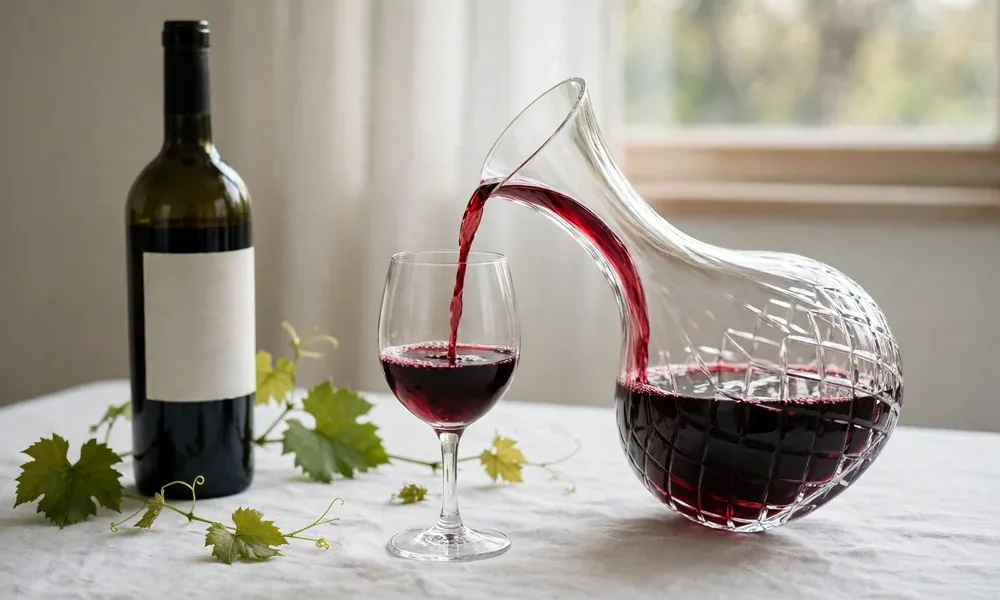
Serving matters as much as choosing. Chill Champagne and white wines well, serve red wines slightly cool at around 16 to 18 degrees, and decant mature reds an hour before drinking to let them breathe and to leave any sediment behind. Use a large, clean glass, pour modestly, and give the wine a moment in the glass before you taste it.
Storage is simpler than it sounds: keep bottles lying down so the cork stays moist, in a cool, dark place with a steady temperature, away from vibration and strong smells. A wine fridge is ideal, but a cool cupboard works for bottles you plan to drink within a year or two. In winter, a spiced red has its own place too, and our guide to mulled wine is a good companion for cold evenings when a lighter, warming drink suits the mood better than a grand bottle.
Luxury wine brands at a glance
| Brand | Region | Style | Best for |
|---|---|---|---|
| Chateau Margaux | Bordeaux, France | Elegant Cabernet-led red | Milestone dinners, long cellaring |
| Domaine de la Romanee-Conti | Burgundy, France | Perfumed Pinot Noir | Once-in-a-lifetime occasions |
| Dom Perignon | Champagne, France | Rich vintage Champagne | Weddings, New Year, engagements |
| Penfolds Grange | South Australia | Full-bodied Shiraz | Bold red lovers, big celebrations |
| Sassicaia | Tuscany, Italy | Refined Cabernet-led red | Italian dinners, anniversaries |
| Vega Sicilia | Ribera del Duero, Spain | Long-aged Tempranillo | Formal dinners, collectors |
| Opus One | Napa Valley, USA | Polished Cabernet-led red | Steak dinners, American celebrations |
| Chateau d’Yquem | Sauternes, France | Luscious sweet white | Dessert, festive dinners |
Checklist: buying a luxury wine honestly
Use these checks before you buy, and again before you open the bottle.
- Choose the style first: Bordeaux for structure, Burgundy for elegance, Champagne for celebration, Napa for generosity.
- Check the vintage and the bottle: high fill level, intact capsule, and a reputable merchant you trust.
- Match the bottle to the occasion: a grand red for a long dinner, Champagne for a toast, sweet wine for dessert.
- Plan the timing: young reds need decanting or cellaring, and prestige Champagne improves with a few years after release.
- Store it properly: lying down, cool, dark, and steady, or drink it within the year if you have no cellar.
- Buy what you enjoy drinking: a luxury label is a pleasure, not a promise, so let your palate lead, not the price tag.
Frequently asked questions
What is the best luxury wine brand for a beginner?
Dom Perignon or Penfolds Grange are good starting points. Champagne is immediately enjoyable and needs no cellaring knowledge, while Grange is bold, generous, and easy to appreciate. Start with a style you already enjoy, then explore the more delicate wines from there.
How much should I spend on a luxury bottle of wine?
There is no single answer, but a meaningful step up from everyday wine starts at around fifty pounds, while the great names in this guide range from a few hundred to several thousand pounds a bottle. Set a budget first, then buy the best bottle within it, rather than stretching for a famous label at the expense of a good vintage.
Do luxury wines always improve with age?
Most do, but not all, and not forever. Great Bordeaux, Burgundy, and Barolo-style reds improve for decades, prestige Champagne improves for years, and sweet wines like Yquem last longest of all. Check the drinking window for the vintage you buy, and do not keep a wine past its peak.
Is it worth buying a second wine from a famous estate?
Often yes. Second wines such as Pavillon Rouge, Overture, and Guidalberto are made by the same team from younger vines or declassified lots, and they offer a real taste of the house style at a much lower price, usually ready to drink sooner too.
How do I know a luxury bottle is genuine?
Buy from a reputable merchant, keep the receipt, and check the capsule, label, and fill level against the estate’s known details. Be cautious with unusually cheap offers of famous labels, and avoid buying rare bottles from unknown sellers online.
What food pairs best with luxury wine?
Match weight to weight: roast lamb or beef with Bordeaux, duck or mushroom dishes with Burgundy, shellfish or canapes with Champagne, aged cheese or fruit desserts with Sauternes. When in doubt, serve the wine with simple, well-made food and let the bottle take the lead.
The bottom line
The best luxury wine brands of 2027 are the names that have earned their reputation over decades: Margaux and Romanee-Conti in France, Dom Perignon in Champagne, Penfolds in Australia, Sassicaia in Tuscany, Vega Sicilia in Spain, Opus One in Napa Valley, and Yquem in Sauternes. Each one offers a different style, a different occasion, and a different kind of pleasure, and the right choice depends on your taste, your budget, and the moment you are marking.
Start with the style you love, buy from a merchant you trust, store the bottle well, and serve it with care. A luxury wine is at its best when it is shared, so open it with people who will enjoy it, take your time over it, and enjoy the occasion it was bought for. And as with any wine, enjoy it responsibly.