A linen throw is the quietest luxury in a living room. It does not glow like velvet or cosset like cashmere. It drapes, it wrinkles, it cools your legs on a warm evening, and after a year it looks better than the day it arrived. That slow improvement is the whole point of linen, and it is also why buying one is harder than it looks: the word linen now covers everything from a thin polyester-blend throw to a densely woven pure flax throw that will outlast the sofa it sits on.
This roundup keeps it to linen throws only: pieces sized for a sofa or a single person, roughly 50 by 60 inches, made from flax linen. Every pick is a type you can buy today from a maker that names its fibre plainly on the label, and every price below is a general band, not a listing for one product.
Linen is also the most honest of the luxury throw fibres. It creases, it softens, it fades a little in strong sun, and it tells you what it is made of if you know where to look. This guide shows how to read a label, which weave suits which room, and which of the nine linen types below earns its place on your sofa. For the wider linen picture at home, our guide to the best linen bedding sets covers sheets and duvets in the same fibre.
Key takeaways
- Nine linen throws, from a light open-weave gauze for warm rooms to a heavy slub linen for cold ones.
- A true throw is about 50 by 60 inches: big enough for one person, small enough to fold over an arm.
- Linen breathes better than any other throw fibre, so it works in summer as well as winter, but it gives less warmth than wool or cashmere.
- Check the label for the exact linen percentage: a throw sold as linen can be mostly cotton or viscose.
- Prices below are general bands, not listings, and care needs vary by weave, so check the label before buying.
What a luxury linen throw actually is
A linen throw is a throw woven from flax fibre, the long, strong fibre inside the stem of the flax plant. The best of it still comes from the flax belt of Western Europe, where the climate suits the plant and retting is done slowly in the field. Real linen is cool to the touch, slightly textured, with tiny irregularities called slubs in the yarn, and it softens with every wash.
Luxury, for linen, is not about softness on day one. A new pure linen throw can feel crisp, even a little stiff. The luxury is what happens next: after a handful of washes the fibres relax, the throw drapes like cloth instead of board, and it keeps that drape for years. A cheap linen-blend throw never makes that journey: it stays flat, pills at the edges, and looks tired within a season.
How we chose these nine throws
We started with the linen types luxury buyers return to year after year, then narrowed the list to one pick per job. Each pick had to be a type sold in a true throw size, made from linen the maker names plainly on the label. We judged on feel first, then breathability, weight, care and value. Nothing here is a laboratory test.
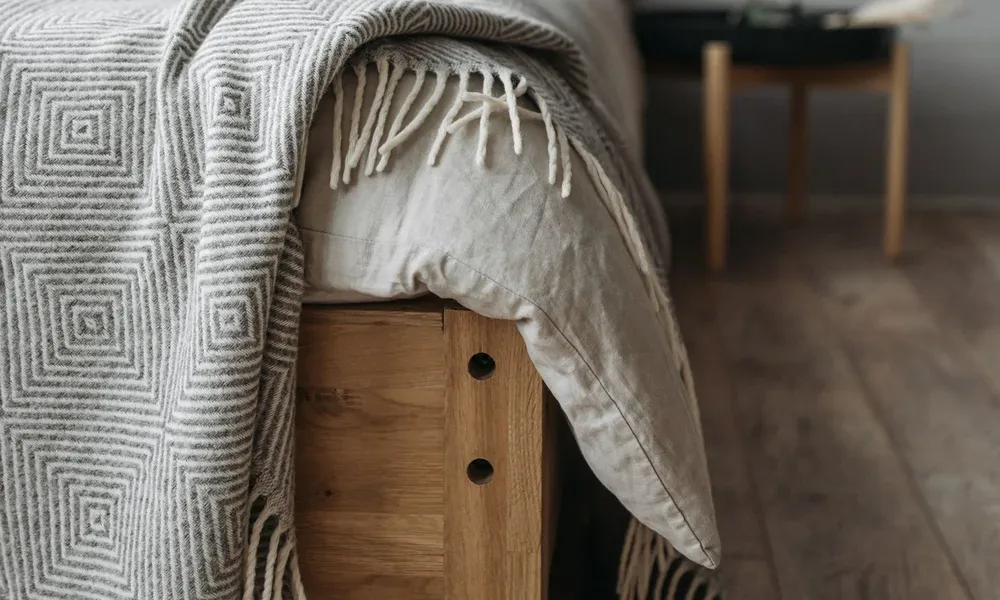
1. The Stonewashed Pure Linen Throw
What we like: The safest first luxury linen throw. Stonewashing tumbles the cloth with stones to break the fibres in, so it arrives soft and relaxed, and pure linen only gets softer. Typical band roughly $90 to $190.
What to consider: It creases more readily than a crisp plain weave, and the washed finish fades dark colours faster.
2. The Belgian Flax Plain-Weave Throw
What we like: The purist’s throw. Belgian flax is the benchmark fibre, long, fine and strong, and a plain weave shows it off: a tight, even cloth with a cool hand and a quiet matte surface. Typical band roughly $120 to $240.
What to consider: It feels firmer than a washed throw at first and needs a few washes to relax.
3. The Garment-Washed Everyday Linen Throw
What we like: The throw you will reach for most. Garment washing softens the finished throw rather than the cloth, so it arrives with a relaxed drape and a lived-in look that suits casual rooms. Expect around $80 to $170.
What to consider: The washed look is deliberate, so it will never look crisp or formal.
4. The Linen-and-Cotton Blend Throw
What we like: The practical compromise. Cotton softens linen’s crispness and tames its creasing, while linen keeps the blend breathable and hard-wearing. Typical band roughly $60 to $140.
What to consider: Check the percentages: a good blend is at least half linen.
5. The Heavyweight Slub Linen Throw
What we like: The cold-room linen. A heavyweight cloth, around 300 grams per square metre or more, with visible slubs, the thick-and-thin irregularities in the yarn, has real substance in the hand. Expect around $130 to $260.
What to consider: It is genuinely heavy, so it suits a sofa better than a bed.
6. The Open-Weave Linen Gauze Throw
What we like: The summer throw. A loose, open gauze weave lets air move freely, so it feels cool against skin even on a warm evening, and it folds down to almost nothing. Typical band roughly $70 to $150.
What to consider: It is a layer, not a blanket, and the open weave can snag.
7. The Raw Undyed Flax Throw
What we like: Linen with nothing added. Undyed flax comes in natural shades of oatmeal, grey and warm brown that never clash with a room and hide wear well. No dye means no fading and no colour transfer onto pale sofas. Expect around $90 to $180.
What to consider: Undyed linen shows stains more readily, so act fast after a spill.
8. The Ticking-Stripe Linen Throw
What we like: The classic. Ticking stripes, the narrow woven stripes first used on mattress covers, give a plain linen throw a tailored, quietly expensive look. The stripe also hides creases and wear. Typical band roughly $80 to $170.
What to consider: Stripes need to run straight: a wonky stripe signals a loosely woven cloth.
9. The Basketweave Linen Throw
What we like: The most textured throw here. A basketweave, pairs of yarns woven over and under in blocks, gives linen a chunky, handwoven look and a springy hand, while staying breathable. Expect around $100 to $200.
What to consider: The open weave lets air through, so it is less warm than its bulk suggests.
Linen, explained: flax, weave and the crease question
Linen is not a weave or a finish. It is a fibre, flax, and almost everything about a linen throw follows from that one fact. Flax fibres are long, straight and strong, which is why linen cloth is so durable and why it softens instead of breaking down: the fibres are too long to pill the way short fibres do, and each wash flexes them a little looser. That is also why linen feels cool: the fibres conduct heat away from skin, so a linen throw never traps heat the way wool does.
The weave decides how that fibre behaves in your hands. A plain weave is tight, crisp and formal. A stonewashed or garment-washed finish breaks the fibres in early and trades crispness for softness. A slub yarn keeps the natural thick-and-thin texture of the plant, while a gauze weave opens the cloth up for air. The one number to check is weight in grams per square metre: around 200 is light and summery, 250 to 300 is the everyday sweet spot, and above 300 is heavy and winter-weight. For the coldest rooms, though, linen is not the warmest choice, and our roundup of the best luxury wool throws covers the fibres that insulate best.
The caveats that matter
Linen is forgiving, but a few facts decide whether a throw becomes a favourite or a cupboard resident.
| Detail | What is known |
|---|---|
| Stonewashed Pure Linen | Softest from day one, $90 to $190, creases readily, colours fade faster in sun. |
| Belgian Flax Plain-Weave | Crispest and longest-lived, $120 to $240, needs a few washes to relax. |
| Garment-Washed Everyday | Most relaxed drape, $80 to $170, paler colours, never looks formal. |
| Linen-and-Cotton Blend | Easiest to live with, $60 to $140, check it is at least half linen. |
| Heavyweight Slub Linen | Warmest linen here, $130 to $260, heavy, catches dust and pet hair. |
| Open-Weave Gauze | Coolest and lightest, $70 to $150, a layer not a blanket, can snag. |
| Raw Undyed Flax | No dye, no fading, $90 to $180, shows stains, small colour range. |
| Ticking-Stripe and Basketweave | Most decorative, $80 to $200, stripes hide creases, basketweave dries slowly. |
Checklist: before you buy a luxury linen throw
- Measure your sofa first: a 50 by 60 inch throw suits one person.
- Read the label, not the marketing: pure linen should say 100 percent linen or 100 percent flax.
- Touch it against bare skin if you can: good linen feels cool and smooth, while a stiff, papery throw may be a low-grade blend.
- Check the weight in grams per square metre: around 250 to 300 is the everyday sweet spot.
- Decide who will clean it: most linen is machine washable cold, but never use a hot dryer.
- Fold it before you buy the colour: a throw spends most of its life folded over an arm, and washed linen looks best in soft or natural shades.
Frequently asked questions
What size is a luxury linen throw?
Most luxury linen throws are about 50 by 60 inches, which covers one person on a sofa. Larger throws, around 60 by 80 inches, suit two people. Anything much larger is a bed blanket; see our roundup of the best luxury throw blankets.
Is linen warmer than wool?
No. Linen is cooler and more breathable than wool, which is why it suits warm rooms and summer evenings. Wool insulates far better in deep cold, so for a cold living room choose wool, and for a light layer against bare skin choose linen.
Can you machine wash a linen throw?
Most linen throws can be machine washed on a cold, gentle cycle, one of linen’s advantages over cashmere and silk. Use a mild detergent, skip fabric softener, and dry the throw flat or on a line. A hot dryer will shrink linen and set creases in hard, so always check the label first.
Why does linen wrinkle so much?
Linen wrinkles because flax fibres have very little elasticity, so a fold leaves a mark instead of springing back. It is normal, not a fault, and washed, slub and gauze linens are designed to look relaxed. A linen-and-cotton blend wrinkles less.
How can I tell if linen is real?
Read the label first: genuine linen should say 100 percent linen or 100 percent flax. Real linen feels cool to the touch, has visible slubs, the tiny thick-and-thin irregularities in the yarn, and creases when you scrunch it. A throw far below $50 claiming to be pure linen deserves a hard look at the label.
How long does a linen throw last?
A good linen throw cared for properly can last a decade or more, and it usually looks better after a year than it did new. The keys are cold gentle washing, drying flat or on a line, and storing it clean and dry. Keep it out of strong direct sun.
The bottom line
If you buy one linen throw, buy for the room you actually sit in. A stonewashed pure linen throw is the safest first buy, a garment-washed throw is the one you will reach for every day, and a heavyweight slub linen throw is the one for cold rooms. The nine types here cover all three jobs, plus the summer, blend and undyed options.
Start with size and care, then choose the weave, and let colour come last. A throw that feels cool against skin, folds neatly over your sofa arm and survives a cold wash will be used every day. Check the label, check the weight, and buy the linen, not the story on the tag.
Note: Prices in this guide are typical bands from brand listings and published retail coverage in late 2026, not live prices. Check the listing before buying, because makers change prices and care instructions.
Meet Our Experts
Our home and lifestyle editors cover textiles, interiors and slow living, and this guide was put together from brand listings, published retail coverage and the care labels of the linen types it describes. We do not invent testers or testing programmes, and where a claim comes from a maker, we say so.
Why Trust BrassSmile
BrassSmile’s luxury home guides are written from verifiable specifications: fibre content, weave, weight and care instructions as published by makers and retailers. We compare types on the same terms, flag blends that hide behind a fibre name, and update prices as bands rather than pretending a single listing speaks for the whole market.
Sources
Brand and retailer listings for linen throws, including published fibre compositions, weights and care instructions; The Spruce; Good Housekeeping; Architectural Digest; Elle Decor; House Beautiful; Martha Stewart Living; Veranda.