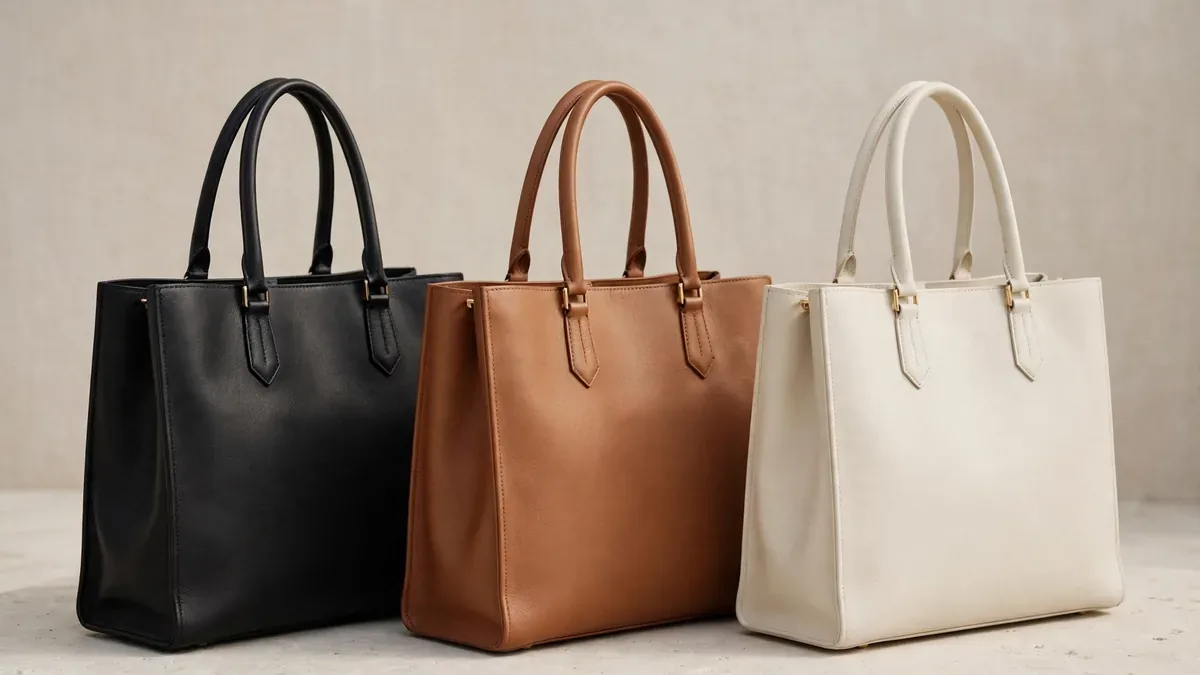

Best Luxury Tote Bag Brands
The best luxury tote bag brands earn their place the way a good coat does: they are carried daily, they hold up under real use, and they still look right five years later. A tote is the most practical shape in luxury handbags, yet the gap between a well-made one and an overpriced one is wide. The difference sits in the leather, the handles, the hardware, and the way the bag keeps its shape when it is full.
This guide looks at the houses that consistently deliver on those points. Some are heritage maisons with waiting lists and resale values that rival fine jewellery. What they share is a track record of quality and designs that have survived more than one fashion cycle.
Read the brand profiles if you already know roughly what you want. Read the buying sections first if this is your first luxury tote.
Key takeaways
- Hermès, Chanel and Goyard lead on resale value and long-term demand, while Saint Laurent, Bottega Veneta and Prada offer stronger value at the point of purchase.
- Grained calfskin and vegetable-tanned leather age best; coated canvas is lighter and more weather-resistant but rarely develops the same patina.
- Handle construction matters more than it looks: stitched, reinforced handles with a comfortable drop carry heavy loads without stretching or digging in.
- Weight is the most common regret with luxury totes — a structured leather tote can weigh over a kilogram before anything is put inside it.
- Caveat: no luxury tote is a guaranteed investment — prices and resale values shift with demand, so buy the bag you will actually carry.
What this guide covers
This guide covers eight luxury houses whose tote bags are widely stocked, widely resold and widely discussed by collectors: Hermès, Chanel, Saint Laurent, Louis Vuitton, Goyard, Bottega Veneta, Prada and The Row. Each profile explains what the brand does well, what to watch out for, and where the bag sits in the market, so you can compare them on equal terms rather than on reputation alone.
We focus on full-size totes designed for daily use — bags that fit a laptop, a wallet, a phone and the rest of a day’s essentials. If you are weighing a tote against other shapes, our guide to the best investment bags of 2027 sets out how different silhouettes hold their value and which ones suit daily use.
How we chose

We started with the brands that appear most often in resale data, boutique bestseller lists and collector discussions, then narrowed the list to houses with a tote in continuous production for several years. A bag that survives multiple seasons tells you more than a debut that has not yet been tested by daily wear.
For each brand we looked at four things: the quality of the materials, the construction of the handles and base, the practicality of the interior, and the bag’s standing on the resale market, assessed from published resale platform data and auction results. We did not treat resale value as a promise — some of the best-made totes here are not the best resale performers.
What to look for
The leather should feel even and supple, with no thin patches at the folds. The handles should be stitched rather than glued and sit comfortably without twisting. The base should be reinforced so the bag stands upright.
Hermès
What We Like: Hermès sets the standard for leather craftsmanship. The Garden Party and the Picotin are the house’s most accessible totes, made from Negonda, Clemence and Taurillon leather that is thick, lightly grained and resistant to scratches. Stitching is done by hand with linen thread, and the bags can be repaired by the house for decades.
What to Consider: Hermès totes are expensive relative to their size, and the most desirable colours are allocated through boutiques rather than sold freely online. The Garden Party has an open top, which some owners love for easy access and others find too exposed for a commute.
Hermès has made leather goods since the nineteenth century and still trains its artisans in-house.
The caveats are price and access: a Garden Party typically costs several thousand pounds. Resale values are strong, often 80 percent or more of retail for popular colours.
Chanel
What We Like: Chanel’s Deauville tote combines the house’s signature quilting with a genuinely practical shape. The large size fits a laptop, the canvas and leather versions are lighter than most leather totes, and the chain handles give it a recognisable identity that holds up well on resale.
What to Consider: Chanel raises prices regularly, and the Deauville has seen some of the steepest increases in the range. The canvas version can show wear at the corners, the light-coloured linings mark easily, and the chain handles are less comfortable than leather handles when the bag is heavy.
Chanel’s leather goods are made in France and Italy. The Deauville began as a beach bag and evolved into a daily tote, which explains its relaxed structure and generous capacity.
The main caveat is cost against capacity, and resale depends heavily on colour — classic black caviar leather holds up best, while seasonal prints are harder to resell.
Saint Laurent
What We Like: Saint Laurent’s Shopping tote is one of the best value propositions in luxury. The leather is smooth, the shape is clean and architectural, and the large size swallows a laptop without looking bulky. The price sits well below Hermès and Chanel for a comparable size.
What to Consider: The open top and minimal interior organisation mean small items can disappear to the bottom. The smooth leather shows scratches more readily than grained leather, and the bag’s structure softens over time, which some owners love and others find untidy.
Saint Laurent’s leather goods are produced in Italy, and the Shopping tote has become a quiet staple of the range.
Caveats are modest: scratch visibility, a softening structure and a sparse interior, though an organiser insert solves the last of these.
Louis Vuitton
What We Like: Louis Vuitton’s Neverfull is the best-selling luxury tote in the world for a reason. The coated canvas is light, water-resistant and almost impossible to damage, the bag folds flat for travel, and the cinch straps let you change its silhouette. Resale demand is constant.
What to Consider: The thin leather handles can feel uncomfortable under a heavy load, and the vachetta leather trim darkens with sun and handling — a patina some love and others dislike. The open top offers no security, and the bag’s popularity means counterfeits are widespread.
Louis Vuitton has made the Neverfull since 2007, and it remains the house’s entry point for many first-time luxury buyers. Its lightness is a genuine advantage.
The caveat that matters most is authenticity. Buy from the boutique, a reputable department store or a reseller with a documented authentication process. The second caveat is comfort: the thin handles may not suit a heavy laptop load.
Goyard
What We Like: Goyard’s Saint Louis tote is the lightest full-size luxury tote you can buy. The hand-painted Goyardine canvas weighs almost nothing, the bag folds flat, and the chevron pattern is distinctive without being loud. The house sells through boutiques only, with no advertising or e-commerce.
What to Consider: The Saint Louis has no zip, almost no interior pockets, and a deliberately soft structure, so it slouches when set down. The canvas can scuff at the corners, and the leather trim needs conditioning to stay supple. Availability is limited because Goyard sells only through its own boutiques.
Goyard was founded in Paris in 1853 as a trunk maker, and the Saint Louis descends from that tradition: a light, strong, packable bag for travel.
The Saint Louis is a superb travel and beach tote, but as a daily work bag it needs an organiser insert. Resale values are strong, particularly for classic colours.
Bottega Veneta
What We Like: Bottega Veneta’s woven Intrecciato leather is one of the most recognisable textures in luxury, and one of the most durable. The large totes, including the Arco and the Cabat, are made from supple calfskin that resists scratches far better than smooth leather. The weaving is done by hand, and there are no visible logos.
What to Consider: Bottega Veneta totes are heavy. The woven leather and structured shape add up, and a full large tote can be tiring to carry on the shoulder for a long day. Prices are high, and the house’s quiet profile means resale values, while respectable, do not match Hermès or Chanel.
Bottega Veneta has woven leather in the Veneto since 1966. The Cabat is made in a single piece and takes days to complete — handwork that explains the price.
The caveat is weight, followed by cost — try the bag loaded before you buy. Repairs to woven leather also require specialist handling.
Prada
What We Like: Prada’s Galleria tote is a study in practical luxury. The Saffiano leather is textured, scratch-resistant and easy to clean, the shape is structured enough to stand upright, and the interior has a proper zip pocket, compartments and a detachable pouch. It is one of the most organised totes in this guide.
What to Consider: Saffiano leather divides opinion: some buyers love its crosshatch texture and resilience, others find it less luxurious to the touch than smooth calfskin. The structured shape does not expand much beyond its stated capacity, and the logo plaque is more visible than on the quieter bags here.
Prada has made the Galleria since 2007, naming it after the Galleria Vittorio Emanuele II in Milan. The design is functional and architectural, built around a working wardrobe.
Caveats are few: the Saffiano finish can make repairs more visible, and resale values are moderate — typically around half of retail — so buy it to use, not to resell.
The Row
What We Like: The Row’s totes, including the Park tote and the Margaux, are the quietest luxury in this guide. The leather is superb — soft, full-grain calfskin with a natural hand — the shapes are architectural without being stiff, and the branding is essentially invisible. For a sense of how the same understated approach works across bag shapes, our guide to the best versatile bags of 2027 includes several pieces that share this philosophy.
What to Consider: The Row is expensive for a brand with no visible logo, which can feel like a lot to pay for discretion. The soft structure means the bag can lose its shape if overfilled, and pale leather stains easily.
The Row was founded by Ashley and Mary-Kate Olsen in 2006 and named after London’s Savile Row. The Margaux has become a collector favourite, praised for its proportions and suede-lined interior.
The caveat is that you are paying for material and construction rather than recognition or resale, so the purchase makes sense if you plan to keep the bag for years.
Background
The tote bag began as a workhorse. The word comes from “tote”, meaning to carry, and early totes were plain canvas carriers used by grocers, sailors and shoppers. Luxury houses adopted the shape in the twentieth century, drawing on their trunk-making heritage.
Leather technology has shaped the market as much as design. Saffiano leather, developed by Mario Prada, gave totes a scratch-resistant surface. Coated canvas, perfected by Louis Vuitton and Goyard, made them light and weatherproof. Vegetable tanning, still used by Hermès and The Row, gave them a patina that improves with age.
The caveats that matter
Every luxury tote has a weakness, and the honest way to choose is to match the weakness you can live with to the strength you need most. The table below summarises the trade-offs; prices are indicative retail ranges, and resale figures are approximate ranges from published resale data rather than guarantees.
| Brand | Signature tote | Indicative price | Weight | Closure | Resale strength | Main caveat |
|---|---|---|---|---|---|---|
| Hermès | Garden Party | £3,000–£4,500 | Medium | Open | Very strong | Price and boutique access |
| Chanel | Deauville | £4,500–£6,000 | Medium | Open with pouch | Strong | Frequent price rises |
| Saint Laurent | Shopping tote | £1,800–£2,500 | Medium | Open | Moderate | Scratches show on smooth leather |
| Louis Vuitton | Neverfull | £1,300–£1,800 | Light | Open | Strong | Counterfeits are widespread |
| Goyard | Saint Louis | £1,500–£2,000 | Very light | Open | Strong | No pockets or structure |
| Bottega Veneta | Arco / Cabat | £3,500–£7,000 | Heavy | Open | Moderate | Weight and repair cost |
| Prada | Galleria | £3,000–£4,000 | Medium | Zip top | Moderate | Saffiano texture divides opinion |
| The Row | Margaux / Park | £3,500–£5,000 | Medium | Open | Moderate | Soft shape; limited resale |
Two patterns stand out. First, almost every luxury tote has an open top, which means security is a genuine consideration on public transport and in crowds. Prada’s zip-top Galleria is the exception in this guide, and it is worth prioritising if you commute. Second, the lightest bags — Goyard and Louis Vuitton — use coated canvas, while the heaviest use thick woven or structured leather.
Checklist
- Check the handles: look for even, dense stitching and reinforcement where the handles meet the body, and carry the bag loaded before you buy.
- Measure your laptop against the interior, not the exterior — a 14-inch laptop needs roughly 35 centimetres of usable width.
- Inspect the leather or canvas in natural light, looking for thin patches, uneven colour and scratches that were already there before you touched it.
- Decide on closure before you fall in love with a design: an open top is convenient but exposed, while a zip top is secure but slower to access.
- Ask about aftercare and repairs, including cost and turnaround time, because a daily tote will need conditioning or stitching at some point.
- Verify authenticity before you pay, especially for Louis Vuitton, Chanel and Hermès — our guide to buying your first investment bag without regret walks through the checks that matter most.
FAQ
Which luxury tote bag brand is best overall?
There is no single best brand, because the right tote depends on what you carry and how you carry it. Hermès leads on craftsmanship and resale, Louis Vuitton leads on lightness and practicality, and Prada leads on organisation and security.
Are luxury tote bags worth the money?
A luxury tote is worth the money if you carry it most days for several years, because the cost per use falls quickly and the materials age better than cheaper alternatives.
Which luxury tote holds its value best?
Hermès totes hold their value best, often retaining 80 percent or more of their retail price in popular colours and leathers. Chanel and Louis Vuitton follow, with strong and consistent demand. Goyard also performs well, particularly in classic colours.
What size luxury tote should I buy?
A medium or large tote, roughly 35 to 40 centimetres wide, suits most daily use, including a laptop, a wallet, a phone and a few extras. A small tote works well if you carry light, while an extra-large tote can look oversized and become heavy.
How do I care for a luxury leather tote?
Keep it out of prolonged direct sunlight, store it stuffed with tissue paper so it keeps its shape, and condition smooth leather every few months with a product recommended by the brand. Wipe coated canvas with a damp cloth rather than using leather conditioner.
Should I buy a luxury tote new or pre-owned?
Buying new gives you a guarantee and the exact colour and material you want. Buying pre-owned can save a substantial amount, particularly for Chanel and Hermès, where prices have risen faster than resale values. If you buy pre-owned, use a reseller with documented authentication and check the handles and corners carefully.
The bottom line
The best luxury tote bag brands are the ones that treat a tote as a working object first and a status object second. Hermès and The Row lead on leather and craftsmanship, Louis Vuitton and Goyard lead on lightness, Prada leads on organisation, and Chanel, Saint Laurent and Bottega Veneta each offer a distinct balance of design, quality and price. The right choice is the one whose strengths match your daily life and whose weaknesses you can live with.
Before you buy, carry the bag loaded, check the handles and the base, confirm the closure suits your commute, and buy from a source you trust. A tote is the bag you will reach for most often, so the small details — the weight on your shoulder, the ease of finding your keys, the way the leather ages — matter more than the name on the label.
Meet Our Experts
Our fashion editors cover luxury accessories, leather goods and the brands behind them, drawing on boutique visits, resale market data and published industry reporting. Articles are reviewed for accuracy and relevance before publication.
Why Trust BrassSmile
BrassSmile covers fashion, beauty and luxury with a focus on practical, accurate buying advice. We name the trade-offs as well as the strengths, we check prices and availability against current listings, and we update our guides when brands change their ranges or pricing.
Sources
Hermès, Chanel, Saint Laurent, Louis Vuitton, Goyard, Bottega Veneta, Prada, The Row, Vogue, Harper’s Bazaar, Elle, Business of Fashion, The RealReal, Vestiaire Collective.