

A nose cuff is the easiest way to try the nose jewellery look without committing to a piercing. It clips gently onto the side of the nostril, sits where a ring would, and comes off at the end of the day. For a beginner, that is the whole appeal: you get to see how the style suits your face, how it feels to wear, and whether you want to keep it, all before making any permanent decision.
The problem for a first-time buyer is not choice, it is fit. A cuff that is too loose slides around and looks untidy. A cuff that is too tight pinches, leaves a mark, and ends up in a drawer. The metal, the clip, and the size of the curve all matter more than the price tag, and the cheapest options are often the ones that grip worst.
Below are nine nose cuffs worth considering in 2027, chosen for beginners: comfortable clips, secure fits, gentle metals, and designs that look like real jewellery rather than a costume piece. Each one is described by what it is good at, what to watch for, and who it suits best, so you can choose with confidence on your first try.
Key takeaways
- A nose cuff clips on and comes off, so no piercing is needed and nothing is permanent.
- Fit matters most: a good cuff grips the nostril gently without pinching or sliding.
- Implant-grade titanium and sterling silver are the kindest metals for sensitive skin.
- Start with a slim, simple cuff before trying stones, double cuffs, or statement sizes.
- A clip-on cuff does not replace a piercing, and if you do have a piercing, wait until it is fully healed before changing the jewellery in it.
What beginner nose cuffs actually are
A nose cuff is a small curved piece of metal that grips the edge of the nostril from the outside. Most designs are a slim open hoop with a springy clip, or a small band that hugs the curve of the nose. There is no needle, no hole, and no healing time. You slide it on, adjust the tension once, and take it off whenever you like.
That makes cuffs the natural starting point for anyone curious about nose jewellery. You can wear one to a party, to work, or for a single evening out, then decide whether the look is for you. If you already have a piercing, a cuff can also be worn on the other nostril for a layered look, but it should never be forced onto a sore or healing piercing.
Beginners often confuse cuffs with rings and screws, which pass through a piercing. The difference matters. A cuff rests on the skin, so its comfort depends entirely on the clip. A good beginner cuff uses a soft, even grip, while a poor one presses in one spot and aches within the hour.
Try your first cuff at home before wearing it out. Put it on in the morning, wear it while you get ready, and notice whether you keep touching it or forgetting it. A cuff you forget is a cuff that fits. A cuff you keep adjusting is the wrong size or the wrong clip, and no amount of getting used to it will fix that.
How we chose these nose cuffs and what to look for
Look first at the clip. A beginner-friendly cuff has a smooth, rounded clip with gentle spring tension, not a sharp edge or a stiff hinge. It should sit flat against the nostril and stay put when you talk, smile, or laugh. If you have to keep checking it in the mirror, the clip is wrong for you.
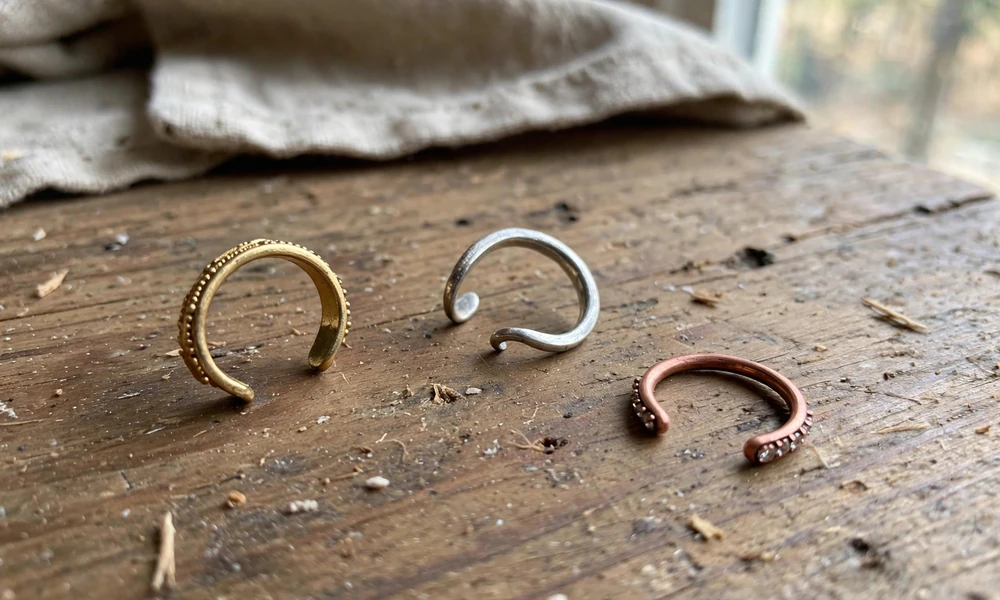
Look next at the metal. Implant-grade titanium is the safest all-round choice for sensitive skin, and sterling silver is a classic that suits most people. Gold-tone steel is fine for occasional wear, but if your skin reacts easily, choose a solid, named metal rather than a plated mystery alloy. Our roundup of the best nose cuffs for women covers the same metals in more detail, including which finishes hold up best with daily wear.
Finally, look at the size. A beginner cuff should be slim and small, with a curve that matches your nostril rather than fighting it. Bold cuffs, wide bands, and heavy stones look striking in photos but are harder to keep comfortable for a full day. Start simple, learn what fits, and save the statement pieces for later.
The 9 best nose cuffs for beginners of 2027
The Classic Polished Steel Cuff
What we like: A slim, polished steel cuff with a gentle clip, easy to put on, comfortable for hours, and priced for a first try. What to consider: Plain by design, so it suits everyday wear rather than evening looks. Best for: First-time wearers. Material: Stainless steel. Price range: Under $15. Standout feature: Smooth, rounded clip that grips without pinching.
This is the cuff to buy if you have never worn one before. It is light, it stays put, and it gives you an honest sense of whether you like the look without asking much of your wallet.
The Slim Gold-Tone Seamless Cuff
What we like: A thin gold-tone cuff that reads as a delicate ring, warm against most skin tones, with a soft spring clip. What to consider: Gold-tone plating can wear with daily use, so it is best kept for regular rather than constant wear. Best for: Warm skin tones and evening outfits. Material: Gold-tone stainless steel. Price range: $15 to $25. Standout feature: A seamless look that hides the clip.
If you want your first cuff to feel like jewellery rather than a trial, this is the one. It looks polished in photos and pairs well with gold earrings and warm makeup.
The Tiny Crystal Cuff
What we like: A small cuff with a single tiny crystal at the front, just enough sparkle to catch the light without shouting. What to consider: The stone adds a little weight, so check the clip feels even on both sides. Best for: Parties and special occasions. Material: Stainless steel with a cubic zirconia stone. Price range: $18 to $30. Standout feature: One small stone, set low so it stays comfortable.
A crystal cuff is a good second purchase, or a good first one if you know you like sparkle. Keep the stone small: a big stone on a beginner cuff is the fastest way to a sore nostril.
The Titanium Everyday Cuff
What we like: Implant-grade titanium, feather-light, and kind to sensitive skin, with a clip tuned for all-day wear. What to consider: Fewer colour choices than plated steel, and a slightly higher price. Best for: Sensitive skin and daily wear. Material: Implant-grade titanium. Price range: $20 to $35. Standout feature: Hypoallergenic metal with a truly gentle grip.
If your skin reacts to most jewellery, start here. Titanium is the metal piercers trust, and in a cuff it means you can wear the look all day without thinking about it.
The Sterling Silver Hinged Cuff
What we like: A sterling silver cuff with a small hinge, so it opens and closes cleanly and sits evenly on the nostril. What to consider: Silver tarnishes if left damp, so dry it after wear and store it in a pouch. Best for: Cool skin tones and classic styling. Material: Sterling silver. Price range: $25 to $40. Standout feature: A hinged clip that adjusts to your nostril.
Silver suits beginners who like a cool, clean look. The hinge makes fitting easy, and the metal ages gracefully if you look after it.
The Rose Gold-Tone Cuff with a Pearl
What we like: A rose gold-tone cuff with a tiny pearl at the front, soft, romantic, and easy to wear with blush-toned makeup. What to consider: The pearl is delicate, so avoid perfume and hairspray directly on the cuff. Best for: Romantic and bridal-inspired looks. Material: Rose gold-tone steel with a freshwater pearl. Price range: $20 to $35. Standout feature: A small pearl that softens the whole look.
This is the prettiest cuff in the roundup, and a good choice if you want your first piece to feel special. Wear it for occasions, and keep a plainer cuff for everyday.
The Black Steel Minimal Cuff
What we like: A matte black steel cuff with no stone and no shine, modern, understated, and easy to pair with dark clothing. What to consider: The dark finish shows scratches more than polished metal, so store it separately. Best for: Minimal and edgy styling. Material: Black-coated stainless steel. Price range: $15 to $28. Standout feature: A matte finish that looks deliberately modern.
Not every beginner wants gold or sparkle. This cuff is for the ones who want the shape of nose jewellery with none of the glitter, and it does that job well.
The Opal-Topped Cuff
What we like: A slim cuff topped with a small opal, which shifts colour in the light and adds interest without size or weight. What to consider: Opals are soft stones, so handle the cuff gently and avoid knocking it. Best for: Colour lovers and festival looks. Material: Stainless steel with a synthetic opal. Price range: $22 to $38. Standout feature: A colour-shifting stone in a beginner-friendly size.
An opal cuff is a cheerful first piece. The stone does the talking, so the rest of the design can stay simple and comfortable.
The Tiny Two-Tone Cuff
What we like: A small cuff in two metals, gold and silver together, which works with mixed-metal jewellery and removes the need to choose a side. What to consider: Two-tone designs can look busy if the cuff is also wide, so keep this one slim. Best for: Mixed-metal jewellery wardrobes. Material: Two-tone stainless steel. Price range: $18 to $30. Standout feature: Gold and silver in one slim curve.
If your earrings and rings mix metals already, this cuff fits straight in. It is the most versatile piece here, and the easiest to wear with whatever you already own.
Which nose cuff is right for you
Start with your skin. If you react to cheap jewellery, choose implant-grade titanium or sterling silver and skip plated alloys until you know how your skin behaves. If your skin is easygoing, gold-tone and black steel open up more style choices at lower prices.
Then think about where you will wear it. A slim polished cuff suits work and everyday errands. A crystal or pearl cuff suits evenings and occasions. A black or two-tone cuff suits a wardrobe that already leans minimal or mixed-metal. For a fuller walkthrough of sizing, metals, and fitting, our guide to buying a nose cuff explains each choice in plain terms.
Finally, be honest about how long you will wear it. A cuff you plan to wear for an evening can be bolder and heavier. A cuff you plan to wear all day should be light, slim, and easy to forget you are wearing. Comfort is the test that matters most for a beginner.
Budget is the last thing to settle, and it is the least important. Most beginner cuffs cost less than a lunch, and a good one under $25 will outlast a pretty one under $10. Spend a little more on the metal and the clip, and a little less on the stone, because fit is what you will notice every hour you wear it.
The caveats that matter
A nose cuff is gentle jewellery, but it still presses on skin, so respect it. Do not wear a cuff over broken, irritated, or sunburnt skin, and take it off if the nostril feels sore or looks red. A cuff that hurts is telling you the fit is wrong, not that you need to get used to it.
| Detail | What is known |
|---|---|
| What a nose cuff is | A clip-on piece that grips the nostril from the outside, with no piercing needed |
| Best metal for sensitive skin | Implant-grade titanium, then sterling silver |
| Best first size | Slim and small, with a curve that matches your nostril |
| How long to wear it | A few hours at first, then all day once the fit feels comfortable |
| Who should skip cuffs for now | Anyone with broken, irritated, or sunburnt skin on the nose |
| Cleaning | Wash with warm water and mild soap, dry fully, store in a pouch |
| Changing pierced jewellery | Wait until a piercing is fully healed, usually four to six months, and see a piercer if unsure |
| What a cuff does not do | It does not pierce the nose, and it cannot replace a piercing if you want one |
If you do have a nose piercing and you are thinking about swapping the jewellery in it, wait until it is fully healed, usually four to six months, and see a professional piercer if you are unsure. A cuff is a good way to enjoy the look while you wait, because it needs no hole at all.
Checklist: buying a nose cuff honestly
Use these checks before you buy, and again after your first day of wearing it.
- Check the clip: smooth and rounded, with gentle, even tension, not a sharp edge.
- Check the metal: titanium or sterling silver if your skin reacts easily.
- Check the size: slim and small for a first cuff, with a curve that follows your nostril.
- Check the fit: it should stay put when you talk and smile, without pinching.
- Check the weight: light enough to forget you are wearing it after ten minutes.
- Check the care: wash with mild soap, dry fully, and store it in a pouch away from other jewellery.
Frequently asked questions
Do nose cuffs hurt?
Not if the fit is right. A good cuff feels like a light pressure for the first few minutes, then fades into the background. If it pinches, aches, or leaves a deep mark, the clip is too tight or the wrong shape for your nostril, so try a different design.
Can I wear a nose cuff without a piercing?
Yes, that is the whole point of a cuff. It clips onto the outside of the nostril and needs no hole at all, which is why it is the best first step for anyone curious about nose jewellery.
How long can I wear a nose cuff each day?
Start with a few hours and build up. Most people can wear a well-fitting cuff all day, but take it off at night and give the skin a break, especially in your first week.
Will a nose cuff fall off?
A well-fitting cuff stays put through talking, laughing, and light exercise. It can slip if the clip is loose or the wrong size, so test it at home before wearing it out, and carry a small pouch as a backup.
Gold or silver for a first nose cuff?
Choose the metal that matches the jewellery you already wear most. Gold-tone suits warm skin and warm wardrobes, silver suits cool skin and cool wardrobes, and two-tone suits a mixed collection. Our gold vs silver nose cuffs comparison breaks down the choice in more detail.
Can I wear a nose cuff with a piercing?
Yes, on the other nostril, or above a healed piercing for a layered look. Do not clip a cuff onto a sore, swollen, or healing piercing, and wait until any piercing is fully healed before changing the jewellery in it.
The bottom line
The best nose cuff for a beginner in 2027 is not the flashiest or the most expensive. It is the one that fits gently, uses a kind metal, and lets you enjoy the look without thinking about it. A slim titanium or sterling silver cuff is the safest first buy, and a small crystal or pearl cuff is the prettiest second one.
Buy one simple cuff, wear it for a few hours at home, and see how it feels and how it looks. If you love it, you have found your style with no commitment at all. If you want more, you will know exactly what to look for next time.