


Ever looked in the mirror, spotted a nose full of tiny dark dots, and wondered whether scrubbing harder would finally do the trick? It won’t. And that’s the first thing worth knowing about the hunt for the best product for removing blackheads: the answer has less to do with force and more to do with chemistry.
Blackheads, or open comedones, form when a follicle gets plugged with sebum and dead skin cells. The dark color isn’t dirt. It comes from oxidized melanin and lipids reacting with air at the pore’s surface. That single fact explains why gritty scrubs and harsh soaps underperform. You’re not cleaning grime out of a pore. You’re trying to normalize how the pore behaves.
Why Most Blackhead Products Disappoint
Walk down any drugstore aisle and you’ll find pore strips, charcoal masks, vacuum extractors, and “deep clean” scrubs, all promising to yank blackheads out. Here’s the uncomfortable truth: these products remove surface sebum and some keratin temporarily, and that’s about it. They don’t touch the underlying cause, and many of them irritate skin in the process. Pore strips in particular can strip the skin barrier and leave pores looking larger, not smaller.
The products that genuinely help fall into a few well-studied categories. Dermatology guidance consistently points to topical retinoids as first-line therapy for comedonal acne, because they normalize follicular keratinization, meaning they help skin cells shed properly instead of getting stuck. Salicylic acid, a keratolytic beta-hydroxy acid, softens the keratin plug. Benzoyl peroxide adds antibacterial action and mild comedolytic effects. Everything else is largely supporting cast.
The Main Contenders, Compared
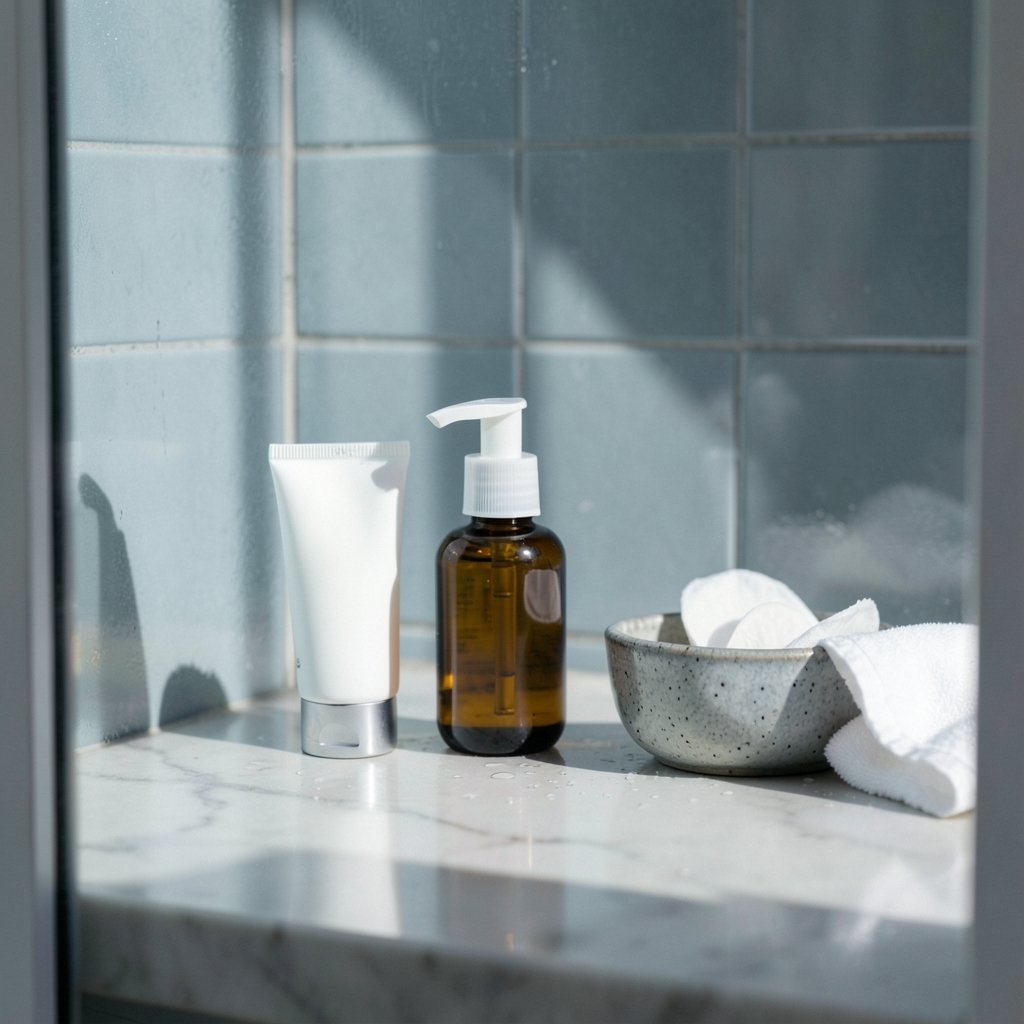
Before naming names, it helps to see how the categories stack up. No single product wins for everyone, and head-to-head trials comparing specific over-the-counter brands are scarce, so most “best product” claims are marketing rather than comparative evidence. (Headache pain behind head location actually tells you)
| Product type | How it works | Best for | Watch out for |
|---|---|---|---|
| Topical retinoid (adapalene, tretinoin) | Normalizes how follicle cells shed | Persistent, recurring blackheads | Dryness and peeling in the first weeks |
| Salicylic acid (0.5–2%) | Dissolves keratin plugs, exfoliates | Oily skin, mild cases | Overuse causes irritation |
| Benzoyl peroxide | Antibacterial plus mild comedolytic | Inflamed blackheads, combination skin | Bleaches fabrics, can dry skin |
| Clay or charcoal masks | Absorb surface oil temporarily | Quick cosmetic improvement | No lasting effect on plugs |
| Pore strips and extractors | Physically pull surface material | Instant visual payoff | Barrier damage, no root cause fix |
If you want a single starting point, an over-the-counter adapalene 0.1% gel is the most defensible choice. It became available without a prescription in the US in July 2016, and it’s the same retinoid class dermatology guidelines put at the core of comedonal acne treatment. Pair it with a gentle cleanser and a salicylic acid product a few times a week, and you’ve covered both the cause and the maintenance.
How to Use a Retinoid Without Wrecking Your Skin
The biggest mistake people make with retinoids isn’t choosing the wrong product. It’s using too much, too fast, and then quitting when their face turns red.
- Start with a pea-sized amount for the entire face, two or three nights a week.
- Apply it to dry skin, after cleansing, and wait a few minutes if your skin is sensitive.
- Follow with a plain moisturizer to buffer irritation.
- Increase frequency slowly, only when your skin stays calm.
- Use sunscreen daily, because retinoids make skin more sun-sensitive.
Expect eight to twelve weeks before real change. Blackheads don’t vanish overnight, and anyone promising otherwise is selling something. Consistency beats intensity every time. (Black nail designs)
Salicylic Acid: The Steady Workhorse
Salicylic acid earns its place because it’s oil-soluble, so it can get into the pore lining where the plug lives. Leave-on products in the 0.5–2% range tend to outperform cleansers, simply because a rinse-off product has seconds to work while a serum or toner has hours. If your skin is oily but not sensitive, a 2% leave-on liquid two or three evenings a week is a sensible routine anchor.
The common error here is layering salicylic acid with a retinoid on the same night from day one. That combination is fine for experienced users, but beginners should alternate nights until the skin adapts. Otherwise you get flaking, stinging, and the false conclusion that “nothing works.”
What About Benzoyl Peroxide and Combination Products?
Benzoyl peroxide is often combined with retinoids or antibiotics in clinical practice, and it’s a reasonable add-on when blackheads come with inflammation. The trade-offs are real: it bleaches towels and pillowcases, and it can be drying. A 2.5% formulation usually does the job with fewer side effects than higher strengths.
Combination products, like adapalene paired with benzoyl peroxide, exist and can simplify routines. They’re not magic, though. They just save you a step.
The Home Remedies to Skip
Baking soda pastes, lemon juice, glue masks, and toothpaste have no evidence behind them and can cause irritation or even burns. Public health and dermatology sources advise against them. The appeal is understandable, since they’re cheap and dramatic, but a burned moisture barrier takes weeks to recover and often makes pores look worse in the meantime.
Manual extraction by a clinician can remove comedones, and chemical peels with salicylic or glycolic acid have their place, but evidence for long-term benefit and ideal regimens is limited and inconsistent. These are professional options, not DIY projects.
Building a Routine That Actually Clears Pores
A workable blackhead routine is boring on purpose. Gentle cleanser morning and night. A retinoid at night, ramped up slowly. Salicylic acid on alternate evenings once your skin tolerates the retinoid. A lightweight moisturizer, and sunscreen every morning. That’s it.
Resist the urge to add a scrub, a mask, a toner, and a serum all at once. When something irritates your skin, you won’t know which product caused it. Introduce one new thing at a time and give it a month.
When to See a Dermatologist
If over-the-counter options haven’t moved the needle after three months of consistent use, or if blackheads come with deep cysts, scarring, or significant inflammation, it’s time for professional help. Prescription tretinoin, oral options, and in-office extraction are all tools a clinician can deploy. Acne guidelines also caution against antibiotic monotherapy, which is another reason a professional plan beats guesswork.
A Note on Patience and Expectations
Pores don’t shrink permanently, and blackheads can return. The goal isn’t a flawless nose in a week. It’s a routine that keeps plugs from forming in the first place. People who succeed with blackhead products tend to be the ones who treat it like brushing their teeth: unglamorous, regular, and ongoing.
Conclusion
The best product for removing blackheads isn’t a pore strip or a viral mask. It’s a topical retinoid, ideally over-the-counter adapalene, supported by salicylic acid and a patient, consistent routine. Add benzoyl peroxide only if inflammation is part of the picture, skip the home remedies, and give your skin two to three months before judging results. Clogged pores respond to chemistry and consistency, not force.
Frequently Asked Questions
What is the single best product for removing blackheads?
For most people, an over-the-counter adapalene 0.1% gel is the strongest evidence-backed starting point, since topical retinoids are first-line therapy for comedonal acne. Salicylic acid is a good supporting product for oily skin.
Do pore strips actually remove blackheads?
They remove some surface sebum and keratin temporarily, which can look satisfying, but they don’t address the plug’s cause and can irritate the skin barrier. Dermatology sources generally don’t recommend them as treatment.
How long does it take for blackhead products to work?
Expect eight to twelve weeks of consistent use before visible improvement. Retinoids in particular need time to normalize how follicle cells shed, and quitting early is the most common reason people conclude a product failed.
Can I use salicylic acid and a retinoid together?
Yes, but not both at full strength every night from the start. Alternate evenings until your skin adapts, then adjust based on how your skin responds. Layering too aggressively causes irritation that mimics treatment failure.
Are home remedies like baking soda or lemon juice safe for blackheads?
No. These remedies lack evidence and can cause irritation or burns. A damaged skin barrier takes weeks to recover and often makes pores look worse in the meantime.
When should I see a dermatologist for blackheads?
If three months of consistent over-the-counter use hasn’t helped, or if you have cysts, scarring, or significant inflammation, a clinician can offer prescription retinoids, in-office extraction, and other options that go beyond what’s available on a shelf.
Is There a Role for Nicotinamide or Other Add-Ons?
Beyond the core trio, a few ingredients have modest supporting evidence. Nicotinamide (niacinamide) reduces sebum production and has anti-inflammatory properties, making it a reasonable addition for oily, blackhead-prone skin, though it won’t dissolve plugs on its own. Azelaic acid offers mild comedolytic and anti-inflammatory effects and is gentler than retinoids for some sensitive skin types, which makes it a useful alternative when adapalene causes too much irritation. Chemical exfoliants like glycolic acid can help with surface texture but penetrate less effectively into oily pores than salicylic acid, so they’re a secondary option rather than a replacement. None of these match retinoids for comedonal acne, but they can round out a routine when used deliberately and one at a time.
Matching the Product to Your Skin Type
The “best” product depends heavily on how your skin behaves. Oily skin tolerates leave-on salicylic acid and gel-based retinoids well, and lighter, non-comedogenic moisturizers keep the routine from becoming heavy. Dry or sensitive skin does better with cream formulations of adapalene, a lower-strength salicylic acid used less often, and generous buffering with moisturizer. Combination skin often needs a zone-based approach: a retinoid across the face, with salicylic acid reserved for the oily T-zone. Acne-prone skin with inflammation benefits from adding 2.5% benzoyl peroxide to the inflamed areas rather than the whole face. Reading your own skin and adjusting frequency matters more than chasing a specific brand name.
Common Mistakes That Undermine Good Products
Even well-chosen products fail when the surrounding habits work against them. Over-cleansing strips the barrier and triggers rebound oil production, which can make pores look more congested. Skipping moisturizer because skin feels oily is a classic error; dehydrated skin compensates by producing more sebum. Picking at blackheads with fingernails or improvised tools causes inflammation, scarring, and sometimes infection. Applying retinoids to damp skin increases penetration and irritation. Ignoring sunscreen undoes much of the benefit, since UV exposure worsens post-inflammatory marks and thickens the outer skin layer. Changing products every two weeks guarantees you’ll never know what works, because nothing has time to act.
Setting Realistic Expectations
It helps to understand what “success” actually looks like. Blackheads will become less visible and less numerous, pores may appear smaller as they empty, and skin texture will smooth out. What won’t happen is a permanent, poreless finish. Sebum production is genetic and hormonal, and pores will refill if the routine stops. The people with the clearest skin are usually the ones who found a simple routine and stuck with it for years, adjusting only when their skin or the seasons demanded it. That’s a less exciting story than a viral before-and-after, but it’s the one backed by how skin actually behaves. Patience, a short ingredient list, and consistency remain the real formula, and no single product substitutes for them. (Jack daniels whiskey whats actually black label bottle)









