
Retinol is the one anti-ageing ingredient with decades of evidence behind it, and the skin around the eyes is where most men first notice they need it. Fine lines at the corners, a tired look in the morning, and dark circles that no amount of sleep seems to fix are all signs that the thin skin around the eyes is asking for more than a basic moisturiser.
The problem is that retinol is also the ingredient most likely to irritate that same thin skin. The eye area is the thinnest skin on the face, with fewer oil glands and almost no fat underneath, so a strong retinol that works well on the forehead can leave the eye area red, flaky, and stinging. That is why eye-specific retinol formulas exist, and why the strength, the supporting ingredients, and the way you introduce them matter more than the brand name.
Below are nine retinol eye creams worth considering in 2027, from gentle beginner formulas to stronger options for men who already use retinol elsewhere on the face. Each one is described by what it is good at, what to watch for, and who it suits best, so you can choose with your skin in mind, not just a bestseller list.
Key takeaways
- Retinol helps with fine lines, crow’s feet, and uneven tone around the eyes, but results take eight to twelve weeks of consistent use.
- Eye-specific retinol formulas use lower strengths and more soothing ingredients than face retinols, because the eye area is thinner and more reactive.
- Beginners should start two to three nights a week, use a pea-sized amount for both eyes, and build up slowly.
- Always use sunscreen in the morning when using retinol, and never apply retinol to broken, sunburned, or freshly shaved skin.
- Retinol does not remove deep wrinkles or dark circles caused by genetics or bone structure, and irritation that lasts more than a few days is a sign to stop and simplify.
What retinol actually does for the eye area
Retinol is a form of vitamin A that speeds up skin cell turnover and supports collagen production. In plain terms, it helps old, dull skin cells shed faster and encourages the skin to make fresh, firmer cells underneath. Around the eyes, that means fine lines look softer over time, the skin looks smoother and more even, and the crepey texture that makes eyes look tired can improve.
What it does not do is work overnight. Most men notice smoother-feeling skin after four to six weeks, and visible softening of fine lines after eight to twelve weeks of regular use. Dark circles improve only if they are caused by pigmentation or thin skin showing blood vessels, and even then the improvement is modest. Circles caused by genetics, deep-set eyes, or lack of sleep will not be fixed by any cream, and anyone promising otherwise is selling you something.
The other thing retinol does is make skin more sensitive to the sun. That is why it belongs in a night routine, and why morning sunscreen is not optional when you use it. Used correctly, retinol is one of the most reliable ingredients in skincare. Used too fast or too strong, it is one of the fastest ways to end up with red, peeling skin around the eyes.
How we chose these eye creams and what to look for
Look first at the form and the strength. Retinyl palmitate and retinol propionate are the gentlest forms and a sensible starting point. Pure retinol at 0.1 percent is a moderate strength for the eye area, and anything above that should be approached slowly, especially if you have never used retinol before. Encapsulated or slow-release retinol is often easier to tolerate, because it delivers the active ingredient gradually instead of all at once.

Look next at the supporting ingredients. Hyaluronic acid and ceramides help the eye area stay hydrated while retinol does its work, and niacinamide can calm redness and support the skin barrier. Peptides are often paired with retinol in eye creams because they support firmness without adding irritation. Fragrance is the one thing to avoid, because it adds nothing and increases the chance of stinging. Our guide to the best retinol eye creams in general makes the same point about gentle formulas, because the eye area rewards patience more than strength.
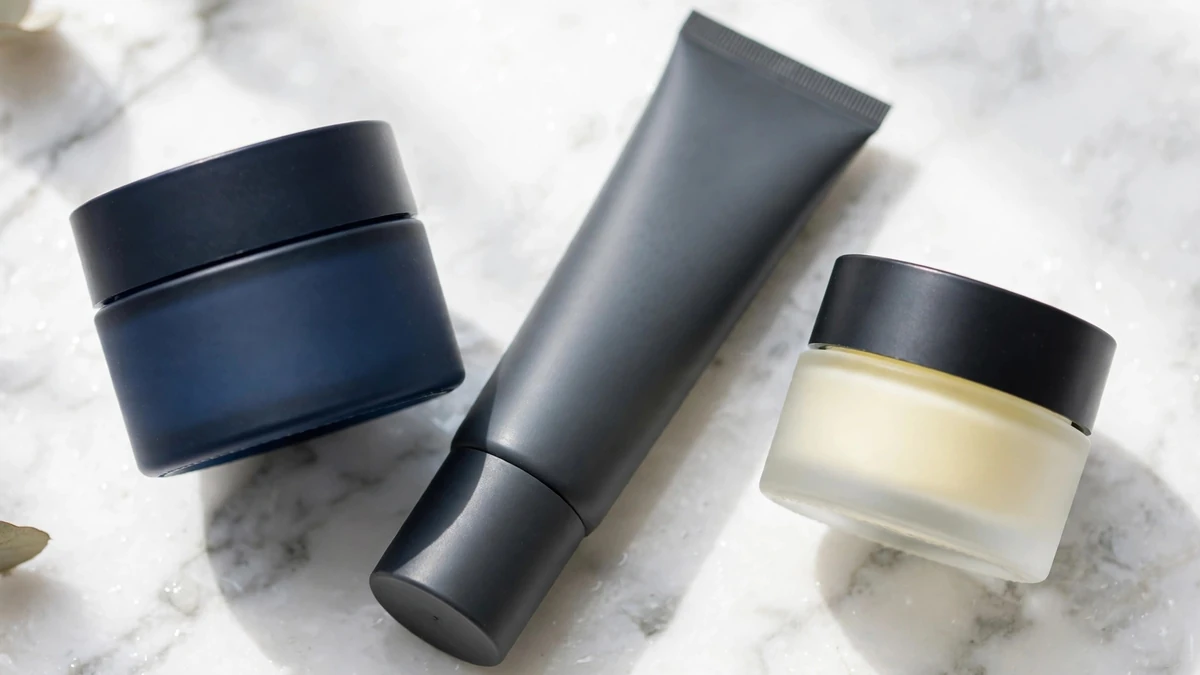
Finally, look at the texture and the packaging. A light cream or gel-cream absorbs easily and layers well under moisturiser. A rich balm suits dry skin and cold weather. An opaque tube or pump protects retinol from light and air far better than a jar, so packaging is not a detail, it is part of how well the product works by the time you finish it.
The 9 best retinol eye creams for men of 2027
RoC Retinol Correxion Eye Cream
What we like: A classic, affordable retinol eye cream with a gentle sustained-release formula, widely available, and with a long track record for softening crow’s feet. What to consider: Can cause mild dryness in the first two weeks, and the tube should be used within a few months of opening. Key ingredients: Retinol, mineral complex. Skin type: Normal, combination, mature. Size: 15 ml. Cruelty-free: No.
This is the sensible starting point for most men. It is not the strongest, and it is not the most luxurious, but it is a proven formula at a price that makes it easy to use consistently, which is what retinol actually needs.
Neutrogena Rapid Wrinkle Repair Eye Cream
What we like: Accelerated retinol SA with hyaluronic acid and glucose complex, fast-absorbing, fragrance-free, and designed for visible results in a few weeks. What to consider: Stronger than a beginner formula, so start two nights a week and expect some initial dryness. Key ingredients: Retinol SA, hyaluronic acid, glucose complex. Skin type: Normal, combination, mature. Size: 14 g. Cruelty-free: No.
Paula’s Choice Clinical 0.3% Retinol + 2% Bakuchiol Eye Cream
What we like: 0.3 percent pure retinol paired with bakuchiol, a plant-based retinol alternative, plus peptides, in a fragrance-free cream that balances strength with comfort. What to consider: The 0.3 percent strength is high for the eye area, so this is not a first retinol. Key ingredients: 0.3% retinol, 2% bakuchiol, peptides. Skin type: Normal, combination, mature. Size: 15 ml. Cruelty-free: Yes.
For men who already use retinol on the face and want a serious eye formula, this is one of the strongest well-formulated options. For a first retinol, start with something gentler and work up to it.
Murad Retinol Youth Renewal Eye Serum
What we like: A fast-acting retinol tri-active technology with a lightweight serum texture, designed to reduce the look of lines and firm the eye area without heavy fragrance. What to consider: Premium price, and the serum texture means you need a moisturiser on top in dry weather. Key ingredients: Retinol tri-active technology, swertia flower extract. Skin type: All, except very sensitive. Size: 15 ml. Cruelty-free: Yes.
A strong, well-designed option for men who want a serum rather than a cream and are comfortable with a real retinol strength. The light texture makes it easy to layer, which is half the battle with retinol.
La Roche-Posay Retinol B3 Eye Cream
What we like: Pure retinol with niacinamide and a soothing thermal water base, designed to be gentler than most retinol eye creams, with a smooth, comfortable texture. What to consider: A lower strength, so results are more gradual, and it works best as a long-term daily step. Key ingredients: Pure retinol, niacinamide, La Roche-Posay thermal water. Skin type: Sensitive, normal, combination. Size: 15 ml. Cruelty-free: No.
This is the eye cream to choose if your skin is reactive, or if you have tried retinol before and found it too harsh. The niacinamide does real work here, calming the skin while the retinol does its slower job.
Kiehl’s Retinol Skin-Renewing Daily Micro-Dose Eye Treatment
What we like: A micro-dose of pure retinol with ceramides and peptides, designed for daily use with minimal irritation, in a rich but non-greasy cream. What to consider: The micro-dose approach means slower visible results, and the price is premium for the size. Key ingredients: Pure retinol micro-dose, ceramides, peptides. Skin type: All, including sensitive. Size: 15 ml. Cruelty-free: No.
For men who want to use retinol every night without thinking about it, this is one of the easiest formulas to live with. It trades speed for comfort, and for most people that is the right trade.
Olay Retinol 24 Night Eye Cream
What we like: A retinol 24 blend with niacinamide and peptides, fragrance-free, affordable, and designed for overnight use with a comfortable, non-irritating texture. What to consider: The formula is gentle, so men with deep lines may want something stronger after a few months. Key ingredients: Retinol 24 blend, niacinamide, peptides. Skin type: All, including sensitive. Size: 15 ml. Cruelty-free: No.
CeraVe Skin Renewing Eye Cream
What we like: Encapsulated retinol with ceramides, hyaluronic acid, and niacinamide, fragrance-free, very gentle, and designed to support the skin barrier while it works. What to consider: A modest retinol strength, so it is a maintenance cream rather than a strong treatment for deep lines. Key ingredients: Encapsulated retinol, ceramides, hyaluronic acid, niacinamide. Skin type: Sensitive, dry, normal. Size: 15 ml. Cruelty-free: No.
A sensible drugstore choice, especially if your eye area is sensitive or your barrier is easily upset. The encapsulated retinol releases slowly, which is why it is one of the least irritating options here.
Jack Black Eye Balm
What we like: A cooling, fragrance-free eye balm with caffeine and green tea, designed for men, that reduces puffiness and refreshes tired eyes quickly. What to consider: It contains no retinol, so it will not soften fine lines over time the way a retinol cream does. Key ingredients: Caffeine, green tea, vitamin E. No retinol. Skin type: All. Size: 15 ml. Cruelty-free: No.
Included here honestly: this is not a retinol product, and it will not do what retinol does. But it is an excellent morning companion to a night retinol cream, because it tackles puffiness and tiredness while the retinol works on lines overnight.
Which retinol eye cream is right for your skin
Beginners should start with a gentle, encapsulated, or micro-dose formula, two to three nights a week, and build up over a month. The goal in the first month is tolerance, not results. If your skin stays calm, move to every other night, then nightly. If you get redness, flaking, or stinging that lasts more than a day, drop back to twice a week and add a plain moisturiser on top. Our guide to retinol serums for beginners covers the same slow-start method for the face, and the eye area needs it even more.
Men who already use retinol on the face can usually start with a moderate-strength eye cream, but should still patch-test first, because the eye area is thinner than the rest of the face. Apply a pea-sized amount for both eyes, using your ring finger to pat it gently along the orbital bone, and do not rub it into the eyelid or right up to the lash line. Less is more here: too much product does not work faster, it just irritates more.
Mature skin with deeper lines benefits most from a stronger formula used consistently, but it also needs the most patience. Collagen support is slow, and sun protection is what protects the result. A retinol eye cream without daily sunscreen is a habit undone every morning, because UV breaks down collagen faster than retinol can build it.
The caveats that matter
Retinol is well studied, but it is not safe for everyone and not a cure-all. It can irritate sensitive skin, it should not be used on broken or sunburned skin, and it should not be combined with a strong exfoliant on the same night without a plan. It also interacts with other actives: used with a high-strength vitamin C or an acid on the same evening, it can increase irritation, especially for beginners. Separate them, morning vitamin C and evening retinol is a common, sensible split, and introduce each one slowly.
| Detail | What is known |
|---|---|
| Best form for beginners | Encapsulated or micro-dose retinol, two to three nights a week |
| When to use it | Night only, on clean dry skin, under a plain moisturiser if needed |
| How long to see results | Smoother skin in 4 to 6 weeks; fine lines soften in 8 to 12 weeks |
| Who should start gently | Sensitive skin, first-time retinol users, and anyone using prescription skincare |
| What to avoid pairing at first | Strong exfoliants and high-strength vitamin C on the same night |
| Sun protection | Daily sunscreen is essential, because retinol increases sun sensitivity |
| When to stop | If redness, flaking, or stinging lasts more than a few days, or skin becomes raw |
| What it does not do | It does not remove deep wrinkles, fix genetic dark circles, or replace sleep and sunscreen |
If you are using prescription skincare, have eczema or rosacea around the eyes, or have had eye surgery, check with your clinician or dermatologist before adding retinol to the eye area. That is not a formality. Prescription treatments change what your skin can tolerate, and a simple check avoids weeks of irritation.
Checklist: choosing a retinol eye cream honestly
Use these checks before you buy, and again after two weeks of use.
- Check the form and strength: encapsulated or micro-dose retinol for beginners, 0.1 percent or below to start.
- Check the supporting ingredients: ceramides, hyaluronic acid, and niacinamide help the eye area stay calm.
- Check the packaging: an opaque tube or pump protects retinol from light and air far better than a jar.
- Check for fragrance: fragrance-free is the safer choice for the thin skin around the eyes.
- Patch-test first: apply to the outer corner of one eye for two to three nights before full use.
- Protect the result: use sunscreen every morning, because sun undoes retinol’s work faster than any cream can build it.
Frequently asked questions
How often should I use a retinol eye cream?
Start two to three nights a week for the first month, then build up to every other night, and then nightly if your skin stays calm. More often is not better if your skin is irritated.
Can I use a face retinol around my eyes?
Usually not, or only with care. Face retinols are stronger than eye formulas, and the eye area is thinner. A pea-sized amount of a gentle face retinol patted along the orbital bone can work for some men, but an eye-specific formula is the safer choice.
Can I use retinol eye cream with vitamin C?
Yes, but separate them. Vitamin C in the morning and retinol at night is a common split. Do not start both at full strength in the same week, and stop one if your skin becomes irritated.
Why is my eye area peeling after starting retinol?
Peeling is a common early side effect as skin cell turnover speeds up. Reduce use to twice a week, add a plain moisturiser on top, and give it two weeks. If peeling is severe or painful, stop and let the skin recover.
Is retinol safe for sensitive skin around the eyes?
Often yes, at a low strength or as an encapsulated formula. Choose a fragrance-free micro-dose cream, patch-test, and start two nights a week. If redness persists, stop and try a gentler routine. Our guide to eye creams for dark circles can help you match the product to the concern, because not every tired-looking eye needs retinol.
Do I still need sunscreen if I use retinol at night?
Yes, every day. Retinol makes skin more sensitive to the sun, and UV breaks down collagen faster than retinol can build it. Sunscreen is what protects the result you are working for.
The bottom line
The best retinol eye cream for men in 2027 is not the strongest or the most expensive. It is the one that suits your skin, that you will use consistently at night, and that stays fresh in its packaging. For beginners, an encapsulated or micro-dose formula used two to three nights a week is the smartest start. For men who already tolerate retinol, a moderate-strength cream with ceramides and niacinamide will deliver visible softening of fine lines with time.
Choose one eye cream, use it consistently for twelve weeks, protect it with sunscreen every morning, and judge it on how the skin around your eyes looks and feels, not on how strong it feels on night one.