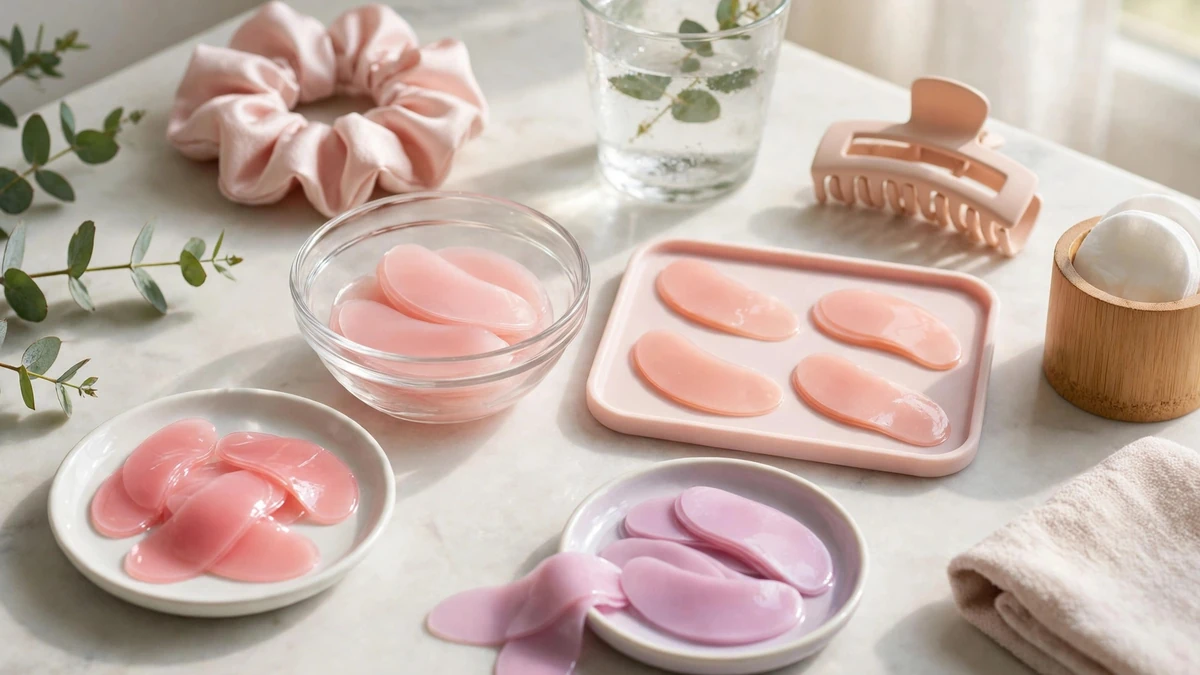
Retinol is the ingredient every skincare editor talks about, and sheet masks are the format every teenager already knows. Put them together and you get a product that sounds perfect: a single-use mask that delivers a gentle dose of retinol without a complicated routine. The problem is that the combination is much smaller than it looks. Most retinol is sold as a serum or cream, most sheet masks are built for hydration, and very few products are made specifically for teenage skin.
That matters because teenage skin does not need what adult skin needs. Most teens do not need retinol at all. When it is useful, it is usually for an older teen dealing with stubborn breakouts or early texture concerns, at the lowest strength, a few times a week, with a parent or guardian involved. A sheet mask can be a gentle way to try it, because the dose is small, the contact time is short, and it is easy to stop. But a mask that is too strong, used too often, or layered over an exfoliant can leave skin red, peeling and more sensitive to the sun.
Below are nine sheet masks worth considering in 2027, chosen for older teens who have a genuine reason to try retinol, or for teens who simply want a good hydrating mask. The intro to this guide is honest about which is which: the first three masks contain retinol, and the remaining six are plain hydrating masks that pair well with a gentle retinol routine. Each entry says plainly whether it contains retinol, so you can choose with your skin in mind, not just a bestseller list.
Key takeaways
- Retinol can help older teens with stubborn breakouts and uneven texture, but most teens do not need it at all.
- Dedicated retinol sheet masks made for teens are a very small category, so this roundup mixes gentle retinol masks with plain hydrating masks, and each entry says which it is.
- When a teen does use retinol, the lowest strength, two to three nights a week, with sunscreen every morning, is the safe way to start.
- Never use a retinol mask on broken, sunburned or irritated skin, and never pair it with a strong exfoliant on the same night.
- No sheet mask clears acne overnight or replaces a simple routine, and a mask that stings, burns or leaves skin peeling should be stopped, not pushed through.
What retinol sheet masks actually do for teen skin
Retinol is a form of vitamin A. In plain terms, it speeds up the rate at which skin sheds old cells and makes new ones, which is why it helps with clogged pores, blackheads, uneven texture and the marks that breakouts leave behind. It also supports collagen over time, which is why adults use it for fine lines. For a teenager, the first benefit is the one that matters, and the second is not a reason to start.
A sheet mask delivers retinol differently from a serum or cream. The mask is soaked in essence and sits on the skin for ten to twenty minutes, so the contact is short and the dose is limited to what is in one sheet. That can be gentler than a leave-on product, but it is not automatically safe. The same retinol that helps a breakout can irritate skin that is already dry, sensitive, or being treated with a prescription product. The mask format does not change the ingredient, it only changes how long it stays on your face.
It is also worth knowing that a sheet mask is a poor way to judge a product. The glow after twenty minutes comes mostly from hydration, not from retinol, which takes weeks to show a real effect. If a mask leaves skin tight, red or flaking the next morning, that is not the product working. It is irritation, and the honest response is to stop, simplify, and wait for skin to calm down before trying anything new.
How we chose these sheet masks and what to look for
Look first at whether the mask actually contains retinol. Many masks use the word in their marketing while the formula is mostly hyaluronic acid and glycerin. Check the ingredient list for retinol, retinyl palmitate, or retinal, and check where it sits in the list. A retinol near the end of the list is a small dose, which is exactly what a teenager should start with. A mask that lists retinol first is a strong product, and it is not a good first step.

Look next at the supporting ingredients. Hyaluronic acid and glycerin add hydration and make a retinol mask feel more comfortable. Niacinamide can calm redness and support the skin barrier. Ceramides help skin hold moisture after the mask comes off. Fragrance, alcohol and strong essential oils do the opposite, especially for sensitive skin, so a fragrance-free mask is the safer choice for a first try. Our guide to retinol creams for beginners explains the same logic for leave-on products, because the rules for starting slowly apply whatever the format.
Finally, look at the practical details. A single sheet is a low-commitment way to try a product, while a box of ten is better value once you know your skin likes it. A mask that fits well, stays in place, and does not drip everywhere is worth more than a fancier formula that slides off your face. And a mask with a clear ingredient list, a sensible price, and no big promises is a better sign than one that claims to transform skin in a single use.
The 9 best retinol sheet masks for teens 2027
Mediheal Retinol Collagen Ampoule Mask
What we like: A real retinol sheet mask with collagen and peptides, in a comfortable ampoule essence that feels hydrating rather than drying. What to consider: A genuine retinol product, so it is for older teens only, and it should be used two to three times a week at most. Key ingredients: Retinol, collagen, peptides. Skin type: Combination, oily, normal. Size: 1 sheet, 25 ml. Cruelty-free: No.
Some By Mi Retinol Intense Reactivating Mask
What we like: A retinol mask from a brand that specialises in gentle actives, with a calm essence that includes niacinamide and panthenol. What to consider: Still a retinol product, so patch-test first and keep use to a few nights a week. Key ingredients: Retinol, niacinamide, panthenol. Skin type: Combination, oily, normal. Size: 1 sheet, 22 g. Cruelty-free: Yes.
The Crème Shop Retinol and Bakuchiol Hydrogel Mask
What we like: A hydrogel mask that pairs retinol with bakuchiol, a gentler plant-derived alternative, in a cooling format that feels comfortable on skin. What to consider: Contains retinol, so it is for older teens only, and the hydrogel format can feel slippery until it settles. Key ingredients: Retinol, bakuchiol, hyaluronic acid. Skin type: Normal, combination, dry. Size: 1 sheet. Cruelty-free: Yes.
The bakuchiol pairing is the interesting part here. It lets the formula use a smaller retinol dose while still aiming for the same smoothing effect, which is a reasonable approach for younger skin that is new to actives.
Neutrogena Hydro Boost Hydrating Hydrogel Mask
What we like: A plain hydrating mask with hyaluronic acid that leaves skin soft and plump, with no retinol and no irritation risk. What to consider: Contains no retinol, so it does not help with breakouts or texture on its own. Key ingredients: Hyaluronic acid, glycerin. Skin type: All, including sensitive. Size: 1 sheet, 30 g. Cruelty-free: No.
Peach Slices Snail Rescue Mask
What we like: A gentle snail mucin mask that hydrates and calms, with a fragrance-free formula that suits reactive skin. What to consider: Contains no retinol, so it is a support mask, not a treatment mask. Key ingredients: Snail mucin, hyaluronic acid, centella. Skin type: Sensitive, dry, combination. Size: 1 sheet, 25 ml. Cruelty-free: Yes.
Garnier SkinActive Moisture Bomb Sheet Mask
What we like: An affordable, widely available hydrating mask with hyaluronic acid, in a generous essence that leaves skin looking fresh. What to consider: Contains no retinol, and the essence can feel rich on very oily skin. Key ingredients: Hyaluronic acid, glycerin. Skin type: Dry, normal, combination. Size: 1 sheet, 28 g. Cruelty-free: Yes.
The budget-friendly option in this roundup, and an easy first sheet mask for a teenager who is new to skincare. It is simple, gentle, and hard to get wrong.
COSRX Advanced Snail Mucin Power Sheet Mask
What we like: A snail mucin sheet mask that focuses on hydration and barrier support, with a light essence that absorbs well. What to consider: Contains no retinol, so it will not help with breakouts or clogged pores by itself. Key ingredients: Snail mucin, hyaluronic acid, allantoin. Skin type: All, including sensitive. Size: 1 sheet, 25 ml. Cruelty-free: Yes.
Patchology Hydrate FlashMasque
What we like: A fast, five-minute hydrating mask with hyaluronic acid that suits a busy evening, with no retinol and no fragrance. What to consider: Contains no retinol, and the short wear time means the hydration is lighter than a twenty-minute mask. Key ingredients: Hyaluronic acid, vitamin B5. Skin type: All, including sensitive. Size: 1 sheet. Cruelty-free: Yes.
Laneige Water Bank Hydrating Sheet Mask
What we like: A hyaluronic acid sheet mask from a brand known for hydration, with a soft, well-fitting sheet and a clean, comfortable feel. What to consider: Contains no retinol, and it is premium-priced for a single-use mask. Key ingredients: Hyaluronic acid, squalane. Skin type: Dry, normal, combination. Size: 1 sheet, 25 ml. Cruelty-free: No.
The most polished hydrating mask in this roundup. It is a treat rather than a treatment, and it works best as the gentle step in a routine where retinol, if it is used at all, comes from a separate product.
Which retinol sheet mask is right for your skin type
Oily and combination skin usually tolerates a gentle retinol mask best, because the skin is resilient and the concern is often clogged pores. Even then, start with two nights a week, and only move to three if skin stays calm after a fortnight. A plain hydrating mask on the other nights keeps the routine balanced, and a light, oil-free moisturiser on top stops skin feeling stripped. Our guide to hydrating serums is a useful companion here, because hydration is what makes a retinol routine comfortable rather than drying.
Dry and sensitive skin should be more cautious. A retinol mask may simply be too much, and a plain hydrating mask is often the better choice. If an older teen with dry skin does try retinol, it should be the lowest strength, once a week at first, with a rich moisturiser afterwards, and never on the same night as an exfoliant. If redness or flaking appears, stop the retinol and let skin recover for a week before deciding whether to try again.
Acne-prone skin needs patience above all. Retinol can help over weeks, but it can also cause a short period where breakouts look worse before they look better. That is normal, but it is also a reason to involve a parent or guardian, and to see a dermatologist if breakouts are painful, cystic, or leaving scars. A sheet mask is not a substitute for proper acne care, and no mask should be used on skin that is already broken or inflamed.
The caveats that matter
Retinol is a real active ingredient, and teenage skin is still developing. That combination deserves respect, not fear. The honest position is simple: most teens should not use retinol at all, and those who do should use the lowest strength, the fewest nights, and the most sunscreen. A sheet mask does not make retinol harmless. It only makes the dose smaller and the contact shorter, which is a good start, but not a guarantee.
| Detail | What is known |
|---|---|
| Who needs retinol | Most teens do not; older teens with stubborn breakouts or texture may benefit |
| How often to use it | Two to three nights a week at most, starting with one or two |
| How long to see results | Texture and breakouts improve over 6 to 12 weeks, not overnight |
| Who should avoid it | Younger teens, sensitive or eczema-prone skin, and anyone on prescription acne treatment without a clinician’s advice |
| What to avoid pairing at first | Strong exfoliants, vitamin C at high strength, and other actives on the same night |
| Sun protection | Sunscreen every morning is essential, because retinol makes skin more sensitive to sun |
| When to stop | If skin burns, peels heavily, or stays red for more than a day or two |
| What masks do not do | They do not clear acne overnight, replace a simple routine, or substitute for a dermatologist |
If you are using prescription acne treatment, or you have eczema, rosacea, or any skin condition, check with a clinician or dermatologist before adding retinol, even in a mask. Prescription treatments change what skin can tolerate, and a simple check avoids weeks of irritation. The same applies if you are pregnant, although that is not a typical concern for a teenager, it is worth stating plainly for any reader.
Checklist: choosing a retinol sheet mask honestly
Use these checks before you buy, and again after two weeks of use.
- Check whether the mask actually contains retinol, and where it sits in the ingredient list.
- Check the strength and the dose: a small retinol dose, two to three nights a week, is the safe start.
- Check the supporting ingredients: hyaluronic acid, niacinamide and ceramides help; fragrance and alcohol do not.
- Patch-test first: wear the mask for ten minutes on one cheek, or test the essence on your jawline, before a full use.
- Start slowly: one or two nights a week for two weeks, then three nights only if skin stays calm.
- Protect the result: use sunscreen every morning, because retinol makes skin more sensitive to sun.
Frequently asked questions
Do teens need retinol at all?
Most do not. A simple routine of cleanser, moisturiser and sunscreen is enough for most teenage skin. Retinol is worth considering only for an older teen with stubborn breakouts or uneven texture, and only with a parent or guardian involved.
How often should a teen use a retinol sheet mask?
Two to three nights a week at most, starting with one or two nights for the first fortnight. If skin stays calm, that is enough. More nights do not make it work faster, they make irritation more likely.
Can I use a retinol mask with other actives?
Not on the same night, at least at first. Keep retinol nights separate from strong exfoliants and high-strength vitamin C. A plain hydrating mask, moisturiser and sunscreen are safe companions on any night.
Why does my skin look worse after starting retinol?
Retinol speeds up cell turnover, so clogged pores can surface as breakouts in the first few weeks. This usually settles, but if breakouts are painful, cystic, or leaving scars, stop and see a dermatologist. Our guide to retinol serums explains the same settling-in period for leave-on products.
Can I use a retinol sheet mask if I have sensitive skin?
Probably not, and certainly not as a first step. Sensitive skin is more likely to react, so a plain hydrating mask is the safer choice. If you do try retinol, patch-test, use the lowest strength, and stop at the first sign of lasting redness.
Do I still need sunscreen if I use a retinol mask?
Yes, every day. Retinol makes skin more sensitive to sunlight, and sun exposure undoes the work retinol is doing. Sunscreen is not optional in a retinol routine, it is part of it.
The bottom line
The best retinol sheet mask for a teenager in 2027 is not the strongest one. It is the gentlest one that matches a real need, used a few nights a week, with sunscreen every morning and a plain hydrating mask on the other nights. For most teens, that means skipping retinol entirely and choosing a good hydrating mask instead, which is a perfectly good result.
If you are an older teen with stubborn breakouts, choose one of the three retinol masks in this roundup, use it twice a week for a month, and judge it on how your skin looks and feels, not on how strong it feels on night one. And if your skin is ever red, peeling or sore, stop, simplify, and give it time to recover. That is the honest way to try retinol without the irritation that makes people give up on it.