What makes a great tequeño worth driving across town for? It’s not the cheese pull photo on a menu. It’s the crackle of a fresh-fried shell, the salty squeak of queso blanco, and the knowledge that someone rolled that dough by hand within the last few hours. Anyone typing “best tequeños near me” into a search bar is really asking a harder question: how do I tell a genuine, well-made tequeño from a frozen, mass-produced stick before I spend money on it?
This guide answers that question. It covers what a tequeño actually is, how to evaluate the places that sell them, how to search smarter when you’re hungry and impatient, and the mistakes that lead people to disappointing orders. No rankings, no paid placements, just a practical method for finding good tequeños wherever you happen to be standing.
What a Tequeño Actually Is, and Why It Matters for Your Search
A tequeño is a Venezuelan-style snack made from wheat-flour dough wrapped around a stick of white cheese, then fried or baked until crisp. The name is usually traced to Los Teques, a city near Caracas, though origin stories about food travel loosely and vary by teller. What matters more for a buyer is the structure: a thin dough casing, a solid core of salty fresh cheese, and a cooking method that sets the shell without leaking the filling.
That structure explains why quality varies so wildly. A proper tequeño holds its shape, snaps when bitten, and releases molten cheese only after the shell gives way. A bad one is greasy, hollow at the ends, or filled with a rubbery cheese that never quite melts. Some kitchens swap in mozzarella for convenience. Mozzarella melts dramatically, which looks great on video, but it lacks the salty bite and slight squeak that queso blanco brings. Neither choice is a crime, but knowing which one you’re getting helps you judge whether the price is fair.
Related snacks complicate things further. Colombian deditos de queso are similar but often sweeter and softer. Argentine palitos de queso tend to use a flakier pastry. If a menu lists “cheese sticks” without saying tequeños, ask before ordering, because you may get something quite different from what you had in mind.
Why “Near Me” Searches Go Wrong So Often
Location-based searches feel simple, but they fail for predictable reasons. Search engines rank results by proximity, relevance, and engagement signals, not by food quality. A restaurant with an aggressive online presence and hundreds of reviews can outrank a tiny family kitchen that fries tequeños to order. The map pins you see are a starting point, not a verdict.
There’s also a freshness problem. Hours change, pop-ups move, and small vendors often sell out by mid-afternoon. A listing that looks perfect at 9 a.m. may be useless by dinner. Anyone who has chased a “near me” result only to find a shuttered storefront knows the frustration.
The fix is to treat search as the beginning of a short verification process rather than the answer itself. The same discipline applies to almost any local food hunt, whether you’re looking for a salon appointment or a decent late-night meal: the first page of results is a candidate list, and the real work is filtering it. If you want a broader framework for evaluating local businesses before you commit time and money, a guide on how to choose a clinic covers the same filtering logic in a different industry, and it transfers surprisingly well to restaurants.
A Practical Checklist for Judging a Tequeño Spot
Before ordering, run through a short mental checklist. It takes about two minutes and saves a lot of regret.
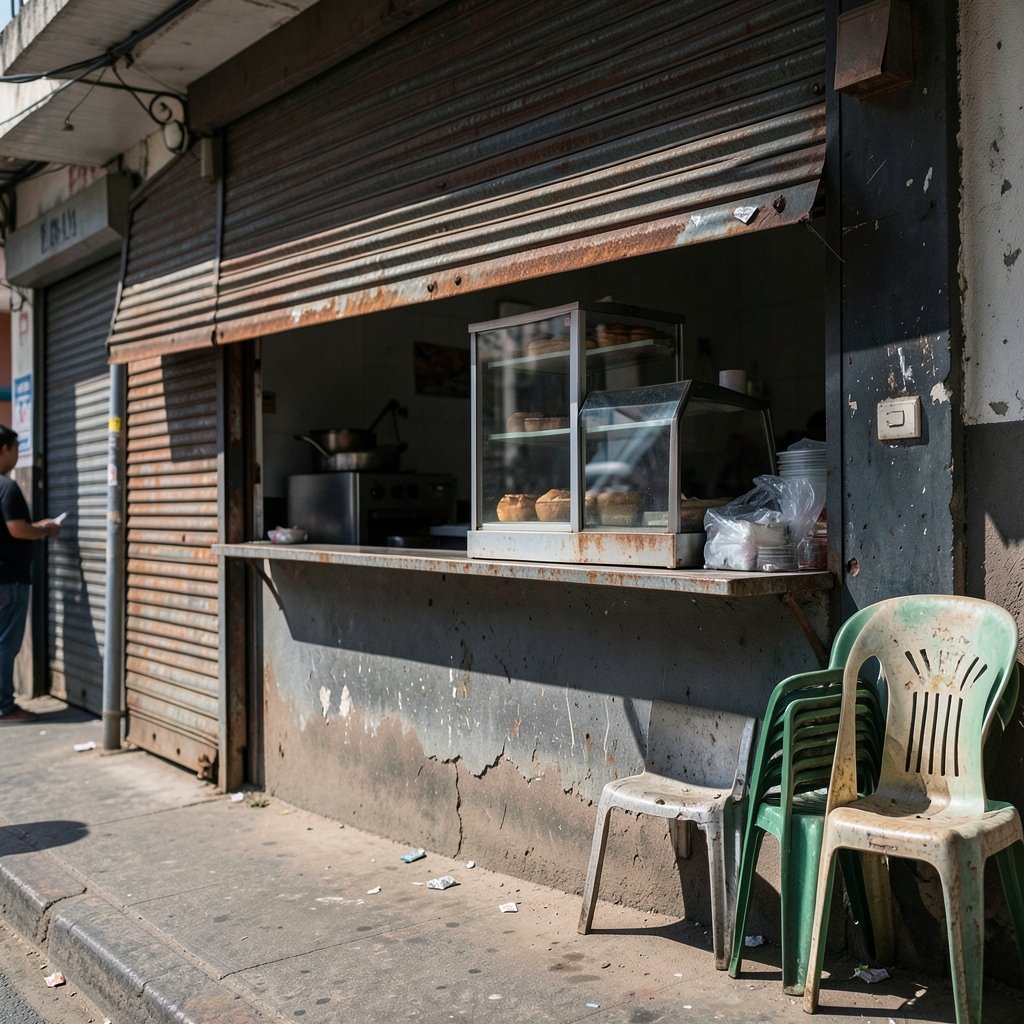
- Check the frying setup. Visible fryers with steady turnover suggest fresh batches. A single cold display case with pre-fried sticks sitting under a lamp is a warning sign.
- Ask what cheese they use. Staff who can name their cheese, whether queso blanco, queso de mano, or a blend, usually care about the product. A shrug is informative.
- Look at the ends. Well-rolled tequeños are sealed at both tips. Open ends mean cheese will leak and the shell will fill with oil.
- Note the size. Very large tequeños often have a thin dough-to-cheese ratio problem: too much bread, not enough filling. Small, uniform sticks tend to be rolled with more care.
- Watch the wait time. A five-to-ten minute wait for a fresh batch is a good sign. Instant service from a warming tray usually means the food was cooked a while ago.
- Order one first. Try a single tequeño before committing to a party platter. It costs little and tells you everything.
The Dough-to-Cheese Ratio
This is the single most useful thing to evaluate. A good tequeño has a shell thin enough to shatter and a filling generous enough to feel substantial, but not so generous that it bursts during frying. When the ratio is right, each bite delivers both crunch and molten cheese. When it’s wrong, you either get a mouthful of dough or a greasy leak. If you’re ordering a batch for a gathering, ask whether they roll to order. Hand-rolled, small-batch tequeños are usually more consistent than factory-formed ones.
Fresh Versus Frozen
Frozen tequeños are everywhere, and they’re not automatically bad. Some are made well and frozen at peak freshness. The problem is that frying from frozen often produces a shell that browns before the center heats through, which is why some sticks arrive with a lukewarm middle. If a shop sells both, ask which is fresh. If everything is frozen, that’s fine, but set expectations accordingly and don’t pay premium prices for it.
How to Search Smarter When You’re Hungry
A raw “best tequeños near me” query returns a lot of noise. A few adjustments sharpen the results considerably.
Add a neighborhood or landmark to the query. “Best tequeños near me” is vague; “tequeños near [your street or district]” gives the search engine something concrete to work with. Add a qualifier like “fresh” or “handmade” if those matter to you. And search at the time you plan to eat, not hours earlier, because open-now filters and hours listings drift.
Review reading deserves its own strategy. Sort by newest rather than “most relevant,” since a glowing review from four years ago tells you little about the current kitchen. Look for reviews that mention specifics: the cheese, the crunch, the wait, the temperature. A review that says “the tequeños were amazing” is nearly useless. A review that says “came out piping hot in eight minutes, shell was thin, cheese was salty and stretchy” is a data point you can act on.
Photos help too, but read them critically. A perfect cheese pull can be staged with a mozzarella blend that behaves nothing like queso blanco. Look instead at the shell: is it blistered and dry, or shiny with pooled grease? Is the color even, or patchy?
Social media is often more current than review sites for small vendors. Pop-ups and home kitchens announce their locations on short-form video and stories, and they post sell-out notices in real time. If a vendor you like has a following, check their latest posts before making the trip.
Common Mistakes That Lead to Bad Tequeños
Most disappointing orders trace back to a handful of avoidable errors.
Ordering at the wrong time. Many kitchens fry in batches at peak hours and let quality slip during slow periods when the oil has been sitting. Mid-service is usually safer than the last hour before closing.
Ignoring the oil. Old oil leaves a bitter, heavy aftertaste that no amount of good cheese can hide. If the shell tastes of stale fat, stop eating and note it.
Judging by the cheese pull alone. Drama is not flavor. A modest, salty queso blanco filling often beats a theatrical mozzarella stretch.
Skipping the sauce question. Tequeños are commonly served with a garlic sauce, a spicy mayo, or a sweet-savory dip. Ask what comes with them. A house-made sauce is often a signal of overall care, and a generic packet is a signal of the opposite.
Over-ordering for a crowd. Fried food fades fast. Tequeños are at their best within minutes of leaving the oil, so ordering a large batch for a party that starts in an hour means the last ones will be soggy. Order closer to serving time, or ask about reheating instructions if you must buy ahead.
Not asking about bake versus fry. Baked tequeños exist and can be excellent, with a drier, crisper shell. If you’re sensitive to heavy fried food, ask. Some shops offer both, and the baked version is often made to order because it sells more slowly.
Building a Short List You Can Trust
Once you’ve identified a few candidates, narrow them down with a simple comparison. The table below shows the factors worth weighing and what a good sign looks like in each case.
| Factor | Good sign | Warning sign |
|---|---|---|
| Frying method | Visible fryer, steady turnover | Pre-fried sticks under a heat lamp |
| Cheese | Named queso blanco or queso de mano | Vague “cheese blend,” no answer |
| Dough | Thin, sealed ends, uniform size | Thick, open ends, uneven shapes |
| Wait time | 5-10 minutes for a fresh batch | Instant service from a tray |
| Reviews | Recent, specific, mention texture | Old, generic, photo-only |
| Sauce | House-made, offered with the order | Packets, or none at all |
Keep the list short. Three or four candidates is plenty. Visit the closest one first, and let the tequeño itself decide the rest. A single order tells you more than an hour of scrolling.
If your search keeps returning the same generic results, try a different angle entirely. Sometimes the fastest path to a good local food recommendation is a community forum or a neighborhood group rather than a search engine. The same principle applies when you’re hunting for other local spots, such as when you need to find a good Chinese restaurant fast: the method is the same, and the payoff is a short list of places that real people actually return to. (Chinese restaurants near me find good one fast)
What to Expect to Pay
Prices vary widely by city and setting. Street vendors and small bakeries typically charge the least per stick, while sit-down restaurants and catering operations charge more, often with a minimum order. Party platters usually cost less per unit than individual orders, but only if the quality holds. Ask whether platters are fried fresh at pickup or assembled from frozen stock, because that difference justifies or undermines the bulk discount.
A reasonable approach is to compare price per tequeño across your short list, then weigh it against the freshness signals above. The cheapest option is rarely the best value if half the batch is greasy, and the most expensive is rarely worth it if the cheese is ordinary.
Conclusion
Finding the best tequeños near you isn’t about luck or secret knowledge. It’s about asking better questions: what cheese is in this, when was it fried, how thin is the dough, and does the kitchen care enough to seal the ends. Search engines will always hand you a list. The judgment is yours.
Start with a location-specific query, filter for recent and specific reviews, check the vendor’s social feed for current hours, and then run the checklist in person. Order one stick before you order twelve. Pay attention to the shell, the salt, and the temperature. Do that a few times and you’ll have a personal short list that no algorithm can beat, plus a reliable answer the next time someone asks where to find good tequeños around here.
Frequently Asked Questions
What is the difference between a tequeño and a cheese stick?
A tequeño is made with thin wheat-flour dough wrapped around salty white cheese and then fried or baked, with sealed ends that keep the filling inside. Generic cheese sticks, including mozzarella sticks, usually use breading or a different pastry and a milder, stretchier cheese. The texture and salt level are noticeably different.
Are tequeños always fried?
No. Frying is the most common method, but baked versions exist and can be excellent, with a drier and crisper shell. Some shops offer both. If you prefer less oil, ask whether a baked option is available, since it is often made to order.
What cheese is traditionally used in tequeños?
Queso blanco is the traditional choice, and queso de mano is also common. Both are salty, firm fresh cheeses that soften without turning into a liquid puddle. Mozzarella is a frequent substitute because it melts dramatically, but it tastes milder and lacks the characteristic salty bite.
How do I know if a tequeño is fresh?
Look for a blistered, dry shell rather than a shiny, greasy one, and check that both ends are sealed. A short wait for a fresh batch is a good sign. If the stick arrives lukewarm in the middle or tastes of stale oil, it was likely fried earlier or cooked from frozen at too high a heat.
Can I order tequeños for a party?
Yes, and platters are common. Order close to serving time, because fried food loses its crunch quickly. Ask whether the platter is fried fresh at pickup or assembled from frozen stock, and request reheating instructions if you need to buy ahead.
Why do my “near me” searches show the same few places?
Search rankings weigh proximity, online activity, and engagement, not food quality, so businesses with strong online presences tend to dominate. Add a neighborhood or landmark to your query, sort reviews by newest, and check small vendors’ social feeds for current locations and sell-out notices to surface options the algorithm misses.