


Can a bottle of shampoo actually be “whole foods”? Picture walking into a grocery store aisle and finding a shampoo next to the kale. That is the promise many brands make: wash your hair with the same wholesome ingredients you would eat. The idea is appealing, and the marketing is polished. But what does “whole foods shampoo” really mean, and how do you spot a bottle that delivers real value instead of just a clever label?
The honest answer is that no regulator defines the phrase. That does not make every product bad. It does mean shoppers need a sharper way to judge what is inside the bottle. This guide breaks down what these shampoos actually contain, which ingredients matter, which claims are mostly decoration, and how to compare bottles without getting fooled.
What “Whole Foods Shampoo” Actually Means
There is no legal or regulatory definition of “whole foods” for cosmetics. In the United States, the FDA regulates cosmetics under the Federal Food, Drug, and Cosmetic Act and, more recently, the Modernization of Cosmetics Regulation Act, known as MoCRA, which was enacted in December 2022. Neither law defines “whole foods,” “natural,” or “clean” for shampoo. Those words are marketing language, not standards.
The same goes for “organic.” The USDA’s National Organic Program covers agricultural ingredients and products, and the agency has stated that cosmetics and personal-care products generally fall outside its scope unless they meet specific program requirements. A shampoo labeled “organic” may follow a private standard instead, such as NSF/ANSI 305, which was first published in 2009 and sets rules for personal-care products containing organic ingredients.
So when a brand says “whole foods shampoo,” it usually means one of a few things:
- The formula includes recognizable food-derived ingredients like aloe vera juice, coconut oil, honey, or oat extract.
- The brand avoids certain ingredients it considers synthetic or harsh.
- The label leans on the emotional comfort of food words rather than a technical definition.
None of that is illegal. But it means the phrase tells you almost nothing on its own. The ingredient list, often called the INCI list, is where the real story lives.
The Ingredients That Actually Clean Your Hair
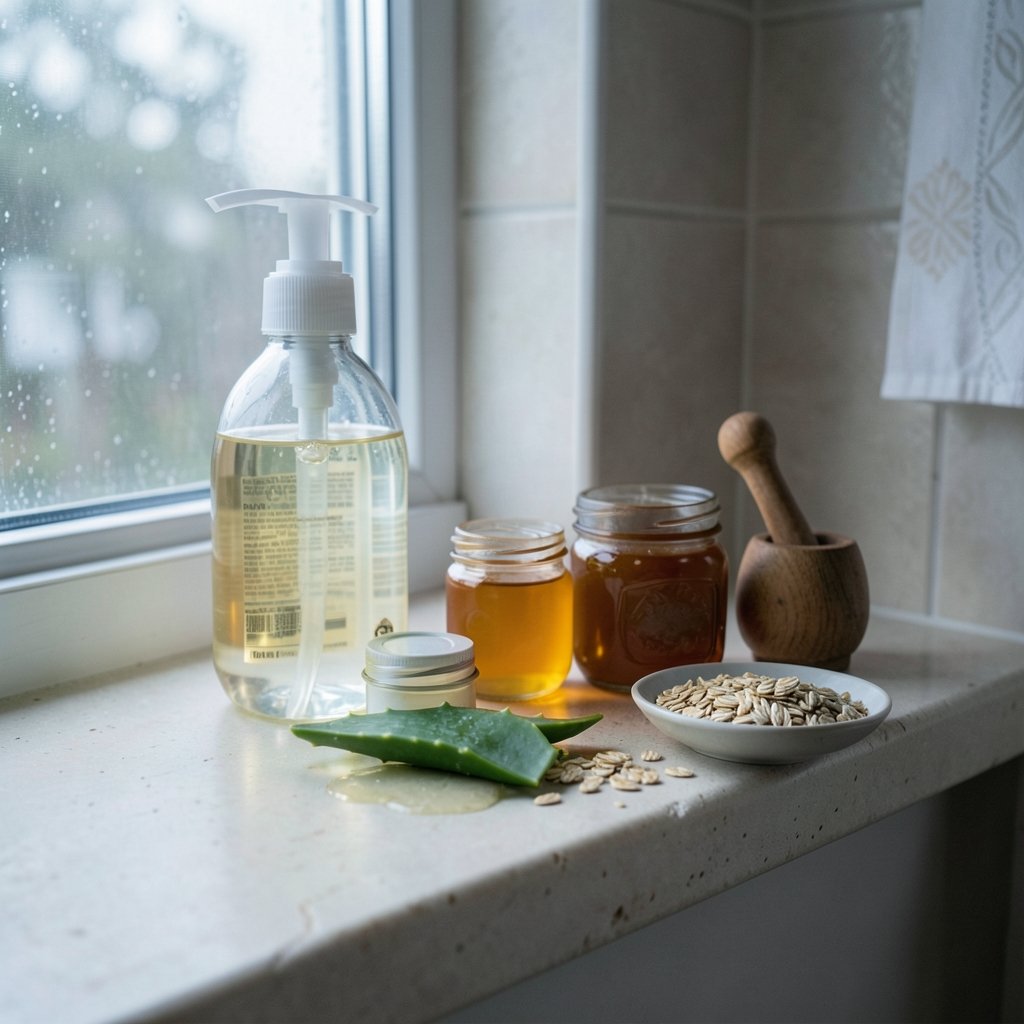
Here is the part most marketing skips: every shampoo, no matter how food-forward its label, needs surfactants to clean hair. Surfactants are the molecules that lift oil and dirt so water can rinse them away. The workhorses are anionic surfactants such as sodium lauryl sulfate (SLS) and sodium laureth sulfate (SLES).
“Whole foods” shampoos often swap those for gentler options. Common substitutes include coco-glucoside and sodium cocoyl isethionate. These can be milder on the scalp, though “gentle” is not the same as “better for everyone.” People with fine or oily hair sometimes find milder surfactants leave buildup, while people with dry or sensitive scalps often prefer them.
The food ingredients themselves usually play a supporting role. Aloe vera juice, coconut oil, honey, and oat extract can add conditioning or label appeal, but their cleansing power is limited. There is no verified study quantifying how much of these ingredients a typical formula contains, so treat “made with coconut oil” as a hint, not a guarantee of performance.
A practical tip: scan the first five ingredients. In most formulas, they make up the bulk of the product. If water and surfactants lead and the food ingredients appear near the end, the “whole foods” angle is doing more marketing work than formulation work.
Preservatives: The Safety Detail Nobody Talks About
Water-based products can grow microbes. That makes preservatives necessary, even in a shampoo that markets itself as natural. Common choices include phenoxyethanol and sodium benzoate.
This is where “whole foods” claims can get slippery. Some brands imply that natural products need no preservatives, which is simply not true for anything containing water. The European Union’s Cosmetics Regulation, EC No 1223/2009, in force since July 2013, sets maximum permitted concentrations for preservatives and strict labeling rules. The U.S. FDA has parallel but less prescriptive authority. In practice, a well-preserved “natural” shampoo is safer than an under-preserved one that markets itself as pure.
What should shoppers look for? A clear preservative system listed on the label is a good sign, not a red flag. A product that claims to be preservative-free while containing water deserves extra scrutiny.
Fragrance and Allergens: The Transparency Gap
Fragrance is one of the biggest transparency gaps in personal care. Under EU rules, 26 fragrance allergens must be declared on the label once they exceed set thresholds, as laid out in Annex III of Regulation 1223/2009. In the U.S., a single word, “fragrance,” can cover many undisclosed ingredients.
That matters for “whole foods” shampoos because they often lean on aromatic oils like tea tree or lavender for scent. Aromatic oils are natural, but natural does not mean risk-free. Botanical extracts and aromatic oils can cause contact dermatitis, a reaction documented in patch-test literature. People with sensitive skin should patch-test a new shampoo on a small area before committing to a full wash.
Here is a simple comparison of what to check:
| Label claim | What it usually means | What to verify |
|---|---|---|
| “Whole foods” | Food-derived ingredients included | Position of those ingredients in the INCI list |
| “Natural” | Undefined marketing term | Full ingredient list and preservative system |
| “Organic” | May follow a private standard | Whether a certification logo appears |
| “Chemical-free” | Impossible and misleading | Ignore it; water is a chemical |
| “Sulfate-free” | Different surfactants used | Which surfactants replace SLS or SLES |
That last row matters. “Chemical-free” is vague and misleading, and the FDA has publicly cautioned against claims like it. Water, after all, is a chemical, and so is every ingredient in the bottle.
How to Compare Bottles Without Getting Fooled
The best way to shop for a whole foods shampoo is to stop reading the front of the bottle and start reading the back. Here is a practical routine that works in the aisle:
- Read the first five ingredients. These are the biggest components. Look for the surfactant system first.
- Check the preservative system. A water-based shampoo needs one. Its presence is a sign of responsible formulation.
- Look for third-party certifications. Logos such as Leaping Bunny for cruelty-free status or private organic standards carry more weight than front-label words.
- Use ingredient databases as a tool, not a verdict. The EWG Skin Deep database is widely cited, but its methodology is debated. Critics, including some scientists and industry groups, note that it scores hazard rather than real-world risk. Use it to spark questions, not to settle them.
- Patch-test before you commit. Apply a small amount to your inner wrist or behind your ear and wait a day.
Common mistakes people make are worth naming. Many shoppers buy based on the word “natural” alone. Others assume “sulfate-free” means gentler for everyone, when it depends on hair type. Still others ignore fragrance, which is one of the most common sources of scalp irritation. A little label literacy goes a long way.
If you enjoy practical, everyday guides like this, the same label-reading mindset applies to food. A piece on foods filled with vitamin C and how to eat them shows how ingredient knowledge changes shopping habits, and a regional guide to Indian food by region and what people actually eat proves that “authentic” is often a marketing word too. The same skepticism serves you well in the shampoo aisle. For readers who like a lighter break, this collection of clean puns for kids and the whole family is a fun palate cleanser.
What “Best” Really Means for Your Hair
There is no official ranking of the best whole foods shampoo. Any “best of” list, including this one, is editorial. What counts as best depends on your hair and scalp. A few practical rules of thumb help:
- Oily hair often does well with a slightly stronger surfactant system. Very mild formulas may leave residue.
- Dry or damaged hair tends to benefit from conditioning ingredients like coconut oil or oat extract, paired with milder cleansers.
- Sensitive scalps should prioritize short ingredient lists and fragrance-free or low-fragrance options.
- Curly or coily hair often responds well to gentler, low-lather formulas, though buildup needs occasional clarifying.
One more practical note: rotate products if your scalp feels off. Hair changes with season, water hardness, and styling habits. A shampoo that worked in summer may feel heavy in winter. Judging a bottle by how your scalp feels after two weeks is more reliable than any label claim.
If you are also planning home projects, the same “read the details” mindset applies to renovation. Guides on whole home remodeling and whole home renovation show how small specification choices shape the final result, much like the first five ingredients shape a shampoo. And for anyone curious about color care, this explainer on purple shampoo covers how toning formulas work.
The Future of Label Transparency
MoCRA added new U.S. requirements, including facility registration, product listing, adverse-event reporting, and rulemaking authority over fragrance-allergen disclosure. Implementation has been phased, and shoppers should check the FDA’s current status directly, since timelines can shift. If fragrance disclosure rules tighten, “whole foods” shampoos that rely on aromatic oils will need to list more of what is inside. That would be a win for anyone who has ever wondered what “fragrance” actually means.
Until then, the burden stays with the shopper. The good news is that the tools are simple: the ingredient list, a patch test, and a healthy skepticism toward any word a regulator has never defined.
Conclusion
A whole foods shampoo can be a genuinely pleasant product. Food-derived ingredients like aloe, honey, and oat extract can condition hair, and gentler surfactants suit many scalps. But the phrase itself is marketing, not a standard. The bottle that earns its place in your shower is the one with a sensible surfactant system, a real preservative, transparent fragrance labeling, and ingredients you can actually find on the list. Read the back of the bottle, patch-test, and let your scalp, not the front label, make the final call. That approach will serve you better than any “best of” list, including this one.
Frequently Asked Questions
Is whole foods shampoo actually better for your hair?
Not automatically. “Whole foods” has no regulatory definition, so quality varies by brand. Some formulas use gentler surfactants and conditioning food-derived ingredients that suit dry or sensitive scalps. Others use the phrase purely for marketing. Judge each bottle by its ingredient list, preservative system, and how your scalp responds, not by the front label.
Does whole foods shampoo contain sulfates?
It depends on the brand. Many products marketed this way are sulfate-free and use alternatives like coco-glucoside or sodium cocoyl isethionate. Others still include SLS or SLES because those surfactants clean effectively. Check the INCI list if sulfate content matters to you, and remember that sulfate-free does not automatically mean gentler for every hair type.
Is organic shampoo the same as whole foods shampoo?
No. “Organic” on a personal-care label is not a single federal standard. USDA organic rules generally cover agricultural products, and cosmetics often fall outside that scope unless they meet specific requirements. Some shampoos follow private standards such as NSF/ANSI 305 instead. Look for a certification logo rather than trusting the word alone.
Can natural shampoo cause scalp irritation?
Yes. Oils such as tea tree and lavender, along with botanical extracts, can cause contact dermatitis in some people. Fragrance is a common culprit, and in the U.S. it can hide many undisclosed ingredients under one word. Patch-test a new product on a small area of skin before washing your full head with it.
Why is “chemical-free” a misleading claim?
Because it is impossible. Water is a chemical, and so is every ingredient in a shampoo, natural or not. Regulators have cautioned against claims like “chemical-free” because they confuse shoppers rather than inform them. Focus instead on which specific ingredients are present and at what position in the list.
How do I choose the best whole foods shampoo for my hair type?
Start with your scalp. Oily hair often needs a slightly stronger cleanser, while dry or sensitive scalps do better with mild surfactants and fragrance-free formulas. Read the first five ingredients, confirm a preservative system is listed, and patch-test. Give any new product two weeks before deciding whether it works for you.









