

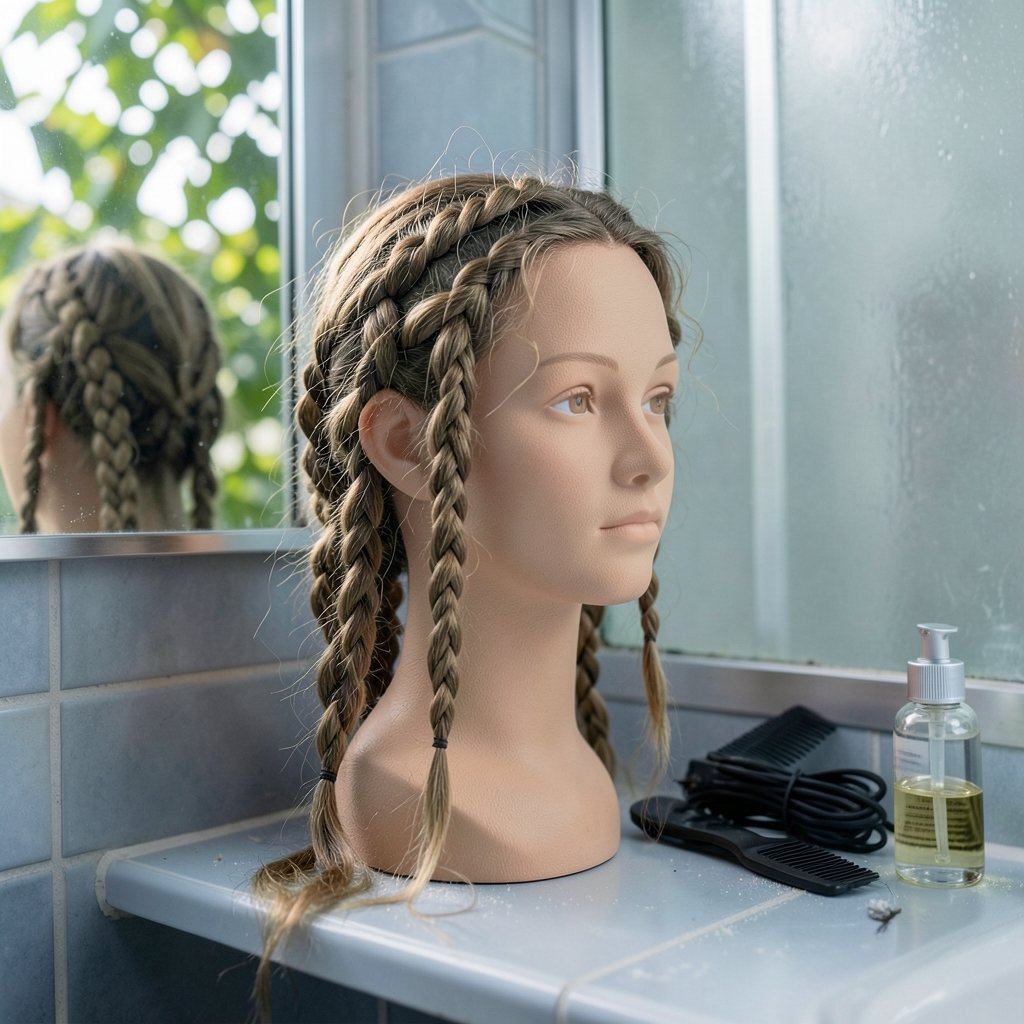
What do you picture when someone says “boco braids”? A loose, sun-kissed bohemian braid? A salon brand you’ve seen on a booking menu? A typo for something else entirely? If you searched the term and came away more confused than before, you’re not alone. The phrase floats around social media and styling chats without a firm, agreed definition, and that ambiguity is exactly what this article sorts out.
The honest answer up front: boco braids are not a formally documented braid style with a traceable origin, the way box braids or knotless braids are. The term appears to be a loose, informal label, most likely a variation or misspelling of “boho braids,” the soft, loose, deliberately undone braided look that has been popular for years. Some people also use it as a catch-all for a relaxed braided style with wispy leave-out. Because the term is not standardized, the smart approach is to understand the family of styles it probably points to, then ask the right questions before you sit in a stylist’s chair.
This guide walks through what the term most plausibly means, how it compares to established braid types, what to ask for at an appointment, how to care for the finished style, and which mistakes to avoid. It also flags plainly where the evidence runs out, because pretending a fuzzy term is a fixed technique helps nobody.
Where the Term Comes From, and Why It’s Fuzzy
Braided hairstyles have deep roots in African and African-diaspora hair traditions, and terms like box braids, knotless braids, and boho braids are widely used and documented in Black hair care writing. “Boco” does not appear in that established vocabulary in any consistent way. That matters, because it means the word is probably doing one of three jobs: (2b hair)
- A misspelling or phonetic spelling of “boho.” This is the most likely explanation. “Boho braids” describes braids with a soft, loose, intentionally imperfect finish, often with curly leave-out framing the face.
- A brand or salon name. Some studios invent signature style names to differentiate their menu. If a salon near you lists “boco braids,” it may simply be their house term for a specific look.
- A regional or platform-specific nickname. Style names often spread through short videos faster than any dictionary can track, and meanings drift by city and by creator.
None of these possibilities can be confirmed without a named source, and no reliable documentation pins the term to a specific origin, region, or technique. So treat any confident claim that “boco braids originated in X” with suspicion. The spelling alone tells you nothing about history, and inferring an origin from a word is a classic trap.
What you can do is reverse-engineer the style from the photos that use the label. In practice, most images tagged with the term show braids that are softer and looser than classic box braids, with visible curl at the ends or around the hairline. That visual signature is the useful part.
What Boco Braids Most Likely Look Like
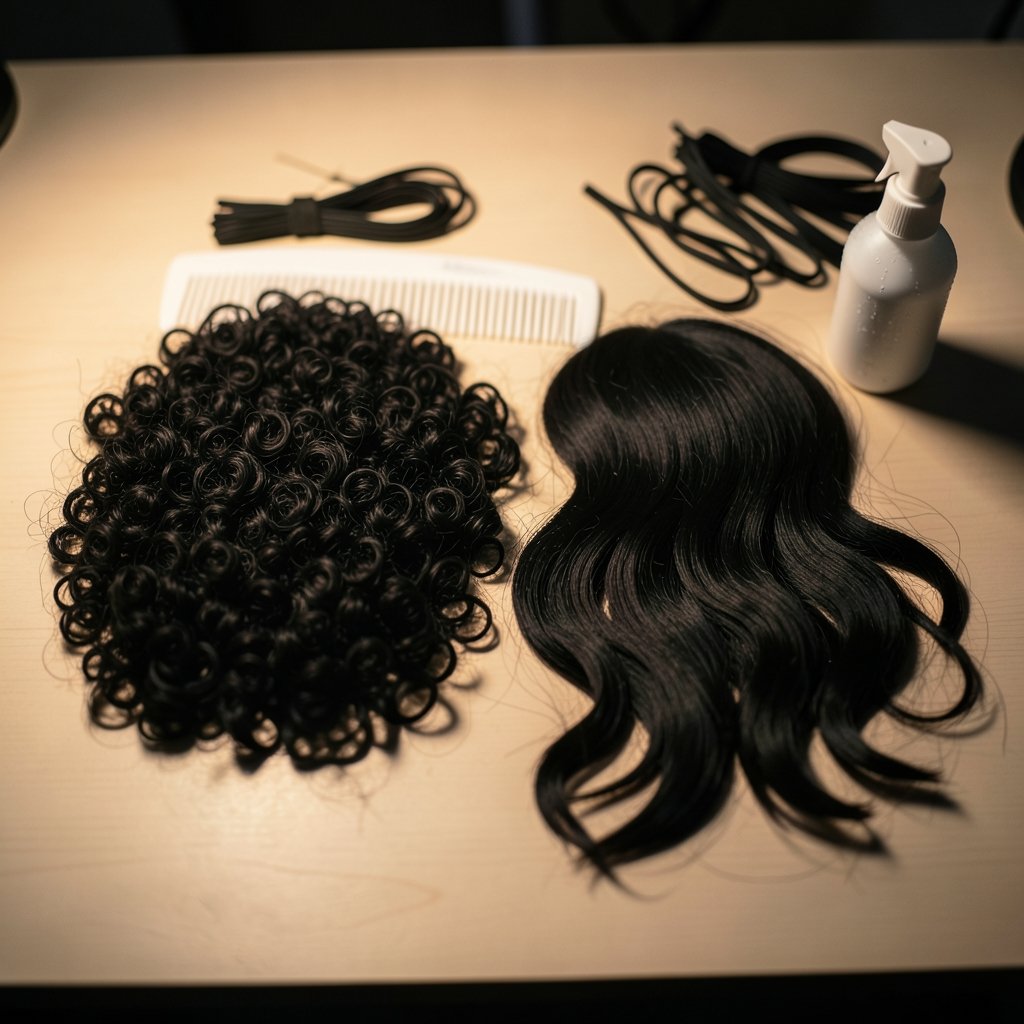
If the term is a cousin of boho braids, here is what the style typically involves. These are the features to look for in reference photos and to describe to a stylist.
| Feature | Typical boho-style finish | Classic box braids |
|---|---|---|
| Tension | Loose at the root, softer hold | Firmer, closer to the scalp |
| Leave-out | Curly pieces left loose at the hairline and ends | Usually none, or minimal |
| Parting | Often less rigid, more blended | Clean, geometric sections |
| Finish | Deliberately undone, textured | Neat, uniform, sleek |
| Maintenance | Higher, because loose pieces tangle | Lower, because sections stay sealed |
The defining trait is the soft, lived-in finish. Where box braids aim for precision, boho-style braids aim for ease. That difference shapes everything downstream: how long the install takes, how the braids age, and how much daily upkeep they demand.
If your hair is tightly coiled, the loose, curly leave-out that defines this look often draws on natural 4c hair texture, which holds the wispy shape well but also needs careful detangling. If your hair is looser, a 2b hair pattern can give the style a beachy, waving finish instead of tight curls. Both can work; the technique just changes.
How to Ask for the Style Without Getting the Wrong Install
The single biggest practical problem with an undefined term is miscommunication. You say “boco braids,” your stylist hears something else, and you pay for a look you didn’t want. The fix is to stop relying on the label and start describing the outcome.
Follow this sequence at a consultation:
- Bring three to five reference photos, ideally showing the back, the side, and the hairline. Photos beat words every time when a term is ambiguous.
- Name the finish, not the style. Say “I want a loose, soft finish with curly leave-out around my face” rather than assuming the stylist shares your definition.
- Ask how the braids are installed. Boho-style looks are sometimes achieved with braiding hair plus loose curly extensions; the method affects price and longevity.
- Confirm the tension. Ask the stylist to keep the roots comfortable. Tightness at the scalp is the main risk factor for traction damage, and a soft style should not feel tight.
- Ask about size and density. How many braids, how thick each one, and how much leave-out will be left loose all change the final look.
- Get the price and time estimate in writing before the appointment, since loose styles with leave-out can take longer than a standard install.
A stylist who answers these questions clearly and shows you past work in the same finish is a better bet than one who nods along to a term neither of you can define precisely. If someone claims the style has a fixed, famous origin and can’t name a source, that’s a signal to slow down.
Caring for a Soft, Loose Braided Style
Loose braided styles look effortless but are not low-maintenance. The same qualities that make them pretty, the loose roots and the free curly pieces, also make them tangle-prone and quicker to frizz. A realistic care routine keeps them wearable.
At night, protect the style with a satin or silk scarf or a loose bonnet. Loose braids rub against cotton pillowcases and frizz within days. Some people also gather the braids into a loose, low bun to stop the ends from knotting.
For washing, focus on the scalp rather than soaking the whole install. Diluted shampoo applied with a nozzle bottle, gentle massage, and a thorough rinse keeps buildup down without loosening the style. Let the braids air-dry; rough towel rubbing wrecks the finish.
For moisture, a light leave-in or a water-based spray on the scalp and the loose pieces keeps hair from drying out. Heavy oils and butters tend to sit on top of the braids and attract lint, so use them sparingly.
For the leave-out, treat the loose curly pieces like delicate hair: detangle gently with fingers or a wide-tooth comb, and avoid brushing them dry. This is where most of the tangling happens, and where most of the damage shows up if you ignore it.
The one rule that overrides all the others: if the style feels tight, painful, or causes bumps at the hairline, take it out. Persistent tension is linked to traction alopecia, a form of hair loss caused by repeated pulling on the follicles. Softness is the whole point of this look, so a painful install defeats its purpose.
Common Mistakes People Make With This Style
A few errors show up again and again, and each one is easy to avoid once you know about it.
Mistake one: booking by label alone. Saying “boco braids” and hoping for the best is the fastest route to disappointment. Reference photos and a clear description of the finish do far more work than the name.
Mistake two: choosing a style that fights your natural texture. A soft, curly finish behaves differently on tightly coiled 4c hair than on looser waves. Neither is better, but the install method and the care routine should match your texture. Ask a stylist who works with your hair type regularly.
Mistake three: skipping the patch test for extensions. Braiding hair and curly extension pieces can irritate sensitive scalps. If you have reacted to synthetic hair before, test a small section first or ask about alternative fibers.
Mistake four: leaving the style in too long. Even a comfortable install has a shelf life. As new growth comes in and the braids loosen, the weight shifts and the roots take more strain. Most stylists suggest a refresh within a set window, often a few weeks, depending on how fast your hair grows and how the style ages.
Mistake five: over-manipulating the leave-out. Fiddling with the curly pieces all day, re-twisting them, and brushing them flat destroys the soft finish and causes breakage. Leave them alone between refreshes.
How the Style Compares to Neighboring Braid Trends
Braided styles exist on a spectrum from precise to relaxed, and placing boho-style braids on that spectrum helps you choose. On the precise end sit classic box braids and the smooth, scalp-hugging the row of neat cornrows. On the relaxed end sit the loose, face-framing finishes that people often call boho, and that some may be calling boco.
The trade-offs are consistent across the spectrum. More precision usually means a longer install, a neater finish, and a style that holds its shape longer. More looseness means a faster, softer look that feels lighter but needs more upkeep and frizz control. Neither end is superior; the right choice depends on your routine, your budget, and how much daily styling you want to do.
If you are unsure, start with a middle ground: a moderately sized braid with a small amount of leave-out. It gives you the soft look without the full maintenance load of a very loose install. You can always go looser next time.
Conclusion
“Boco braids” is best understood as an informal label rather than a fixed technique. The term most plausibly points to a soft, boho-style braided look with loose roots and curly leave-out, but it is not a documented style with a traceable origin, and anyone who claims otherwise should be able to name a source. The practical path is simple: bring reference photos, describe the finish rather than the name, confirm tension and price in advance, and care for the loose pieces like the delicate hair they are. Do that, and the ambiguity of the term stops mattering, because you will have communicated what you actually want. The style itself, soft, textured, and comfortable, is well worth the effort.
Frequently Asked Questions
What exactly are boco braids?
The term is not a standardized hairstyle with a documented definition. It most likely refers to a soft, boho-style braided look with loose roots and curly leave-out, or it may be a salon brand name or a misspelling of “boho braids.” Because no reliable source pins down the term, treat it as a loose label and rely on reference photos instead.
Are boco braids the same as boho braids?
Probably, in most cases. The two terms describe the same soft, undone finish in the photos that use them. However, without a named source, it is not possible to confirm that the words are interchangeable everywhere. Ask the stylist what they mean by the term before booking.
How long do soft braided styles last?
It depends on the size of the braids, your hair growth, and how well you care for them. Most stylists suggest a refresh within a few weeks. Loose styles with leave-out tend to frizz and tangle faster than precise box braids, so they often need more frequent touch-ups.
Can you wash your hair with this style in?
Yes, with care. Focus on the scalp using diluted shampoo and a nozzle bottle, massage gently, and rinse thoroughly. Avoid rough towel drying, and let the braids air-dry to preserve the finish. A light leave-in spray keeps the scalp and loose pieces moisturized between washes.
Is this style safe for your hairline?
It can be, as long as the install is not tight. Soft, loose braiding puts less strain on the roots than a firm, close install. If the style feels painful or causes bumps at the hairline, remove it, because repeated tension is linked to traction alopecia, a form of hair loss caused by pulling on the follicles.
What should you bring to a salon appointment for this look?
Bring three to five reference photos showing the back, side, and hairline. Describe the finish you want in plain words, ask how the braids will be installed, confirm the tension, and get the price and time estimate in writing. Photos and a clear description work far better than the style name alone.









