

Can a class built on light weights and very high reps really change how someone looks? Anyone scrolling through before-and-after photos of Body Pump participants has probably wondered the same thing. The pictures show leaner arms, tighter waistlines, and better posture. The captions promise transformation in eight weeks. The reality is more interesting, more useful, and a lot less dramatic than the marketing suggests.
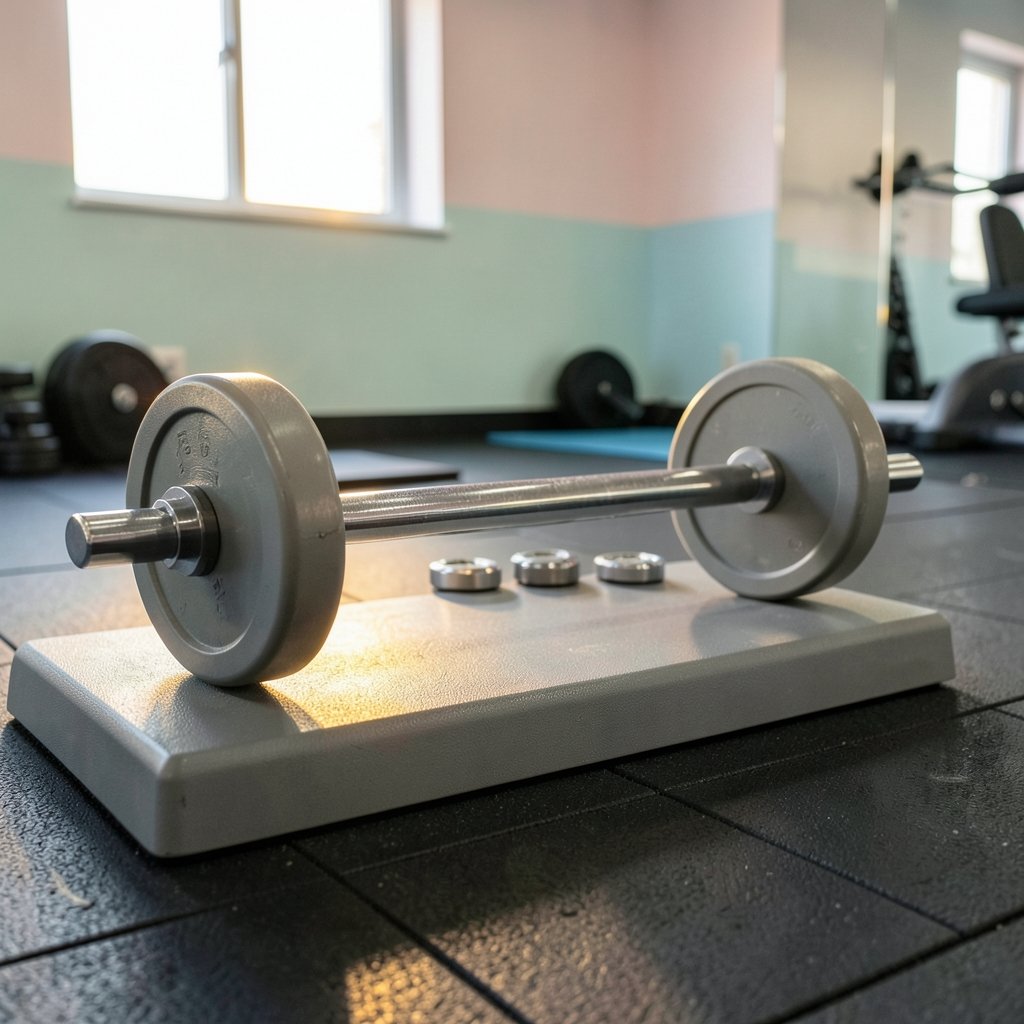
Body Pump (styled BODYPUMP by its owner, Les Mills) is a barbell-based group fitness class created in Auckland, New Zealand, in 1990 by Phillip Mills. A standard 55–60 minute session runs roughly ten tracks: warm-up, squats, chest, back, triceps, biceps, lunges, shoulders, core, and cool-down. Participants use light plates and high repetitions, often 70 to 100 or more reps per track, all set to music. That structure explains both what the before-and-after photos show and what they quietly leave out.
What the before and after photos actually show
Most transformation photos follow the same pattern. A participant starts with a few months of inconsistent training, then commits to three Body Pump classes a week, cleans up their eating, and takes weekly progress pictures. Eight to twelve weeks later, the “after” shot appears.
Several things change at once in that window, and the class is only one of them. New exercisers almost always see early changes from water retention shifts, better sleep, and more daily movement. Clothing fits differently before the mirror shows much at all. The photos capture a whole lifestyle shift, not a single workout format.
It also helps to look at how other fitness transformations get documented. The same honesty problem shows up in before-and-after results for cosmetic procedures: lighting, angles, and timing do a lot of quiet work. Body Pump photos deserve the same skepticism. Good lighting flatters everyone.
What the honest photos tend to show is modest but real: slightly firmer arms, a bit more definition in the shoulders, better posture from stronger core and back muscles, and clothes fitting a little better. What they rarely show is dramatic muscle gain. Light loads and high reps build endurance far more than size.
Why Body Pump builds endurance more than size
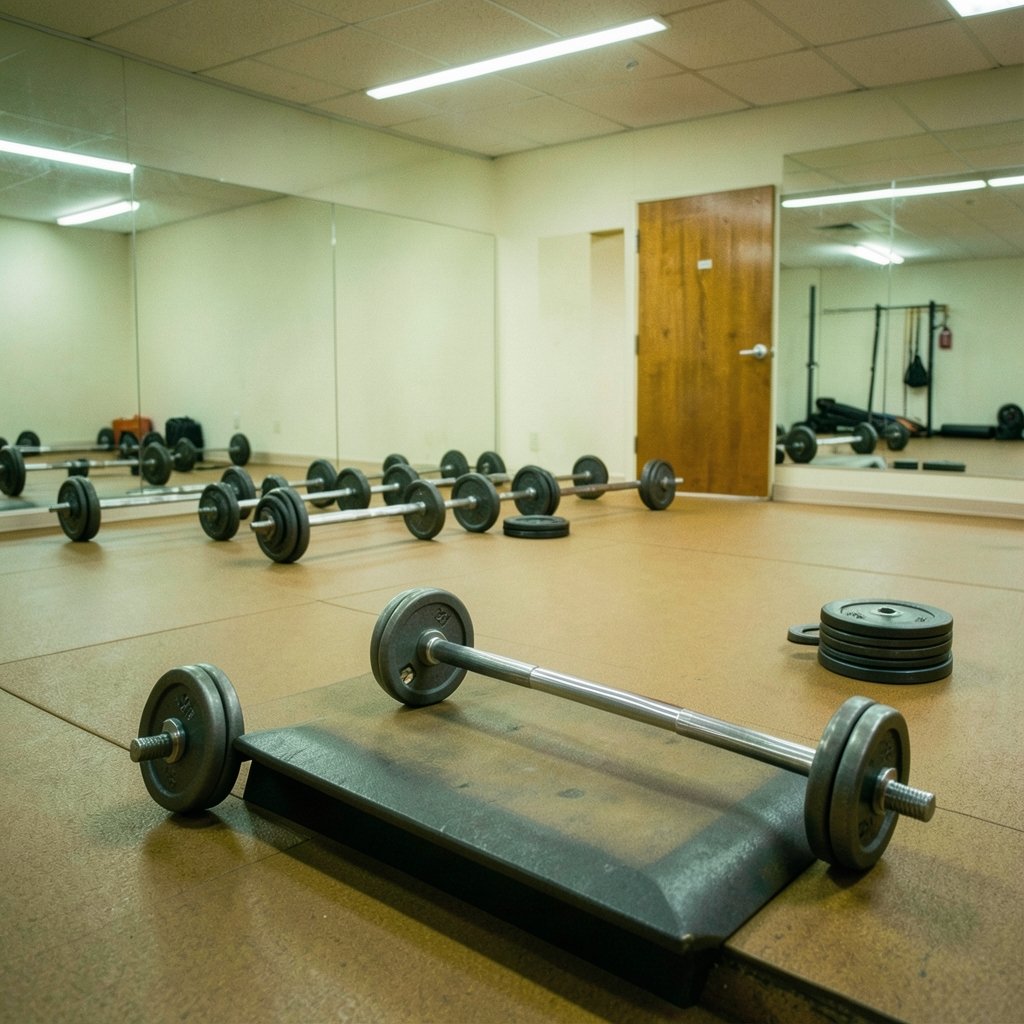
Muscle responds to the demand placed on it. Heavy loads lifted for low reps push the body toward maximal strength and hypertrophy, the technical term for muscle growth. Lighter loads lifted for many reps push it toward muscular endurance: the ability to keep working without fatigue.
Body Pump sits firmly in the second camp. The barbell stays light enough to survive a full track of squats or clean-and-press movements, which means the weight is nowhere near a true one-rep max. The American College of Sports Medicine’s position stands on resistance training have long drawn this distinction: heavier loads are more effective for maximal strength and hypertrophy, while lighter high-rep work improves endurance. Body Pump is excellent at the latter and mediocre at the former.
That is not a criticism. Muscular endurance matters for daily life, for sports, and for how long someone can carry groceries or climb stairs before their legs complain. It just means expectations should match the training. Someone who wants visible biceps peaks will need heavier, progressive loading somewhere in their week. (Emergency septic pumping homeowners need know before it)
How many calories a class really burns
Les Mills markets Body Pump as burning up to 560 calories per class. Independent estimates for this style of class tend to land lower, roughly 300 to 500 calories for a 55–60 minute session, and the range swings widely with body mass, effort, and how much weight is on the bar. Treat any single number as a rough estimate rather than a promise. A hard squat track feels like more work than a gentle warm-up, and the calorie counter does not know the difference.
The realistic Body Pump timeline
Here is where the before-and-after gap gets filled in. Progress in Body Pump follows a fairly predictable arc, and knowing it prevents the mid-program slump that makes people quit in week five.
| Timeframe | What most participants notice | What photos usually show |
|---|---|---|
| Weeks 1–2 | Soreness, better sleep, learning the choreography | Very little, maybe less bloating |
| Weeks 3–4 | Stronger endurance, fewer breaks mid-track | Slight posture improvement |
| Weeks 6–8 | Noticeably better stamina, firmer muscles | Modest tone in arms and shoulders |
| Weeks 10–12 | Confident lifting, better mind-muscle connection | Visible but subtle definition |
| Months 4–6 | Real endurance gains, easier daily tasks | Changes mostly from diet and consistency |
The pattern holds because early gains in this format are neurological and cardiovascular before they are visible. The nervous system gets better at recruiting muscle fibers, so the same bar feels lighter. The heart and lungs adapt, so the recovery between tracks shortens. None of that shows up in a mirror immediately, which is why week three is when most people give up on a program that was actually working.
What changes first, and what changes last
Endurance comes first. Most participants can finish a full squat track without setting the bar down within a month or so. Posture and core control come next, often noticed by other people before the participant sees it. Visible muscle definition comes last, and it depends heavily on body fat, which is a nutrition story more than a class story.
What actually drives results in practice
The single biggest factor in any Body Pump transformation is not the class. It is what happens the other 23 hours of the day. Here is what tends to separate the people who get results from the people who plateau.
- Load the bar honestly. The most common mistake is going too light for comfort. If the last ten reps of a squat track feel identical to the first ten, add weight. Progressive overload still applies in a group class; it just arrives in small increments.
- Attend two to three times a week. Consistency beats intensity. Three classes a week for three months outperforms five classes in one enthusiastic week followed by a month off.
- Add one or two heavier sessions elsewhere. A short session with heavier dumbbells fills the strength gap Body Pump leaves open. Two days of muscle-strengthening activity per week is the general public health benchmark, and Body Pump counts toward it, but heavier work accelerates visible change.
- Fix eating before adding classes. No group fitness format out-trains a diet that undermines it. Fat loss reveals muscle definition; Body Pump builds the muscle underneath.
- Guard form under fatigue. High-rep light-load training is generally low-risk, but shoulder and lower-back complaints are common in group barbell classes once form degrades in the final reps of a track. Drop the weight rather than the technique.
The same principle of checking the fundamentals before committing applies to plenty of big decisions. People researching a used car purchase quickly learn that the inspection matters more than the badge. Fitness works the same way: the boring basics carry the result.
Common mistakes that flatten progress
Three mistakes show up again and again. The first is treating Body Pump as cardio and never touching the plates. The second is chasing the calorie number on the marketing page and ignoring the bar. The third is comparing a personal week-six photo to a stranger’s year-two photo on social media. That last one is not a training error, but it ends more programs than any bad squat cue.
How Body Pump compares to other training styles
Understanding where Body Pump sits helps set realistic before-and-after expectations. It is a hybrid: part strength training, part cardio, part choreography.
| Training style | Best for | Typical visible change | Body Pump comparison |
|---|---|---|---|
| Body Pump | Muscular endurance, calorie burn, adherence | Modest tone in 8–12 weeks | The baseline |
| Heavy free weights | Maximal strength, hypertrophy | Larger muscle gains over months | Body Pump builds less size |
| Spin or HIIT classes | Cardiovascular fitness | Fat loss with diet | Body Pump adds loaded strength work |
| Yoga or Pilates | Mobility, core control | Posture and flexibility | Body Pump adds external load |
| Home dumbbell plans | Convenience, progression | Depends entirely on load | Body Pump adds structure and music |
The adherence point deserves emphasis. A format someone actually attends three times a week beats a theoretically superior program they skip. Body Pump’s music, choreography, and group setting keep a lot of people showing up, and showing up is the whole game.
What the research does and does not say
Honesty matters here. Most Body Pump before-and-after content online is user-generated, posted to forums, video platforms, and personal blogs. It is not controlled, not measured, and often not even the same person’s best lighting. There is limited peer-reviewed evidence specifically on Body Pump body-composition outcomes, and no large controlled trial has established a signature “Body Pump physique.”
What the broader exercise science does support is straightforward. Light-load, high-rep resistance training improves muscular endurance. It produces modest strength gains, especially in untrained participants. It burns a moderate number of calories per session. Combined with adequate protein and a sensible calorie intake, it contributes to body recomposition over months, not weeks.
That is a less exciting story than the marketing copy, but it is a more reliable one. Anyone building a plan around it can expect steady, unglamorous progress rather than a dramatic reveal.
Reading before-and-after claims without getting fooled
A few quick checks separate useful transformation stories from noise. Look for the timeline: anything claiming dramatic change in under a month is selling something. Look for the full-body shot: cropped photos hide more than they show. Look for mention of diet and other training, because a Body Pump-only transformation is rare. Look for consistency claims, like classes attended per week, and be suspicious of vagueness. And check whether the person is a beginner, since newcomers always change faster than experienced trainees. (Bbl before after results really look like practice)
The same filtering instinct is worth applying to timelines in general. Even something as simple as calculating the time between two dates can produce results that disagree depending on method, and fitness timelines deserve at least that much scrutiny. When numbers and photos conflict, trust the tape measure, the workout log, and how clothes fit over a single dramatic image.
Practical tips for tracking your own progress
Take photos in the same spot, same light, same time of day, once every four weeks. Write down the weights used on the squat and chest tracks so progression is visible on paper. Note how many reps of a track can be completed before setting the bar down. Measure energy levels and sleep, because those often improve before the mirror cooperates. Progress in this format is cumulative and quiet, and the log catches what the eye misses.
Conclusion
Body Pump before-and-after results are real, but they are smaller and slower than the photos suggest. Expect better endurance within a month, firmer muscles and improved posture within two to three, and visible definition somewhere in the three-to-six month range, mostly depending on diet and consistency. Expect less muscle size than a heavy lifting program would produce, because light loads and high reps are built for endurance. The class works best as one reliable part of a week that also includes honest loading, decent protein intake, and a couple of heavier sessions. Show up three times a week, add weight when the bar feels easy, and let the calendar do its job. The results will not look like the internet’s highlight reel, but they will be yours, and they will last longer than a photo.
Frequently asked questions
How long does it take to see Body Pump results?
Most participants notice better endurance within three to four weeks and modest visible changes in muscle tone by week eight to twelve. Visible definition usually takes three to six months and depends heavily on nutrition, since body fat determines whether new muscle shows.
Does Body Pump build muscle or just burn calories?
It builds some muscle, especially in beginners, but its main adaptation is muscular endurance. Light loads and high repetitions are less effective for hypertrophy than heavier resistance training. Participants who want noticeable size typically add separate heavier sessions to their week.
How many calories does a Body Pump class burn?
Company marketing cites up to 560 calories per class. Independent estimates for this style of class generally land around 300 to 500 calories for a 55–60 minute session, varying widely with body mass, effort, and loading. Treat any figure as a rough estimate.
Can you lose weight doing only Body Pump?
Yes, but the class is a supporting actor rather than the lead. Weight loss comes primarily from calorie intake. Body Pump contributes a moderate burn and helps preserve muscle during fat loss, which improves how results look once weight comes off.
Is Body Pump good for beginners?
It is one of the more beginner-friendly strength formats because the weights are light and the choreography is coached. The main cautions are starting too heavy and letting form degrade in the final reps of a track. Start light, learn the cues, and add plates gradually.
Why do some people see results faster than others?
Beginners change faster than trained participants, and people who arrive with consistent sleep, protein intake, and a calorie plan see visible change sooner. Genetics, starting body composition, and class frequency all play a role. Comparing personal week-six photos to someone else’s year-two photos is the fastest way to quit a program that is working.









