
Bordighera Travel Guide 2027: Italy’s Quiet Riviera Gem
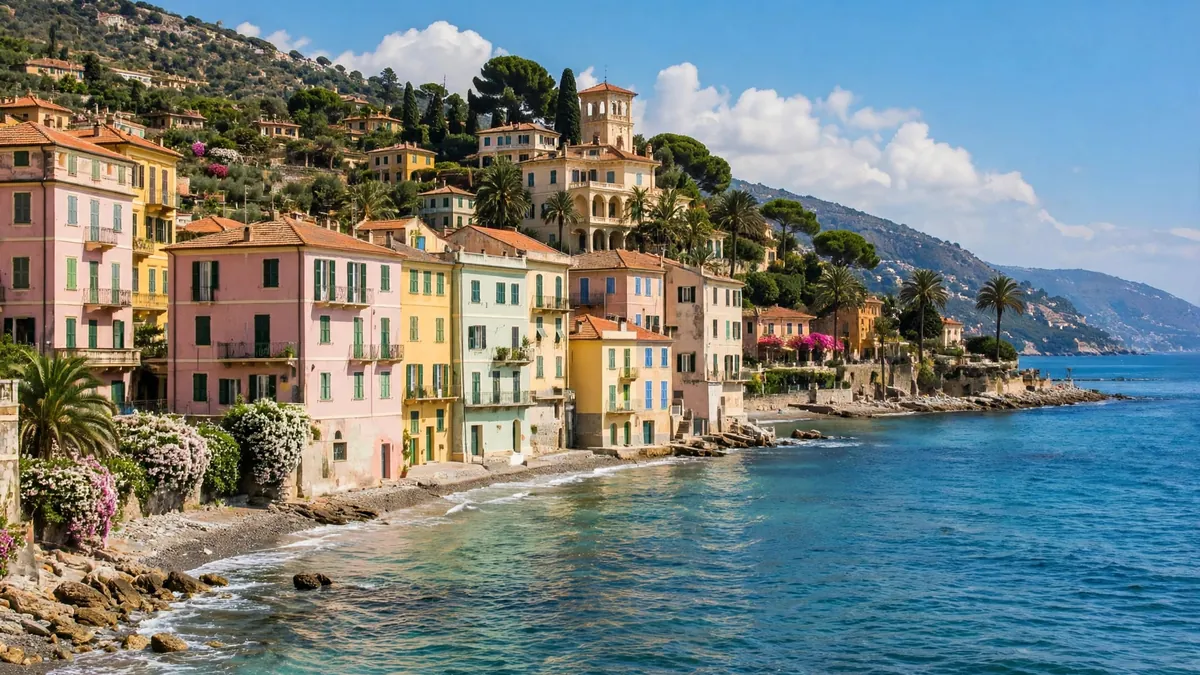
Bordighera is the Italian Riviera town most travellers drive straight past, and that is exactly why it is worth stopping for. On the Ligurian coast, a few minutes from the French border, it has the palm-lined promenades, the pastel old town and the mild winter climate of its grander neighbours, without the crowds of Sanremo or the prices of the French Riviera.
What makes Bordighera special is how little it has changed. Claude Monet came here in 1884 and painted its palms and its light. The seafront, the Lungomare Argentina, is one of the longest promenades on the Riviera, and on a weekday morning you will share it with locals walking dogs and fishermen mending nets rather than with tour groups. This is not a town of big sights. It is a town of atmosphere, and it rewards travellers who give it two or three unhurried days.
Below is a complete guide to Bordighera in 2027: the old town, the beaches, the gardens, where to stay and eat, the best day trips, and the practical details that make a short stay easy. Each section is described by what it offers, who it suits, what it costs, and what makes it stand out, so you can plan a trip that fits your pace rather than a generic Riviera itinerary.
Key takeaways
- Bordighera is a quiet Riviera town in Liguria, close to the French border, known for its palms, its mild climate and its long seafront promenade.
- The old town on the hill, the beaches and the gardens are all walkable from the centre, so a car is not essential for a short stay.
- Spring and autumn are the best times to visit: warm enough for the beach, quiet enough to enjoy the town, and cheaper than high summer.
- Day trips to Sanremo, Ventimiglia, Dolceacqua and Menton are easy by train, with no car needed.
- Bordighera is not a nightlife or shopping destination, and its beaches are mostly pebble, so pack accordingly and set expectations honestly.
What Bordighera actually is
Bordighera sits on the western Ligurian coast, in the province of Imperia, about 20 kilometres from the French border. It grew as a winter resort in the nineteenth century, when wealthy northern Europeans came for the mild climate, and the town still carries that elegant, slightly faded character: grand villas behind garden walls, palm trees planted along the seafront, and a historic centre that feels a world away from the modern town below.
The town has two distinct parts. The old town, the Città Alta, sits on a hill above the sea, a compact maze of stone lanes, small squares and views across the rooftops to the water. The modern town spreads along the coast, with the long Lungomare Argentina promenade, the railway station, the shops and the restaurants.
Bordighera’s claim to fame is its light and its palms. The town is famous for its date palms, which were once exported for Palm Sunday ceremonies, and the mild climate means gardens here grow plants that struggle elsewhere in Italy. Monet painted the town in 1884, and his views of the palms and the sea are still recognisable today.
How to plan a Bordighera trip and what to look for
Plan around walking, not driving. Bordighera is small, the centre is flat along the seafront, and the train station connects directly to Genoa, Nice and Ventimiglia. A car is useful only if you want to explore the hill villages of the Ligurian hinterland, and parking in the old town is limited.
Look next at the season. Bordighera is a year-round town, but it changes character with the calendar. Spring brings warm days, wildflowers and empty beaches. Summer is hot, busy and more expensive, with the beaches full and the restaurants booked. Autumn is the sweet spot for many travellers: the sea is still warm, the light is softer, and the town feels local again. Winter is mild and very quiet, which suits a restorative break but means some restaurants and beach clubs close.
Finally, look at what you want from the trip. Bordighera suits a slow, restorative holiday: reading on the beach, long lunches, garden visits and day trips by train. Our guide to St Barts is a useful comparison, because both are places where the pleasure is in the setting and the pace rather than in a list of attractions, and Bordighera delivers that at a fraction of the price.
The 9 best things to do in Bordighera in 2027
The old town (Città Alta)
Location: On the hill above the seafront, reached on foot from Via Vittorio Emanuele. Best for: An evening stroll, photography, and a quiet aperitivo. Price range: Free to wander; drinks from around €5. Standout feature: Stone lanes and sea views unchanged in a century.
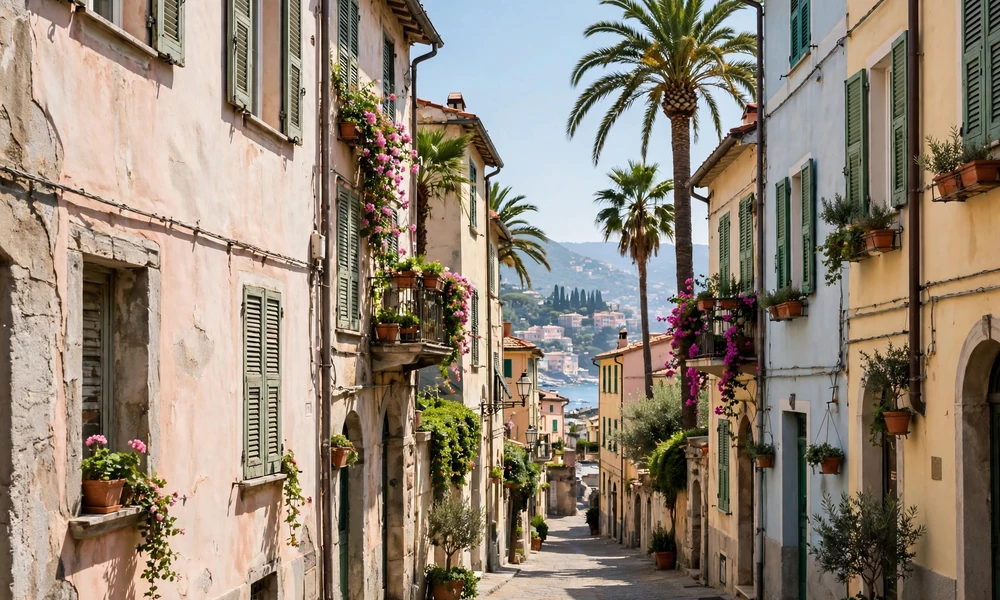
The old town is Bordighera’s soul. Enter through the Porta della Maddalena and you are in a different century: narrow lanes, washing strung between windows, small squares with a church and a cafe, and views that open suddenly between the houses. Come at sunset, when the light turns the stone gold and the town below begins to glow.
The beaches
Location: Along the Lungomare Argentina, from the harbour to the eastern edge of town. Best for: Swimming, sunbathing, and long seafront walks. Price range: Free public stretches; beach clubs from around €15 a day for a lounger. Standout feature: Long, uncrowded stretches of shore with views to France.
Bordighera’s beaches are mostly pebble and shingle, with a few sandy patches, and the water is clear and clean. The main beach near the harbour is the busiest, with beach clubs, cafes and easy access. Further east, the shore becomes quieter and more natural, with rocky coves that suit swimmers who like space. The sea stays warm into October, which is one of the town’s quiet pleasures.
Giardino Moreno
Location: On the seafront, just east of the centre. Best for: A shaded walk, plant lovers, and a break from the sun. Price range: Free. Standout feature: One of the most beautiful historic gardens on the Riviera.
The Giardino Moreno is a nineteenth-century garden that once belonged to a wealthy French family, and it remains one of Bordighera’s loveliest places. Tall palms, exotic plants, shaded paths and sea views make it feel like a private estate that happens to be open to everyone. Allow an hour, bring water, and take the time to sit on a bench and look at the sea.
Where to stay
Location: Hotels cluster along the seafront and around the old town. Best for: A comfortable base for two to four nights. Price range: Guesthouses from around €80 a night; seafront hotels from €150 to €300. Standout feature: Small, characterful hotels rather than big resorts.
Bordighera has no big resort hotels, and that is part of its charm. The best stays are small hotels and guesthouses, many in historic villas, with sea views, gardens and a personal welcome. Seafront hotels cost more but put you on the promenade. Guesthouses in the old town are quieter and cheaper, with more character.
Where to eat
Location: Restaurants cluster on the seafront, in the old town, and along Via Vittorio Emanuele. Best for: Ligurian seafood, pasta, and long lunches. Price range: A casual lunch from €15; dinner with wine from €35 to €60 per person. Standout feature: Fresh fish, trofie al pesto, and Ligurian olive oil.
Eating in Bordighera means Ligurian cooking: trofie with pesto, fresh fish, farinata, and vegetables dressed in the region’s delicate olive oil. The seafront restaurants are the most scenic and the most tourist-priced, while the old town has smaller, cheaper trattorias where locals eat. Book ahead for dinner in summer, especially at weekends.
Day trips: Sanremo and Ventimiglia
Location: Sanremo is 15 minutes east by train; Ventimiglia is 10 minutes west. Best for: A change of scene, markets, and a bigger town. Price range: Train tickets from €2 to €4 each way. Standout feature: Two very different Riviera towns within a short ride.
Sanremo is the Riviera’s grand resort town, with its casino, its elegant old town called La Pigna, and its flower markets. Ventimiglia is rougher and more local, with a famous Friday market, a medieval old town across the river, and a slower, more working-town feel. Both are easy by train, and both make good half-day trips.
Day trips: Dolceacqua and Apricale
Location: Inland, up the Nervia valley, 20 to 30 minutes by bus or car. Best for: Hill villages, wine, and a taste of inland Liguria. Price range: Bus tickets from €2; a wine tasting from €15. Standout feature: Medieval villages that Monet also painted.
Dolceacqua is the prettier of the two, a stone village straddling a river, with a castle, a hump-backed bridge that Monet painted, and restaurants serving the local Rossese wine. Apricale is smaller and quieter, a hilltop village of lanes and views that feels untouched by tourism. Combine one with a long lunch and you have the perfect Bordighera day trip.
Best time to visit
Location: The whole town, but especially the beaches and gardens. Best for: Warm weather without crowds. Price range: Accommodation is cheapest from November to March, dearest in July and August. Standout feature: A mild climate that makes spring and autumn genuinely pleasant.
April to June is the best time for most travellers: warm days, cool evenings, flowers in the gardens, and beaches that are not yet crowded. September and October are almost as good, with a warm sea and softer light. July and August are hot and busy, with higher prices and full beaches.
Getting there and what to pack
Location: Bordighera station is on the Genoa to Ventimiglia line, with direct trains to Nice. Best for: A car-free trip. Price range: Trains from Nice from around €8; from Genoa from around €12. Standout feature: Easy rail access from two countries.
The easiest way to reach Bordighera is by train. Nice airport is about an hour away, with a bus or train connection to the town. Genoa airport is around two hours by train. Pack swim shoes for the pebble beaches, a light jacket for evenings, comfortable shoes for the old town’s lanes, and sunscreen even in spring, because the Riviera sun is stronger than it looks.
Which Bordighera trip is right for you
A weekend trip suits most travellers: arrive Friday, spend Saturday on the beach and in the old town, take a day trip on Sunday, and leave Monday feeling rested. Two nights is enough to see the town properly, and three nights lets you add a second day trip or a slow day in the gardens. A week is for people who want to truly unwind, with day trips, long lunches and no schedule at all.
Families will find Bordighera easy: the beaches are safe, the promenade is flat and pram-friendly, and the town is small enough for children to feel at home. Couples will find it romantic without being showy, with good restaurants, sea views and quiet evenings. Solo travellers will find it safe and walkable, with a friendly, local feel. Our guide to Canouan Island is a useful contrast, because it shows what a remote, exclusive island break looks like, while Bordighera offers a similar sense of escape with the convenience of a train station and a town that works year-round.
The caveats that matter
Bordighera is a quiet town, and that is both its appeal and its limitation. There is little nightlife, few shops beyond the essentials, and no big attractions. If you want a packed itinerary, a party scene or a shopping break, you will be disappointed. The town is also small enough that a week can feel long if you do not enjoy slow days, so plan day trips and keep your expectations honest.
| Detail | What is known |
|---|---|
| Where it is | Western Liguria, province of Imperia, near the French border |
| Best time to visit | April to June, and September to October |
| How long to stay | Two to three nights for a weekend; a week to unwind properly |
| Getting there | Train from Nice (about an hour) or Genoa (about two hours) |
| Beaches | Mostly pebble and shingle; bring swim shoes |
| Getting around | On foot; a car is not needed for a short stay |
| Budget | Guesthouses from €80; dinner from €35 per person |
| What it does not offer | Nightlife, big attractions, or a shopping scene |
Beaches are the other honest caveat. Bordighera’s shore is mostly pebble, not sand, and the water shelves quickly in places. That suits swimmers and sunbathers who like a clean, uncrowded beach, but it is not ideal for small children who want to build sandcastles, or for anyone who dislikes walking on stones.
Checklist: planning a Bordighera trip honestly
Use these checks before you book, and again before you travel.
- Choose your season: spring or autumn for the best balance of weather, prices and crowds.
- Book a small hotel or guesthouse early, especially for spring and autumn weekends.
- Plan to arrive by train from Nice or Genoa, and leave the car at home if you can.
- Pack swim shoes for the pebble beaches, and a light jacket for evenings.
- Plan at least one day trip by train, to Sanremo, Ventimiglia or Menton.
- Set expectations honestly: Bordighera is for slow days, not for a packed schedule.
Frequently asked questions
Is Bordighera worth visiting?
Yes, if you want a quiet, elegant Riviera town rather than a busy resort. It has the palms, the promenade, the old town and the mild climate of its grander neighbours, with fewer crowds and lower prices.
How many days do I need in Bordighera?
Two to three nights is enough to see the town, enjoy the beach and take a day trip. A week suits a slow holiday with several day trips and plenty of unscheduled time.
Can I visit Bordighera without a car?
Yes, easily. The train station connects to Genoa, Nice and Ventimiglia, the town is walkable, and the main day trips are by train. A car is only useful for the inland hill villages, and buses cover those too.
Are Bordighera’s beaches sandy?
Mostly no. The beaches are pebble and shingle, with a few sandy patches, and the water is clear and clean. Bring swim shoes if you dislike pebbles. The free public stretches are pleasant, and beach clubs offer loungers from around €15 a day.
What is the best day trip from Bordighera?
Sanremo is the easiest and most varied, with its old town, casino and gardens. Dolceacqua is the prettiest, with its castle, bridge and wine. Menton, just across the French border, is a good third choice, with a charming old town and a famous lemon festival in February.
Where should I stay in Bordighera?
Seafront hotels suit a first visit, with promenade views and easy beach access. Old town guesthouses suit a quieter, more characterful stay. Either way, book a small hotel or guesthouse rather than a big resort, because Bordighera’s charm is in its scale. For a sense of what a grand Riviera hotel stay can feel like, our guide to the best luxury hotels in Santorini shows the other end of the spectrum, while Bordighera offers the same sea light at a gentler price.
The bottom line
Bordighera is the Riviera town for travellers who have already seen the famous places and want something quieter. It has the palms, the promenade, the old town and the mild climate, without the crowds or the prices of its neighbours. Two or three unhurried days here, with a beach morning, a long lunch and an evening in the old town, is one of the most restorative short breaks on the Italian coast.
Go in spring or autumn, arrive by train, stay in a small hotel, and let the town set the pace. Plan one day trip, pack swim shoes, and do not try to fill every hour. Bordighera rewards the traveller who slows down, and that is the honest reason to choose it over a busier Riviera town.