

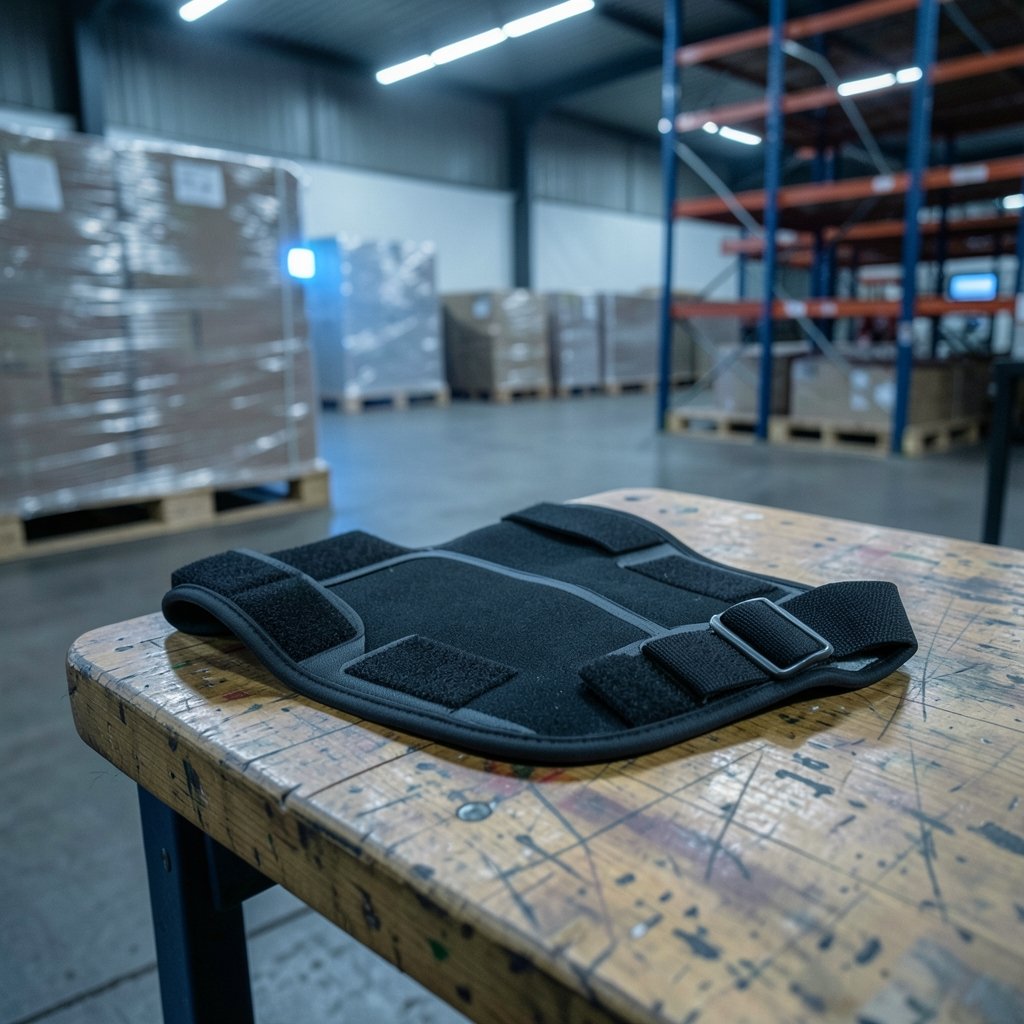
What if the plastic shell strapped around your torso could actually change the shape of your spine, or make back pain disappear? Millions of people wear some kind of brace on their back every year, from teenagers with scoliosis to warehouse workers lifting boxes. The promises are big. The evidence is more complicated, and honestly, more interesting.
This guide breaks down what back braces really do, who benefits most, how to wear one without making things worse, and the mistakes that trip up first-time wearers. It also covers the other meaning of “braces on back” that sends people searching: lingual braces, the kind glued to the back of your teeth. Two very different devices, one shared lesson about expectations.
What “Braces on Back” Usually Means
Most searches for this phrase fall into one of two buckets. The first is spinal bracing: rigid or soft orthoses worn around the lower back, chest, or both to support the spine. The second is lingual braces, which sit behind the teeth rather than on the front. Both get called “braces on the back,” and both involve a device doing quiet work out of sight.
For the purposes of this article, the focus is mainly on back orthoses, with a section on lingual braces near the end for readers who landed here looking for dental information.
The Main Types of Back Brace
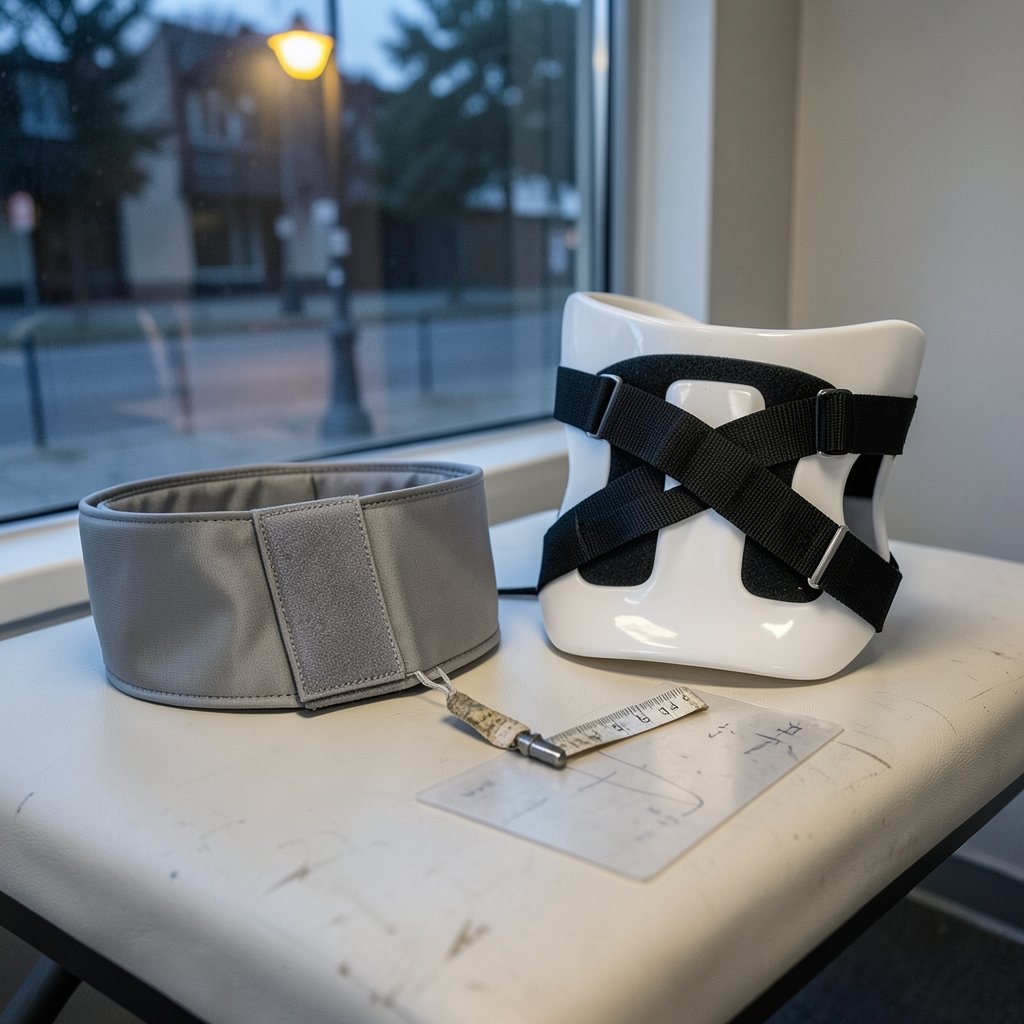
Not all back braces are built for the same job. Wearing the wrong type is one of the most common mistakes people make, often because a friend recommended whatever worked for them.
| Brace type | Typical purpose | Rigidity | Who usually wears it |
|---|---|---|---|
| Lumbar support belt | Low back pain, lifting support | Soft, flexible | Workers, people with episodic pain |
| Rigid thoracolumbosacral orthosis (TLSO) | Scoliosis curve control, post-fracture support | Rigid plastic shell | Adolescents with growing spines, fracture patients |
| Custom-molded scoliosis brace | Slowing curve progression during growth | Rigid, custom-fit | Teens in a growth spurt |
| Post-surgical brace | Protection after spinal surgery | Rigid, adjustable | Post-op patients |
| Corset-style orthosis | Compression, posture cueing | Semi-rigid | Varies by prescription |
The key distinction is between support and correction. Soft belts support. Rigid shells are designed to influence position, and they only work when fitted precisely to one person’s body.
What a Back Brace Can Actually Do
A brace is a tool with a narrow job description. It does not cure back pain, rebuild muscle, or permanently straighten a spine. What it can do is more modest and more useful than the marketing suggests.
Support during specific activities
For people with low back pain, a brace can act as a physical reminder to lift with the legs and keep the spine neutral. It also provides proprioceptive feedback, meaning the pressure against your skin tells your brain where your torso is. That cue alone helps some people move more safely during a shift or a move.
Slowing scoliosis progression
In growing adolescents with moderate curves, a well-fitted rigid brace worn for the prescribed number of hours can slow curve progression. The word “slow” matters. Bracing is a holding action during growth, not a permanent fix, and results depend heavily on wear time. Braces worn a few hours a day tend to underperform compared with braces worn as prescribed.
Protection after surgery or fracture
After certain spinal procedures or compression fractures, a brace limits bending and twisting while tissue heals. This is one of the clearest, least controversial uses.
Posture cueing
Soft posture braces give wearers a gentle pull when they slouch. The effect is real but temporary. Take the brace off and old habits usually return unless strength work happens alongside it.
What a Back Brace Cannot Do
This is where expectations need a reality check.
- It will not strengthen your core. Muscles get stronger through load, not through being held still. Relying on a brace for months without exercise can leave you weaker than when you started.
- It will not cure chronic pain. Evidence for long-term pain relief from bracing is mixed at best. Some people feel better; others feel no difference.
- It will not permanently straighten a spine. Curves may be held, but the underlying structure does not change.
- It will not replace a diagnosis. Wearing a brace over an undiagnosed problem, especially one with nerve symptoms, can delay proper care.
A useful rule of thumb: a brace is a short-term or situational tool, not a lifestyle. If you have been in the same brace for a year with no plan to come out of it, that is worth a conversation with a clinician.
Getting the Fit Right
Fit is the single biggest factor between a brace that helps and one that ends up in a closet. Off-the-shelf belts come in sizes; rigid orthoses should be custom-molded or at least professionally adjusted.
Practical fitting checks:
- Wear a thin shirt underneath. Seams and thick fabric create pressure points.
- Check the straps while seated. Straps that feel fine standing can dig in when you sit, which is most of the day for many people.
- Look for red marks that last. Pink pressure that fades within 20 minutes is normal. Deep red marks or numbness are not.
- Test a full day before trusting it. Wear it for a work shift at home first, not on the day of a big event.
- Get it re-checked after any weight change. A brace fitted at one body weight will not fit the same after significant gain or loss.
For anyone with textured or tightly coiled hair along the back of the head and neck, strap placement near the hairline deserves extra attention. Friction against 4c hair at the nape can cause breakage and irritation, so ask for padding or a strap route that avoids pulling. The same care applies to anyone with sensitive skin along the spine.
Common Mistakes People Make
A few patterns show up again and again among new brace wearers.
Wearing it too tight. People assume tighter means more support. In reality, overtightening restricts breathing, rubs skin raw, and pushes the brace out of position. It should feel snug, not crushing.
Skipping the ramp-up. Going from zero to ten hours on day one is a recipe for soreness and quitting. Start with one to two hours, then add time gradually.
Ignoring the skin. Check the skin under the brace daily, especially over bony points. Moisturize healthy skin, keep the brace liner clean, and never ignore a developing sore.
Wearing it to bed without instruction. Nighttime bracing is a specific prescription for some scoliosis cases. It is not a default.
Ditching exercise. The best outcomes happen when bracing is paired with targeted strengthening, especially for the deep abdominal and back muscles. The brace buys time; exercise builds capacity.
Buying online without a fitting. A rigid brace ordered from a listing without measurement is a gamble. Soft belts are more forgiving, but even those benefit from a size check.
Living With a Brace Day to Day
Comfort is a skill, and it takes a couple of weeks to develop. Clothing matters: loose tops and pants with some stretch make the brace less obvious and less annoying. A thin moisture-wicking base layer reduces sweat and rubbing, which matters a lot in warm weather or during physical work.
For teens wearing a scoliosis brace, the social side is often harder than the physical one. Loose layers, a school nurse who knows the schedule, and a couple of trusted friends who understand what the brace is for can make a real difference. Many people find that the brace becomes background noise within a month.
Sleeping arrangements need thought too. Side sleepers often need a pillow between the knees and a slightly different mattress firmness to stay comfortable. If a brace is prescribed for nighttime wear, follow the instructions exactly; if it is not, take it off before bed.
When to Call a Clinician
Seek medical advice rather than adjusting the brace yourself if you notice:
- New numbness, tingling, or weakness in the legs
- Skin breakdown, blisters, or open sores under the brace
- Pain that gets worse with bracing rather than better
- Trouble breathing or eating comfortably while wearing it
- A brace that has become loose, cracked, or misaligned
These signs are not reasons to panic, but they are reasons to get the fit or the diagnosis reviewed.
The Other Meaning: Braces Behind the Teeth
If you searched for “braces on back” because you are considering lingual braces, here is the short version. Lingual braces are brackets and wires bonded to the tongue side of the teeth. They are effectively invisible from the front, which is the main appeal. (The row)
Trade-offs are real. They can be harder to clean, more irritating to the tongue at first, and not suitable for every bite problem. They also tend to cost more than traditional braces because placement is more technical. For anyone weighing options, the same advice applies as with back braces: get an assessment from a qualified professional rather than deciding from photos online. If you are also comparing bracket styles or reading up on curl patterns and hair care alongside your research, pages on topics like 2b hair show how specific these niche guides can get. (4c hair)
A Balanced Verdict
Back braces are neither miracle devices nor useless props. They are situational tools with clear wins (post-surgical protection, fracture support, slowing scoliosis curves during growth, lifting cues) and clear limits (no permanent correction, no muscle building, mixed results for chronic pain). The people who do best with them tend to share three habits: they get a proper fit, they follow a wear schedule rather than improvising, and they pair bracing with strengthening work and regular check-ins.
If you take one thing away, make it this: a brace should have an exit plan from the day you start wearing it. Ask your clinician what success looks like, how long you will wear it, and what you will do to build strength in the meantime. A brace that supports you toward those goals earns its place. One that quietly replaces them does not.
Frequently Asked Questions
How long should you wear a back brace each day?
It depends entirely on why you are wearing it. Post-surgical and fracture braces are usually worn for a set number of weeks, often most of the day. Scoliosis braces are prescribed by hours per day, and results improve with adherence to that schedule. Soft support belts for low back pain are typically used during specific activities rather than all day. Follow the written schedule you were given, and ask for it in writing if you were not.
Can a back brace weaken your muscles?
Yes, if you rely on it exclusively for a long period. Muscles need load to stay strong, and a brace reduces the work your trunk muscles do. That is why bracing is best paired with a strengthening program. Short-term or activity-specific use carries little risk of meaningful weakening, but months of full-time wear without exercise can leave you stiffer and weaker.
Does bracing actually fix scoliosis?
It does not straighten the spine permanently. In growing adolescents with moderate curves, a well-fitted brace worn as prescribed can slow progression during the growth period, which can reduce the chance of needing surgery later. Once growth stops, bracing no longer influences the curve. Anyone promising permanent correction from a brace alone is overselling it.
Can I wear a back brace while exercising?
Sometimes, but not automatically. Some programs use bracing during specific activities for support, while others deliberately remove the brace so trunk muscles work unaided. The right answer depends on your diagnosis and your clinician’s plan. Lifting with a brace on is common in workplace settings, but it should not replace learning proper lifting mechanics.
Are soft back belts useful for work?
They can help as a reminder to lift carefully and as a position cue, and some workers report feeling more confident with one on. The evidence for preventing injury is weak, though. The bigger wins come from technique, load management, and general strength. If your workplace provides belts, treat them as one part of a safety approach rather than the whole thing.
How do I know if my brace fits properly?
A well-fitted brace stays in place when you move, allows full breathing, and does not create deep red marks, numbness, or sores. You should be able to sit, stand, and walk without the brace shifting or digging in. Check the fit again after any significant weight change, and have a professional adjust it rather than bending or trimming it yourself.









