

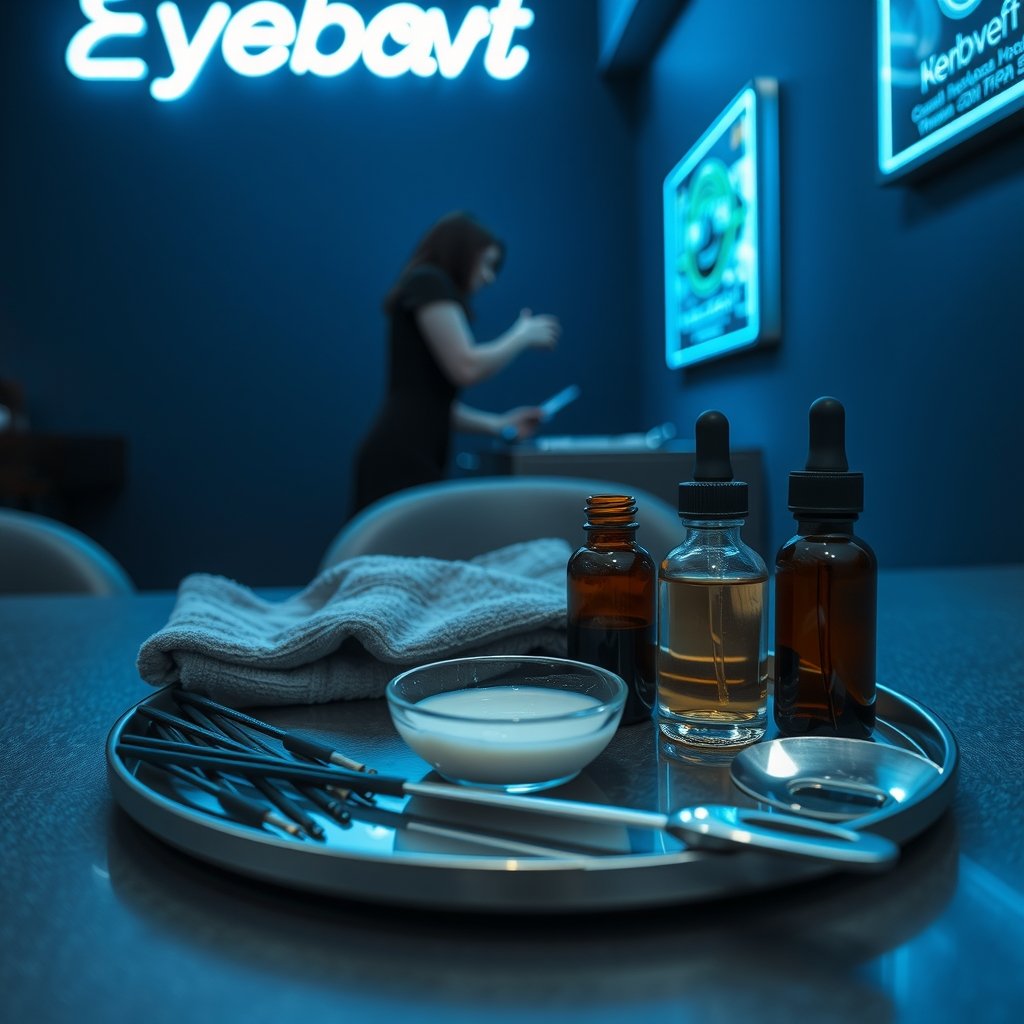
Quick Answer: Can you bleach your eyebrows?
Yes. You can bleach your eyebrows, but it is a cosmetic procedure with real risks, and it is usually done in a salon rather than at the kitchen sink. Dedicated brow-lightening products and professional tints exist, while household bleach is not approved for skin near the eyes and should never be used.
Bleaching strips pigment, whereas dyeing adds color, so the two are not interchangeable. A salon tint is gentler and easier to control than a strong lightener.
Before booking anything, check the product being used, the strength of the lightener, your allergy history, your skin sensitivity, and how close the product will sit to your eyes.
!close-up of eyebrow grooming tools on a neutral surface
Ever caught your reflection under harsh bathroom lighting and wondered why your brows look like two dark caterpillars sitting above your eyes? Plenty of people with naturally dark brows ask the same question, and the answer depends on more than a simple yes or no.
Eyebrow bleaching is a real service. It happens in salons, it happens in bathrooms, and it occasionally goes badly wrong. The difference between a soft, sunlit look and a chemical burn usually comes down to product choice, technique, and a little patience. This guide walks through what bleaching actually does, how it compares with dyeing, what can go wrong, and how to decide whether it is worth trying at all.
What bleaching actually does to eyebrow hair
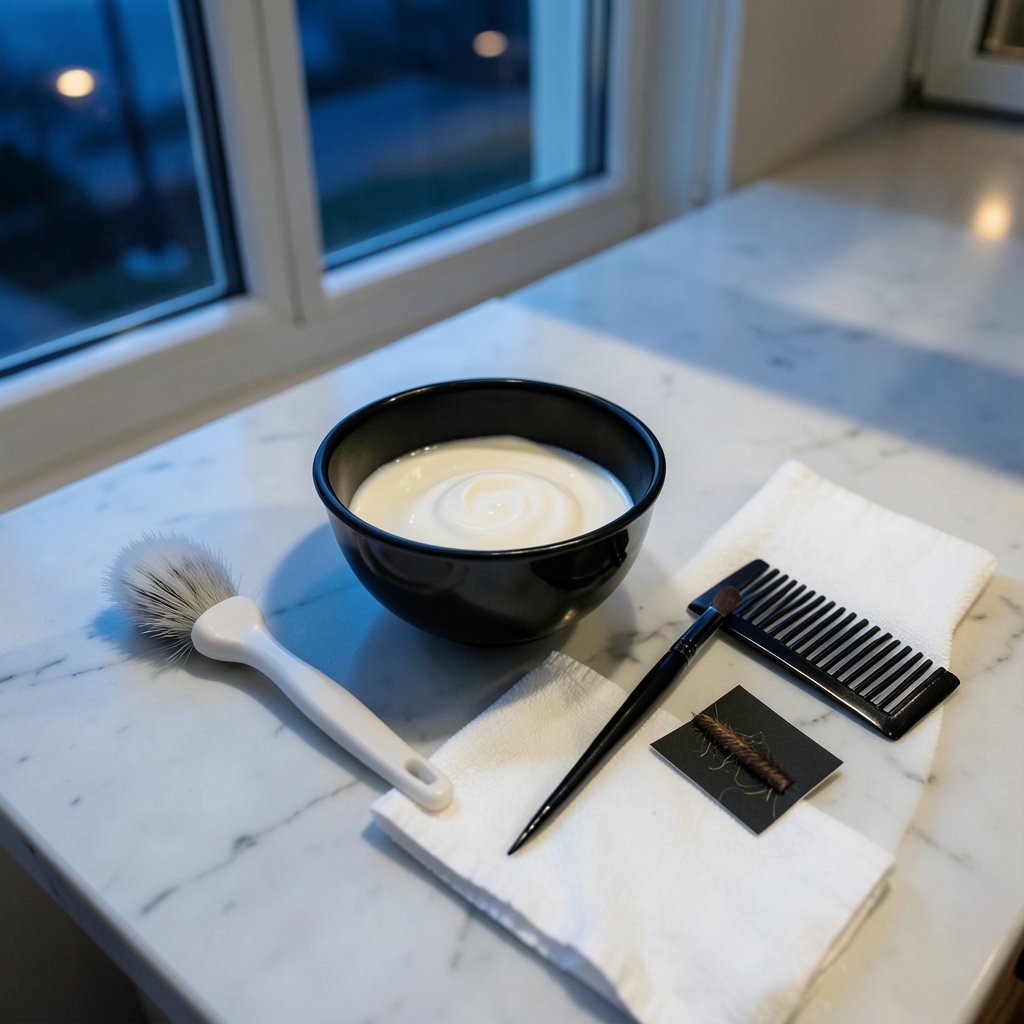
Bleach works by breaking down melanin, the pigment that gives hair its color. On a scalp, that process is routine. On a brow, the hair is finer, the skin underneath is thin, and the margin for error shrinks fast.
A lightener lifts brow hair from dark brown toward blonde, gold, or nearly invisible depending on how long it stays on. The result changes how the whole face reads. Brows frame the eyes, and lightening them can soften features, make eyes look brighter, or create a bleached-brow editorial look that has been popular on runways for years.
Here is the catch: bleaching is not a one-way switch. It removes pigment permanently from that strand of hair, and the hair does not regain its original depth. It grows out, which means roots. Anyone who has watched a highlight grow out knows the maintenance rhythm. Brows are no different, just smaller and more visible.
Bleach versus dye: two different jobs
People use the words interchangeably, and that causes confusion, sometimes dangerous confusion. Bleach lightens. Dye deposits color. A brow tint, which is what most salons offer, adds brown or black pigment and does not lift your natural shade.
| Feature | Bleach or lightener | Brow dye or tint |
|---|---|---|
| What it does | Removes pigment, lightens hair | Adds pigment, deepens or shifts color |
| Typical result | Blonde, gold, or near-invisible brows | Fuller, darker, more defined brows |
| Common setting | Salon lightening service, some at-home kits | Salon tint, some at-home kits |
| Main risk | Irritation, chemical burn, over-processing | Allergic reaction, staining skin |
| Reversal | Grows out only | Fades over weeks |
A useful rule of thumb: if you want lighter brows, you need a lightener. If you want darker or fuller brows, you need a dye. Using one to do the other’s job is how people end up with orange brows or irritated skin.
Is it safe? The honest answer
Bleaching near the eye is not risk-free. The skin around the brow is among the thinnest on the face, and the eyes themselves are a short drip away. Dermatologists and public health bodies generally advise caution with do-it-yourself chemical treatments in this area because of the potential for skin irritation, chemical burns, and eye injury.
The products matter too. Hair dyes, including those used on brows, are regulated as cosmetics, and some coal-tar dye ingredients are permitted only for use on hair, with required warnings about eye irritation and skin allergy. Those warnings exist for a reason.
Para-phenylenediamine, usually shortened to PPD, is a common ingredient in dark hair dyes and a well-known contact allergen. It is one of the most frequent causes of allergic contact dermatitis, and reactions can be severe, sometimes spreading beyond the application site. A person can develop a PPD allergy after years of tolerant use, which is why a reaction can appear out of nowhere.
In the European Union, eyebrow and eyelash dyeing is restricted under cosmetics rules that limit PPD in hair dyes and prohibit certain uses close to the eyes. Rules vary by country, but the direction of travel is consistent: regulators treat near-eye dyeing as a higher-risk activity.
Household bleach deserves its own warning. Sodium hypochlorite, the stuff in the laundry room, is not a cosmetic product and is not approved for use on brows or skin. It strips pigment unpredictably, burns tissue, and can cause serious eye damage. No tutorial, no matter how confident, makes that a good idea.
How professional brow lightening usually works
Salons that offer brow lightening typically use dedicated lightening products formulated for facial hair, not scalp bleach. The process is short and controlled.
- The brow area is cleansed and any makeup or oil removed.
- A patch test is ideally done at least 48 hours earlier, especially for first-timers.
- A small amount of lightener is applied precisely to the brow hairs, avoiding the skin where possible.
- The product is timed carefully, often checked every minute or two, because brow hair lifts fast.
- It is removed completely with cool water, and a soothing product is applied.
- The result is assessed in natural light, since bathroom lighting lies.
A good technician will ask about allergies, recent facials, retinol use, and pregnancy. They will also tell you honestly if your brows are too fine or your skin too sensitive for the service. That conversation is a feature, not a hurdle.
Doing it at home: what actually works and what does not
At-home brow lightening kits exist, and some people get decent results. Others end up with orange brows, patchy lift, or a red, stinging brow bone. The difference usually comes down to a handful of habits.
Patch test first. Apply a small amount behind the ear or on the inner forearm 48 hours before the real thing. This is standard advice for hair dye and applies just as much here. It will not catch every reaction, but it catches many.
Never use household bleach. This is the single most common and most dangerous mistake. Laundry bleach and pool chlorine are not cosmetic lighteners.
Do not leave it on longer to get “more blonde.” Over-processing does not produce a prettier result. It produces damage, breakage, and often a brassy tone that is harder to fix than the original color.
Keep the product off the skin. Lightener left on skin can cause irritation and a visible light patch that looks like a mistake for weeks.
Skip the DIY route entirely if you have sensitive skin, eczema, a known dye allergy, or are pregnant. These are commonly cited reasons to avoid chemical lightening near the eyes, and they are sensible ones.
Do not mix products. Combining a lightener with a toner, or a dye with a developer from a different kit, is a chemistry experiment on your face. Follow one product’s instructions exactly.
There is a broader lesson here that applies well beyond brows: small, precise procedures reward patience over enthusiasm. The same principle shows up in everything from how vitamins D and E work and how much you actually need to understanding what each of the five pillars of Islam actually requires in daily practice. Details decide outcomes.
What can go wrong, and what to do about it
Most brow lightening sessions end fine. When they do not, the problems tend to fall into a few recognizable buckets.
Irritation and redness are the mildest issue and usually settle within a day or two. Cool compresses and a plain, fragrance-free moisturizer help.
Chemical burns show up as persistent stinging, blistering, or broken skin. These need medical attention, not another product.
Allergic reactions can appear hours later as swelling, itching, or a rash that spreads. A severe reaction, especially with facial swelling, is a medical emergency.
Over-lightened or orange brows are cosmetic problems rather than medical ones. The fix is time, not more chemicals. A tint can sometimes tone the color, but only after the skin has fully calmed down.
Broken or frizzy brow hairs result from over-processing. Conditioning and leaving them alone for a few weeks is the honest remedy.
If something feels wrong during the process, stop. Rinse with cool water immediately and keep rinsing. The instinct to “wait and see if it settles” is exactly the wrong one when a chemical is sitting near your eye.
Alternatives worth considering before you commit
Bleaching is not the only route to softer brows, and for many people it is not the best one.
Brow tinting deepens color instead of lifting it, which suits anyone who wants fuller-looking brows. It is a different goal, so be clear about which one you have.
Brow gel or soap brows can make dark brows look intentionally bold rather than accidental, which solves the “too heavy” feeling without any chemistry.
Concealer and brow powder can visually soften brows for a day or a photo shoot with zero commitment and zero risk.
Trimming and shaping reduce visual weight dramatically. Sometimes the brows are not too dark, just too long.
Professional consultation is free in most salons and tells you whether lightening would even suit your face. That is worth twenty minutes.
For anyone who enjoys understanding how small details create a bigger picture, the logic is familiar. It is the same reason people study the names of each chess piece and what it is called before they play, or read into what each line on the palm is said to mean before deciding whether they buy any of it. Context changes the decision.
Who should avoid eyebrow bleaching entirely
Some people should simply not do this, and that is a reasonable outcome rather than a disappointment.
- Anyone with a known allergy to hair dye ingredients, especially PPD
- People with eczema, psoriasis, or broken skin around the brows
- Anyone who has recently had a chemical peel, waxing, or laser treatment in the area
- People using prescription retinoids or strong exfoliating acids near the eyes
- Pregnant or breastfeeding people, as a precaution
- Anyone who has had a bad reaction to a previous tint or lightening session
- People who cannot commit to the regrowth cycle and the upkeep
If you fall into any of those groups, a tint, a gel, or a good pair of tweezers will get you further with less risk.
How to choose a salon or technician
Ask what product they use and whether it is formulated for facial hair. Ask whether they patch test and how far in advance. Ask what happens if the result is too light or too warm. A confident, specific answer is a good sign. A vague one is not.
Look at healed results, not fresh ones. Freshly lightened brows always look their best. Photos taken two weeks later tell you far more about technique and tone.
Finally, be honest about your history. Mention every product on your face, every allergy, and every previous reaction, even minor ones. The information is only useful if the person holding the lightener has it.
Conclusion
Bleaching your eyebrows is possible, and in skilled hands it can look genuinely lovely. It is also a chemical process happening on some of the thinnest, most sensitive skin on your face, a few centimeters from your eyes. That combination deserves respect rather than a casual experiment.
The safest path runs through a professional, a patch test, and a clear-eyed conversation about what you actually want. The riskiest path runs through the laundry cupboard. Somewhere in between sit the at-home kits, which work for careful people and go wrong for rushed ones.
If your goal is softer, lighter brows and your skin is calm and tolerant, a salon lightening service is a reasonable choice. If your goal is fuller brows, a tint is the better tool. And if you are unsure, wait. Brows grow back. Burns take longer.
FAQs
Does bleaching eyebrows hurt?
Most people feel a mild tingling or warmth during the process, which is normal. Sharp stinging, burning, or itching is not normal and means the product should be removed immediately. Pain is a signal, not a stage to push through.
How long does eyebrow bleaching last?
The lightened color is permanent on the treated hair, but brows shed and regrow on a cycle of roughly a few months. In practice, most people see visible roots within three to six weeks and book a touch-up around then.
Can I use regular hair bleach on my eyebrows?
It is strongly discouraged. Scalp lighteners are formulated for thicker hair and are far too strong for the brow area, where the skin is thin and the eyes are close. Dedicated facial lightening products or a salon service are the safer options.
What happens if bleach gets in my eye?
Rinse immediately with cool water for several minutes and seek medical advice. Chemical exposure to the eye is not something to monitor at home. Keeping the product away from the lash line in the first place is the real protection.
Can I bleach my eyebrows if I have sensitive skin?
It is generally not recommended. Sensitive skin, eczema, and a history of reactions all raise the risk of irritation or a full allergic response. A patch test is the minimum precaution, and a professional assessment is wiser still.
Will bleached eyebrows look orange?
They can, especially on very dark hair that is lifted quickly. Orange and yellow tones appear partway through the lightening process. A professional can judge when to stop, which is one of the strongest arguments for not doing it alone.









