

Quick Answer: Can i use bakuchiol with retinol?
Yes. Nothing in the research says bakuchiol and retinol cancel each other out, and plenty of people layer or alternate them without drama. That said, no official health body has issued guidance on combining the two, so the smart move is to start slow, patch test, and watch your skin rather than your feed.
Bakuchiol is not a retinoid. It comes from the seeds of the babchi plant and is not converted into retinoic acid the way retinol is, so the two work through different routes. Most of the “they’re a perfect pair” and “never mix them” claims come from marketing or dermatologist opinion, not from controlled trials of the combination.
Before you start, compare your skin type and sensitivity, your current retinoid experience, product strengths and percentages, how often you plan to use each, your moisturizer and sunscreen habits, and any pregnancy considerations.
Why This Question Gets So Messy

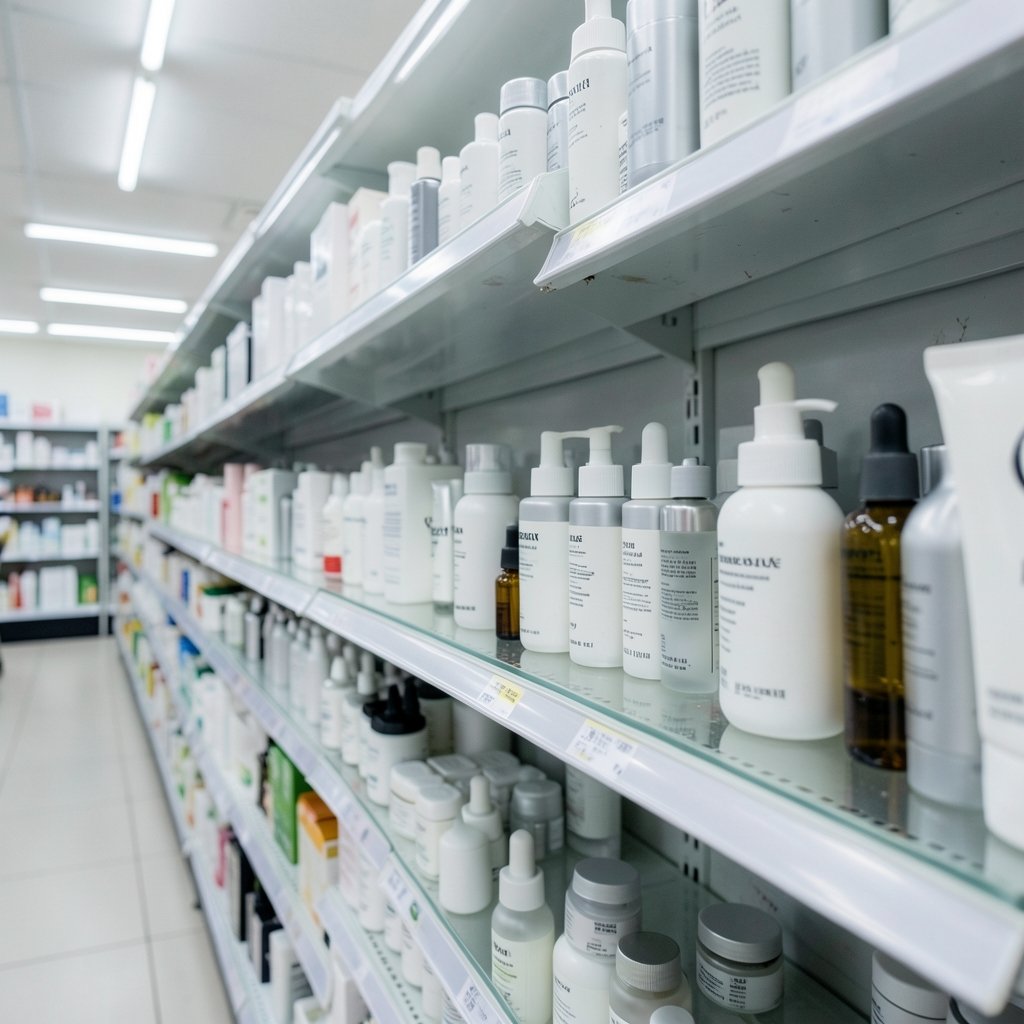
Walk into any skincare aisle and you will find bakuchiol sold as “nature’s retinol.” It is a tidy pitch. It is also a bit of a stretch.
Retinol is a vitamin A derivative. Your skin converts it into retinoic acid, which then binds to retinoic acid receptors and changes how genes behave. That is the engine behind the wrinkle smoothing and pigment fading people chase. Bakuchiol is a meroterpene phenol from babchi seeds. It is not a retinoid, and your skin does not turn it into retinoic acid. A small 2014 study reported that bakuchiol influenced retinoid-like gene expression without actually binding those receptors, which is a genuinely interesting finding, but it is not the same thing as being retinol.
So the honest framing is this: you are not stacking two versions of the same ingredient. You are stacking two different ingredients that happen to be sold with similar promises. That changes the question from “will they fight each other?” to “will my skin tolerate both?”
What the Head-to-Head Research Actually Shows
Here is where the marketing gets ahead of the science. Most “bakuchiol works just like retinol” claims trace back to a single study: a 12-week comparison of 0.5% bakuchiol cream against 0.5% retinol cream in 17 people. The researchers reported similar improvements in wrinkles and pigmentation, with bakuchiol tolerated better.
Seventeen people. One study. Partly industry-linked. That is thin ground for a sweeping claim, and independent replication has been limited. It is fair to say bakuchiol shows promise and tends to irritate less. It is not fair to say it has been proven interchangeable with retinol.
What about using them together? There is no large trial, no dose-ranging study, and no official statement from the FDA, the EMA, the NHS, or major dermatology societies specifically telling people to combine or avoid combining bakuchiol and retinol. Anyone who tells you otherwise with total confidence is offering opinion dressed as fact. That is not a reason to avoid the pairing. It is a reason to treat your own skin as the experiment.
How the Two Ingredients Differ
| Feature | Retinol | Bakuchiol |
|---|---|---|
| Ingredient class | Vitamin A derivative (retinoid) | Meroterpene phenol from babchi seeds |
| Converts to retinoic acid | Yes | No |
| Binds retinoic acid receptors | Yes | Reported not to |
| Typical irritation | Higher, especially at first | Generally lower |
| Evidence base | Decades of clinical use | One small head-to-head trial, plus supporting studies |
| Common selling point | Proven renewal | Gentler alternative for sensitive skin |
The practical takeaway from that table is simple. Retinol is the stronger, better-documented performer with a rougher onboarding curve. Bakuchiol is the gentler option with a smaller evidence file. Neither is a scam, and neither is magic.
The Real Risk: Additive Irritation
Both ingredients get marketed as renewing, exfoliating, resurfacing actives. Layer two of those and you raise the odds of dryness, redness, flaking, and a compromised skin barrier. This is a reasonable inference from how each ingredient behaves on its own, not a documented clinical finding about the pair. Still, it is the main thing that will actually go wrong in practice.
Who gets into trouble most often? People who are new to retinoids, people with sensitive or reactive skin, people using other actives like acids or benzoyl peroxide in the same routine, and people who start both products on the same night at full strength. That last one is the classic mistake. Two new products, one face, no way to tell which one caused the sting.
A smarter approach: introduce one, wait two to three weeks, then introduce the other. If something goes wrong, you know exactly what to blame. If you are already comfortable with a retinoid, adding bakuchiol is usually the easier direction.
Practical Ways to Use Both
There is no official protocol, so everything below is informed opinion rather than trial-tested guidance. That said, these are the patterns dermatologists tend to suggest and that most people find workable.
- Alternate nights. Retinol one night, bakuchiol the next. This gives your barrier a breather while keeping a renewing active in the routine most nights.
- Split morning and night. Bakuchiol in the morning, retinol at night. Bakuchiol is generally gentler and more forgiving under sunscreen, while retinol does its work overnight. This is the most popular split.
- Use bakuchiol as your buffer. If retinol is too much at full frequency, run bakuchiol on the off nights instead of skipping actives entirely.
- Sandwich the retinol. Moisturizer, then retinol, then moisturizer. It sounds fussy. It genuinely reduces flaking for a lot of people.
- Keep the rest of the routine boring. A gentle cleanser, a barrier-friendly moisturizer, and daily sunscreen. Adding acids or scrubs on top of two renewing actives is how routines fall apart.
Whichever pattern you pick, give it eight to twelve weeks before judging results. Skin turnover is slow, and the first two weeks are mostly about tolerance, not visible change.
Common Mistakes That Wreck the Routine
The biggest one is treating “gentle” as “can’t hurt me.” Bakuchiol is generally better tolerated than retinol, but that does not make it inert, and it does not mean you can slather on unlimited amounts twice a day.
The second mistake is chasing percentages. A higher number on the label is not automatically better, and with retinol especially, jumping straight to a strong formula is the fastest route to a peeling, angry face. Start low, go slow.
The third is skipping sunscreen. Retinol can make skin more sun-sensitive, and any pigment work you are doing collapses without daily SPF. If you only do one thing right, do that one.
The fourth is mixing everything at once. A ten-step routine with retinol, bakuchiol, vitamin C, two acids, and a clay mask is not a skincare plan. It is a stress test. Strip it back, get the two actives settled, then add extras one at a time.
What About Pregnancy and Sensitive Skin?
Retinoids are generally advised against during pregnancy, and that guidance is well established. Bakuchiol is frequently marketed as a “pregnancy-safe retinol alternative,” but that label is marketing, not a regulatory endorsement. The data on topical bakuchiol in pregnancy is limited, so anyone pregnant or breastfeeding should talk to their clinician rather than trusting a bottle.
Sensitive skin is a different conversation. If your skin historically reacts to retinoids, bakuchiol alone may be the better starting point, and adding retinol later at low strength and low frequency is reasonable. If your skin handles retinoids well, there is no obvious reason to avoid pairing them, as long as you are watching for the early signs of barrier trouble: tightness after cleansing, stinging when you apply moisturizer, or flaking around the nose and mouth. Those are your cue to pull back.
One more context worth knowing: babchi extracts have been linked to liver concerns in some oral supplement and medicinal settings, which drew regulatory attention in some countries. Topical cosmetic use is a very different exposure route, but it is a reminder that “plant-derived” does not automatically mean “risk-free.” That is not a reason to panic about your serum. It is a reason to buy from brands that publish clear ingredient information and to avoid swallowing anything sold as a miracle cure.
How This Fits Into a Wider Routine
If you are still building your routine, the ingredient landscape can feel endless. Curl patterns and hair typing get the same treatment, with 4c hair and 2b hair discussed as if they were personality types rather than a description of follicle shape. Skincare works the same way: labels multiply, but the underlying principles stay few. Gentle cleansing, consistent moisturizing, daily sun protection, and one or two actives you actually tolerate.
Retinol and bakuchiol fit neatly into that frame. Pick your primary active, decide whether the second one adds value or just adds steps, and then leave the routine alone long enough to work. If you enjoy reading about how ingredient trends get packaged and sold, pieces like the row on beauty culture are a good reminder that marketing moves faster than the science ever does.
Conclusion
Can you use bakuchiol with retinol? Yes, and for most people the pairing is fine. There is nothing in the research suggesting the two clash, and no official body has warned against combining them. What there is not, is solid trial evidence telling you the combination outperforms either ingredient alone. The “they’re a perfect pair” line is a sales pitch. So is “never mix them.”
The sensible play is to treat them as two separate tools. Start with one, build tolerance, then add the other, either on alternate nights or split between morning and night. Watch for the early signs of irritation, keep your routine simple, and wear sunscreen every single day. Give it a few months before deciding whether it is working. Your skin will tell you more than any label ever could.
FAQ
Is bakuchiol a type of retinol?
No. Bakuchiol is a meroterpene phenol from babchi seeds, and it is not converted into retinoic acid in the skin the way retinol is. It has been reported to influence retinoid-like gene activity without binding retinoic acid receptors, which is why it gets marketed as a retinol alternative. It is a different molecule with a different mechanism.
Which one should I start with if I have never used either?
Bakuchiol is usually the gentler entry point, especially for sensitive skin. If your main goal is proven wrinkle and pigment improvement and your skin is not reactive, a low-strength retinol is the better-documented choice. Either way, start at a low frequency, two nights a week, and build up.
Can I apply them at the same time in one routine?
You can, but there is no research establishing that layering them together is better than using them separately. Many people find alternating nights or splitting morning and night easier on the barrier. If you do layer, apply the lighter formula first and follow with moisturizer.
How long before I see results?
Give it eight to twelve weeks minimum. The first few weeks are mostly about your skin adjusting, and visible changes in tone and texture come slowly. Anyone promising a two-week transformation is selling something.
Is bakuchiol safe during pregnancy?
That claim is marketing rather than official guidance. Retinoids are generally advised against in pregnancy, and bakuchiol is often sold as a pregnancy-safe swap, but the data is limited. Ask your clinician before adding any new active while pregnant or breastfeeding.
What should I do if my skin starts stinging or flaking?
Stop both actives for a week and focus on a gentle cleanser and a plain moisturizer. Once your skin feels normal again, reintroduce one product at a lower frequency. If irritation keeps returning, drop the retinol and keep the bakuchiol, or see a dermatologist for personalized advice.









