

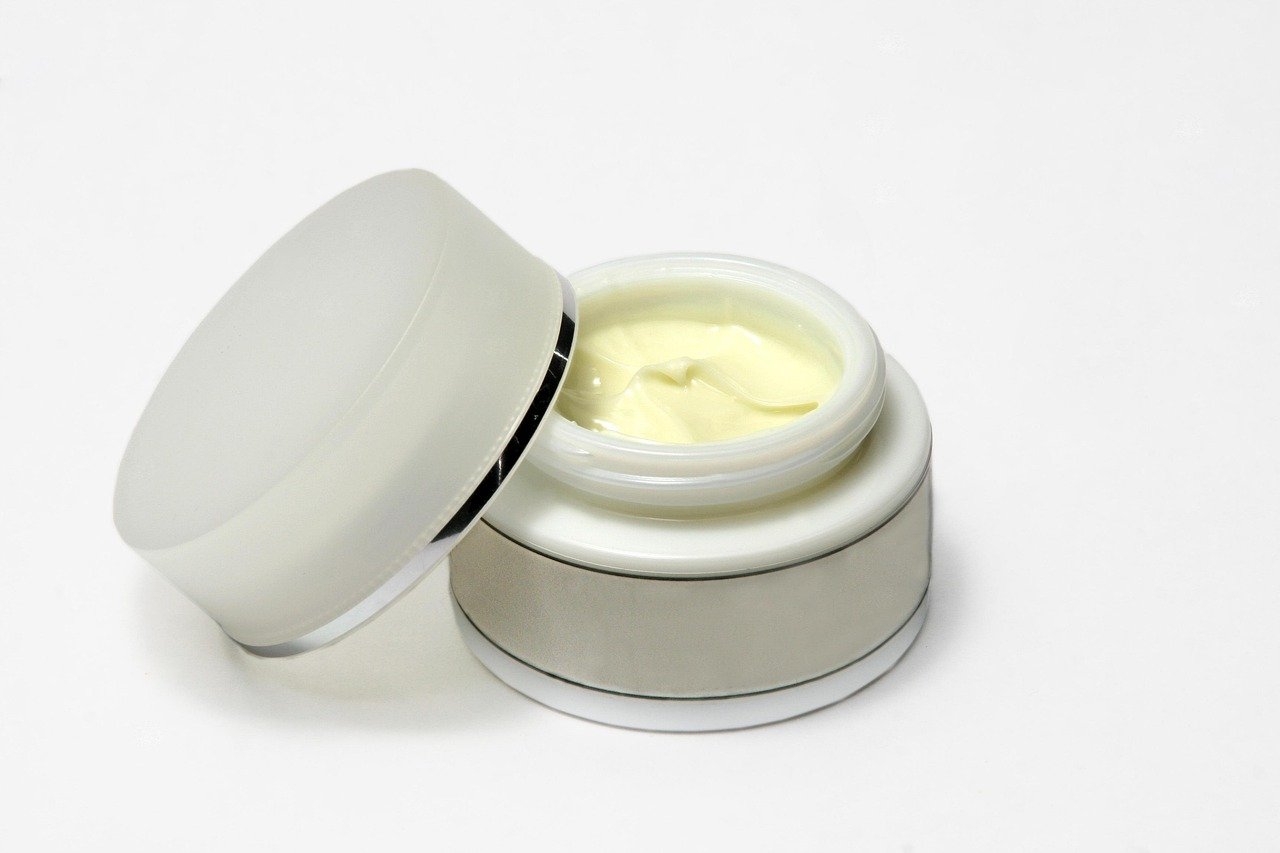

Quick Answer: Can you use two different moisturizers on your face?
Yes. Layering two different moisturizers on your face is a normal, widely used routine, and there is no rule against it. The usual approach is to apply a lighter product first across the whole face, then a richer cream or ointment on the areas that need more, such as cheeks or flaky patches. (Face shape frame guide)
You can also use one product in the morning and a different one at night, or switch formulas with the seasons. What changes between these options is not permission but purpose: a humectant draws water in, while an occlusive slows water loss, and the two do different jobs. (Short sale two very different deals one name)
Before you start, check the ingredient lists for overlapping actives, fragrance and preservatives, the texture and order of application, your skin type and sensitivity, and how sunscreen fits into the morning routine.
Two bottles, one face: what actually happens
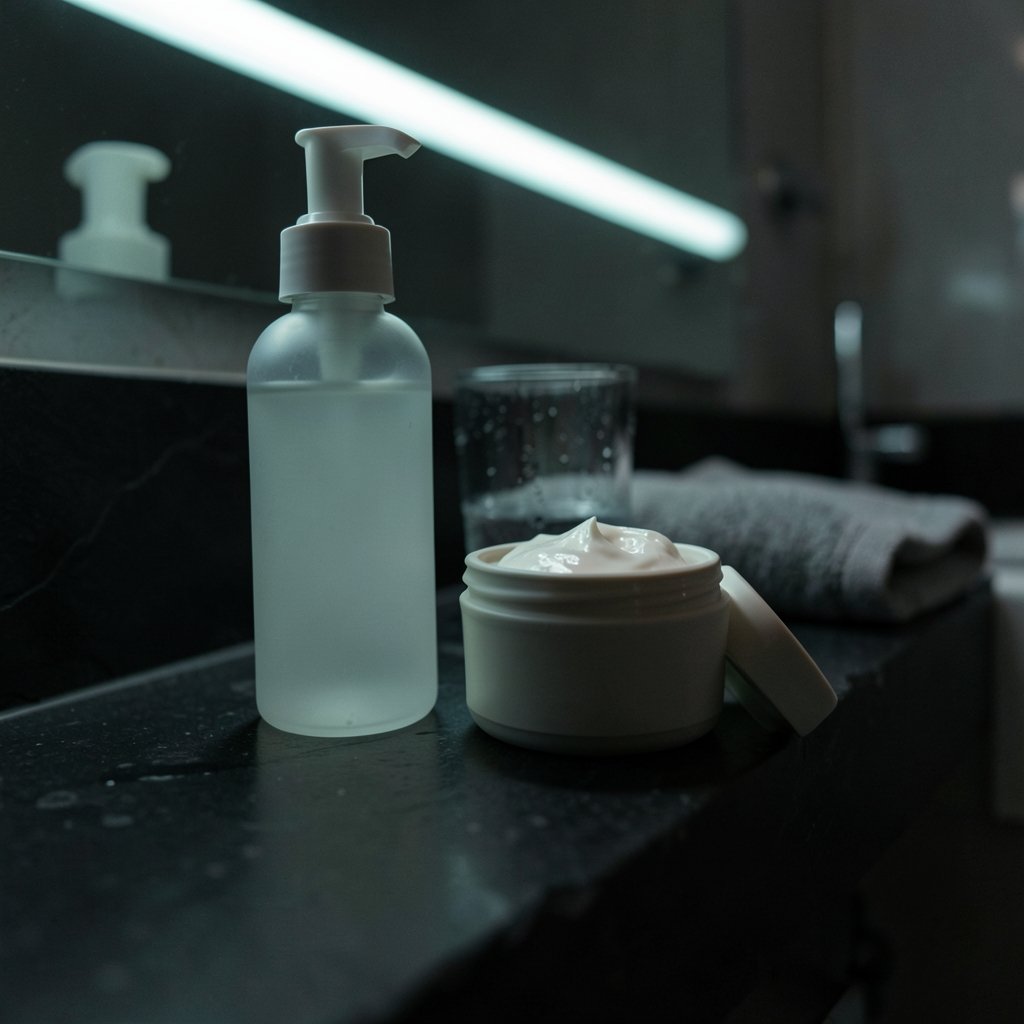
Picture the bathroom shelf of anyone with dry cheeks and a shiny forehead. There is a gel for the oily parts and a thick cream for the dry parts, and both get used on the same face on the same morning. Is that clever, or is it a recipe for clogged pores and confusion?
The short answer is that it is clever, as long as a few basics are in place. Skin care guidance generally supports applying a lighter product first and a richer one on top, especially over dry areas. Moisturizers are not competing for a single slot on your face. They are tools with different mechanisms, and using more than one is closer to using a fork and a knife than to doubling a dose of medicine.
That said, “you can” and “you should bother” are different questions. The rest of this piece is about when two moisturizers earn their place, when one is genuinely enough, and the small mistakes that turn a sensible routine into a stinging, pilling mess.
Why two moisturizers can do more than one
Moisturizers work through two broad mechanisms. Humectants such as glycerin and hyaluronic acid pull water toward the skin. Occlusives such as petrolatum and dimethicone sit on the surface and slow water loss. A single product often contains both, but the balance varies enormously. A light gel might be humectant-heavy; a balm might be almost entirely occlusive.
Layering lets you combine those mechanisms. A humectant layer under an occlusive layer is the classic pairing: one brings water in, the other keeps it from leaving. That is why the thin-then-thick rule exists. It is not arbitrary etiquette. It reflects how the products behave when stacked.
There is a second, quieter benefit. Skin is not uniform. The nose and forehead may be oily while the cheeks are tight and flaky, a pattern most people recognize as combination skin. Using a lighter lotion on the T-zone and a richer cream on the cheeks is common in practice, even though there is no large study quantifying how much it helps. It is a sensible response to a face that behaves like two faces.
The order that works, and why it matters
Order matters more than the number of products. The general guidance is thinnest to thickest, with sunscreen last in the morning. Get that sequence right and most layering questions answer themselves.
- Cleanse and, if you use one, apply a toner or hydrating essence while skin is still slightly damp.
- Apply the lighter moisturizer first, over the whole face.
- Follow with the richer moisturizer, focusing on dry zones rather than slathering everywhere.
- In the morning, finish with sunscreen as the final step.
- At night, the richer product can go last, or a facial oil if you use one.
Two practical notes from experience. First, damp skin is your friend: humectants need water to pull in, so applying to slightly damp skin beats applying to bone-dry skin. Second, give each layer 30 to 60 seconds. Rushing is the single most common cause of pilling, that annoying roll-up of product under your fingers. If a product balls up, the problem is usually technique or an incompatible texture pairing, not the concept of layering.
There is also a real distinction between layering and mixing. Layering keeps each formulation intact. Mixing two moisturizers in your palm can dilute active ingredients and change how evenly they spread. If you want the benefits of both, stack them; don’t stir them together. This is a mechanism-based caution rather than a finding from a controlled study, but it is a reasonable default.
Matching products to skin type
The table below is a starting point, not a prescription. Patch test anything new, and adjust based on how your skin actually responds over a week or two.
| Skin situation | First layer (thinner) | Second layer (richer) | Watch out for |
|---|---|---|---|
| Oily T-zone, normal cheeks | Oil-free gel or lotion | Light cream on cheeks only | Heavy occlusives on the nose |
| Dry, flaky patches | Hydrating lotion with glycerin | Cream or ointment on dry zones | Fragrance in either product |
| Combination, seasonal change | Gel in summer | Cream in winter | Switching too many products at once |
| Sensitive or eczema-prone | Fragrance-free lotion | Fragrance-free cream or ointment | Essential oils, exfoliating acids |
| Mature, drier skin | Humectant serum or lotion | Richer night cream | Over-exfoliation alongside |
Notice that the “watch out” column is often more useful than the product column. Irritation risk rises with the number of products and with actives. Fragrance, preservatives and exfoliating acids are common culprits, and adding a second moisturizer adds exposure. Two bland, fragrance-free products are usually safer than one fancy product plus one active-packed one.
Sunscreen is the exception to every layering rule
Morning routines have a hard stop: sunscreen goes last. If your moisturizer contains SPF, layering another product over it can reduce the effective protection, because the film is no longer sitting cleanly on the surface. The size of that reduction depends on the products and is not well quantified in public guidance, which is exactly why the safe move is to keep sunscreen as the final layer.
A cleaner setup for many people is a plain moisturizer underneath and a dedicated sunscreen on top. That removes the guesswork. It also means you are not relying on a moisturizer’s SPF to do a job it was only partly designed for, especially on days when you apply less than the label assumes.
When one moisturizer is the better answer
Two products are not automatically better. If your skin is comfortable, balanced and not reactive, a single well-formulated moisturizer is simpler, cheaper and easier to stick with. Routine fatigue is real, and a four-step moisturizing ritual that gets abandoned by Thursday helps nobody.
One moisturizer is often the right call when:
- Your skin is normal to slightly oily and rarely feels tight.
- You are introducing a new active ingredient and want to isolate variables.
- You have reacted badly to layering before and cannot identify the culprit.
- You travel often and want a minimal kit.
Two moisturizers earn their place when your face has genuinely different needs in different zones, when seasons change your skin dramatically, or when a single product leaves you either greasy by noon or tight by mid-morning. That last signal, the midday rebound, is one of the most reliable signs that your current product is the wrong weight for your skin.
Mistakes that make layering backfire
Most layering problems come from a short list of habits. Avoiding them is easier than fixing the damage.
Applying thick over thin in the wrong order. A rich balm first blocks the lighter product from doing much of anything. Thin first, thick second.
Using two products with the same active. Two moisturizers each containing retinol or a strong acid do not double the benefit; they double the irritation risk. Check the ingredient lists, and do not rely on the front labels alone.
Skipping the patch test. Apply a small amount to the inner forearm for a few days before using it on your face. This is standard advice and it catches most problems before they reach your cheeks.
Layering on irritated skin. If your face is stinging or red, adding a second product is the wrong instinct. Strip back to one bland moisturizer and let things settle. Sensitive and eczema-prone skin deserves extra caution here, and the same principle of gentle, minimal products applies.
Expecting overnight results. Barrier repair takes days to weeks. A new two-product routine needs a fair trial before you judge it.
What the evidence does and does not say
It is worth being honest about the limits here. There is no known safety rule that forbids using two facial moisturizers, and no regulatory standard limits anyone to one. But absence of a rule is not proof of benefit. The support for layering is mostly mechanistic, based on how humectants and occlusives behave, plus a lot of clinical and personal experience.
There is also no single controlled study specifically testing two facial moisturizers layered together that settles the question. Sources differ slightly on exact order, with some emphasizing thinnest-to-thickest and others prioritizing actives before moisturizer. The thin-to-thick rule is the most common and the easiest to follow, but it is not universal law.
What this means practically: treat layering as a reasonable strategy to test on your own skin, not a guaranteed upgrade. Judge it by how your face feels at 3 p.m., not by how the bottles look on the shelf.
Building a routine that survives real life
A workable two-moisturizer routine is boring in the best way. Morning: cleanse, light moisturizer, richer cream on dry patches, sunscreen. Night: cleanse, light moisturizer, richer cream. That is it. No ten-step ritual, no waiting twenty minutes between layers.
If you want to go a step further, borrow a habit from people who track everything else in their lives: change one variable at a time and give it a week. The same logic that makes an age calculator between two dates sometimes give results people disagree about applies to skin logs. Small differences in inputs, timing and method produce results that look inconsistent until you control the variables. If you switch two moisturizers and your sunscreen at once, you will never know what helped. (Reverso tribute chronograph collectors guide two faced icon)
And if you enjoy the small rituals of a shelf full of products, there is no harm in that either. The point is not minimalism for its own sake. It is knowing which products are doing work and which are just along for the ride.
Conclusion
Yes, two different moisturizers on one face is fine, and for many people it is genuinely useful. A thin humectant layer under a richer occlusive layer combines two mechanisms that complement each other, and zone-based application suits combination skin better than a single compromise product. Order matters more than quantity: thinnest first, thickest second, sunscreen last in the morning.
The caveats are practical rather than prohibitive. Watch for overlapping actives, fragrance and preservatives, patch test anything new, and do not mix products in your hand when layering would do. If your skin is comfortable with one moisturizer, keep it simple. If your face has distinct dry and oily zones, or swings with the seasons, two products can earn their place. Either way, the decision belongs to your skin, not to a rulebook.
Can layering two moisturizers cause breakouts?
It can, but usually the culprit is a specific ingredient or texture rather than the act of layering. Heavy occlusives on an oily T-zone, or a fragrance or preservative your skin dislikes, are more likely explanations than the number of products. If breakouts appear after you add a second moisturizer, remove the newer product first and see whether things settle before blaming the whole routine.
Should the lighter or the thicker moisturizer go first?
Thinner first, thicker second. The light product needs to reach the skin, and a rich balm applied first can block it. The most common guidance is thinnest to thickest consistency, with sunscreen as the final step in the morning. If two products feel similar in weight, it matters less which goes first, though applying to slightly damp skin still helps.
Can I use a morning moisturizer at night and a night cream in the morning?
Usually yes, with one exception. Night creams are often richer and may lack sun protection, so using one in the morning means adding a separate sunscreen on top. A morning lotion with SPF is a poor choice for nighttime because there is no sun to protect against, and the extra filters add exposure for no benefit. Swap freely otherwise.
How long should I wait between layers?
Thirty to sixty seconds is plenty for most products. Waiting longer rarely adds anything and makes routines harder to keep. If you notice pilling, the roll-up of product under your fingers, the fix is usually a shorter gap, a lighter first layer, or a less silicone-heavy pairing rather than a longer wait.
Is it safe to layer moisturizers if I have sensitive or eczema-prone skin?
It can be, provided both products are bland and fragrance-free. Sensitive skin benefits from fewer ingredients, not fewer products, so two simple moisturizers can be gentler than one complex one. Patch test each product on the inner forearm for a few days first, introduce them one at a time, and strip back to a single product during flare-ups.
Do I need two moisturizers if my skin feels fine?
No. If your skin is comfortable, balanced and not reactive, one well-formulated moisturizer is simpler and easier to maintain. Two products earn their place when your face has genuinely different needs in different zones, when seasons change your skin noticeably, or when a single product leaves you greasy by noon or tight by mid-morning.









